
Have you ever wondered if some cat breeds are naturally more affectionate than others? If you’re looking for a furry friend who loves cuddles, purrs in your lap, and follows you around the house, this question matters a lot.
Knowing which breeds tend to be more loving can help you find the perfect companion that fits your lifestyle and gives you the kind of bond you’re hoping for. Keep reading, because we’re about to reveal surprising facts that could change the way you choose your next cat—and deepen the connection you share.

Credit: www.countryliving.com
Cat Affection Basics
Cats show affection in many ways. Understanding their love helps build a strong bond. Each cat has a unique way to express feelings. Some are more open, others more subtle. This section covers the basics of cat affection.
Knowing how cats show love helps you respond better. It also helps you see their true feelings. This knowledge is useful for all cat owners.
What Is Feline Affection?
Feline affection means the ways cats express care and trust. It is how cats connect with humans and other pets. Cats show affection through actions and body language. These signs tell you your cat feels safe and happy.
Affection can be gentle or playful. It often involves physical touch or close presence. Cats use these methods to build trust and comfort with you. Understanding these signs helps you notice your cat’s mood.
How Cats Show Love
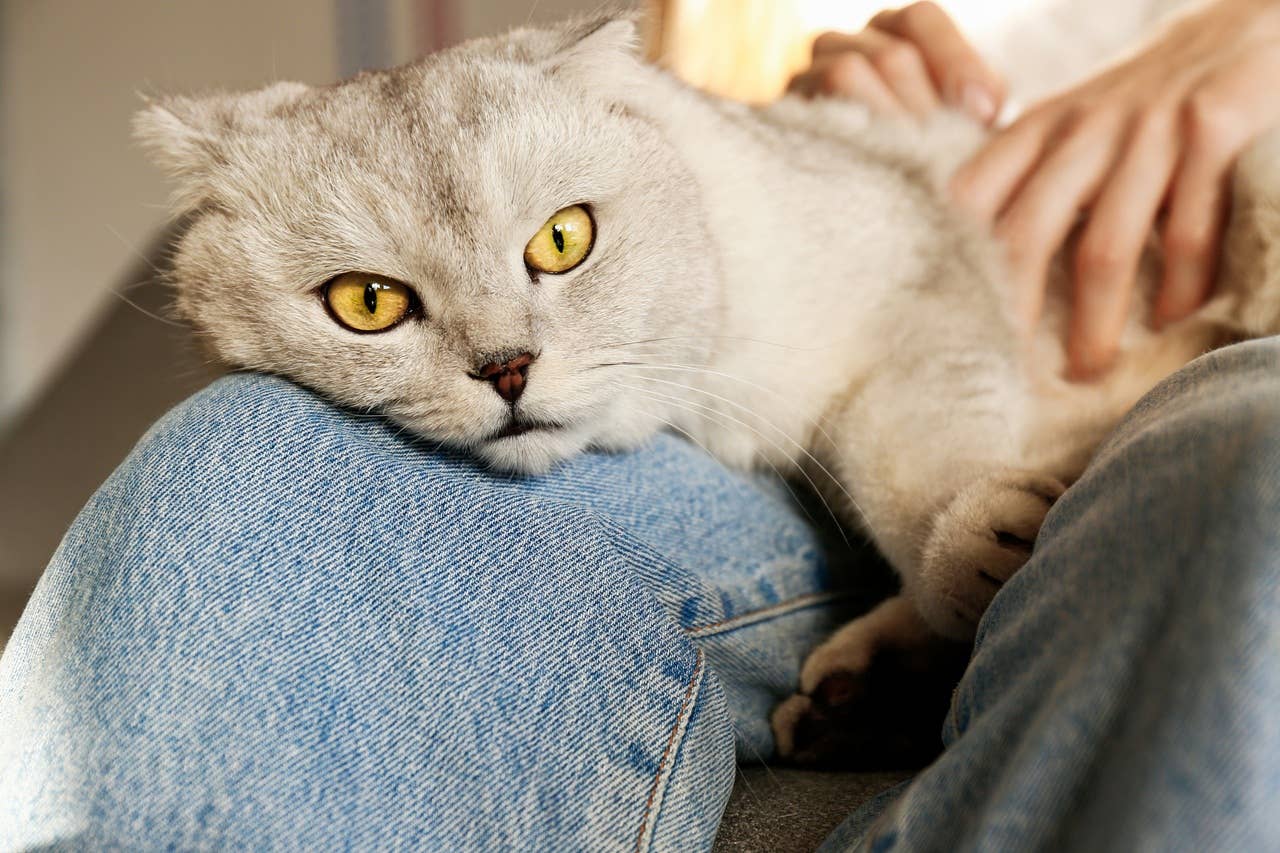
Cats show love with purring, rubbing, and kneading. Purring usually means they feel calm and happy. Rubbing their head or body on you marks you as family. Kneading with paws shows contentment and trust.
Some cats follow you around or sit near you. Eye blinking slowly means they feel safe. Bringing you small “gifts” like toys or prey shows care. Listening to these signs helps you understand your cat better.
Credit: paradepets.com
Breed Traits And Temperaments
Cats show different levels of affection based on their breed traits and temperaments. Each breed has unique personality traits that shape how they behave around people. Understanding these traits can help match a cat’s temperament to your lifestyle and expectations. Some breeds are naturally more social and loving. Others prefer independence and quiet time.
Temperament differences come from genetics and early experiences. These influence how friendly or reserved a cat might be. Knowing what to expect can make living with a cat more enjoyable. It also helps in choosing the right breed for your home.
Personality Differences Among Breeds
Each cat breed has distinct personality traits. Siamese cats often seek attention and enjoy company. Maine Coons are gentle giants who love to play and cuddle. Persian cats tend to be calm and enjoy relaxing in quiet spaces. Bengal cats are energetic and curious, needing more interaction. These differences affect how affectionate cats appear. Some breeds actively seek human contact. Others show love in quieter ways.
Genetics And Behavior Links
Genes play a key role in a cat’s behavior. Certain breeds inherit traits that make them more social or independent. Scientists study these links to understand cat personalities. For example, breeds with a history of close human contact often show more affection. Breeds from wild ancestors may have stronger hunting instincts and less need for attention. Genetics combine with environment to shape how cats act daily.
Highly Affectionate Cat Breeds
Some cat breeds are known for their strong bonds with humans. These cats enjoy being close, cuddling, and showing love often. They make great pets for people wanting a loving companion.
Here are a few highly affectionate breeds that stand out for their friendly and gentle ways.
Ragdoll And Their Gentle Nature
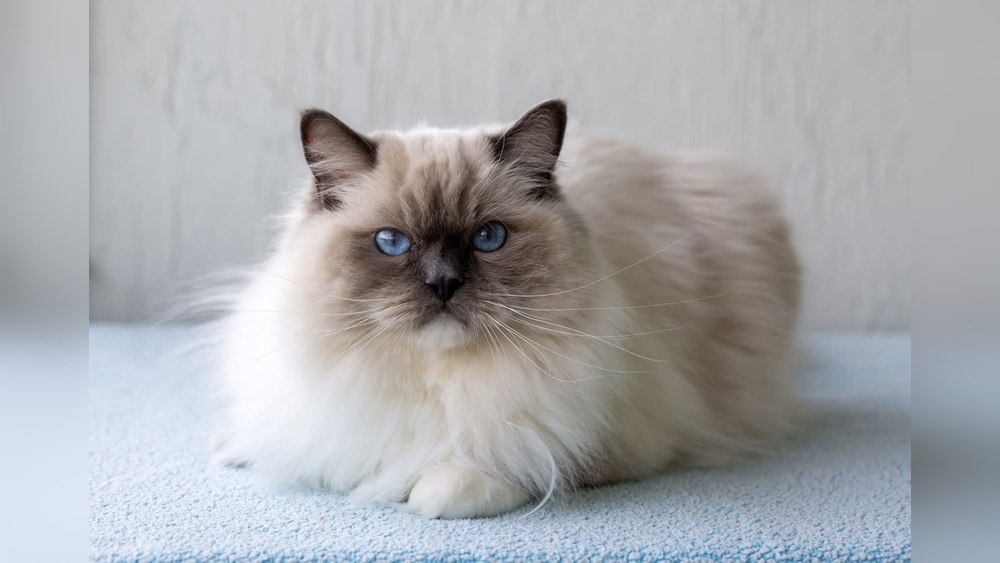
Ragdolls are calm and soft cats. They often go limp when held, like a ragdoll. They love to follow their owners around and sit on laps. Their gentle nature makes them great for families and quiet homes.
Siamese: Vocal And Social
Siamese cats are talkative and enjoy attention. They use their voice to communicate often. These cats like to be near people and join activities. Their social nature means they rarely like being alone.
Maine Coon’s Friendly Demeanor
Maine Coons are large cats with big hearts. They are friendly and playful with everyone. These cats enjoy being part of the family and get along with kids and pets. Their easygoing personality makes them very lovable.

Credit: www.countryliving.com
Less Affectionate Breeds
Not all cat breeds show love in the same way. Some cats are less cuddly and more independent. These breeds may keep their distance more often. They enjoy alone time and do not seek constant attention.
Understanding these cats helps pet owners respect their space and needs. It prevents misunderstandings about their behavior. Less affectionate cats can still be great companions.
Independent Breeds Explained
Independent breeds prefer to explore and play on their own. They are often quiet and calm. Some popular independent cats include the Russian Blue and the Chartreux. These cats enjoy being near people but do not need constant petting. They show affection in small, subtle ways.
These breeds are perfect for people who like a pet but do not want a very demanding animal. They often manage well by themselves during the day.
Reasons Behind Reserved Behavior
Many factors affect a cat’s affection level. Genetics play a big role in shaping personality. Some breeds have a natural tendency to be quiet and reserved. Early life experiences also matter. Cats that had little handling as kittens may be shy around humans.
Health and environment can influence behavior too. Stress or illness can make cats less social. Understanding these reasons helps owners give their cats the right care and attention.
Beyond Breed: Other Influences
Breed can influence a cat’s affection level. Still, many other factors shape a cat’s personality and how loving it is. Understanding these influences helps create a better bond with your cat.
Impact Of Early Socialization
Kittens that interact with people early tend to be more affectionate. Gentle handling during the first weeks builds trust and comfort. These cats often enjoy being held and petted. Lack of early social contact can make cats shy or fearful. Early socialization teaches cats how to respond to humans positively. It sets the foundation for a friendly and loving pet.
Role Of Environment And Owner Interaction
A calm, safe home helps cats feel secure and relaxed. Stressful environments can make cats distant or nervous. Owners who spend time playing and talking to their cats build strong bonds. Cats respond to kindness and patience with affection. Consistent routines and positive attention encourage cats to be more loving. Each cat’s personality grows with how they are treated daily.
Tips To Encourage Affection
Encouraging affection from your cat takes patience and care. Cats show love in their own way. Understanding how to build a strong connection helps your cat feel safe and loved. Simple steps can make a big difference in your relationship. Start by creating a calm and welcoming space for your cat.
Building Trust With Your Cat
Trust is the base of affection. Speak softly to your cat to make it comfortable. Avoid sudden movements that may scare your pet. Let your cat come to you instead of forcing contact. Offer treats during quiet moments to create positive feelings. Pet your cat gently on favorite spots like behind the ears or under the chin. Regular routines help cats feel secure and more willing to show love.
Activities That Promote Bonding
Playtime is a great way to bond. Use toys like feather wands or balls to engage your cat. Short, frequent play sessions keep your cat active and happy. Grooming your cat with a soft brush can build closeness. Speak softly during play and grooming to reassure your pet. Sharing quiet time, like sitting together, also strengthens your bond. These activities help your cat see you as a friend, not just a caregiver.
Frequently Asked Questions
Are Some Cat Breeds Naturally More Affectionate?
Yes, certain cat breeds like Ragdolls and Siamese are known for their affectionate nature. They often seek human interaction and enjoy cuddling more than others.
How Does Breed Affect A Cat’s Affection Level?
Breed influences temperament and social behavior. Some breeds are genetically predisposed to be more loving, while others may be more independent and reserved.
Can Mixed-breed Cats Be Affectionate Too?
Absolutely. Mixed-breed cats can be just as loving. Their affection depends on personality, upbringing, and socialization rather than breed alone.
Do Affectionate Cat Breeds Require Special Care?
Affectionate breeds may need more attention and interaction. Regular play, petting, and companionship help maintain their emotional well-being and strengthen bonds.
Conclusion
Some cat breeds tend to show more affection than others. Personality matters as much as breed. Each cat has its own way to show love. Spending time together helps build strong bonds. Choose a cat that fits your lifestyle and feelings.
Patience and care bring out the best in any cat. Love grows with trust and daily attention. Affectionate cats make great companions for many people. Understanding your cat’s needs creates a happy home. Every cat deserves kindness, no matter the breed.