
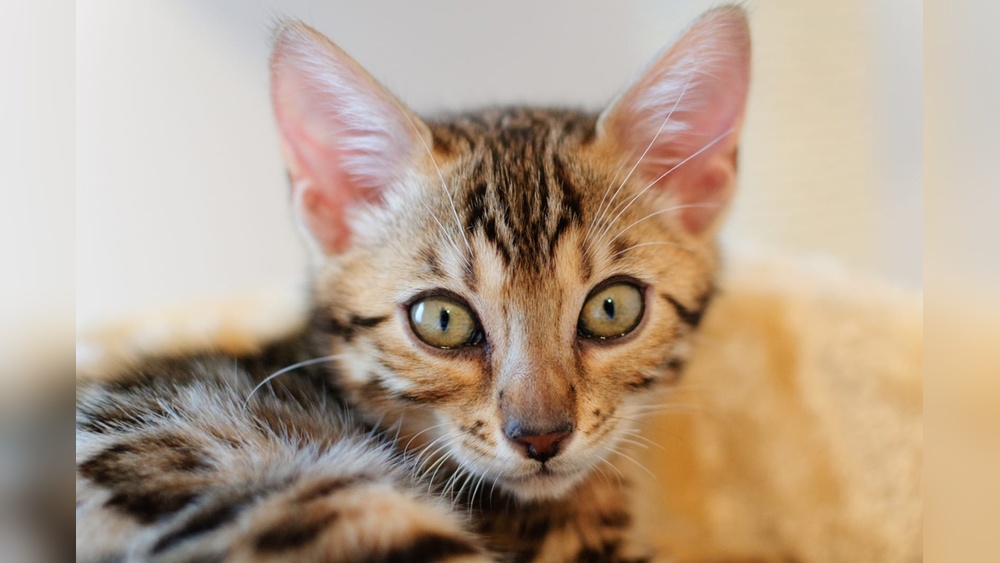
Have you ever wondered if cats from different breeds can mate? If you’re a cat lover or considering adopting a mixed breed, this question might be on your mind.
Understanding how cats of various breeds interact and reproduce can help you make informed decisions about your furry friends. Keep reading to discover surprising facts that could change how you see your cats and their unique traits. You won’t want to miss what comes next!
Cat Breeds And Genetics
Cats come in many breeds, each with unique traits. These differences come from their genes. Genes control how cats look and act. Understanding cat breeds and genetics helps us know if cats of different breeds can mate. This section explains breed diversity and genetic compatibility in cats.
Breed Diversity In Domestic Cats
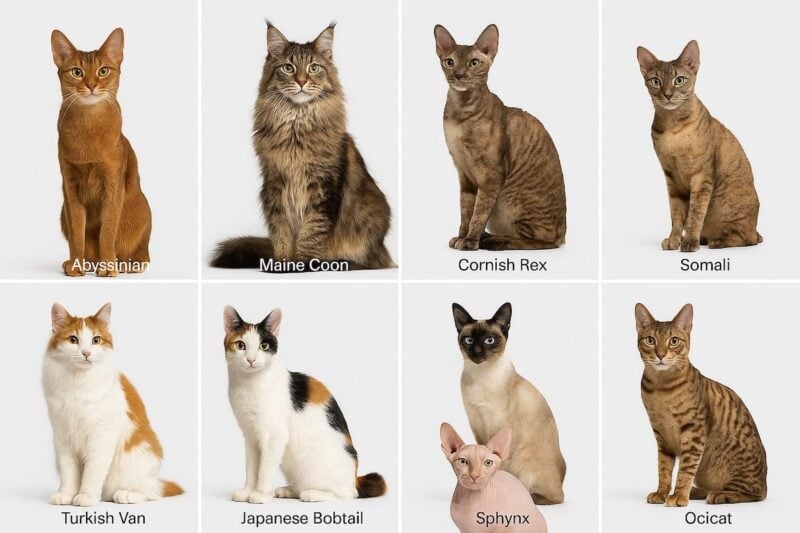
Domestic cats have many breeds. Some breeds have short hair, others long. Colors and patterns vary a lot. Some cats are small, others large. Each breed has special features passed down through generations. This variety makes cats interesting and unique pets.
Breed diversity comes from natural changes and human selection. Breeders choose cats with certain traits to mate. Over time, this creates distinct breeds. Despite differences, all domestic cats share a common ancestor. This shared origin helps with genetic compatibility.
Genetic Compatibility Across Breeds
Cats of different breeds can mate because their genes are compatible. All domestic cats belong to the same species. This means they can produce healthy kittens together. Mixed-breed kittens often have a blend of traits from both parents.
Genetic differences between breeds are small. This allows successful reproduction. Some breed traits, like size or coat type, may influence kitten appearance. Genetic compatibility also helps reduce health problems in mixed-breed cats. Breeding cats of different breeds is natural and safe.

Credit: beyondpets.com
Mating Behavior In Cats
Cats have unique ways of choosing mates. Their mating behavior is driven by natural instincts and signals. Understanding this behavior helps explain whether cats of different breeds can mate. Cats communicate through sounds, scents, and body language during mating season. This behavior ensures successful mating and continuation of their species.
How Cats Choose Mates
Cats rely on scent to find a mate. Female cats release pheromones to signal they are ready. Male cats detect these scents and respond quickly. They also listen for vocal calls from females. Physical health and strength play a role in mate choice. Cats prefer partners who appear healthy and strong. This increases the chance of healthy kittens.
Influence Of Breed On Mating Preferences
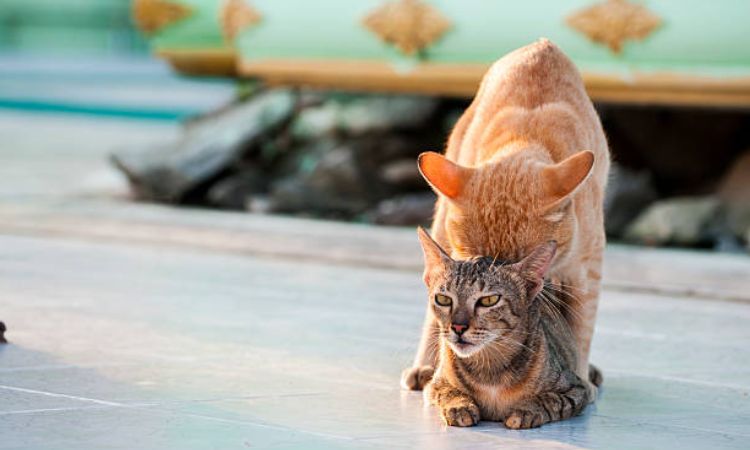
Breed differences do not stop cats from mating. Cats focus more on behavior and signals than breed traits. Natural instincts guide them to choose mates outside their breed. Breeds with different looks or sizes can still mate. The main goal is reproduction, not breed purity. Mixed breed kittens are common due to this behavior.
Crossbreed Possibilities
Cats of different breeds can mate and produce kittens. This leads to crossbreeds, which mix traits from both parents. Crossbreeding creates unique cats with varied looks and personalities. Some crossbreeds become popular for their special qualities. Understanding these possibilities helps cat lovers appreciate the diversity in cats.
Common Crossbreeds And Their Traits
Many crossbreeds appear naturally or through breeding programs. The Bengal cat, for example, comes from crossing an Asian leopard cat with a domestic cat. Bengals have spotted coats and energetic behavior. Another popular crossbreed is the Savannah, a mix of a domestic cat and a serval. Savannahs are tall, lean, and very active.
The Cymric mixed with the Persian produces a soft, fluffy coat and calm nature. Crossbreeds often show a mix of physical and personality traits. This variety makes each cat special and different from others.
Health And Genetic Concerns In Crossbreeding
Crossbreeding can sometimes cause health problems. Some genetic issues may pass from parent cats to kittens. Breeders must watch for inherited diseases and avoid breeding unhealthy cats. Mixed breeds may have fewer problems due to genetic diversity. Still, health checks are important for all cats.
Proper care and regular vet visits help keep crossbreed cats healthy. Awareness of genetic risks improves breeding practices and cat well-being. Responsible breeding focuses on strong, healthy cats with good temperaments.
Breeding Challenges
Breeding cats of different breeds comes with many challenges. These challenges can affect the success of mating and the health of the kittens. Understanding these problems helps breeders and cat owners manage expectations and care better for their pets.
Physical And Behavioral Barriers
Different cat breeds have unique physical traits. Some breeds have long legs, while others have short legs. These differences can make mating difficult or uncomfortable. Body shapes may not match well during the mating process.
Cats also have distinct behaviors. Some breeds are shy and reserved. Others are very active or aggressive. These behaviors affect their willingness to mate. Cats may not accept mates from other breeds due to these differences.
Impact Of Breed Size And Temperament
Size matters in cat breeding. Large breeds mating with small breeds can cause health risks. The female cat may have difficulty carrying or delivering kittens. This problem can lead to complications during birth.
Temperament also plays a key role. Calm cats may not get along with very energetic ones. Stress or fighting can stop mating attempts. Good temperament matching helps improve breeding success and kitten health.
Ethical Considerations
Ethical considerations play a key role in breeding cats of different breeds. Breeders must think about the well-being of both parent cats and their kittens. This helps protect animal health and supports good breeding habits.
Breeding without care can cause harm. It may lead to health problems or poor quality of life for the cats. Responsible breeders focus on safe and humane practices.
Responsible Breeding Practices
Responsible breeding means choosing healthy cats with good temperaments. Breeders should know the traits of each breed to avoid issues. It is important to provide proper care and veterinary checks before mating. This prevents suffering and promotes strong, healthy kittens. Breeders must also avoid overbreeding to reduce stress on the cats.
Avoiding Genetic Disorders
Crossbreeding cats can increase the risk of genetic disorders. Some diseases pass from parents to kittens. Testing for common conditions helps reduce this risk. Breeders must research breed-specific health problems before mating. Avoiding harmful gene combinations keeps kittens healthy. This careful approach protects future generations of cats.
Credit: nexus-pets.com
Surprising Facts About Mixed Breeds
Mixed breed cats come from parents of different breeds. This mix creates unique and surprising traits. Their appearance, behavior, and health can be quite different from purebreds. Many people enjoy the charm and variety that mixed breeds bring to their homes.
Unexpected Outcomes In Offspring
Offspring of mixed breed cats often show a blend of traits. Their coat colors and patterns can be very different. Sometimes, kittens look like one parent more than the other. Other times, they have new traits that surprise owners. These surprises make each mixed breed kitten special and one of a kind.
Benefits Of Genetic Diversity
Genetic diversity helps mixed breed cats stay healthy. They usually have fewer inherited health problems than purebred cats. This variety in genes can make them stronger against diseases. Mixed breeds often live longer and have better immune systems. This diversity benefits both the cat and its owner.
Credit: www.mainecooncentral.com
Frequently Asked Questions
Can Cats Of Different Breeds Mate Successfully?
Yes, cats of different breeds can mate and produce healthy kittens. Breed differences don’t prevent mating, as all domestic cats belong to the same species, Felis catus.
Do Mixed-breed Cats Inherit Traits From Both Parents?
Mixed-breed kittens often inherit physical and behavioral traits from both parents. This genetic diversity can lead to unique appearances and personalities.
Are There Health Risks In Cross-breeding Cats?
Cross-breeding usually does not pose significant health risks. However, responsible breeding is essential to avoid inherited genetic disorders and ensure kitten health.
Can Mating Between Different Breeds Affect Kitten Temperament?
Yes, kittens from different breeds can exhibit varied temperaments. Their behavior depends on genetics and early socialization rather than breed alone.
Conclusion
Cats of different breeds can mate and have kittens. Their offspring may show traits from both parents. Breed differences do not stop them from breeding naturally. Genetics play a big role in how kittens look and behave. Understanding this helps cat owners care for mixed-breed cats better.
Every cat is unique, no matter the breed. Breeding across breeds can create healthy, happy cats. It’s important to provide good care and love to all cats. This knowledge helps people appreciate the diversity in cats around us.