
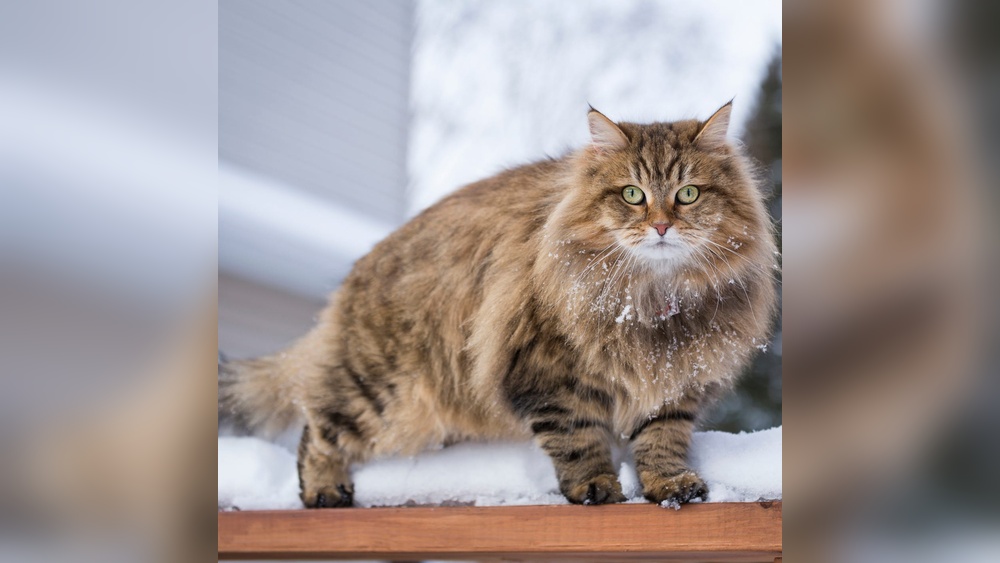
Have you ever wondered just how many different cat breeds exist? If you’re a cat lover or simply curious, knowing the variety of feline friends out there can be fascinating.
From tiny, sleek cats to fluffy, big-eared ones, each breed has its own unique charm. You’ll discover the surprising number of cat breeds and what makes each one special. Keep reading to find out which breed might be the perfect match for you!

Credit: www.petscare.com
Cat Breed Diversity
Cats come in many shapes, sizes, and colors. The variety in cat breeds shows how diverse these animals can be. Each breed has unique traits that make it special. This diversity helps cat lovers find pets that fit their style and home. Understanding how many cat breeds exist gives insight into this wide range.
Global Cat Breed Count
The number of cat breeds worldwide varies by organization. Some groups recognize about 40 to 70 breeds. This range depends on the rules used to define a breed. New breeds appear as breeders develop new traits. Some breeds are rare, while others are common everywhere.
Factors Influencing Breed Classification
Breed classification depends on many factors. Physical traits like fur length and color are key. Personality and behavior also help define breeds. Breed standards set by cat clubs guide classification. Genetics and history play important roles too. These factors together create the rich variety of cat breeds.

Credit: www.womansday.com
Popular Cat Breeds
Many cat breeds are loved around the world for their unique looks and friendly nature. Popular cat breeds often become family favorites. They bring joy with their playful and calm behaviors. Knowing about these breeds helps you understand what makes each cat special.
These cats differ in size, color, and personality. Each breed has traits that make it stand out. Some cats are known for their fluffy fur, while others are famous for their sleek bodies. This variety offers many choices for cat lovers.
Top Domestic Cat Breeds
The Domestic Shorthair is one of the most common cats in homes. They come in many colors and patterns. The Siamese is famous for its striking blue eyes and vocal personality. The Maine Coon is large and fluffy with a gentle heart. The Persian cat has a long, soft coat and a calm mood. The Ragdoll is known for its blue eyes and relaxed nature. These breeds are popular for their beauty and friendly ways.
Distinctive Traits Of Popular Breeds
Siamese cats have a slender body and point-colored fur. They are very social and love to talk. Maine Coons have tufted ears and bushy tails. They are great with children and other pets. Persians need regular grooming due to their long fur. They prefer a quiet and calm home. Ragdolls often go limp when held, showing trust. Domestic Shorthairs are hardy and easy to care for. Each breed’s traits make it unique and loved.
Rare And Exotic Cat Breeds
Rare and exotic cat breeds fascinate many cat lovers. These cats often have unusual looks or special traits that set them apart. They are not common pets and can be hard to find. Their rarity makes them even more interesting and desirable. Some come from faraway places, while others are the result of careful breeding. These cats add diversity to the wide world of feline companions.
Uncommon Cat Varieties
Some rare cat breeds are known for their limited numbers. The Sokoke, from Kenya, has a unique spotted coat. The Serengeti cat looks wild but is gentle and friendly. The Kurilian Bobtail has a short, fluffy tail like a rabbit’s. These breeds are not often seen outside their regions. Their rarity can make them special pets for enthusiasts.
Breeds With Unique Features
Certain exotic cats stand out because of their unusual features. The Sphynx is famous for its hairless body and warm skin. The Minskin combines short legs with a hairless body, creating a tiny, cute look. The Lykoi resembles a werewolf with its patchy fur. These cats catch attention with their strange and charming appearances.
Breed Recognition Organizations
Breed recognition organizations play a key role in defining and registering cat breeds. They set the rules and standards that breeders follow. These groups help keep breed information clear and organized. Each organization may recognize different numbers of breeds. This causes some confusion about how many breeds exist worldwide.
Major Cat Registries
Several major cat registries are well-known internationally. The Cat Fanciers’ Association (CFA) is one of the largest. It recognizes around 45 breeds. The International Cat Association (TICA) also has global influence. TICA accepts over 70 breeds. Another important group is the Fédération Internationale Féline (FIFe). FIFe recognizes about 50 breeds. Each registry has its own list of accepted breeds. This affects the total count of cat breeds reported.
Differences In Breed Standards
Breed standards describe ideal traits for each cat breed. These include size, color, coat, and personality. Each registry writes its own standards. This means a breed may look slightly different from one registry to another. Some organizations accept new breeds faster. Others are stricter and take longer to approve breeds. These differences make the cat breed world diverse and complex. Understanding breed standards helps in knowing why breed numbers vary.
Choosing The Right Breed
Choosing the right cat breed is important for a happy home. Cats have different needs and habits. Picking a breed that fits your lifestyle helps both you and the cat. Understand what each breed offers before making a choice. This section guides you through key points to consider.
Personality And Temperament
Each cat breed has a unique personality. Some cats are calm and quiet. Others are playful and active. Some love to cuddle, while others prefer space. Knowing a breed’s temperament helps match your energy level. A calm person might like a relaxed cat. An active family might enjoy a lively breed.
Care And Maintenance Needs
Cats need different levels of care. Some breeds require daily grooming. Others have short fur and need less attention. Health issues vary by breed and need care. Some cats need more exercise to stay healthy. Understanding care needs helps plan your time and effort. Choose a breed that fits your daily routine.
Future Of Cat Breeding
The future of cat breeding holds many changes and new possibilities. Breeders are exploring new ways to develop cat breeds that fit modern homes and lifestyles. Many new breeds are appearing, each with unique looks and traits. This evolution reflects both creativity and the desire to meet pet owners’ needs.
At the same time, cat breeding faces important questions about health and ethics. Breeders must balance the search for new breeds with care for the cats’ well-being. The future will likely focus on responsible breeding that respects animals’ health and happiness.
Emerging Breeds
New cat breeds continue to emerge worldwide. Breeders cross different cats to create unique appearances and temperaments. Some new breeds feature unusual fur patterns or distinct personalities. These breeds attract people wanting something rare and special. Breeding programs often take years to develop a stable new breed.
Technology and science help breeders understand genetics better. This knowledge allows safer and more precise breeding choices. Some emerging breeds aim to reduce common health problems found in older breeds. These new cats may be better suited for families with allergies or small children.
Ethical Considerations
Ethics play a big role in the future of cat breeding. Breeders must avoid practices that harm cats physically or mentally. Overbreeding or ignoring genetic diseases can cause suffering. Responsible breeders test cats for health issues before breeding.
Animal welfare groups encourage breeders to prioritize cats’ quality of life. This means avoiding extreme traits that cause discomfort or illness. Transparency with buyers about a cat’s health and care is also important. Ethical breeding means thinking about long-term impacts on cats and their owners.
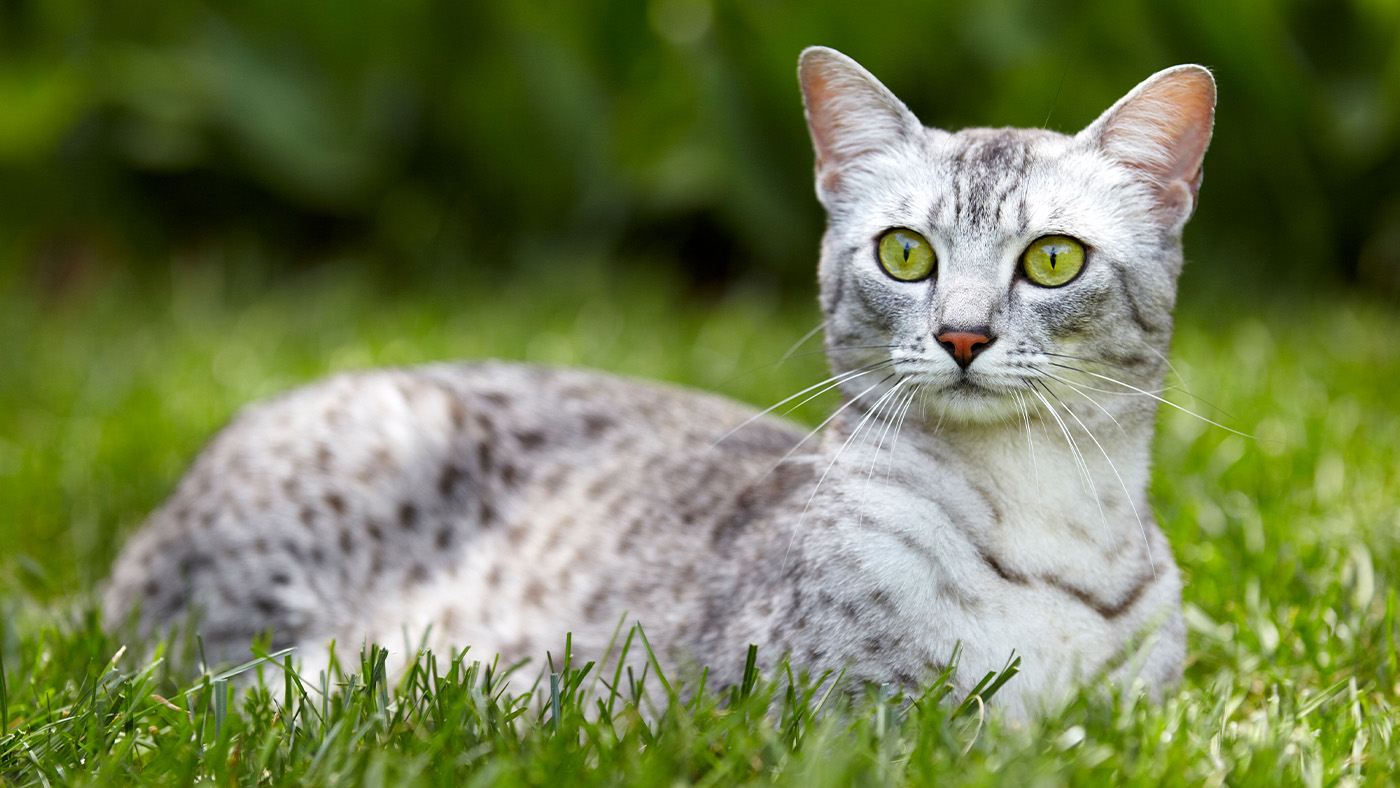
Credit: www.petsradar.com
Frequently Asked Questions
How Many Recognized Cat Breeds Exist Worldwide?
There are about 70 to 75 recognized cat breeds globally. Different cat associations may list slightly varying numbers based on breed standards and recognition criteria.
Which Organization Defines Official Cat Breeds?
The International Cat Association (TICA) and Cat Fanciers’ Association (CFA) are key groups defining official cat breeds. They set breed standards and maintain registries.
What Factors Determine A Cat Breed’s Recognition?
Breed recognition depends on consistent traits, genetic lineage, and breed stability. Associations require detailed documentation and breeding history for official status.
Are New Cat Breeds Still Being Developed?
Yes, breeders continue developing new cat breeds through selective breeding. Innovations focus on unique traits, appearance, and temperament to meet breed standards.
Conclusion
Cat breeds number over seventy worldwide. Each breed has unique traits and charm. Some cats have long hair, others short. Colors and patterns also vary a lot. Choosing a breed depends on your lifestyle. Cats bring joy and companionship always.
Learning about breeds helps you understand cats better. Enjoy discovering the many kinds of cats!