
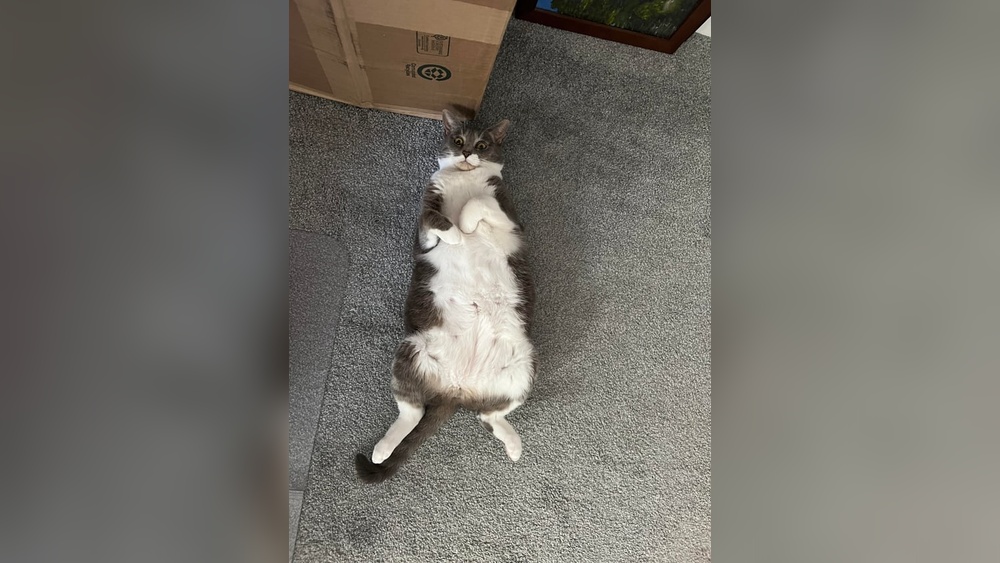
Have you ever come home to find your potty trained cat pooping on the floor? It’s confusing and frustrating, especially when you thought the problem was long behind you.
You might wonder, “Why would my cat suddenly stop using the litter box? ” Understanding the reasons behind this behavior can save you stress and help your furry friend get back on track. Keep reading to discover the surprising causes and easy solutions that can bring peace back to your home.
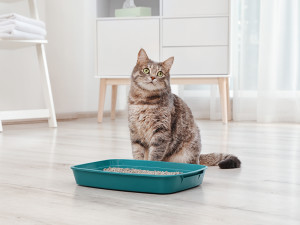
Credit: www.kinship.com
Common Causes Of Indoor Cat Accidents
Indoor cat accidents can be frustrating for any pet owner. Even cats trained to use the litter box sometimes have accidents. Understanding why these accidents happen helps solve the problem quickly. Several common causes affect a cat’s bathroom habits.
Knowing these causes can prevent future messes and keep your home clean. It also supports your cat’s health and comfort.
Medical Issues Affecting Bathroom Habits
Health problems often cause cats to avoid the litter box. Urinary tract infections make urination painful. Cats may choose soft surfaces to ease discomfort. Digestive issues can cause sudden bowel movements. Arthritis can make climbing into the box hard. Regular vet visits help catch these problems early.
Stress And Anxiety Triggers
Cats feel stress from changes in their environment. New pets or people can upset them. Loud noises and moving furniture cause anxiety. Stress may lead to accidents outside the box. Providing a safe, quiet space can reduce stress. Calm and patience help your cat adjust.
Changes In Litter Box Setup
Cats dislike sudden changes in their litter area. New types of litter or different boxes can confuse them. Dirty boxes discourage use. Placing the box in noisy or busy spots may cause accidents. Keep the box clean and in a quiet place. Consistency helps your cat feel secure.
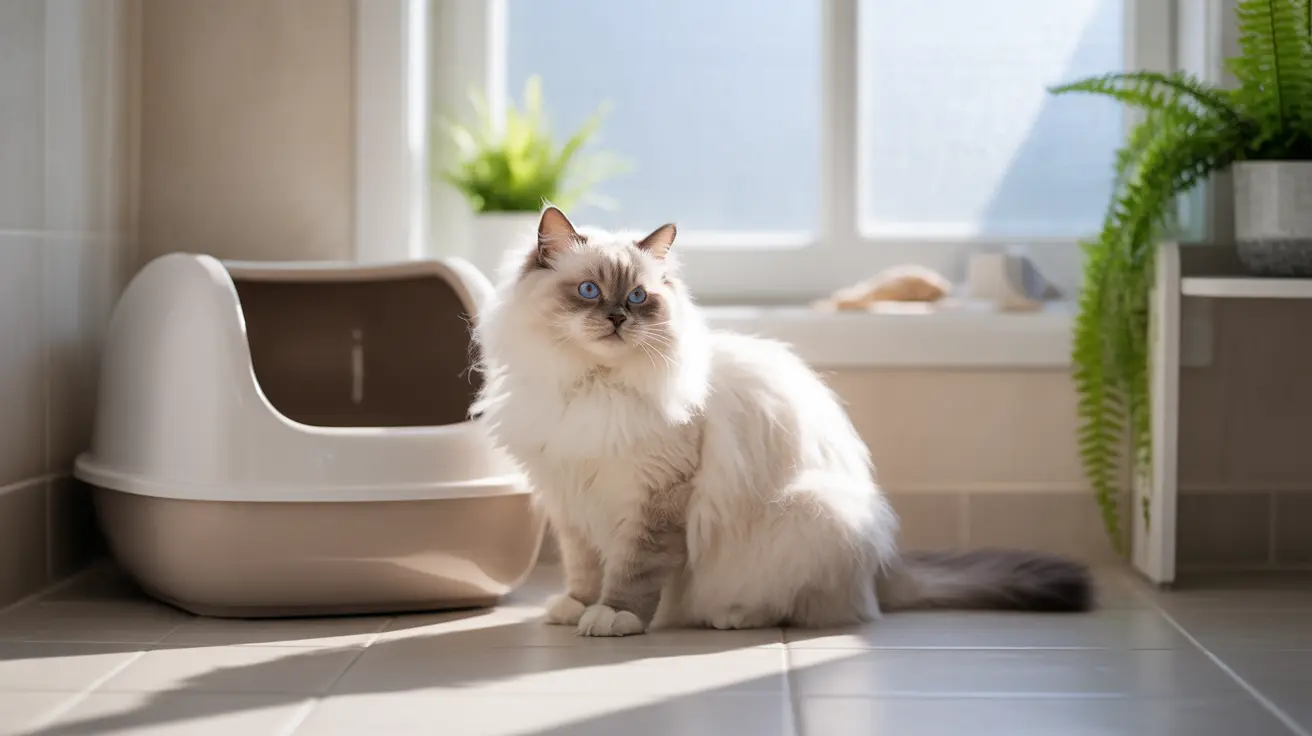
Credit: www.petscare.com
Behavioral Reasons For Floor Pooping
Cats usually use the litter box without problems. When a potty trained cat poops on the floor, it puzzles many owners. Understanding the behavioral reasons helps solve this issue. Cats have their own ways to show feelings and messages through actions. Some behaviors explain why a cat might poop outside the litter box.
Territorial Marking Behaviors
Cats use scent to mark their space. Pooping outside the box can mark territory. This behavior shows other animals who owns the area. Stress or new pets can trigger marking. The cat wants to feel safe and in control.
Attention-seeking Actions
Cats learn which actions get attention. Pooping on the floor might bring immediate response. The cat might feel ignored or lonely. This act becomes a way to ask for care. Owners should give more play and love.
Dislike Of Litter Box Cleanliness
Cats are very clean animals. A dirty litter box can cause refusal to use it. Some cats dislike certain litter types or smells. They avoid the box and choose the floor instead. Keeping the box clean helps prevent accidents.
Environmental Factors Impacting Cat Toileting
Environmental factors play a big role in a cat’s toileting habits. Changes around the home can confuse or stress your cat. This often causes them to stop using their litter box. Understanding these factors helps solve the problem quickly. Cats are sensitive to their surroundings and need stability.
New Pets Or Family Members
Introducing a new pet or person can stress your cat. Your cat may feel threatened or insecure. This stress can cause them to avoid the litter box. They might mark territory by pooping on the floor. Give your cat time to adjust to changes in the home.
Noise And Household Disruptions
Loud noises or sudden changes can scare cats. Construction, parties, or loud appliances disrupt their routine. Cats may avoid the litter box to escape the noise. They seek quiet and calm places to do their business. Keep the litter box area peaceful and safe.
Litter Box Location Problems
Location affects whether a cat uses the litter box. Boxes placed near noisy areas or busy rooms get ignored. Cats want privacy and easy access to their box. Avoid putting the box near food or water bowls. Choose a quiet, low-traffic spot for the litter box.

Credit: www.wikihow.com
Preventing Future Accidents
Preventing future accidents is key to keeping your home clean and your cat happy. Understanding the reasons behind your cat’s behavior helps stop unwanted messes. A few changes can make a big difference in your cat’s habits. Focus on creating a safe, comfortable space for your cat. Regular care and attention keep your cat healthy and stress-free. Below are some practical steps to prevent your cat from pooping outside the litter box.
Proper Litter Box Maintenance
Clean the litter box every day. Cats dislike dirty litter and may avoid using it. Use unscented, clumping litter that your cat prefers. Place the box in a quiet, private area. Avoid moving the litter box often. Provide one box per cat plus one extra. This reduces competition and stress among cats.
Creating A Stress-free Environment
Stress can cause accidents outside the litter box. Keep your cat’s routine consistent. Avoid loud noises and sudden changes in the home. Give your cat safe spaces to hide and relax. Play with your cat daily to reduce anxiety. Use calming sprays or diffusers designed for cats. These products can help soothe nervous cats.
Seeking Veterinary Advice
Medical issues often cause litter box problems. Visit the vet if accidents continue. Your vet will check for infections or illnesses. Pain or discomfort can make your cat avoid the box. Early diagnosis helps treat problems quickly. Always follow your vet’s advice for care and treatment.
Frequently Asked Questions
Why Does A Potty Trained Cat Suddenly Poop Outside?
A potty trained cat may poop outside due to stress, illness, or litter box issues. Changes in routine or environment can cause anxiety. Medical problems like infections also affect bathroom habits. Ensure a clean litter box and consult a vet if the behavior persists.
Can Health Problems Cause A Cat To Poop On The Floor?
Yes, health issues like urinary tract infections, arthritis, or digestive problems can cause accidents. Pain or discomfort may prevent your cat from using the litter box. Always rule out medical concerns with a vet before addressing behavioral causes.
How Does Litter Box Cleanliness Affect Cat Pooping Habits?
Cats prefer a clean litter box. Dirty or smelly boxes can discourage use. Regular scooping and thorough cleaning help maintain hygiene. Providing multiple boxes in multi-cat homes reduces territorial disputes and promotes proper litter box use.
Could Litter Box Location Cause A Cat To Poop On The Floor?
Yes, the litter box location impacts usage. Cats need quiet, private areas away from noise or heavy traffic. A poorly placed box may cause avoidance. Relocate the box to a calm, accessible spot to encourage proper use.
Conclusion
A potty trained cat pooping on the floor can feel frustrating. Stress, health issues, or changes in the home often cause this behavior. Watch your cat closely for signs of illness or discomfort. Keep the litter box clean and in a quiet place.
Give your cat patience and gentle care during this time. Small changes can help your cat feel safe again. Understanding the reasons helps solve the problem faster. Your cat will likely return to good habits soon. Stay calm and kind; your cat needs your support.