
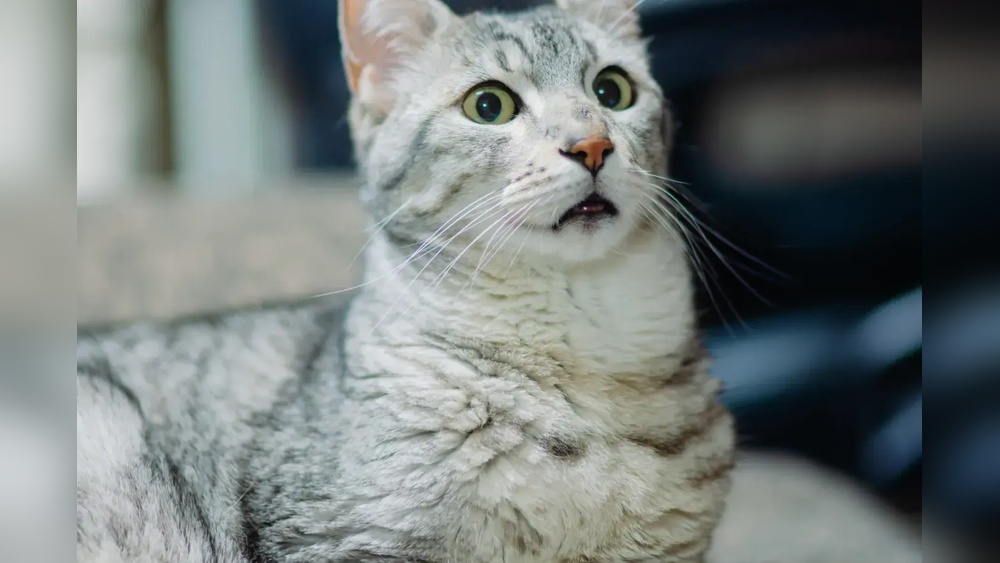
Have you ever wondered if a cat can give birth to kittens of different breeds? It sounds surprising, right?
If you’ve seen a litter with kittens that look very different from each other, you’re probably curious about how that happens. Understanding this can help you learn more about your cat’s unique family and what to expect if she has kittens.
Keep reading, because the answer might change the way you think about your furry friend’s babies.
Cat Breeds And Genetics
Cats come in many breeds. Each breed has unique traits. These traits come from genetics.
Understanding cat breeds and genetics helps explain how kittens look. It also clears up myths about breeding.
How Cat Breeds Are Determined
Cat breeds are based on physical traits and lineage. Traits include fur type, color, size, and shape. Breeders track these traits through generations.
A cat’s breed is set by its parents’ genes. Purebred cats have parents from the same breed. Mixed-breed cats have parents from different breeds or unknown backgrounds.
Role Of Genetics In Kitten Appearance
Kittens get genes from both mother and father. These genes decide their fur color, pattern, and eye color. Some traits are dominant, others are recessive.
A kitten’s look can vary a lot, even in one litter. This happens because of gene mixing. A mother cat cannot give birth to different breeds. But kittens may show a mix of traits from both parents.

Credit: www.reddit.com
Common Myths About Cat Birth
Cats and their babies bring many questions and stories. Some stories are true. Others are myths. These myths can confuse cat lovers about how cats give birth.
Understanding these myths helps to know the facts about cat birth. It also clears up wrong ideas about kittens and their breeds.
Do Cats Birth Mixed Breeds?
Cats cannot give birth to different breeds in one litter. A cat’s breed comes from its parents’ genes. If the mother is a Persian and the father is a Siamese, the kittens will be mixed, but they are not different breeds. They are mixed-breed cats.
Each kitten gets a mix of genes from both parents. This mix decides their look and traits. But pure breed cats usually have purebred kittens if the father is the same breed.
Misconceptions From Litter Variations
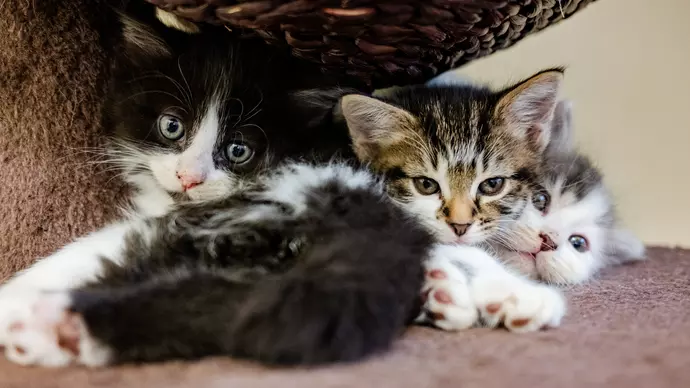
Sometimes kittens in one litter look very different. This difference causes myths about different breeds. Kittens can vary in color, size, and fur type because of gene variety.
Even in purebred cats, some kittens may have unique markings or colors. These are normal variations, not different breeds. All kittens from one mother are part of the same breed group.
Factors Influencing Kitten Traits
Kitten traits depend on many factors. These traits include appearance, size, and behavior. Understanding these factors helps explain why kittens from the same litter can look different. Genetic makeup plays a key role in shaping kittens. Environment and parental genes affect how kittens develop.
Each kitten inherits genes from both parents. These genes mix in unique ways. This mix creates variety in the litter. Traits like coat color and pattern can vary widely. Some traits show more strongly, while others may be hidden.
Parental Breed Influence
The breed of the mother and father affects the kittens’ traits. Purebred parents usually pass down clear breed characteristics. Mixed breed parents give kittens a blend of features. The stronger breed traits often dominate in kittens. Some traits may skip generations but still appear later.
Breed influence also shapes size and behavior. For example, a Siamese parent may pass on slender body and blue eyes. A Maine Coon parent may pass on large size and thick fur. These traits combine differently in each kitten.
Genetic Variation Within Litter
Even kittens from the same parents can look quite different. Genes shuffle and recombine in unique ways for each kitten. This creates natural variation in traits. One kitten might have a dark coat while another is light. Some kittens may have stripes, others spots.
Genetic variation helps kittens adapt to their environment. It also leads to interesting differences within one litter. These differences make every kitten unique and special.
Realities Of Feline Reproduction
Cats have a unique way of giving birth. Understanding feline reproduction helps clear up common myths. Many people wonder if a cat can give birth to different breeds in one litter. The answer lies in how cat genetics and mating work. This section explains the realities of feline reproduction and what to expect.
Single Breed Litters
When a mother cat mates with a male of the same breed, her kittens are usually all the same breed. This happens because the genes come from parents with similar traits. The kittens look alike and share breed characteristics. Breeders often plan matings to keep litters purebred. Purebred litters make it easier to predict kitten traits and appearances.
Possibility Of Mixed Breed Kittens
Mixed breed kittens happen when a mother mates with males of different breeds. Each kitten may inherit traits from either parent. This creates diversity within the litter. Mixed litters show a blend of colors, sizes, and coat patterns. It is common in outdoor or unplanned matings. Mixed breed litters reflect the genetic variety of their parents.
How To Identify Kitten Breeds
Identifying kitten breeds can be tricky. Many kittens look similar at birth. Breed traits become clearer as kittens grow. Understanding how to spot these traits helps in knowing their breed. It also helps in providing the right care and environment.
Two main ways to identify kitten breeds are by observing physical features and using genetic testing. Both methods give clues about a kitten’s breed. Observing physical traits is the first step. Genetic testing gives more exact answers.
Physical Characteristics To Observe
Look at the kitten’s coat color and pattern. Different breeds have unique colors and markings. Check the shape and size of the ears and eyes. Some breeds have large, pointy ears, others small or rounded.
Notice the body shape and size too. Some breeds are slim and long, others stocky and short. The tail length and thickness can also hint at a breed. Observe the fur texture: soft, dense, or curly fur means different breeds.
Watch the kitten as it moves. Some breeds walk with a special style. These visible traits help guess the breed but may not be exact.
Using Genetic Testing
Genetic testing offers clear answers about a kitten’s breed. It checks the kitten’s DNA for breed markers. This test can identify pure breeds and mixed breeds. It is especially useful for kittens with mixed parents.
Samples are usually taken with a cheek swab. Results come within a few weeks. Genetic tests also reveal health risks linked to certain breeds. This helps owners prepare for future care.
Testing is simple, safe, and becoming more affordable. It gives confidence in knowing a kitten’s true breed.
Credit: www.bluecross.org.uk
Impact Of Breed Myths On Cat Owners
Many cat owners believe certain myths about cat breeds and birth. These myths create false expectations about kittens and their care. Misunderstandings about breeds can cause stress and confusion. Knowing the truth helps owners give better care to their cats. It also helps owners enjoy their pets more. Real knowledge about breeds and kittens improves the pet-owner bond.
Expectations Vs. Reality
Some owners expect kittens to look like purebred cats. They think kittens from mixed parents will be the same as one breed. This is rarely true. Mixed breed kittens show traits from both parents. Their appearance and behavior can be very different. Owners must accept that kittens grow in unique ways. Breed myths make some owners disappointed or worried. Accepting the reality helps owners love their kittens fully.
Caring For Mixed Breed Kittens
Mixed breed kittens need the same care as purebreds. Their health needs do not change because of breed mix. Proper feeding, vaccinations, and vet visits are important. Socializing and playing help kittens grow happy and healthy. Owners should watch for any health issues early. Breed myths can lead to neglect or wrong care. Treat each kitten as an individual, not just a breed.

Credit: www.reddit.com
Frequently Asked Questions
Can Cats Give Birth To Different Breeds In One Litter?
No, cats cannot give birth to different breeds in one litter. Kittens inherit traits from their parents, so all offspring belong to the same breed or mix.
How Is A Cat’s Breed Determined At Birth?
A cat’s breed is determined by its parents’ genetics. The kittens inherit physical and behavioral traits from both mother and father cats.
Can Mixed Breed Cats Produce Purebred Kittens?
No, mixed breed cats cannot produce purebred kittens. Purebred status requires both parents to be registered purebreds of the same breed.
Do Kittens From The Same Litter Look Different?
Yes, kittens from the same litter can look different due to genetic variation. They share parents but may inherit different traits and colors.
Conclusion
Cats always give birth to kittens of their own breed. Different breeds do not mix in a single litter. The mother cat’s breed decides the kittens’ breed. Genetics work in clear, simple ways here. Each kitten will look like the mother or father cat.
Knowing this helps understand how cat breeds work. It clears up many common myths about cats. Breeding cats of different types needs special care. For pet lovers, this knowledge is useful and interesting. Cats stay unique in each generation, just like people.