
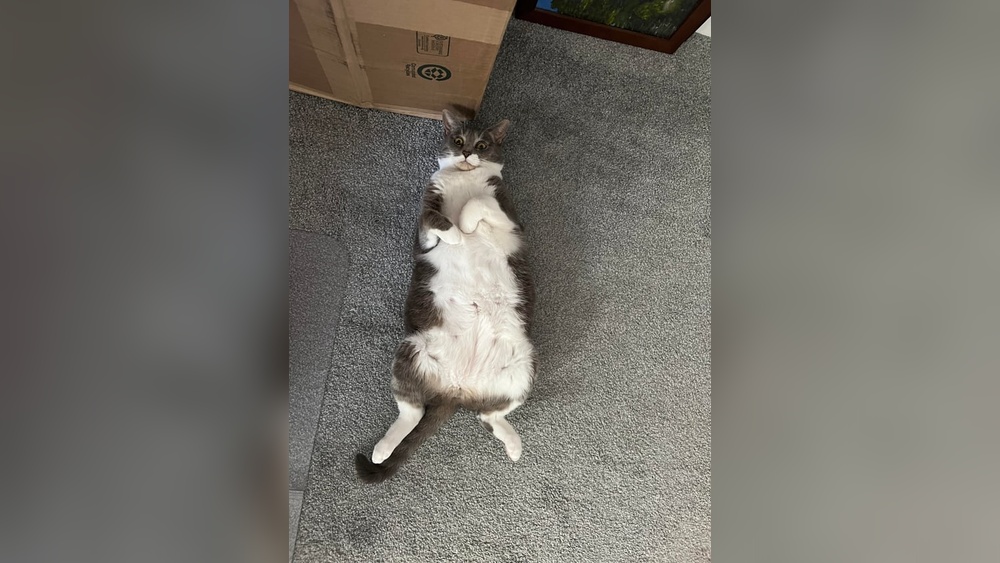
Is your once perfectly potty trained cat suddenly pooping on the floor? You’re not alone, and it’s frustrating to say the least.
You’ve done everything right—clean litter box, proper training—so why is this happening now? Understanding the reasons behind this behavior can help you fix it quickly and keep your home clean. Keep reading to discover what might be causing your cat’s sudden change and how you can get things back on track.
Credit: www.petscare.com
Common Reasons Cats Avoid The Litter Box
Cats usually use their litter boxes without issues. But sometimes, they avoid the box and poop on the floor. This behavior puzzles many pet owners. Understanding why cats avoid their litter box helps solve the problem fast.
Several common reasons cause cats to stop using their litter boxes. These reasons range from health problems to litter box setup. Finding the root cause is the first step to fix the issue.
Medical Issues
Health problems can make cats avoid the litter box. Urinary tract infections cause pain during urination. Arthritis can make it hard for cats to enter or exit the box. Always check with a vet to rule out medical issues.
Stress And Anxiety
Cats feel stress from changes in their environment. New pets, loud noises, or moving homes cause anxiety. Stress can lead to changes in bathroom habits. Calm your cat and keep their routine stable.
Litter Box Cleanliness
Cats are clean animals. A dirty litter box drives them away. Scoop waste daily and clean the box weekly. A fresh box invites cats to use it regularly.
Location Problems
The litter box’s location matters. Noisy or busy areas scare cats. If the box is hard to reach, cats avoid it. Place the box in a quiet, easy-to-access spot.
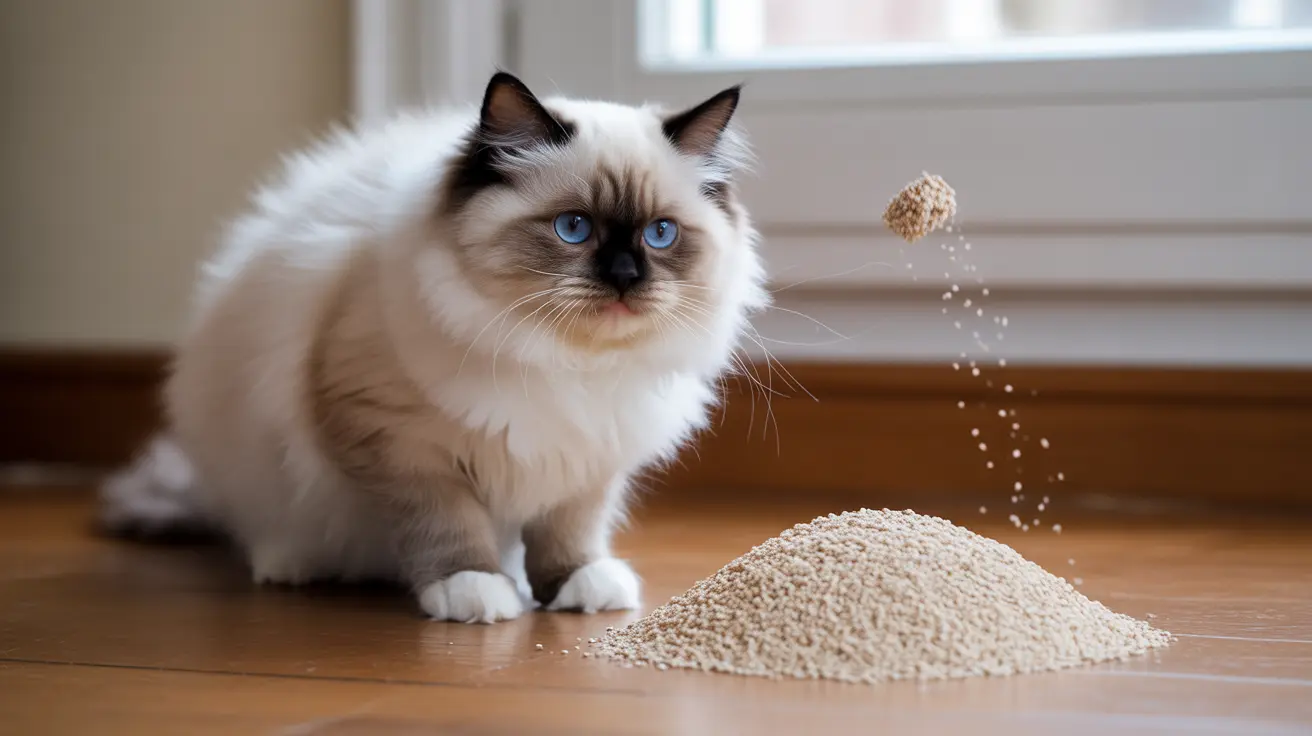
Litter Type Preferences
Cats have strong preferences for litter texture and smell. Some dislike scented or clumping litter. Experiment with different types to find your cat’s favorite. Using the preferred litter encourages proper use.

Credit: www.reddit.com
Behavioral Causes Behind Floor Pooping
Behavioral reasons often cause a potty trained cat to poop on the floor. Cats use their behavior to communicate feelings and stress. Understanding these causes helps solve the problem faster. Below are common behavioral causes behind this issue.
Territorial Marking
Cats mark their territory by leaving scents. Pooping outside the litter box is one way to do this. This behavior shows other pets or strangers who owns the space. Changes in the environment or new animals can trigger this. It is a natural but unwanted way to protect their home.
Changes In Household
Moving furniture, new family members, or visitors can upset cats. They may feel unsafe or stressed. This stress can cause them to avoid the litter box. Cats like routine and quiet places for their bathroom. Any change can confuse or scare them, leading to accidents on the floor.
Attention-seeking Behavior
Cats may poop on the floor to get attention. They notice when their owners react strongly. Negative or positive, any attention is better than none. This behavior often happens if the cat feels ignored or lonely. Providing more playtime and affection can reduce this behavior.
Environmental Factors Affecting Bathroom Habits
Environmental factors can change your cat’s bathroom habits quickly. Cats are sensitive to changes around them. These changes may cause stress or confusion. This often leads to accidents outside the litter box.
Small changes in the home can make a big difference. Understanding these factors helps solve the problem. It also keeps your cat happy and healthy.
New Pets Or Family Members
Introducing a new pet or person can upset your cat. Your cat may feel threatened or insecure. This stress can cause your cat to avoid the litter box. Your cat might want to mark its territory. It’s a way to show it still belongs.
Household Noise
Loud noises scare many cats. Construction sounds, vacuum cleaners, or loud music can frighten them. Noise near the litter box is especially upsetting. Your cat might avoid the box to stay safe. A quiet and calm bathroom area helps your cat relax.
Litter Box Accessibility
Easy access to the litter box is very important. If the box is hard to reach, your cat may choose the floor. Blocked paths or closed doors confuse your cat. Older cats or those with health problems need nearby boxes. Multiple boxes in different areas can prevent accidents.
Credit: www.petscare.com
How To Address And Prevent Floor Pooping
Addressing and preventing floor pooping in a potty trained cat requires patience and careful steps. Understanding why your cat acts this way helps find the right solution. Small changes can make a big difference. Here are ways to help your cat use the litter box again.
Consulting A Veterinarian
Health issues often cause sudden changes in bathroom habits. A vet can check for infections or illnesses. Pain or discomfort might stop your cat from using the litter box. Early diagnosis helps treat the problem faster. Never ignore sudden changes in behavior.
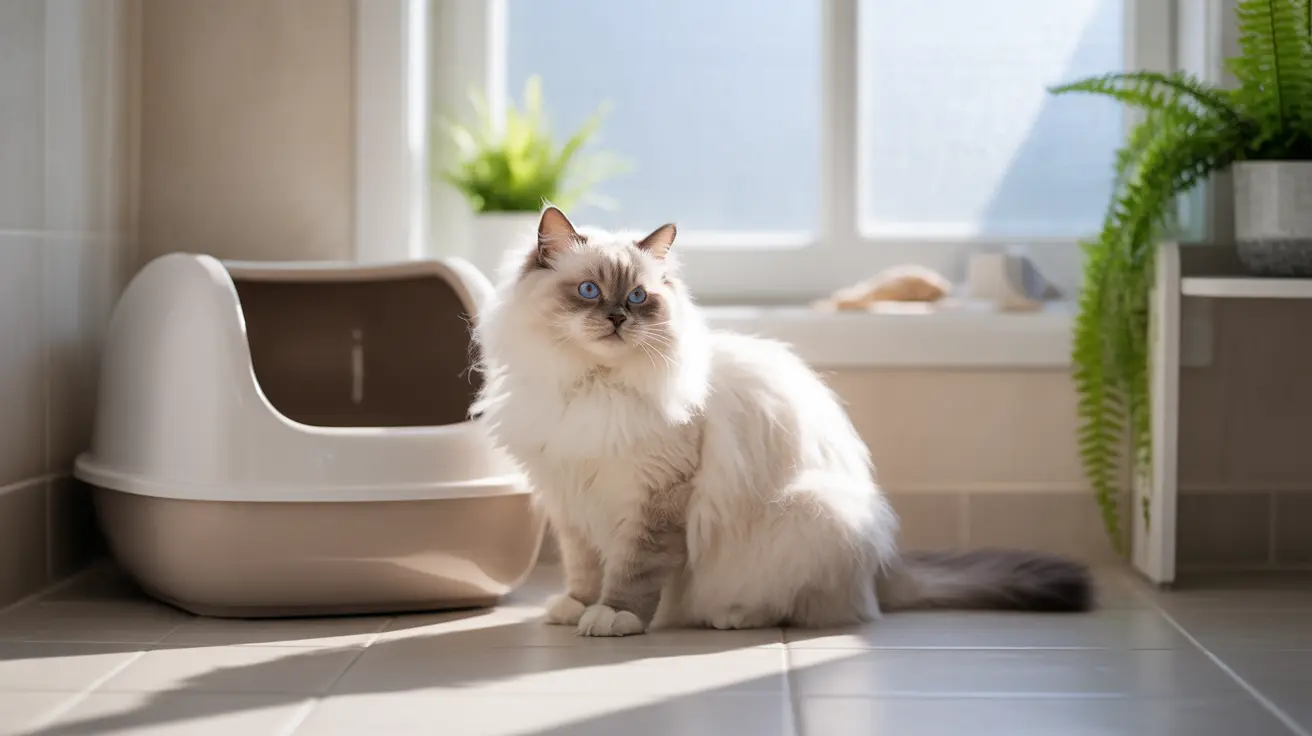
Improving Litter Box Setup
The litter box must be clean and inviting. Scoop waste daily and change litter regularly. Place the box in a quiet, private spot. Some cats prefer uncovered boxes for easy access. Make sure the box is large enough for your cat’s size. Try different types of litter to find what your cat likes.
Reducing Stress Triggers
Stress can cause cats to avoid their litter boxes. Loud noises, new pets, or changes at home can upset them. Create a calm environment with safe hiding spots. Keep routines steady and provide plenty of attention. Pheromone sprays or diffusers may help calm anxious cats.
Positive Reinforcement Techniques
Praise your cat when it uses the litter box. Offer treats or gentle petting as rewards. Avoid punishment, which can increase anxiety. Use a calm voice to encourage good behavior. Consistency and patience build trust and encourage proper habits.
When To Seek Professional Help
Knowing when to seek professional help for a potty trained cat that poops on the floor is important. Some problems need expert care. A vet or animal behaviorist can find the cause. They offer solutions that you might not know.
Early help can stop bad habits from getting worse. Professionals can also check if health issues cause the problem. Don’t wait too long to get advice. The right help can bring peace to your home.
Persistent Issues
If your cat keeps pooping outside the litter box for weeks, it is a sign. Cleaning and training alone may not fix this. Persistent problems might mean a medical or stress issue. Watch for changes in your cat’s behavior or health. A vet visit is important to rule out illness. Persistent issues need a clear plan from a professional.
Behavioral Therapy Options
Sometimes, a cat’s behavior needs special care. A behaviorist can teach your cat new habits. They use gentle training to reduce stress and anxiety. Therapy may include changing the environment or routines. Professionals can guide you on how to support your cat. Behavioral therapy helps both the cat and owner live happily.
Frequently Asked Questions
Why Is My Potty Trained Cat Pooping On The Floor?
Your cat may be stressed, ill, or dislike the litter box. Changes in environment or dirty litter can cause this behavior. Consult a vet to rule out health issues and clean the litter box regularly.
Can Medical Issues Cause A Potty Trained Cat To Poop Outside?
Yes, health problems like urinary infections or digestive issues can cause accidents. A vet visit is essential to diagnose and treat any medical concerns promptly.
How Can I Stop My Cat From Pooping Outside The Litter Box?
Keep the litter box clean and in a quiet place. Use the right type of litter, and reduce stress by maintaining a routine. If problems persist, consult your veterinarian.
Does The Type Of Litter Affect My Cat’s Bathroom Habits?
Yes, cats can be picky about litter texture and scent. Experiment with unscented, clumping litter to find what your cat prefers for consistent use.
Conclusion
A potty trained cat pooping on the floor can feel frustrating. Stress, health, or litter box issues often cause this behavior. Watch your cat closely to find the problem. Keep the litter box clean and in a quiet spot. A vet visit helps rule out any sickness.
Patience and care will help your cat return to good habits. Small changes can make a big difference. Stay calm and give your cat time to adjust. You can fix this problem with love and attention.