
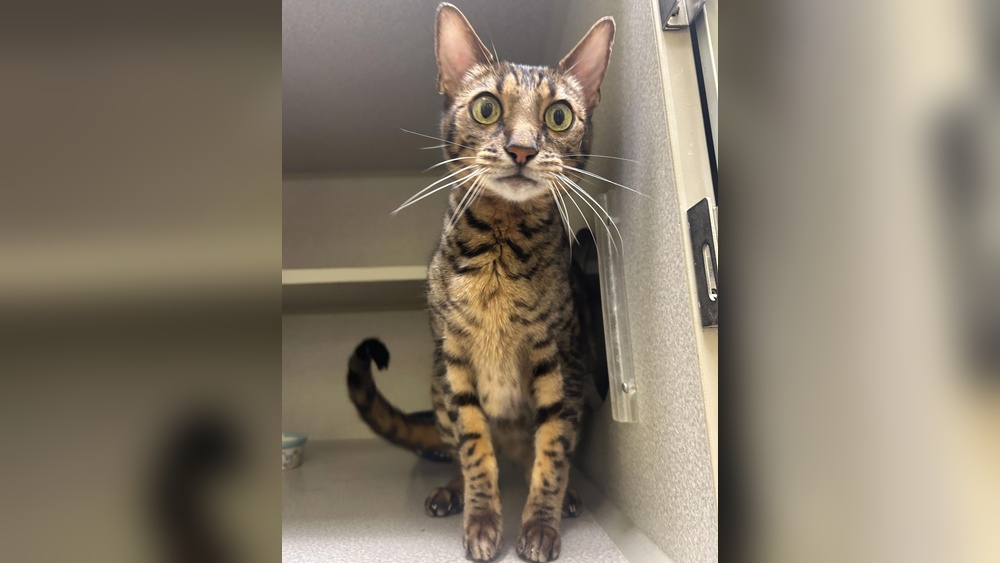
Are you curious if there are any breeds of cats that don’t shed? If you love cats but dread the constant fur on your clothes and furniture, this question might be on your mind a lot.
Imagine having a furry friend who brings joy without leaving a trail of hair everywhere. You’ll discover which cat breeds shed less, what makes them different, and how you can keep your home cleaner while still enjoying the warmth of a loving pet.
Keep reading to find out if the perfect low-shedding cat breed exists for you.
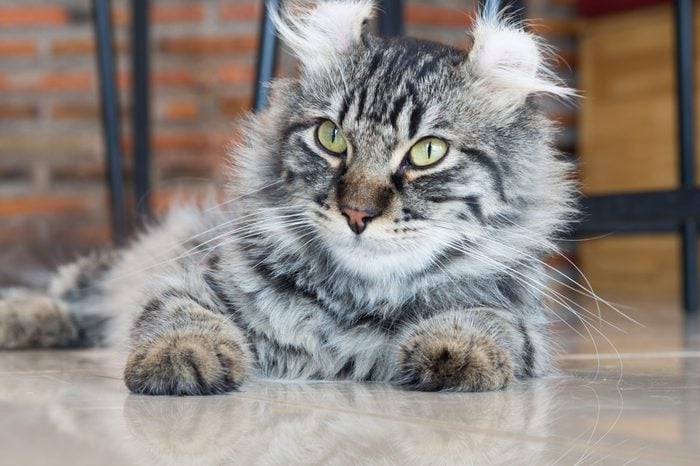
Credit: www.rd.com
Low-shedding Cat Breeds
Low-shedding cat breeds suit people who want less hair around the home. These cats lose very little fur. They help reduce allergies for sensitive owners. Their coats need special care but not much brushing. Finding a low-shedding cat means less cleaning and fewer hairballs.
Sphynx
The Sphynx cat is famous for having almost no hair. Its skin feels warm and soft to touch. This breed needs regular baths to remove oils. The Sphynx is friendly and loves attention. It does not shed fur, making it ideal for clean homes.
Devon Rex
Devon Rex cats have short, curly fur that sheds very little. Their coat feels like velvet and is easy to care for. They are playful and smart pets. Devon Rex cats often seek human company. Their low shedding helps keep furniture clean.
Cornish Rex
Cornish Rex cats have thin, wavy fur that falls out less than others. Their coat is soft and feels like silk. They enjoy running and jumping around the house. This breed does not leave many hairs behind. Cornish Rex cats suit families with mild allergies.

Credit: www.aol.com
Hypoallergenic Cat Options
Many people think cats cause allergies. Yet, some cat breeds cause fewer allergic reactions. These breeds produce less of the allergen proteins. They are called hypoallergenic cats. They are better for sensitive people. Here are some popular hypoallergenic cat options.
Balinese
Balinese cats have long, silky fur. They shed less than other long-haired cats. This means fewer allergens spread in your home. Their calm nature makes them great companions. Balinese cats often suit people with mild allergies.
Russian Blue
Russian Blue cats have dense, short fur. Their coat traps allergens, reducing spread in the air. They produce lower amounts of the allergen Fel d 1. This makes them a good choice for allergy sufferers. Russian Blues are gentle and loyal pets.
Siberian
Siberian cats have thick, water-resistant coats. Despite their fur, they produce less Fel d 1 protein. Many allergy sufferers find Siberians easier to live with. They are playful and friendly cats. Siberians can adapt well to family life.
Traits Of Minimal Shedding Cats
Minimal shedding cats have unique traits that make them ideal for many homes. These cats lose less fur, which keeps your space cleaner. Their coat and grooming habits differ from regular cats. Understanding these traits helps in choosing the right pet.
Coat Types
Minimal shedding cats often have short or curly coats. Some have hair that grows continuously, like the Cornish Rex. Others have fine fur that does not fall out easily. The texture and length affect how much fur they shed.
Grooming Needs
These cats need less brushing than long-haired breeds. Regular grooming keeps their coat healthy and reduces loose hairs. Some breeds require special care due to their unique coat. Grooming also helps spot skin problems early.
Allergen Levels
Minimal shedding cats may produce fewer allergens. Less loose fur means fewer allergen particles in the air. Some breeds are better for allergy sufferers but no cat is fully hypoallergenic. Regular cleaning helps reduce allergens further.
Benefits Of Low-shedding Cats
Low-shedding cats offer many benefits for pet owners. Their fur falls out less often, making life easier and cleaner. These cats suit people with allergies and those who want less mess at home. Choosing a low-shedding cat helps keep your living space neat and your pet care simple.
Allergy Management
Low-shedding cats release fewer allergens into the air. This helps reduce allergy symptoms like sneezing and itchy eyes. People sensitive to cats can enjoy their company with less discomfort. These cats create a safer environment for allergy sufferers.
Home Cleanliness
Less fur means less cleaning around the house. Furniture, clothes, and floors stay cleaner for longer. Dust and hair build-up reduces significantly. This keeps your home looking tidy and fresh every day.
Pet Care Ease
Grooming low-shedding cats takes less time and effort. Brushing is quicker and less frequent. This makes pet care easier for busy owners. It also helps keep your cat comfortable and healthy.
Choosing The Right Cat Breed
Choosing the right cat breed matters a lot. It helps ensure a happy home for both you and the cat. Different breeds have different needs and traits. Knowing these can guide you to the best match. This way, your new pet fits your daily life and personality.
Lifestyle Considerations
Think about your daily routine before choosing a cat. Some breeds need more attention and playtime. Others are fine being alone for hours. Space matters too. Large cats may need bigger rooms to roam. Small apartments suit smaller breeds better. Your lifestyle shapes the best cat choice.
Personality Traits
Cats have many personality types. Some are calm and quiet. Others are playful and talkative. Some breeds love cuddles and closeness. Others prefer independence and quiet time. Match the cat’s personality with your mood and habits. This helps build a strong bond over time.
Health Factors
Different breeds may face certain health issues. Learn about common problems in the breed you want. Regular vet visits keep your cat healthy. Some breeds need special diets or care. Picking a healthy breed can reduce future worries. Always consider the long-term care needs.
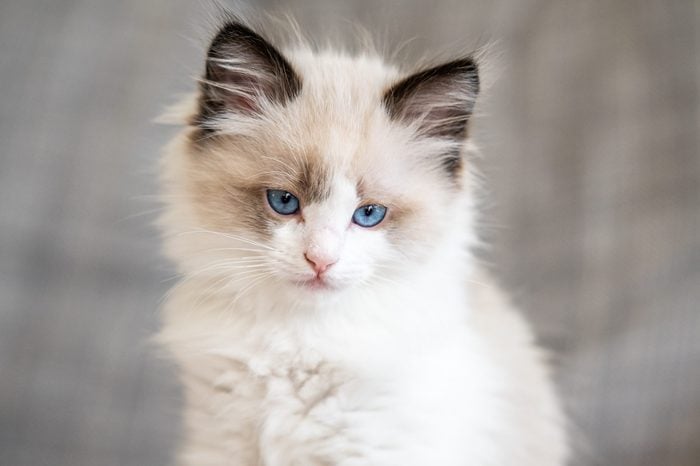
Credit: www.rd.com
Tips To Reduce Shedding In Cats
Shedding is a natural process for cats. It helps them get rid of old or damaged fur. But too much shedding can be a problem in your home. There are simple ways to reduce it. These tips help keep your cat’s coat healthy and your space cleaner.
Regular Grooming
Brush your cat often to remove loose fur. It stops hair from falling around the house. Use a comb made for cats. Brush gently to avoid hurting your pet. Grooming also helps spread natural oils. This keeps the fur shiny and soft.
Diet And Nutrition
Feed your cat a balanced diet. Good food supports healthy skin and fur. Look for meals rich in omega-3 and omega-6 fatty acids. These nutrients reduce shedding and improve coat texture. Fresh water is important too. It keeps your cat hydrated and healthy.
Environment Control
Keep your home clean and dust-free. Use air filters to reduce allergens and fur in the air. Provide a calm space for your cat. Stress can increase shedding. Regular cleaning of your cat’s bed and toys helps as well. These small steps lower fur build-up and keep your home tidy.
Frequently Asked Questions
Are There Cat Breeds That Don’t Shed?
Yes, some cat breeds shed very little. Breeds like the Sphynx, Cornish Rex, and Devon Rex have minimal shedding. These cats are ideal for people with allergies or those who prefer less fur around the house.
Which Cats Are Hypoallergenic And Shed Less?
Hypoallergenic cats include the Siberian, Balinese, and Russian Blue. They produce fewer allergens and shed less fur. However, no cat is completely allergen-free, but these breeds are better for allergy sufferers.
Why Do Some Cats Shed Less Than Others?
Shedding varies by breed, genetics, and coat type. Cats with short, curly, or hairless coats shed less. Environmental factors and grooming habits also influence shedding levels in cats.
Can Grooming Reduce Cat Shedding Effectively?
Regular grooming helps reduce shedding by removing loose fur. Brushing your cat weekly can minimize fur around your home. It also promotes healthy skin and a shiny coat.
Conclusion
No cat breed is completely allergen-free. Some breeds cause fewer reactions. Choosing a cat depends on your comfort and care. Spend time with cats before deciding. Every cat has its own personality. Love and patience help build strong bonds. Caring well keeps both you and your cat happy.
Remember, allergies vary from person to person. Finding the right cat takes time and thought. Enjoy the journey of meeting new feline friends.