
Potty training your outside cat might sound tricky, but it’s easier than you think. Imagine never having to worry about messy litter boxes or unpleasant smells inside your home.
You can give your cat a clean, natural spot to do their business while keeping your yard tidy. In this guide, you’ll discover simple, step-by-step tips to help your cat learn where to go, making life better for both of you.
Ready to make potty time stress-free? Let’s get started!

Credit: www.wikihow.com
Choosing The Right Spot
Choosing the right spot for your outside cat to potty train is very important. The right place helps your cat feel safe and comfortable. It also makes the training easier for both of you. Picking the best spot needs care and attention.
Safe And Accessible Area
Pick a place that is safe from dangers like cars or predators. The area should be easy for your cat to reach anytime. A quiet corner with soft soil is ideal. Your cat should feel calm and secure there. Avoid places with sharp objects or chemicals nearby.
Avoiding High Traffic Zones
Do not choose spots near busy paths or noisy areas. Loud sounds and many people can scare your cat. Your cat may avoid the spot if it feels unsafe. Find a calm place away from children and pets. This helps your cat use the spot without stress.
Credit: www.purina.com
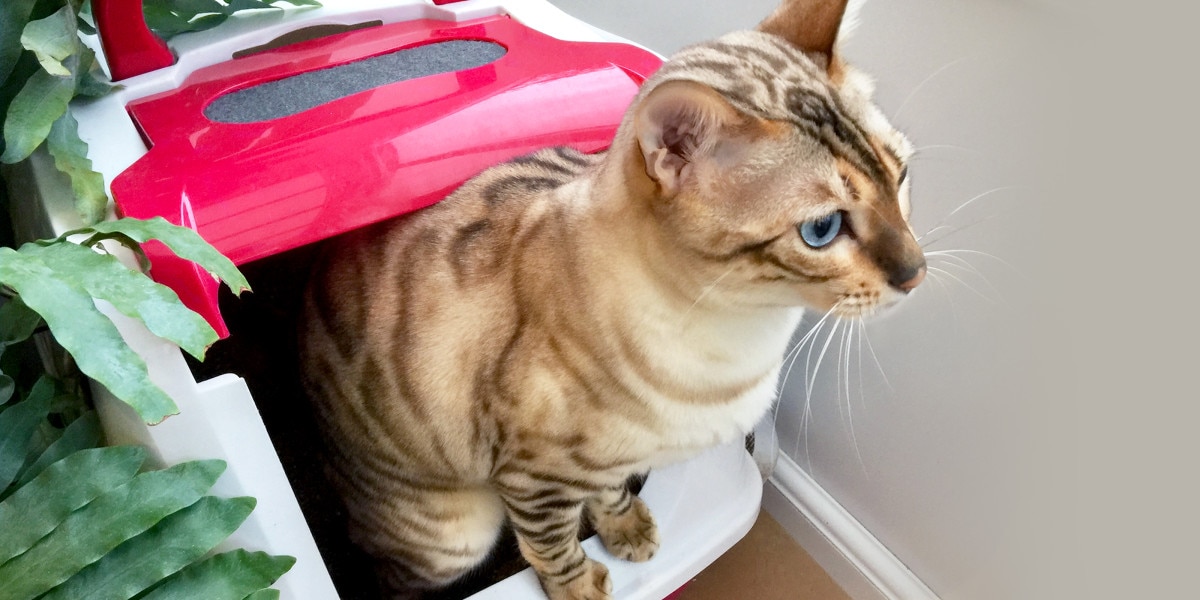
Introducing The Litter Box
Teaching an outside cat to use a litter box takes patience and care. Start by making the box inviting. The cat needs to feel safe and comfortable using it. A good litter box helps your cat learn where to go. It also keeps your yard clean and fresh.
Choose the right litter and place the box in the best spot outdoors. These steps make training easier for both you and your cat.
Selecting The Best Litter
Pick litter that feels natural to your cat’s paws. Clumping litter works well because it stays dry and clean. Avoid strong smells; cats dislike scented litter. Unscented, natural materials like clay or wood pellets are best. This keeps your cat interested and comfortable.
Placing The Box Outdoors
Find a quiet, sheltered spot for the litter box. The area should be easy for the cat to reach. Avoid places with too much sun or wind. Keep the box away from busy paths or loud noises. This helps the cat feel safe and relaxed.
Check the box daily and clean it often. A clean box encourages your cat to keep using it.
Encouraging Use
Encouraging your outside cat to use a designated potty spot takes patience and care. It helps your cat understand where to go and makes training easier. Focus on creating positive experiences and noticing your cat’s habits. This approach builds trust and guides your cat naturally.
Using Positive Reinforcement
Positive reinforcement means giving rewards for good behavior. Praise your cat softly or offer a small treat after it uses the correct spot. This helps your cat link the potty area with good feelings.
Keep rewards immediate to make the connection clear. Avoid punishment, as it can scare your cat and slow progress. Celebrate small successes to keep your cat motivated.
Recognizing Signs Of Readiness
Watch your cat for signals it needs to go outside. Sniffing around, scratching, or restless behavior can mean it is time. Notice these signs early to guide your cat to the right place.
Timing is key. Take your cat to the potty spot when it shows these signs. This helps your cat learn where to go without confusion or stress.
Establishing A Routine
Establishing a routine helps your outside cat learn where to go potty. Cats thrive on regular habits. A steady schedule makes training easier. It also builds trust and comfort for your cat.
Routine helps your cat understand what you expect. It reduces accidents and confusion. Start with simple steps to create a strong foundation.
Consistent Feeding Times
Feed your cat at the same times daily. Regular meals help control bathroom habits. Cats usually need to go potty after eating. Predictable feeding times make it easier to guide them outside.
Keep meal portions steady. Avoid free feeding or random snacks. This consistency sets a clear pattern your cat can follow.
Regular Outdoor Visits
Take your cat outside at set times each day. Choose quiet spots where your cat feels safe. Let your cat explore and find a potty area.
Be patient and calm during outdoor visits. Praise your cat when it uses the right place. Frequent outdoor trips build good habits over time.
Handling Accidents
Accidents happen when potty training an outside cat. It is part of the learning process. Handling these accidents calmly helps your cat learn faster. Proper cleaning and a gentle approach keep your cat comfortable and willing to try again.
Cleaning Techniques
Clean accidents quickly to remove smells. Use an enzyme cleaner designed for pet messes. This breaks down urine and stops your cat from returning to that spot. Avoid ammonia-based cleaners. They smell like urine and confuse your cat.
Blot the area with paper towels first. Then spray the cleaner and let it sit. Wipe it up gently. Repeat if needed. Dry the spot well to prevent mold and odors.
Avoiding Punishment
Never punish your cat for accidents. Cats do not connect punishment with the accident. Punishing makes them scared and stressed. This slows down training progress.
Stay calm and patient. Praise your cat when it uses the right spot. Reward good behavior with treats or affection. Positive reinforcement builds trust and helps your cat learn faster.

Credit: www.wikihow.com
Transitioning Fully Outdoors
Transitioning your cat to use the outdoors for potty needs takes time and care. This step comes after your cat feels safe using a litter box outside. The goal is to help your cat leave the litter box and use the natural ground instead. Patience is key during this phase. Pay close attention to your cat’s habits and comfort.
Gradual Litter Box Removal
Start by moving the litter box farther from your home. Each day, shift it a little more toward the garden or yard. This helps your cat get used to new spots. Slowly reduce the litter inside the box. Use less litter until it is empty. Your cat will learn to use the earth instead of the box.
Monitoring Behavior Changes
Watch your cat’s actions closely after removing the litter box. Look for signs of confusion or accidents. If your cat stops going outside, try returning the box for a short time. Notice where your cat prefers to go. Help your cat find good spots in the yard. Praise your cat for using the outdoors correctly.
Tips For Long-term Success
Keeping your outside cat potty trained takes ongoing care and attention. Small habits make a big difference over time. Staying consistent helps your cat stay comfortable and clean. Some simple steps help keep the training effective for months and years.
Maintaining Cleanliness
Clean the outdoor litter or potty area often. Cats dislike dirty spaces and may stop using them. Remove waste daily to avoid smells and pests. Use fresh soil or sand to keep the area inviting. A clean spot encourages your cat to return regularly. Check for any trash or debris around the area. A tidy space supports your cat’s good habits.
Adapting To Seasonal Changes
Weather changes can affect your cat’s potty habits. In cold or rainy seasons, the ground may become muddy or frozen. Provide a sheltered spot to keep the area dry and warm. Clear snow or leaves so your cat can easily access the space. During hot months, ensure the spot does not get too hot or dry. Adjust the location or materials as needed. Being aware of seasons keeps your cat comfortable and consistent.
Frequently Asked Questions
How Long Does Potty Training An Outside Cat Take?
Potty training an outside cat typically takes 1 to 3 weeks. Consistency and patience speed up the process. Every cat learns at its own pace, so stay calm and positive.
What Supplies Are Needed To Potty Train An Outdoor Cat?
You need a litter box, suitable outdoor location, and cat litter. Ensure the spot is quiet, clean, and easy for your cat to access.
Can Outdoor Cats Use Indoor Litter Boxes?
Yes, outdoor cats can use indoor litter boxes if introduced gradually. Place the box near the door and slowly move it outside.
How To Encourage A Cat To Use A Specific Potty Spot?
Use positive reinforcement like treats and praise. Keep the area clean and consistent to help your cat recognize the spot.
Conclusion
Potty training an outside cat takes patience and care. Start with a small, clean area for the cat to use. Watch your cat’s habits and guide them gently. Praise them when they use the right spot. Keep the area tidy to encourage good behavior.
Remember, every cat learns at its own pace. Stay calm and consistent throughout the process. Soon, your cat will use the outdoor potty spot regularly. This helps keep your yard clean and your cat happy. Simple steps lead to good results.
Keep trying, and success will come.