
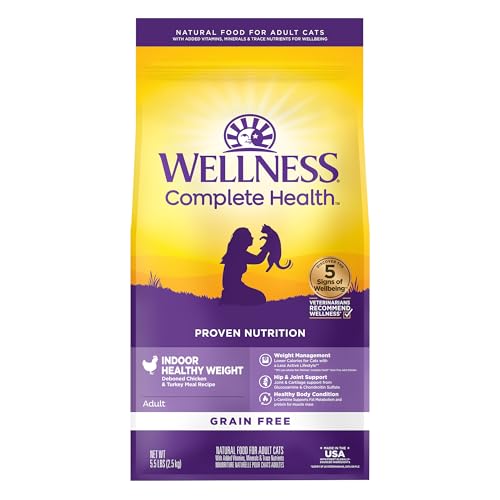
Cat food and dog food serve different nutritional needs. Choosing the right one matters for your pet’s health.
Cats and dogs have unique diets. Cats need more protein and certain nutrients like taurine. Dogs eat a more varied diet with carbohydrates and fats. Their bodies digest food differently. Feeding the wrong food can cause health problems. Pet owners must know these differences to keep pets healthy.
This guide compares cat food and dog food clearly. It helps you understand what each pet needs. Knowing this helps you pick the best food. Keep your furry friend happy and strong with the right diet. Simple choices make a big difference in their life.


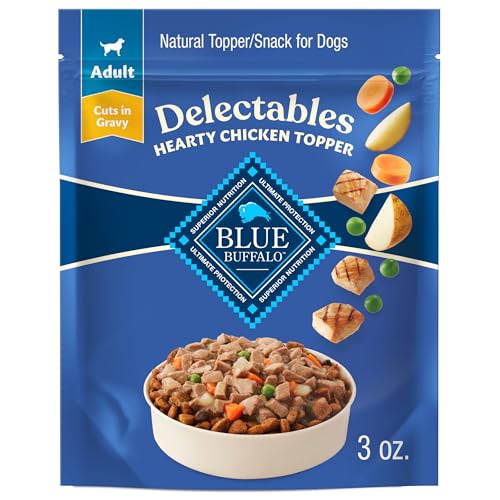
Buying Guide On Compare Between Cat Food And Dog Food
1. Nutritional Needs Differ
Cats need more protein than dogs do. Cat food has extra protein and fat. Dogs require fewer proteins and more carbohydrates. Feeding the wrong food can cause health problems.
2. Ingredient Differences Matter
Cat food contains taurine, essential for cat health. Dog food usually lacks taurine. Cats also need more vitamin A from animal sources. Dog food has different vitamins suited for dogs.
3. Texture and Flavor Vary
Cats prefer stronger flavors and softer textures. Dog food often has milder taste and crunchier texture. Using the right texture helps pets eat better. Taste matters for their appetite and enjoyment.
4. Feeding Frequency Is Unique
Cats often eat small meals several times daily. Dogs usually eat one or two larger meals. Feeding habits affect digestion and energy levels. Matching food to feeding style is important.
5. Health Risks from Wrong Food
Giving dog food to cats can cause taurine deficiency. Cats may develop heart or eye problems. Feeding cat food to dogs can upset their stomach. Always choose species-specific food for safety.
6. Cost and Availability
Cat food can be more expensive than dog food. Specialized ingredients raise the cost. Dog food often comes in larger packages. Consider budget and availability when buying.
7. Packaging and Serving Sizes
Cat food often comes in smaller cans or pouches. Dog food is available in bigger bags or cans. Proper portion sizes prevent overfeeding or waste. Packaging suits each pet’s eating habits.
8. Special Diets and Allergies
Both cats and dogs may need special diets. Food allergies differ between species. Some cat foods focus on hairball control. Dog foods may target joint health or weight. Know your pet’s health needs before buying.
Conclusion
Cat food and dog food serve different needs for each pet. Cats need more protein and certain nutrients like taurine. Dogs can eat a wider variety of foods and need more fiber. Feeding the right food helps keep pets healthy and happy.
Giving dog food to cats or cat food to dogs can cause health problems. Always choose food made for your pet’s species. Check labels to see ingredients and nutritional values. Quality matters more than brand names. Balanced meals support growth, energy, and strong immune systems.
Remember, pets rely on us for their nutrition. Knowing the key differences helps you make smart choices. Keep your furry friends safe with proper feeding. Simple changes in diet can improve their life. Healthy pets mean joyful pets. That is what every pet owner wants.
Leave a Reply