
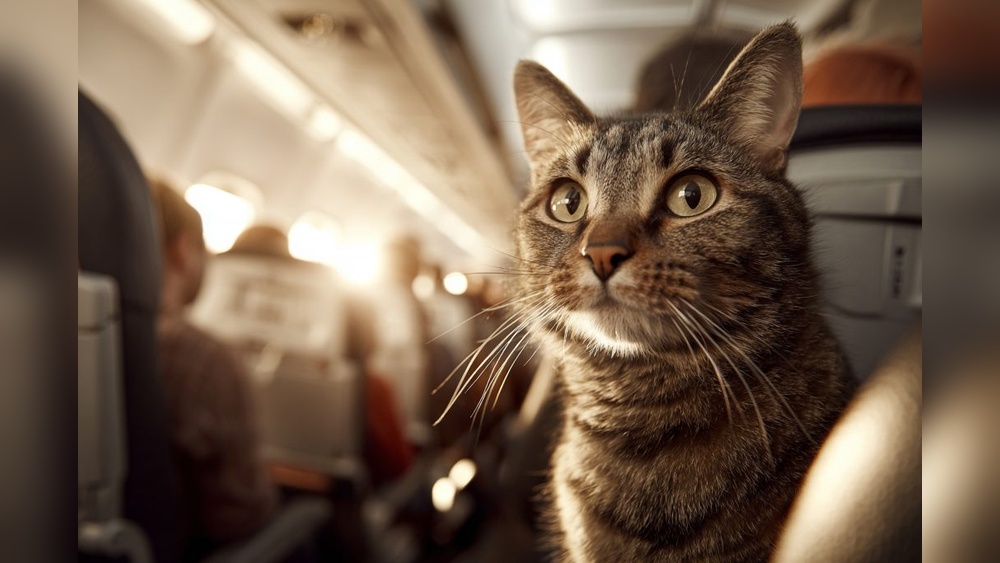
Traveling by plane with your cat can feel overwhelming. You want your furry friend to be safe, calm, and comfortable throughout the trip.
But how do you make that happen? What steps do you need to take before, during, and after the flight? If you’ve ever worried about how your cat will handle air travel, this guide is for you. Keep reading to discover simple, effective tips that will help you and your cat fly stress-free.
Choosing The Right Carrier
Choosing the right carrier for your cat is a key step before flying. The carrier must keep your cat safe and calm. It should fit your cat well and follow airline rules. A good carrier also helps with air flow and security. This guide will help you find the best carrier for your pet’s travel needs.
Size And Comfort
The carrier must be big enough for your cat to stand and turn. Your cat should lie down comfortably inside. Soft padding or a blanket makes the carrier cozy. Avoid carriers that are too tight or too loose. Comfort helps reduce stress during the flight.
Airline Regulations
Airlines have specific rules for pet carriers. Check the size limits for cabin or cargo travel. Some airlines require soft-sided carriers only. Look for carriers with secure zippers or locks. Follow these rules to avoid problems at the airport.
Ventilation And Security
Good airflow is important to keep your cat cool. Choose a carrier with mesh panels or vents on multiple sides. The carrier must be strong and hard to open by accident. A secure carrier protects your cat from escapes and injuries.
Credit: www.businessinsider.com
Booking Your Flight
Booking your flight is the first big step to travel with your cat. It needs careful thought and planning. Your choices can affect your cat’s comfort and safety during the trip. Take time to understand airline rules and options. This will make the journey smoother for both you and your pet.
Direct Flights Vs Layovers
Direct flights reduce travel time and stress for your cat. Less moving around means less chance of your cat getting scared or lost. Layovers can increase travel time and risk. Changing planes means more handling and noise. Choose direct flights whenever possible for a calmer trip.
Pet Fees And Policies
Every airline has different rules about pets. Some allow cats in the cabin, others only in cargo. Check the pet fees too. These can vary widely and affect your budget. Read the rules carefully. Know the carrier size limits and health requirements. This helps avoid surprises at the airport.
Early Reservations
Book your pet’s spot early. Airlines often limit the number of pets per flight. Early booking secures a place for your cat. It also gives you time to prepare all documents. Confirm your reservation a few days before travel. This keeps your plans on track and stress-free.
Preparing Your Cat
Preparing your cat for air travel takes time and care. Start early to make the trip smooth for your pet. Cats can get stressed easily. Proper preparation helps reduce their anxiety.
Health Check And Vaccinations
Visit the vet before traveling. Make sure your cat is healthy and fit to fly. Check for any signs of illness. Ask your vet about required vaccinations. Keep vaccination records handy during travel. Your cat might need a health certificate for the airline. This ensures your pet meets all health rules.
Familiarizing With The Carrier
Introduce the carrier days before the flight. Let your cat explore it freely at home. Place soft bedding inside for comfort. Put treats or toys in the carrier. This creates a positive feeling. Practice short stays inside the carrier. This helps your cat get used to the space. A calm cat inside the carrier travels better.
Feeding And Hydration Tips
Feed your cat a light meal a few hours before the flight. Avoid heavy food that might upset the stomach. Offer water regularly to keep your cat hydrated. Do not overfeed just before traveling. Bring a small water bottle and bowl for the journey. Staying hydrated helps your cat feel better during travel.
Day Of Travel Tips
Traveling by plane with a cat can be stressful for both you and your pet. The day of travel needs careful planning. Follow these tips to make the day smoother and safer for your cat.
Arriving Early At The Airport
Arrive at the airport at least two hours before your flight. This extra time helps avoid rushing and stress. You can handle check-in and security calmly. Your cat will also have time to adjust to the new environment.
Security Screening Procedures
At security, you must take your cat out of its carrier. Carry your cat in your arms or use a leash. The carrier goes through the X-ray machine. You walk through the metal detector without the cat. Stay calm to keep your cat calm.
Keeping Your Cat Calm
Speak softly to your cat during the trip. Cover the carrier with a light cloth to reduce noise and sights. Avoid feeding your cat just before the flight to prevent upset stomach. Bring a familiar toy or blanket for comfort.
In-flight Care
Taking a cat on a plane needs special care during the flight. Cats feel stressed by noise, movement, and strange places. Good in-flight care helps your cat stay calm and safe. It keeps them comfortable and reduces fear. Here are key tips to care for your cat while flying.
Managing Noise And Movement
Planes are loud and shaky. Cats may get scared by engine sounds and bumps. Use a soft, cozy carrier to block some noise. Cover the carrier with a light cloth to make a dark space. Speak softly to your cat to calm them down. Avoid sudden movements near the carrier to keep your cat relaxed.
Hydration And Comfort
Cats can get thirsty and hot during flights. Offer small amounts of water before and during the flight. Avoid feeding large meals right before flying to prevent nausea. Add a soft blanket or your cat’s favorite toy inside the carrier. This adds comfort and a familiar smell. Check on your cat often but do not open the carrier mid-flight.
When To Seek Assistance
Watch your cat for signs of distress like heavy panting or vomiting. If your cat acts very restless or quiet, ask the flight crew for help. Flight attendants can provide water or help calm your pet. Always keep your cat’s health papers and emergency contacts ready. Quick action can prevent serious problems during the flight.
After Landing
After landing, your cat needs gentle care and attention. The trip can be stressful for them. The moments after the flight are important for their comfort and safety. Follow these steps to help your cat adjust quickly.
Safe Extraction From The Carrier
Keep calm and move slowly. Find a quiet spot before opening the carrier. Open the carrier door carefully. Let your cat come out on their own. Avoid forcing or grabbing them. Use a leash if your cat wears one. This prevents sudden escapes in busy airports.
Settling Your Cat
Provide a calm, quiet space right after the flight. Offer a small bowl of water. Some cats may want to eat or rest. Use a familiar blanket or toy from home. This helps your cat feel safe and comfortable. Stay close and speak softly to soothe them.
Post-flight Health Monitoring
Watch your cat for signs of stress or illness. Look for heavy breathing, vomiting, or lethargy. Check their eyes and nose for discharge. Keep an eye on their appetite and energy. Contact a vet if you notice unusual behavior. Early care helps your cat recover faster.
Additional Tips For Stress-free Travel
Traveling with a cat by plane can be challenging. Stress can affect both you and your pet. Using some extra tips helps keep your cat calm and safe. These tips cover calming products, travel documents, and pet travel services.
Using Calming Products
Calming sprays and collars can help reduce your cat’s anxiety. Natural options like pheromone sprays mimic comforting scents. These products create a sense of safety for your cat. Try these products a few days before travel. Watch how your cat reacts to avoid surprises on the plane.
Travel Documentation
Carry all necessary documents for your cat’s travel. This includes health certificates and vaccination records. Airlines may ask for proof of these documents. Prepare them well in advance to avoid last-minute stress. Keep documents in an easy-to-reach place during your trip.
Considering Pet Travel Services
Some airlines offer special services for pet travel. These services include dedicated pet handlers or quieter cabins. Check with your airline about pet travel options. Choosing these services can make the journey smoother for your cat. It also gives you peace of mind during the flight.

Credit: www.reddit.com
Credit: www.newsweek.com
Frequently Asked Questions
How Do I Prepare My Cat For Plane Travel?
Prepare your cat by visiting the vet for a health check and vaccinations. Use a comfortable carrier and bring familiar items. Ensure your cat eats lightly before the flight and stays hydrated. Practice short trips to get your cat accustomed to the carrier.
What Are Airline Rules For Traveling With Cats?
Airlines require cats to be in approved carriers that fit under the seat. Some airlines allow cats in the cabin; others require cargo travel. Always check specific airline policies, fees, and documentation requirements before booking your flight.
Can I Keep My Cat In The Cabin During The Flight?
Many airlines allow small cats in the cabin if they remain in a carrier under the seat. Confirm with the airline, as rules vary. Keep your cat calm and comfortable during the flight to reduce stress.
What Should I Pack For Flying With My Cat?
Pack essentials like food, water, a small bowl, a leash, waste bags, and familiar toys. Include any medications and a health certificate. Having these items ensures your cat stays comfortable and safe during travel.
Conclusion
Traveling by plane with a cat needs careful planning and calm. Choose a comfortable carrier that fits airline rules. Keep your cat calm with familiar toys and treats. Always carry important documents like health certificates. Arrive early to avoid rush and stress.
Speak softly to your cat during the trip. Small steps make travel easier for both of you. With patience and care, flying with your cat is possible. Safe travels and happy adventures together!