
Traveling long distances with your cat can feel overwhelming. You want to keep your furry friend safe, calm, and comfortable, but you’re not sure where to start.
What if your cat gets scared or stressed? How do you prepare for the trip? This guide will walk you through simple, effective steps to make your journey smooth for both you and your cat. By the end, you’ll feel confident and ready to hit the road without worry.
Keep reading to discover the secrets to stress-free long distance travel with your cat.

Credit: technomeow.com
Preparing Your Cat For Travel
Preparing your cat for long distance travel takes time and care. It helps reduce stress for both you and your pet. Start early to make the journey smooth and safe. Focus on health checks, the right gear, and familiarizing your cat with travel tools. This way, your cat feels calm and ready for the trip ahead.
Visit The Veterinarian
Schedule a vet visit before the trip. The vet checks your cat’s health and updates vaccines. Ask about travel-related health tips. Discuss motion sickness and calming options. A health certificate may be needed for some travel routes. Keep all documents handy during the journey.
Choose The Right Carrier
Select a carrier that suits your cat’s size and comfort. It should be sturdy, well-ventilated, and easy to carry. Soft-sided carriers work well for some cats. Hard-sided carriers offer better protection in others. Ensure the carrier has secure locks to prevent escapes.
Familiarize Your Cat With The Carrier
Introduce the carrier days before traveling. Place it in a quiet room with the door open. Put familiar blankets or toys inside to invite your cat. Let your cat explore at its own pace. Reward calm behavior with treats or gentle praise. This reduces fear and builds trust in the carrier.

Credit: technomeow.com
Packing Essentials For Your Cat
Packing for a long-distance trip with your cat needs careful planning. Your cat will rely on you for food, comfort, and safety. Bringing the right items can make the journey less stressful for both of you. Prepare well to keep your cat happy and calm throughout the travel.
Food And Water Supplies
Bring enough food for the entire trip. Use familiar brands your cat likes. Pack dry food and some wet food for variety. Carry fresh water in a spill-proof bottle. A small bowl or portable feeder helps with feeding on the go. Feeding your cat regularly keeps energy levels steady.
Comfort Items
Comfort items help your cat feel secure. Pack a favorite blanket or towel with your cat’s scent. Include a small toy your cat enjoys. A soft bed or cushion makes resting easier. These familiar items reduce anxiety during travel stops.
Health And Safety Kit
A health kit is essential for emergencies. Pack any medicines your cat needs. Include a basic first aid kit with bandages and antiseptic wipes. Bring a copy of your cat’s medical records. Don’t forget your cat’s collar with ID tags. A leash or harness helps keep your cat safe outside the carrier.
Traveling By Car With Your Cat
Taking your cat on a car trip needs careful planning. Cats feel safe in familiar spaces. A car can be strange and noisy for them. Preparing well can make the trip smooth for both of you.
Comfort and safety matter most. Small steps help your cat stay calm and relaxed. Learn how to set up your car, manage breaks, and keep your cat calm.
Car Setup Tips
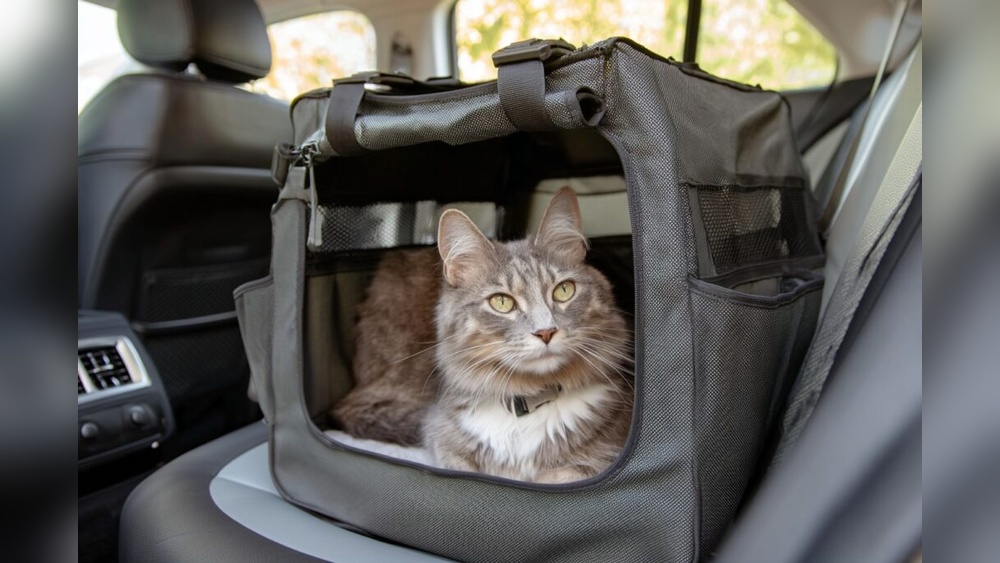
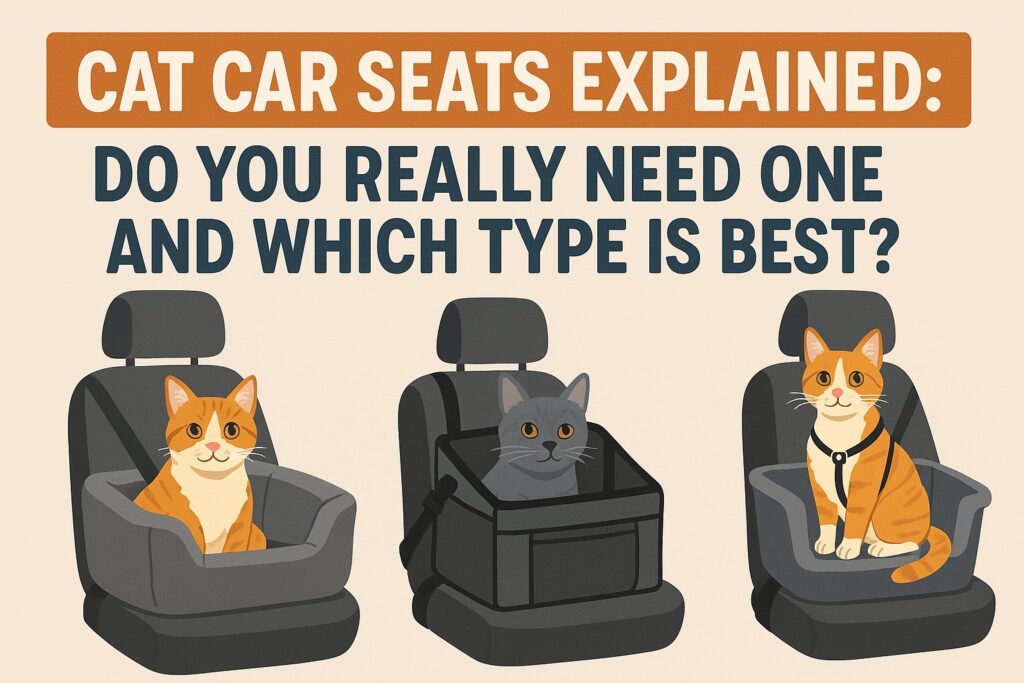
Use a sturdy cat carrier. Place it where your cat feels secure. Seat belts can hold the carrier in place. Cover the carrier with a light cloth. This reduces outside noise and sights. Keep water and a small blanket inside. Avoid letting your cat roam free in the car. It can distract you and stress your cat.
Managing Stops And Breaks
Plan breaks every two to three hours. Use a quiet and safe spot for stops. Never open the carrier with doors open wide. Keep your cat inside the carrier during breaks. Let your cat drink water and rest. Do not try to feed your cat in the car. Sudden movements can cause motion sickness.
Keeping Your Cat Calm
Speak softly to your cat during the trip. Use familiar toys or blankets in the carrier. Avoid loud music or sudden noises. Try playing soft, calming sounds. Keep the car temperature comfortable. If your cat shows signs of stress, pause and comfort them gently. Avoid giving your cat food right before travel to reduce nausea.
Flying With Cats
Flying with cats can be a smooth experience with the right planning. Cats feel safest in familiar carriers. Preparing them and yourself helps reduce stress. Knowing the steps before and during the flight makes travel easier for both.
Booking Pet-friendly Flights
Choose airlines that allow cats in the cabin. Check their pet policies carefully. Some airlines limit the number of pets per flight. Book early to secure a spot for your cat. Ask about carrier size rules. Confirm if health certificates are required. Plan flights with fewer connections for less stress.
Airport Procedures
Arrive early to handle pet check-in smoothly. Keep your cat inside the carrier at all times. Expect security checks where you remove your cat. Prepare to carry the empty carrier through scanners. Follow staff instructions carefully. Give your cat water before the flight. Keep the carrier covered with a light cloth to calm your cat.
In-flight Care
Place the carrier under the seat in front of you. Avoid opening the carrier during the flight. Talk softly to your cat if needed. Offer water during long flights using a small dish. Avoid feeding just before flying to prevent nausea. Keep the cabin calm and quiet. Monitor your cat’s behavior without disturbing them.
Train And Bus Travel Tips
Traveling with cats on trains and buses can be smooth with the right steps. Cats feel safe in quiet, calm spaces. Planning ahead helps reduce stress for both you and your pet. Here are key tips to make your journey easier and more comfortable.
Booking And Seating Arrangements
Book tickets early to get the best seats. Choose a seat near a window or in a quiet car. Some companies allow pets only in specific areas. Check pet policies before buying tickets. Reserve a spot that gives your cat enough space.
Handling Noise And Crowds
Trains and buses can be noisy and crowded. Use a soft blanket or cover to shield your cat’s carrier. This helps block loud sounds and bright lights. Speak softly to your cat to keep them calm. Avoid busy times to reduce exposure to crowds.
Ensuring Comfort During The Journey
Bring familiar items like a favorite toy or blanket. Keep your cat in a secure carrier at all times. Offer water and small snacks during breaks. Check on your cat regularly without opening the carrier. A calm environment helps your cat relax and enjoy the trip.
Credit: purrfectinsights.com
Managing Stress And Anxiety
Traveling long distance with cats can cause stress and anxiety. Cats do not like changes in their environment. Loud noises, strange smells, and unfamiliar places can frighten them. Managing this stress is important for a smooth trip. Calm cats handle travel better and stay healthier.
Natural Calming Techniques
Try gentle massage to soothe your cat’s muscles. Speak softly to keep your cat calm. Offer favorite toys or blankets with familiar smells. Play quiet, relaxing music to create a calm atmosphere. Keep the carrier covered with a light cloth to reduce visual stress.
Using Pheromone Products
Pheromone sprays and diffusers mimic natural cat calming signals. Spray the carrier or use a diffuser before travel. These products help reduce anxiety and make cats feel safe. Use pheromones a few hours before the trip for best results. Many pet stores sell safe, vet-approved pheromone products.
When To Consider Medication
Some cats need extra help to stay calm. Talk to your vet about mild sedatives or anti-anxiety meds. Only use medication under veterinary guidance. Medication is best for very anxious cats or long trips. Always test medication before the journey to check for side effects.
Settling In After Arrival
Arriving at a new place can be stressful for cats after long-distance travel. They need time to adjust and feel safe. Settling in helps reduce their anxiety and helps them feel at home quickly. This section explains how to help your cat settle in after arrival.
Creating A Safe Space
Set up a quiet room for your cat first. Include their bed, litter box, food, and water. Keep the room calm and free from loud noises. Let your cat explore this space at their own pace. Avoid forcing interaction. This safe space gives comfort and security.
Re-establishing Routines
Cats feel better with familiar routines. Feed them at usual times and play with them gently. Keep their daily habits like grooming and sleeping consistent. Routines build trust and reduce stress. Your cat will start to feel normal again.
Monitoring Health Post-travel
Watch your cat for signs of illness or stress. Check appetite, energy, and bathroom habits. Travel can cause upset stomachs or dehydration. Contact a vet if you see unusual behavior or symptoms. Early care helps your cat recover faster.
Frequently Asked Questions
How Can I Prepare My Cat For Long Distance Travel?
Start by visiting the vet for a health check and vaccinations. Get a comfortable carrier and familiarize your cat with it. Pack essentials like food, water, and toys. Plan frequent breaks for bathroom and hydration. Keep your cat calm with familiar scents and gentle handling.
What Is The Best Carrier For Traveling With Cats?
Choose a sturdy, well-ventilated carrier with secure locks. It should be large enough for your cat to stand and turn around. Soft-sided carriers offer comfort but hard-sided ones provide better protection. Ensure the carrier fits under airplane seats if flying.
Comfort and safety are key.
How Do I Keep My Cat Calm During Travel?
Use calming sprays or pheromone diffusers inside the carrier. Talk softly to your cat and avoid loud noises. Offer familiar blankets or toys for comfort. Keep the environment stable and avoid sudden movements. Consult your vet about mild sedatives if necessary.
Can I Feed My Cat Before And During Travel?
Feed your cat a light meal 3-4 hours before departure to avoid motion sickness. Offer water to keep them hydrated but avoid overfeeding. During travel, provide small meals or treats if the journey is long. Avoid feeding right before moving to prevent nausea.
Conclusion
Traveling long distance with cats takes planning and care. Keep your cat calm and comfortable during trips. Bring familiar items like toys and blankets for comfort. Regular breaks help reduce stress for your pet. Always ensure safety in carriers and vehicles.
With patience and attention, your cat can enjoy the journey too. Safe travels create happy memories for both of you.