

Taking your cat on a long road trip can feel overwhelming. You want your furry friend to be safe, calm, and comfortable during the ride.
But how do you make that happen? If you’ve ever worried about how your cat will handle hours in the car, you’re not alone. This guide will walk you through simple, effective steps to keep your cat happy and stress-free on the road.
Keep reading, and you’ll discover tips that can turn your trip into a smooth adventure for both you and your feline companion.
Credit: www.rd.com
Preparing Your Cat For The Trip
Preparing your cat for a long road trip takes time and care. Cats feel safe in familiar places. Sudden changes can stress them out. Getting your cat ready helps the trip go smoothly. Start early to avoid last-minute stress. Small steps make a big difference for your cat’s comfort.
Choosing The Right Carrier
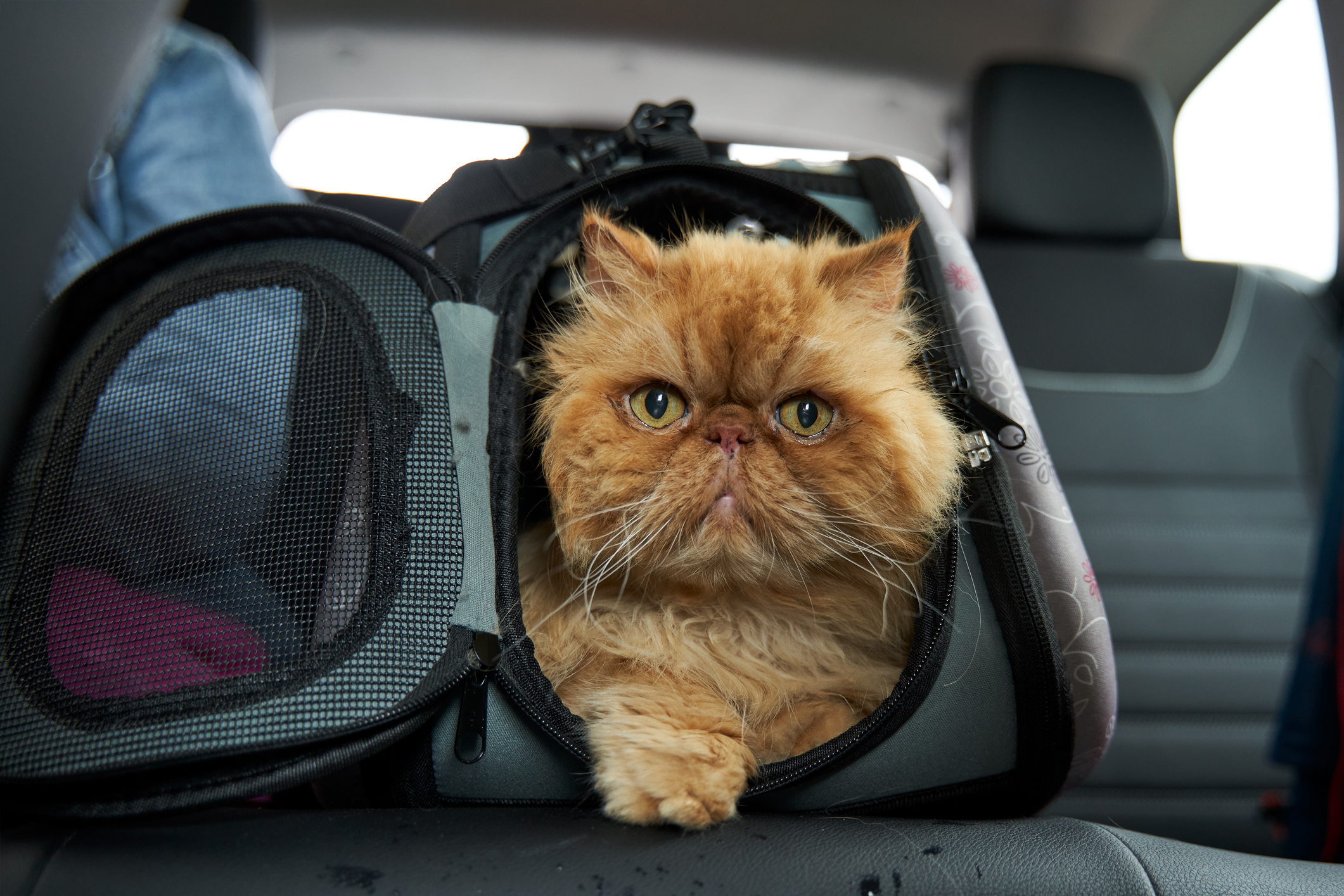
Pick a carrier that is sturdy and well-ventilated. It should be large enough for your cat to turn around. Soft carriers feel cozy but hard ones offer better protection. Choose a carrier with secure locks and easy access. Make sure it fits well in your car. Comfort and safety are the main goals.
Familiarizing Your Cat With The Carrier
Let your cat explore the carrier before the trip. Place treats and toys inside to create a positive space. Leave the carrier open in your home for several days. Try short sessions of sitting inside with the door closed. Slowly increase the time to build comfort. This reduces fear during travel.
Health Check And Vet Visit
Visit the vet before the trip for a health check. Make sure vaccinations and flea treatments are up to date. Ask the vet for advice about travel sickness or anxiety. Get a health certificate if required for travel. Carry any medicines your cat needs. Healthy cats handle trips better.
Packing Essentials For Your Cat
Bring food, water, and bowls for your cat. Pack a small litter box or pads for accidents. Carry a favorite blanket or toy for comfort. Include a leash and harness for safety outside the car. Keep a first aid kit ready for emergencies. Prepare everything in advance to avoid stress.
Credit: www.breedercelectcats.co.uk
Planning The Road Trip Route
Planning the road trip route is a key step to keep your cat calm and safe. A good route helps reduce stress and makes the journey smooth. Careful planning means fewer surprises and happier travel for both you and your cat.
Selecting Cat-friendly Stops
Choose stops where your cat can rest quietly. Look for places with shade and low noise. Parks or pet-friendly rest areas work well. Avoid busy, crowded places that may scare your cat. A calm stop helps your cat relax and stretch.
Timing Breaks For Feeding And Litter
Plan breaks around your cat’s feeding and litter needs. Cats need regular meals and clean litter boxes. Stop every two to three hours to feed and clean. This keeps your cat comfortable and prevents accidents. Set a calm, quiet spot for these breaks.
Avoiding Stressful Traffic Hours
Drive during hours with less traffic. Early mornings or late evenings usually have less noise. Avoid rush hours and busy highways. Less traffic means a smoother ride and less stress. A peaceful drive helps your cat stay calm and relaxed.
Ensuring Comfort During The Drive
Traveling with a cat on a long road trip needs careful planning. Comfort during the drive is key. A calm cat makes the journey easier for everyone. Small steps help your cat feel safe and relaxed.
Prepare your car and carrier well. Keep the environment stable and soothing. These actions reduce stress for your furry friend.
Setting Up The Carrier Inside The Car
Choose a sturdy carrier with enough space for your cat. Place soft blankets or towels inside. Add a familiar item, like a favorite toy or cloth. Secure the carrier with a seatbelt or place it on a flat surface. This prevents sudden movements during the ride. Position the carrier where your cat can see you but avoid direct sunlight.
Maintaining Comfortable Temperature
Keep the car temperature steady between 65 and 75 degrees Fahrenheit. Avoid hot or cold drafts on your cat. Use air conditioning or heating as needed. Open windows slightly for fresh air but not enough to cause a breeze inside the carrier. Monitor your cat for signs of overheating or coldness.
Using Calming Aids And Toys
Offer toys your cat enjoys to keep it busy. Soft chew toys or small balls work well. Consider natural calming aids like pheromone sprays or collars. Use them before and during the trip. Speak softly to soothe your cat. Avoid loud noises or sudden movements that might scare it.
Managing Feeding And Hydration
Managing your cat’s feeding and hydration during a long road trip is very important. Proper care helps keep your cat calm and healthy. Cats can get stressed or sick without regular meals and water. Planning feeding times and water breaks makes the trip smoother.
Choosing The Right Food For Travel
Select food that is easy to digest and familiar to your cat. Avoid new or rich foods before the trip. Dry kibble is a good choice because it is less messy. Wet food can be given but only in small amounts. Bring extra food in case of delays or emergencies.
Scheduling Meals And Water Breaks
Feed your cat at regular times to keep routine. Offer small meals instead of one big meal. Provide fresh water often to avoid dehydration. Stop every few hours to let your cat drink and rest. Never force your cat to eat or drink if it refuses.
Preventing Motion Sickness
Motion sickness makes cats feel uncomfortable and may cause vomiting. Feed your cat light meals before travel and avoid heavy food. Keep the car cool and quiet to reduce stress. Let your cat look outside or rest in a cozy carrier. Consult your vet about medicines if your cat gets sick often.
Handling Emergencies On The Road
Traveling with a cat on a long road trip requires extra care. Emergencies can happen anytime. Being ready helps you keep your cat safe and calm. Knowing what to do eases stress for both of you.
First Aid Kit For Cats
Prepare a first aid kit before the trip. Include items like bandages, tweezers, and antiseptic wipes. Add a digital thermometer and any medicines your cat needs. Keep the kit within easy reach during the drive. This kit can help you handle small injuries quickly.
Locating Nearby Veterinarians
Plan your route with vet clinics marked on the map. Use apps or websites to find vets near your stops. Save their contact details in your phone. Knowing where to go saves time in an emergency. Do this before the trip starts to avoid panic.
Signs Of Stress Or Illness To Watch For
Watch your cat closely for signs of trouble. Panting, drooling, or hiding may show stress. Vomiting, diarrhea, or lethargy can mean illness. Sudden changes in behavior need quick attention. Acting fast can prevent serious problems on the road.
Settling Your Cat At Stops And Overnight
Stopping during a long road trip gives your cat a chance to relax and feel safe. Cats need familiar spaces to reduce stress. Settling them well at stops and overnight stays helps them stay calm. This part focuses on how to make your cat comfortable outside the car. Small efforts make a big difference in your cat’s mood and health during the trip.
Creating A Safe Space In Hotels
Choose a quiet corner in the hotel room for your cat. Use a familiar blanket or bed from home. Keep their carrier open for a safe retreat. Avoid loud noises and sudden movements near your cat. Close doors and windows to prevent escapes. Let your cat explore the new room slowly. Stay nearby to offer comfort and reassurance. A calm space helps your cat adjust quickly.
Managing Litter Box Needs
Bring a portable litter box on the trip. Place it in a quiet, easy-to-find spot in the hotel room. Use the same type of litter your cat uses at home. Clean the litter box daily to avoid odors and mess. Carry extra litter and bags for waste disposal. A clean litter box keeps your cat comfortable and healthy. This reduces accidents and stress during stops.
Keeping A Routine To Reduce Anxiety
Feed your cat at the same times every day. Stick to their usual feeding schedule as much as possible. Play and pet your cat regularly to keep them calm. Keep bedtime and wake-up routines consistent. Use familiar toys to keep your cat entertained. A steady routine creates a sense of normalcy. This helps lower anxiety during travel and stops.

Credit: technomeow.com
Frequently Asked Questions
How To Prepare My Cat For A Long Road Trip?
Start by gradually getting your cat used to the car. Pack familiar items like their blanket and toys. Ensure their carrier is secure and comfortable. Bring enough food, water, and litter. Schedule breaks for your cat to relax safely.
What Are The Best Cat Carriers For Road Trips?
Choose a sturdy, well-ventilated carrier with secure locks. Soft-sided carriers are lightweight and portable. Hard-sided carriers offer more protection. Ensure the carrier is large enough for your cat to turn around comfortably.
How To Keep My Cat Calm During Travel?
Use calming sprays or pheromone diffusers in the carrier. Speak softly and avoid loud noises. Play soothing music or use noise-cancelling headphones. Offer treats and gentle petting during breaks. Consult your vet about calming medications if needed.
Can I Feed My Cat During A Long Road Trip?
Feed your cat small meals before the trip to avoid motion sickness. Offer water regularly to keep them hydrated. Avoid feeding during travel to prevent nausea. Use familiar food to reduce stress and maintain routine.
Conclusion
Traveling long distances with a cat can be smooth and safe. Plan breaks to let your cat stretch and relax. Keep familiar items like toys and blankets close. Speak softly to keep your cat calm during the trip. Watch for signs of stress and respond quickly.
With good preparation, your road trip can be enjoyable for both of you. Trust your cat’s needs and stay patient. Happy travels and safe journeys together!