
Traveling with your cat can be exciting, but what if your furry friend gets car sick? You want your trip to be smooth and stress-free, for both of you.
If your cat feels uneasy or even vomits during car rides, you’re not alone—and there are ways to help. You’ll discover simple, effective tips to make traveling easier for your cat. Keep reading, because your next car trip could be the calm and comfortable ride you’ve both been hoping for.
Preparing Your Cat For Travel
Traveling with a cat that gets car sick needs careful preparation. Cats feel safer in familiar places. Preparing your cat helps reduce stress and sickness during trips. Start early to make the journey easier for your pet.
Choosing The Right Carrier
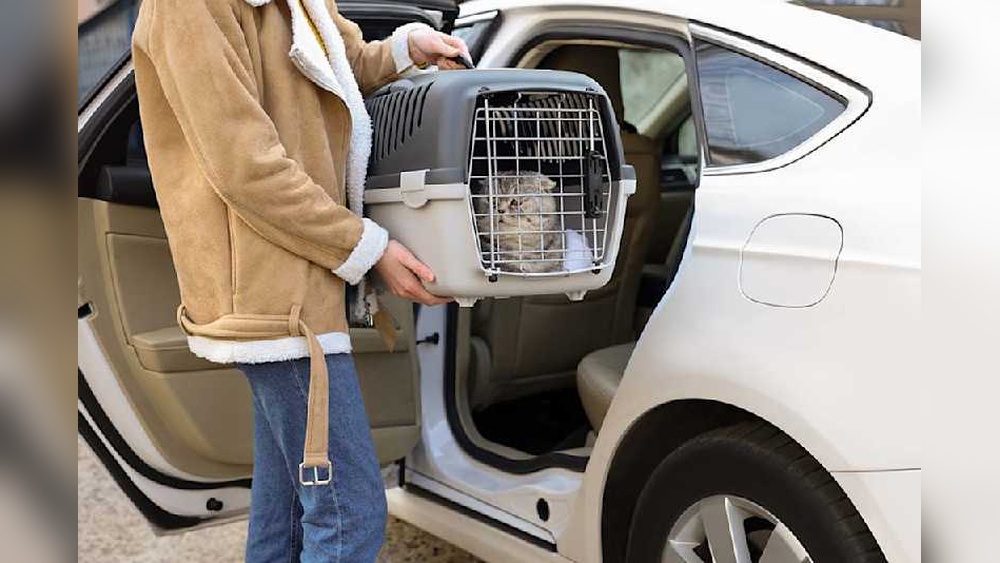
Pick a carrier that fits your cat comfortably. It should be sturdy and well-ventilated. A soft, cozy liner inside helps your cat relax. The carrier must close securely but allow easy access. Avoid carriers that are too small or hard to clean.
Familiarizing Your Cat With The Carrier
Introduce the carrier at home before traveling. Leave it open in a quiet spot. Place treats or toys inside to encourage your cat. Let your cat explore and nap in the carrier. This builds a positive connection with the carrier.
Scheduling Vet Checkups
Visit the vet before the trip to check your cat’s health. Ask about medicines for car sickness. Vaccinations and health certificates may be needed. The vet can give advice on calming your cat. Early preparation helps prevent travel problems.
Managing Motion Sickness Symptoms
Traveling with a cat that gets car sick can be tough. Managing motion sickness symptoms helps make trips easier. Knowing the signs and treatments supports your cat’s comfort. This section explains how to spot sickness and ways to help.
Signs Of Car Sickness In Cats
Watch for drooling, yawning, and licking lips often. Cats may meow loudly or act restless during the ride. Vomiting is a clear sign of motion sickness. Some cats breathe fast or close their eyes tightly. Not eating or hiding can also show discomfort.
Natural Remedies And Supplements
Ginger is a natural option that may reduce nausea. Small amounts of ginger treats or powder work well. Some pet owners use calming pheromone sprays in the car. Herbal supplements like chamomile can help relax cats. Always check with a vet before giving supplements.
Medications For Motion Sickness
Vets can prescribe safe medicines for cat car sickness. Antihistamines often reduce nausea and dizziness. These drugs need correct doses and timing before travel. Never give human medicine without vet advice. Medication works best combined with other comfort methods.
Traveling Tips For A Comfortable Ride
Traveling with a cat that gets car sick can be challenging. A comfortable ride helps reduce your cat’s stress and nausea. Small changes make a big difference. Focus on feeding, environment, and calming aids. These tips help your cat feel safe and calm during the trip.
Feeding And Hydration Schedule
Avoid feeding your cat right before the trip. Feed them a small meal 3 to 4 hours before travel. This reduces chances of nausea and vomiting. Offer water up to one hour before the ride. Keep your cat hydrated but avoid too much water during travel. A light stomach helps prevent car sickness.
Maintaining A Calm Environment
Keep the car quiet and calm. Speak softly to your cat during the trip. Use a cozy carrier with soft bedding. Cover the carrier with a light cloth to block outside sights. Avoid sudden movements and loud noises. Stop often for breaks if it is a long journey. Calm surroundings lower your cat’s anxiety and motion sickness.
Using Calming Aids And Pheromones
Try natural calming aids like herbal sprays or supplements. Consult your vet before using any medication. Use pheromone sprays or diffusers in the carrier. These mimic natural cat scents and reduce stress. Calming aids help your cat relax and feel secure. They can improve the overall travel experience.
Credit: tractive.com
Safety Measures During The Trip
Traveling with a cat that feels sick in the car needs careful safety steps. These steps help keep your cat calm and safe. A smooth trip reduces stress and sickness. Focus on secure placement, gentle driving, and watching your cat closely.
Securing The Carrier In The Vehicle
Place the carrier in a stable spot. Use seat belts or straps to hold it tight. A moving carrier makes cats more anxious and sick. Keep the carrier low and away from direct sunlight. This helps your cat stay comfortable and safe.
Avoiding Sudden Movements And Stops
Drive slowly and steadily. Avoid quick turns and hard brakes. Sudden moves can upset your cat’s balance. Smooth driving reduces the chance of car sickness. Plan your route to avoid heavy traffic and rough roads.
Monitoring Your Cat Throughout The Journey
Keep an eye on your cat during the trip. Watch for signs of stress or sickness. If your cat looks uncomfortable, try to calm it with a soft voice. Stop for short breaks if the trip is long. Check if your cat needs water or a chance to relax.
Post-travel Care For Your Cat
Travel can be hard on cats, especially those that get car sick. After the trip, your cat needs special care to feel safe and calm. Taking good care helps your cat recover faster and stay healthy. Focus on cleaning, comfort, and watching for signs of stress. Plan ahead for future trips to make them easier.
Cleaning And Comforting Your Cat
Start by gently cleaning your cat. Use a damp cloth to wipe any mess from travel sickness. Avoid strong soaps or shampoos that can irritate. Provide a warm, quiet spot for rest. Offer fresh water and a little food if your cat feels ready. Soft blankets and familiar toys help your cat relax.
Recognizing Stress And Recovery Signs
Watch your cat closely after the trip. Signs of stress include hiding, shaking, or refusing food. Slow movements and heavy breathing also show discomfort. Normal behavior returns when your cat eats, drinks, and uses the litter box. Call a vet if your cat acts sick or weak for more than a day.
Planning Future Trips
Think about what worked and what did not. Keep the same routine to reduce stress. Pack familiar items like blankets and toys. Plan breaks for longer trips to calm your cat. Use calming sprays or medication only after talking to your vet. Each trip will get easier with good preparation.

Credit: gentlepawsupplies.com

Credit: www.reddit.com
Frequently Asked Questions
How Can I Prevent My Cat From Getting Car Sick?
To prevent car sickness, keep your cat calm and comfortable. Use a secure carrier with soft bedding. Avoid feeding your cat right before travel. Take breaks for fresh air and use calming sprays if needed.
What Are The Best Calming Techniques For Cats In Cars?
Use pheromone sprays, gentle petting, and soft music to calm your cat. Speak softly and avoid sudden movements. Familiar toys or blankets also help reduce anxiety during car rides.
Should I Feed My Cat Before Traveling By Car?
It’s best to avoid feeding your cat 3-4 hours before travel. An empty stomach reduces the risk of nausea and vomiting. Offer water sparingly to prevent dehydration without upsetting their stomach.
Can Medication Help With My Cat’s Car Sickness?
Yes, consult your vet for safe anti-nausea medication or sedatives. Never give human medicine to cats. Medication can effectively reduce symptoms during long or stressful trips.
Conclusion
Traveling with a cat that feels sick can be tough. Keep your cat calm and comfortable during trips. Use gentle motion and fresh air to help ease nausea. Bring familiar items like toys or blankets for comfort. Take breaks to let your cat rest and relax.
Stay patient and watch for signs of stress or sickness. Small steps make travel easier for both you and your cat. Safe and happy travels start with careful planning and care.