
Traveling with a scared cat can feel overwhelming. You want your furry friend to be safe and calm, but their fear makes every trip stressful.
If you’ve faced nervous meows, hiding, or restless pacing in the carrier, you’re not alone. The good news? You can help your cat feel more comfortable and even enjoy the ride. This guide will show you simple, proven steps to ease your cat’s anxiety and make travel smoother for both of you.
Ready to turn travel time into a peaceful experience? Let’s dive in.
Preparing Your Cat For Travel
Traveling with a scared cat needs careful preparation. Cats feel safe in familiar places. Preparing them helps reduce stress during the journey. It takes time and patience. Start early to make the trip smooth. This section covers key steps to get your cat ready.
Familiarizing With The Carrier
Introduce the carrier days before travel. Leave it open in a quiet room. Place soft blankets and toys inside. Let your cat explore it alone. Reward your cat with treats near the carrier. This builds positive feelings. Avoid forcing your cat inside. Let them enter at their own pace.
Choosing The Right Travel Carrier
Pick a carrier that fits your cat well. It should be sturdy and well-ventilated. The carrier must have secure locks. Soft-sided carriers offer comfort but check durability. Hard carriers provide more protection. Choose one easy to carry. Comfort and safety are top priorities.
Gradual Exposure To Travel Sounds
Play travel noises softly at home. Sounds like car engines and traffic help. Increase volume slowly over days. Watch your cat’s reactions closely. If stress appears, reduce the sound. Use calming sprays or pheromones nearby. This practice helps cats get used to travel sounds.
Packing Essentials For Your Cat
Packing the right items makes travel easier for your scared cat. Proper preparation helps keep your cat calm and safe. Bringing familiar and necessary items reduces stress during the journey.
Comfort Items And Toys
Bring your cat’s favorite blanket or bed. These items provide a sense of security. Include a few small toys your cat enjoys. Toys can distract and comfort your cat during travel. A soft towel or shirt with your scent also helps calm nerves.
Food And Water Supplies
Pack enough food for the entire trip. Use the same type your cat usually eats. Carry portable bowls for food and water. Fresh water is essential to keep your cat hydrated. Avoid sudden changes in diet to prevent upset stomach.
Health And Safety Kit
Prepare a small health kit for emergencies. Include any medications your cat needs. Pack a pet first aid kit with basics like bandages and antiseptic. Bring your cat’s medical records and ID tags. This kit ensures you are ready for unexpected situations.
Calming Techniques During Travel
Traveling with a scared cat requires gentle care and patience. Calming techniques help reduce anxiety and make the trip smoother. Keeping your cat calm improves their comfort and safety during travel. Use simple methods to create a peaceful environment for your pet.
Using Calming Sprays And Pheromones
Calming sprays and pheromones mimic natural cat scents that soothe them. Spray these inside the carrier before travel. The scent helps lower stress and fear. Use products designed especially for cats to ensure safety.
Playing Soothing Music
Soft music can calm a nervous cat during travel. Choose gentle, slow melodies without sudden noises. Keep the volume low to avoid startling your pet. Music creates a relaxing atmosphere inside the car or carrier.
Maintaining A Quiet Environment
Noise can increase a cat’s fear while traveling. Keep the surroundings quiet and calm. Avoid loud talking or sudden sounds near the cat. A peaceful space helps your cat feel secure and relaxed.
Credit: www.reddit.com
Traveling By Car With A Nervous Cat
Traveling by car with a nervous cat can be challenging. Cats often feel scared in new places and moving cars. Preparing the car and your cat helps make the trip calmer and safer. Small steps can reduce stress and keep your cat comfortable during the ride.
Securing The Carrier Safely
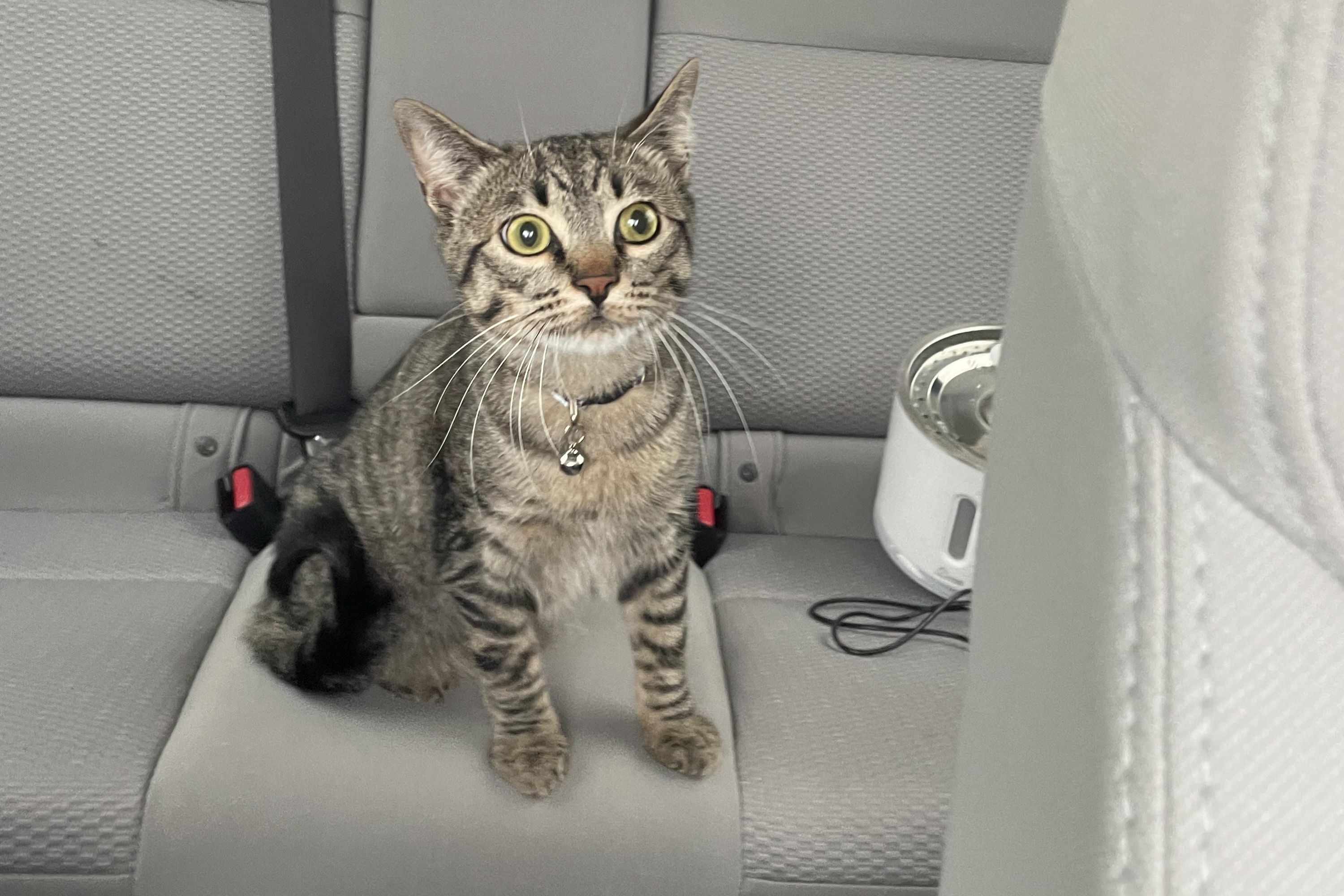
Use a sturdy carrier to keep your cat safe. Place the carrier on the back seat. Use a seatbelt or straps to hold the carrier tight. This stops the carrier from sliding or tipping. A secure carrier helps your cat feel more stable and less scared.
Planning Frequent Breaks
Stop every one to two hours for a short break. Open the car door carefully and check your cat’s carrier. Let your cat relax inside the carrier without opening it. Quiet breaks help reduce anxiety and prevent overheating during long drives.
Keeping The Temperature Comfortable
Keep the car cool or warm, depending on the weather. Avoid sudden changes in temperature that might upset your cat. Use air conditioning or heaters to keep a steady, comfortable temperature. A calm environment helps your cat feel safe and secure.
Flying With A Scared Cat
Flying with a scared cat can be stressful for both of you. Cats do not like loud noises or strange places. Airports and airplanes are full of new sounds and smells. This can make your cat very anxious. Preparing well can help your cat feel safer and calmer during the flight.
Booking Pet-friendly Flights
Choose airlines that welcome pets in the cabin. Some airlines have special rules for pets. Check their pet policies before booking your ticket. Book a direct flight to reduce travel time. Try to fly during quiet hours to avoid crowded airports. Reserve your pet’s spot early. Airlines often limit the number of pets allowed on each flight.
Airport Navigation Tips
Arrive early to avoid rushing. Keep your cat in a secure carrier. Use a soft blanket inside the carrier for comfort. Speak softly to calm your cat during security checks. Avoid loud noises and busy areas. Find a quiet spot to wait before boarding. Walk slowly and calmly to prevent startling your cat.
In-cabin Vs. Cargo Travel Options
In-cabin travel keeps your cat close to you. It reduces your cat’s fear and stress. Cargo travel may be necessary for large pets. Cargo holds can be cold and noisy. Ask the airline about temperature control and safety. Always choose in-cabin travel if possible. Your cat will feel safer with you nearby.
Settling Your Cat After Arrival
Settling your cat after arrival is a key step in their travel journey. Cats feel safe in familiar spaces. A calm environment helps them adjust quickly. Patience and care make a big difference. This section covers how to create comfort for your scared cat.
Creating A Safe Space
Choose a quiet room for your cat. Keep the door closed to limit noise. Place their bed, toys, and litter box there. Add a blanket or item with a familiar scent. Avoid sudden changes or new people in the room. Let your cat explore the space on their own time.
Maintaining Routine And Familiarity
Keep feeding times the same as usual. Use the same food and water bowls. Follow your cat’s normal play and rest schedule. Speak softly and move calmly around them. Familiar routines reduce anxiety and build trust. Consistency helps your cat feel safe.
Monitoring For Stress Signs
Watch for hiding, pacing, or unusual meowing. Look for changes in eating or litter box use. Excessive grooming or aggression can signal stress. Take notes to track any behavior changes. Contact a vet if stress signs continue. Early action supports your cat’s health and happiness.
When To Consult A Veterinarian
Traveling with a scared cat can be tough. Sometimes, you need help from a vet. Knowing when to consult a veterinarian keeps your cat safe and calm. Vets can give advice and help you prepare for the trip. They know what is best for your cat’s health and comfort. Here are key points to consider before traveling with your scared cat.
Evaluating Travel Readiness
Check your cat’s health before planning a trip. Some cats may be too sick or stressed to travel. A vet can check for any health problems. They can tell you if your cat is ready to travel. It is important to avoid travel if your cat feels unwell. A healthy cat handles travel stress better.
Discussing Sedatives And Medications
Some cats get very nervous while traveling. Sedatives may help them stay calm. Only a vet can prescribe safe medicines for your cat. Never give human medicine to your cat. The vet will suggest the right dosage and type of sedative. They also explain side effects and risks. Medicine can make travel less stressful for both of you.
Emergency Preparedness
Talk to your vet about what to do in an emergency. Get advice on signs of sickness during travel. The vet can provide contact info for emergency clinics. Pack any medical supplies your cat may need. Knowing emergency steps gives you peace of mind. It helps you act fast if your cat feels bad on the road.

Credit: www.outdoorbengal.com
Credit: www.newsweek.com
Frequently Asked Questions
How Can I Calm My Scared Cat Before Travel?
Create a quiet space and use calming sprays or pheromones. Speak softly and offer treats. Start short trips first to build comfort.
What Type Of Carrier Is Best For Scared Cats?
Choose a sturdy, well-ventilated carrier with soft bedding. A familiar blanket inside helps reduce anxiety. Avoid carriers that are too tight or too large.
Should I Medicate My Cat For Travel Anxiety?
Consult a veterinarian before giving medication. Some cats benefit from mild sedatives or calming supplements. Never medicate without professional advice.
How Do I Prepare My Cat For A Long Trip?
Gradually acclimate your cat to the carrier. Pack familiar toys and bedding. Plan frequent breaks to check on your cat’s comfort.
Conclusion
Traveling with a scared cat takes patience and care. Keep your cat calm by staying close and speaking softly. Use familiar items like their blanket or toy to comfort them. Short trips help your cat get used to travel slowly.
Always plan for breaks and keep water handy. Your cat will feel safer with gentle handling. Small steps can make a big difference in their comfort. Enjoy your journey together, one calm moment at a time.