
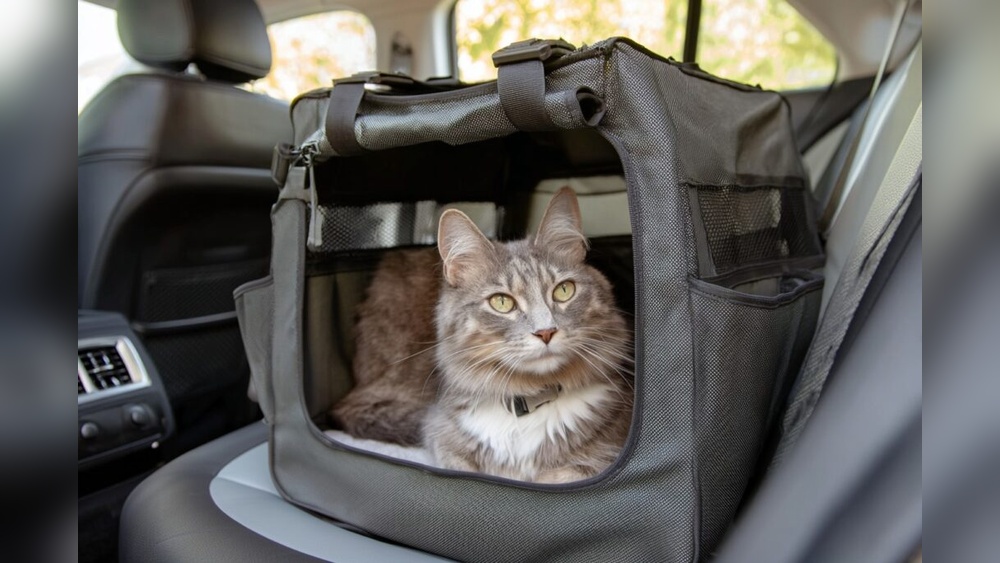
Traveling long distances by car with your cat can feel overwhelming. You want your furry friend to be safe, calm, and comfortable throughout the trip.
But how do you make that happen? If you’ve ever worried about your cat’s stress or wondered how to prepare for a smooth ride, this guide is for you. You’ll discover simple, practical tips that help your cat enjoy the journey as much as you do.
Keep reading to learn how to turn a challenging car trip into a stress-free adventure for both you and your cat.

Credit: technomeow.com
Preparing Your Cat For The Journey
Preparing your cat for a long car journey helps reduce stress and keeps them safe. Start early to make the experience smooth and calm. Small steps will build your cat’s comfort and trust with travel.
Choosing The Right Carrier
Select a carrier that fits your cat well but is not too tight. It should have enough room to stand, turn, and lie down. Pick one with good ventilation and a secure door. Soft-sided carriers offer comfort, but hard-sided ones protect better during travel.
Familiarizing Your Cat With The Carrier
Health Check And Vet Visit
Packing Essentials For Your Cat

Credit: technomeow.com
Setting Up The Car For Comfort
Setting up the car for your cat’s comfort is key for a smooth trip. A calm, safe space helps reduce stress. Simple steps make the ride better for your feline friend. Focus on safety, temperature, and noise control.
Securing The Carrier Safely
Place the carrier on the back seat for safety. Use seat belts to hold it firmly in place. Avoid the front seat to reduce risk from airbags. Make sure the carrier does not move during travel. A stable carrier keeps your cat calm and safe.
Maintaining A Comfortable Temperature
Keep the car cool but not cold. Use air conditioning or open windows slightly. Avoid direct sunlight on the carrier. Monitor the temperature often to prevent overheating. Comfortable temperature helps your cat stay relaxed.
Minimizing Noise And Distractions
Drive smoothly to avoid sudden noises. Lower the music to a soft volume. Close windows on busy roads to reduce outside sounds. Use a cover over the carrier to block visual distractions. Quiet surroundings keep your cat peaceful during the ride.
During The Trip
Traveling long distances with a cat requires careful attention during the trip. Cats can get stressed or uncomfortable in cars. Keeping them calm and comfortable helps make the journey smoother. This section covers key tips to keep your cat happy and healthy on the road.
Keeping Your Cat Calm
Keep your cat in a secure carrier during the trip. Cover the carrier with a light blanket to reduce outside distractions. Speak softly to soothe your cat if it seems nervous. Play calm music at a low volume to create a peaceful environment. Avoid sudden movements or loud noises inside the car. Bring a favorite toy or blanket for comfort. Stay relaxed yourself; cats sense your mood and react to it.
Feeding And Hydration Tips
Offer small meals during long trips to avoid upset stomachs. Avoid feeding your cat right before the trip. Water is very important. Provide fresh water regularly to prevent dehydration. Use a spill-proof bowl inside the carrier or during breaks. Avoid giving too much food or water at once. This helps reduce the risk of motion sickness and accidents.
Regular Breaks And Exercise
Stop every two to three hours for breaks. Let your cat stretch and move in a safe, quiet area. Use a harness and leash to prevent escapes. These breaks reduce stress and stiffness. Allow your cat to explore a little outside the carrier. Keep breaks short to avoid overexcitement or anxiety. This routine helps maintain your cat’s comfort on long trips.
Handling Motion Sickness
Some cats feel sick during car rides. Watch for signs like drooling, yawning, or restlessness. Keep the car cool and well-ventilated. Avoid strong smells inside the car. Consult your vet about anti-nausea medications if needed. Use a calming spray or pheromone diffuser in the carrier. Drive smoothly to reduce sudden stops or sharp turns. These steps help minimize motion sickness symptoms.
Safety Precautions
Traveling long distances by car with your cat needs careful safety steps. Cats can get scared or try to run away. Keeping them safe means fewer worries for you. Follow these safety tips to protect your cat during the trip.
Avoiding Open Windows
Open windows invite danger. Cats might jump out or get hurt. Keep windows closed or only slightly open. Make sure your cat stays inside the carrier or secured area. This helps stop accidents and keeps your cat calm.
Preventing Escape
Escape is a big risk with cats in cars. Use a strong carrier with a secure door. Always keep your cat inside the carrier during stops. Never let your cat roam freely in the car. Keep doors and windows shut when opening or closing.
Emergency Preparedness
Be ready for any problem on the road. Pack a small first aid kit for your cat. Include water, food, and any medicines your cat needs. Know the location of nearby vets along your route. Keep your phone charged for quick help.
Post-trip Care
After a long car trip, your cat needs special care. Traveling can be tiring and stressful for them. Taking time to help your cat settle is very important. Proper post-trip care ensures your cat stays healthy and happy.
Helping Your Cat Adjust
Let your cat explore their new space slowly. Keep familiar items nearby, like their bed or toys. Speak softly and offer gentle pets. Avoid loud noises or sudden movements. Give your cat plenty of time to feel safe. Keep their routine as normal as possible. Provide fresh water and food right away.
Checking For Stress Symptoms
Watch for signs of stress after the trip. These include hiding, loss of appetite, or excessive grooming. Your cat may also meow more or act restless. Check for any changes in bathroom habits. If symptoms last more than a day, consider a vet visit. Early care can prevent bigger health problems.
Cleaning And Maintaining The Carrier
Clean the carrier thoroughly after the trip. Remove all bedding and wash it with mild soap. Wipe down the carrier with pet-safe cleaner. Let it dry completely before the next use. Regular cleaning keeps your cat safe from germs. A clean carrier also helps reduce travel anxiety.

Credit: www.walmart.com
Frequently Asked Questions
How To Prepare Cats For Long Car Trips?
Start by acclimating your cat to the carrier weeks before travel. Use familiar bedding and toys. Practice short drives to reduce anxiety. Ensure your cat is well-fed but not right before travel. Consult your vet about calming aids if necessary.
What Essentials To Pack For Traveling With Cats?
Pack food, water, bowls, litter box, and scooper. Bring a first aid kit and any medications. Include familiar toys and blankets to comfort your cat. Have a leash and harness for safe breaks. Don’t forget cleaning supplies for accidents.
How To Keep Cats Calm During Car Rides?
Use a secure carrier to prevent stress and injury. Cover the carrier with a light cloth to reduce visual stimuli. Play soft music or use pheromone sprays designed for cats. Avoid sudden stops and loud noises to maintain calmness.
How Often Should I Stop During Long Car Trips?
Plan breaks every 2-3 hours to offer water and a litter break. Never let your cat roam free outside the car. Use breaks to check on your cat’s comfort and stress levels. Keep trips as smooth and quiet as possible.
Conclusion
Traveling long distances with your cat can be safe and calm. Prepare your cat’s space well before the trip. Bring familiar toys and blankets to keep comfort. Take breaks often to let your cat relax. Stay patient and calm to help your cat feel safe.
This way, both you and your pet enjoy the journey. Safe travels and happy adventures with your furry friend!