
Traveling with one cat can be a challenge, but what if you have six? You might feel overwhelmed just thinking about it.
How do you keep them calm? Where do you put all their carriers? What if something goes wrong? Don’t worry—this guide is here to help you manage every step of the way. By the end, you’ll feel confident and ready to take your furry friends on the adventure of a lifetime.
Keep reading, because your stress-free trip with six cats starts here.
Credit: www.rd.com
Preparing Your Cats For Travel
Traveling with six cats requires careful preparation. Each cat needs comfort and safety. Preparing them well reduces stress for both you and your pets. Start early to help your cats adjust to travel equipment and routines.
Choosing The Right Carriers
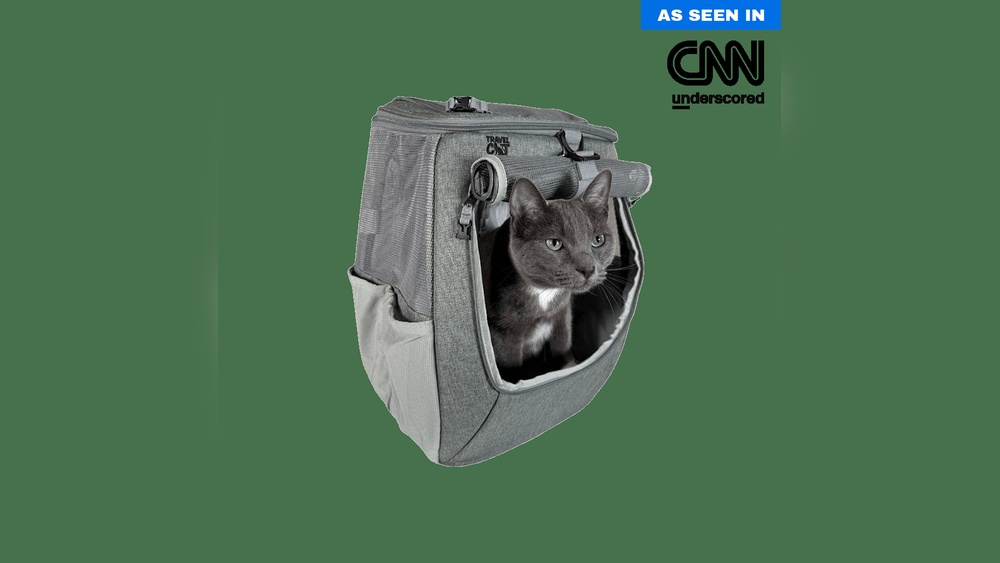
Select sturdy carriers that fit your cats comfortably. Each cat needs its own carrier. Look for carriers with good ventilation and secure locks. Soft-sided carriers work well for calm cats. Hard-sided carriers offer better protection for nervous cats. Ensure carriers are large enough for cats to stand and turn around.
Acclimating Cats To Carriers
Health Checks And Vaccinations
Schedule a vet visit before traveling. Check each cat’s health and update vaccinations. Ask the vet about travel-related medications if needed. Make sure cats are free from fleas and ticks. Carry medical records and vaccination certificates. Healthy cats handle travel stress better and stay safe.
Packing Essentials For Six Cats
Packing for six cats takes careful planning. Each cat needs its own set of essentials. This helps keep them calm and comfortable during travel.
Organizing supplies before the trip saves time and stress. It ensures nothing important is forgotten. Focus on food, comfort, and cleanliness items.
Food And Water Supplies
Bring enough food for all six cats. Pack familiar food to avoid stomach problems. Use sealed containers to keep food fresh.
Carry water bottles and bowls for drinking. Offer water regularly to prevent dehydration. Portable water dispensers work well for travel.
Comfort Items And Toys
Include each cat’s favorite blanket or bed. Familiar smells help cats stay calm. Pack a few small toys to keep them entertained.
Soft items reduce stress in new places. Rotate toys to avoid boredom during long trips.
Litter And Cleaning Supplies
Bring enough litter for the trip duration. Use portable litter boxes for easy cleanup. Carry waste bags to dispose of litter properly.
Pack cleaning wipes and paper towels for spills. Keep the travel area clean to avoid odors. Cleanliness helps cats feel secure.
Planning The Journey
Planning the journey with six cats takes careful thought. Each cat has needs that affect travel timing and stops. A clear plan helps keep cats safe and calm. It makes the trip easier for everyone.
Scheduling Breaks And Feeding Times
Set regular breaks to let cats stretch and use litter boxes. Feed them at usual times to avoid upset stomachs. Keep food and water accessible during stops. Small, frequent meals work best for travel. Watch for signs of hunger or thirst.
Route Planning And Pet-friendly Stops
Choose routes with pet-friendly places for rest and emergencies. Find parks or rest areas where cats can relax safely. Avoid busy highways and noisy areas. Plan stops every two to three hours. Check for nearby vets along the way.
Managing Travel Anxiety
Cats feel stress during travel. Use familiar blankets or toys to comfort them. Speak softly and calmly to reduce fear. Keep carriers secure and avoid sudden movements. Play soft music or white noise to soothe nerves. Patience and calmness help cats stay relaxed.
Traveling By Car With Multiple Cats
Traveling by car with six cats can feel like a big challenge. It takes careful planning and patience to keep everyone safe and calm. Cats need space, security, and comfort during long drives. Knowing how to manage their carriers, the car environment, and health can make the trip smoother. This guide helps you handle these key areas with ease.
Securing Carriers Safely
Use sturdy carriers that fit each cat comfortably. Place them where they won’t move or fall during the drive. Seat belts or special straps keep carriers steady. Avoid stacking carriers directly on top of each other. Keep some space between carriers for air and calmness. Check all latches and zippers before starting the trip. Secure carriers in a way that allows easy access if needed.
Maintaining A Calm Environment
Keep the car quiet and avoid loud noises. Soft music or white noise can help relax cats. Open windows slightly for fresh air, but not too much. Use a blanket over carriers to reduce stress from outside sights. Talk softly to your cats during breaks. Avoid sudden stops or fast turns to prevent panic. Plan stops for feeding and bathroom breaks to keep cats comfortable.
Dealing With Motion Sickness
Some cats feel sick during car rides. Watch for drooling, vomiting, or restlessness signs. Feed cats a small meal a few hours before travel. Avoid feeding right before the trip to reduce sickness risk. Use calming sprays or natural remedies after consulting a vet. Keep cats hydrated but avoid too much water at once. If motion sickness is severe, ask your vet for safe medicine options.
Flying With Six Cats
Flying with six cats may seem hard. Careful planning helps make the trip smooth. Knowing airline rules and preparing well reduces stress for you and your pets.
Airline Policies And Requirements
Each airline has rules for pets onboard. Check pet limits for each flight. Some airlines allow only two pets per cabin. Others require pets to travel as cargo.
Check carrier size rules too. Airlines want pets in specific carrier types. Soft-sided carriers often work best for cabin travel. Make sure each cat fits comfortably inside.
Booking Flights And Carrier Size
Book flights early to reserve pet spots. Airlines may limit the number of pets per flight. Call the airline to confirm your six cats can fly together.
Choose carriers that meet airline size rules. Cats need room to move and lie down. Label each carrier with your contact information. This helps staff handle your pets carefully.
Navigating Airport Security
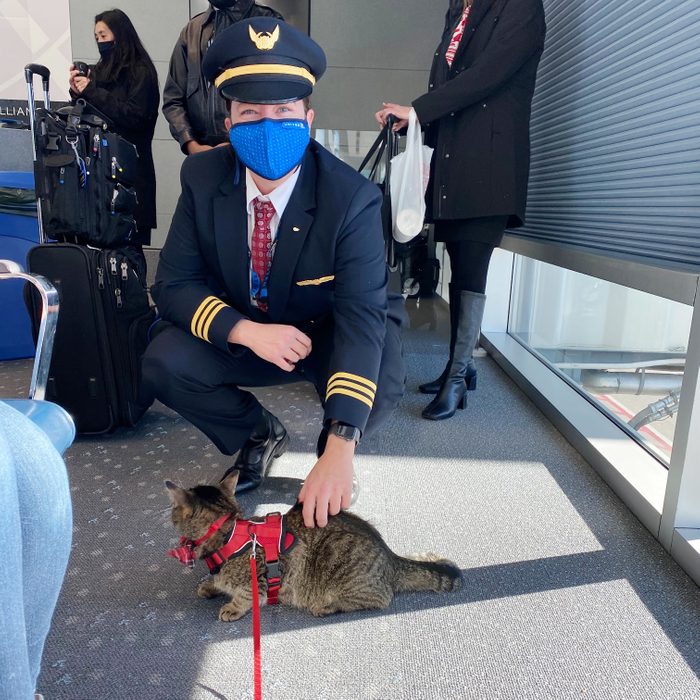
Prepare for security checks with pets. You must take cats out of carriers at checkpoints. Hold cats securely or use a harness to prevent escapes.
Keep calm during security screening. Pack treats and familiar toys to soothe cats. Arrive early to allow extra time for pet checks.
Settling In After Arrival
After a long trip, cats need time to feel safe and calm in their new home. Settling in is a slow process. It helps them adjust without stress. Each cat has its own pace. Patience is key to a smooth transition.
Setting Up A Safe Space
Create a quiet room for your cats. Use their favorite bed, toys, and litter boxes. Keep food and water nearby. This space should feel familiar and secure. Avoid loud noises and too many people. Let cats explore this area first.
Reintroducing Cats To The New Environment
Open the safe space slowly to other rooms. Let cats explore one room at a time. Watch how they react. Some may hide or stay close to the safe space. Do not force them out. Give gentle encouragement and time.
Monitoring Health And Behavior
Check each cat daily for signs of stress. Look for changes in eating or bathroom habits. Watch for hiding, aggression, or excessive meowing. Contact a vet if you see illness signs. Keep a calm and steady routine for your cats.
Tips For Reducing Stress
Traveling with six cats can be challenging. Stress affects both you and your pets. Reducing stress helps keep your cats calm and safe. Simple steps can make a big difference during the trip.
Using Calming Products
Calming products help soothe anxious cats. Try pheromone sprays or diffusers in carriers. These products mimic natural cat scents. They create a sense of safety. Herbal supplements also support relaxation. Always check with your vet before use.
Maintaining Routine
Cats thrive on routine and familiarity. Feed your cats at usual times. Keep playtime and rest consistent. Bring their favorite toys and blankets. Familiar smells reduce anxiety. A steady routine gives comfort amid change.
Recognizing Signs Of Distress
Watch for signs of stress in your cats. Excessive meowing, hiding, or aggression are key signs. Rapid breathing or drooling also indicate distress. Early detection helps prevent bigger problems. Calmly address your cat’s needs quickly.

Credit: roadtrippers.com

Credit: www.newsweek.com
Frequently Asked Questions
How Do I Prepare Six Cats For Travel?
Start by acclimating cats to carriers and travel sounds. Pack essentials like food, water, and litter. Schedule a vet visit for health checks and vaccinations. Maintain a calm environment to reduce stress during travel.
What Is The Best Carrier For Six Cats?
Use multiple sturdy carriers or a large multi-compartment carrier. Ensure good ventilation and secure locks. Label each carrier with your contact information. Comfort and safety should be top priorities for all cats.
How Can I Reduce Travel Stress For Cats?
Keep a consistent routine and familiar items like blankets or toys. Use pheromone sprays to calm cats. Speak softly and avoid sudden movements. Frequent breaks and gentle handling help maintain calmness.
What Documents Are Needed To Travel With Six Cats?
Prepare vaccination records, health certificates, and identification tags. Check airline or travel regulations for specific requirements. Carry copies of all documents to avoid delays or issues during travel.
Conclusion
Traveling with six cats can seem hard but it is possible. Plan well and keep your cats calm. Use safe carriers and bring their favorite items. Take breaks to check on them often. Stay patient and flexible during the trip.
Your cats will feel safer with your care. Enjoy the journey together and make good memories. Safe travels with your furry friends!