
Traveling with your cat can feel overwhelming. You want to keep your furry friend safe and calm, but you might not know where to start.
What should you pack? How do you handle stress or sudden surprises? If you’ve ever worried about how your cat will react on the road, this guide is for you. By the end, you’ll have simple, practical tips that make traveling with your cat easier than you imagined.
Ready to turn a tricky trip into a smooth adventure? Keep reading.

Credit: resources.sdhumane.org
Preparing Your Cat For Travel
Traveling with a cat needs careful preparation. Cats feel safe with familiar things around. Helping your cat get ready can make the trip calm and smooth. Start early to avoid last-minute stress. Prepare step by step for a better journey.
Choosing The Right Carrier
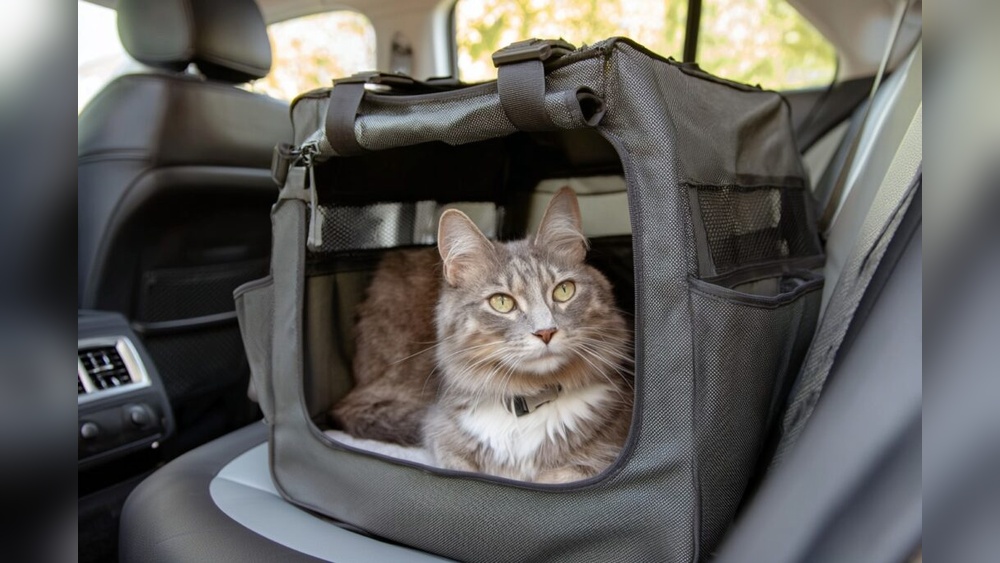
Select a carrier that fits your cat’s size well. It should be roomy but snug enough for comfort. Look for good ventilation and secure locks. Soft-sided carriers offer flexibility and comfort. Hard carriers provide more protection in rough travel.
Familiarizing Your Cat With The Carrier
Health Checks And Vet Visits
Visit the vet before traveling. Check vaccination and health status for safety. Ask about motion sickness and calming options. Get a health certificate if required for travel. Keep a record of your cat’s medical information handy.
Gathering Essential Supplies
Pack food, water, and bowls for feeding on the go. Bring your cat’s favorite toys and a cozy blanket. Include waste bags and a small litter box if needed. Have any medicines and grooming tools ready. Prepare extra supplies for unexpected delays.

Credit: usblog.ibiyaya.com
Planning The Trip
Planning a trip with your cat takes careful thought. Cats need comfort and safety during travel. Proper planning helps reduce stress for both of you. Focus on choosing the right places and times. Prepare your route and accommodations carefully. This way, your cat will feel calm and happy throughout the journey.
Selecting Cat-friendly Destinations
Choose places that welcome pets. Parks, quiet beaches, and nature spots work well. Avoid crowded areas or noisy cities. Check local rules about pets before booking. Some places may have restrictions for cats. Pick destinations with easy access to pet stores or vets. This ensures your cat’s needs are met.
Booking Pet-friendly Accommodations
Find hotels or rentals that accept cats. Read their pet policies carefully. Look for rooms with enough space for your cat. A quiet room on a lower floor is better. Ask about extra fees or rules for pets. Confirm if they provide litter boxes or scratching posts. A comfortable stay helps your cat relax.
Mapping Out Travel Routes
Plan routes with rest stops for your cat. Avoid long stretches without breaks. Choose roads with low traffic and smooth surfaces. Check for pet-friendly rest areas along the way. Prepare for emergencies by knowing nearby vet clinics. A well-planned route keeps your cat safe and calm.
Timing Your Journey For Comfort
Travel during your cat’s calm hours. Early mornings or late evenings are usually quieter. Avoid rush hour or hot midday travel. Short trips reduce stress and fatigue. Keep travel time as short as possible. Regular breaks allow your cat to stretch and relax.
Traveling By Car
Traveling by car with a cat can be a smooth and pleasant experience. It takes some planning and care to keep your cat safe and calm. Cars are a familiar space for many pets, which helps reduce stress during the trip. Preparing properly makes the journey comfortable for both of you.
Securing The Carrier Safely
Use a sturdy carrier that fits your cat well. Place soft bedding inside for comfort. Always secure the carrier with a seatbelt or place it on the floor behind the front seat. This prevents the carrier from moving during sudden stops. Avoid holding your cat in your lap while driving. Safety is key for both you and your pet.
Keeping Your Cat Calm On The Road
Talk softly to your cat during the drive. Keep the car quiet and avoid loud music. Cover the carrier with a light cloth to block bright light and distractions. Bring your cat’s favorite blanket or toy inside the carrier. These small comforts help your cat feel safe and relaxed.
Handling Pit Stops And Breaks
Plan breaks every two to three hours. Never let your cat roam free outside the car. Keep your cat inside the carrier during stops. Use a harness and leash if you must let your cat out briefly. Offer water and a chance to rest before continuing the trip.
Managing Motion Sickness
Some cats feel sick during car rides. Avoid feeding your cat right before travel. Offer small meals a few hours before the trip. Keep the car cool and well-ventilated. Consult your vet for motion sickness remedies if your cat gets very sick. Stay calm; your cat will feel better with your support.
Traveling By Air
Traveling by air with a cat requires careful planning. It can be stressful for both you and your pet. Knowing the rules and preparing well helps make the trip smooth. This section guides you through key steps for flying with your cat.
Airline Policies And Requirements
Each airline has different rules for pets. Some allow small cats in the cabin. Others require pets to travel in the cargo hold. Check the airline’s pet policy before booking tickets. Look for carrier size limits and health documents needed. Some airlines need a vet’s certificate dated within 10 days of travel.
Preparing Your Cat For The Flight
Get your cat used to the carrier early. Let them explore and rest in it at home. Pack familiar toys and a soft blanket inside. Avoid feeding your cat right before the flight to prevent nausea. A calm and quiet cat travels better. Talk softly and keep your cat relaxed before the trip.
Airport Procedures And Security
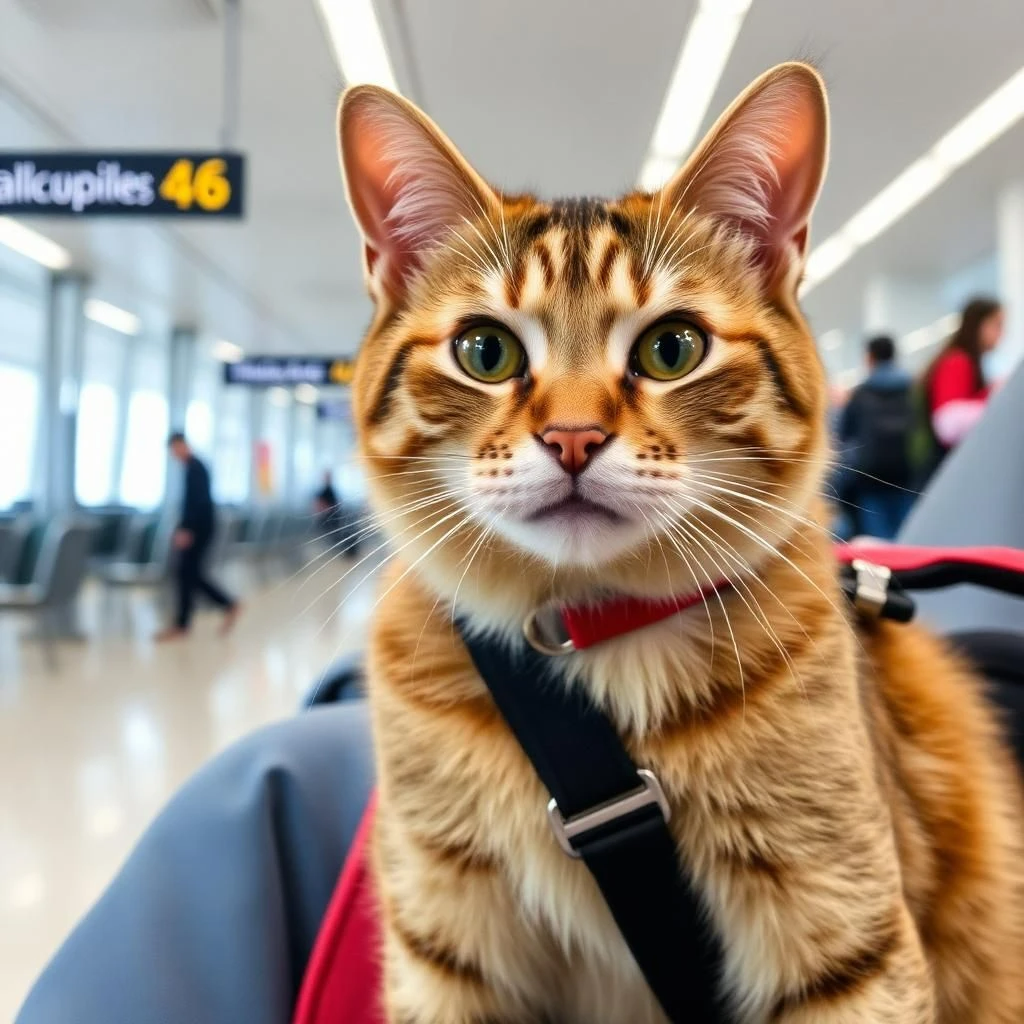
Arrive at the airport early to avoid rushing. At security, you must take your cat out of the carrier. Hold your cat or use a harness to keep them safe. The carrier goes through the X-ray machine. Prepare to show health papers if needed. Stay calm to help your cat stay calm.
In-flight Tips For Comfort
Keep the carrier under the seat in front of you. Avoid opening the carrier during the flight. Speak softly to your cat to comfort them. Cover the carrier with a light cloth to reduce stress. Offer water during long flights but don’t force it. Stay close and watch your cat for signs of discomfort.
Traveling By Other Means
Traveling with a cat involves more than just car rides or flights. Other ways to travel can be just as exciting and sometimes easier for your pet. This section covers train travel, boats, and public transport tips. Each mode has its own set of rules and comforts for cats.
Train Travel Tips
Trains offer smooth rides with less noise than planes or cars. Many train companies allow pets but require carriers. Make sure your cat stays inside the carrier at all times. Bring a small blanket or familiar toy to comfort your cat. Avoid feeding your cat just before the trip to prevent motion sickness. Check the train’s pet policy before booking tickets.
Boat And Ferry Considerations
Boats and ferries can be stressful due to water movement and new smells. Use a secure, well-ventilated carrier. Keep your cat in a quiet area away from crowds. Bring enough food, water, and a small litter box. Watch your cat closely for signs of stress or seasickness. Some ferries have specific pet areas—ask ahead about rules.
Public Transport Guidelines
Public buses and trams vary in pet policies. Always use a sturdy carrier or leash. Keep your cat calm with soft voices and gentle strokes. Avoid busy hours to reduce noise and crowds. Carry a small water bottle and collapsible bowl. Respect other passengers and clean up after your pet. Planning short trips helps your cat get used to public transport.
Reducing Stress For Your Cat
Traveling with a cat can be stressful for both you and your pet. Cats feel safe in familiar surroundings. New places, noises, and people can make them anxious. Reducing stress helps your cat stay calm and enjoy the journey more. Here are ways to keep your cat relaxed during travel.
Using Calming Aids
Calming aids help soothe your cat’s nerves. You can use pheromone sprays or diffusers. These mimic natural cat scents that relax them. Herbal supplements or treats designed for calming also work well. Always check with your vet before using new products. These aids make travel less scary for your cat.
Maintaining Routine And Familiarity
Keep your cat’s routine as normal as possible. Feed and play at usual times. Bring favorite toys and blankets. These familiar items comfort your cat in new places. Use the same carrier and bedding. Routine and familiar smells create a safe space for your cat.
Recognizing Signs Of Stress
Know the signs that show your cat is stressed. Watch for hiding, excessive meowing, or trembling. Loss of appetite or over-grooming can also occur. Early spotting helps you act fast. Calm your cat with gentle talk and slow movements. Recognizing stress keeps your cat safe and calm.
Emergency Preparedness
Prepare for emergencies before you travel. Carry your cat’s medical records and a first aid kit. Know the nearest animal hospital at your destination. Have a plan for lost pets, such as ID tags and microchips. Being ready helps you handle unexpected problems calmly.
Settling In At Your Destination
Settling in at your destination is key for a smooth trip with your cat. New places can feel strange and scary to them. Helping your cat feel safe and calm makes the stay better for both of you. Small steps make a big difference in their comfort.
Setting Up A Comfortable Space
Create a quiet corner just for your cat. Use their bed, favorite blanket, or toys. This spot should feel like home. Keep it away from loud noises or busy areas. A cozy space helps your cat relax and rest.
Introducing New Environments Slowly
Let your cat explore the new space bit by bit. Open one room at a time to them. Stay close and watch their reactions. This slow approach reduces stress and builds confidence. Avoid rushing your cat into unfamiliar areas.
Maintaining Feeding And Litter Routines
Keep feeding times the same as at home. Use the same food and water bowls. Place the litter box in a quiet, easy-to-find spot. Consistent routines give your cat a sense of normal. This helps them adjust quickly to new surroundings.
Exploring Safely With Your Cat
Use a harness or carrier for outdoor exploration. Let your cat sniff and see new sights safely. Never leave your cat alone outside. Stay alert to dangers like cars or other animals. Safe exploration keeps your cat happy and secure.
Credit: milanostyle.com
Frequently Asked Questions
How Do I Prepare My Cat For Travel?
Start by getting your cat used to the carrier at home. Gradually introduce short trips to reduce stress. Bring familiar toys and blankets for comfort. Consult your vet for health checks and travel advice before the trip.
What Is The Best Carrier For Traveling With Cats?
Choose a sturdy, well-ventilated carrier that is comfortable for your cat. It should be easy to clean and secure. Soft-sided carriers are great for short trips, while hard-sided ones offer more protection for long journeys.
Can I Give My Cat Medication For Travel Anxiety?
Yes, but only under vet supervision. Some cats benefit from mild sedatives or calming supplements. Never give human medication without professional advice. Always discuss options with your vet to ensure safe and effective treatment.
How Should I Manage Cat Travel During Flights?
Check airline pet policies in advance. Use an airline-approved carrier and label it clearly. Keep your cat hydrated and avoid feeding right before the flight. Stay calm, as your mood affects your cat’s stress levels.
Conclusion
Traveling with a cat takes planning and patience. Keep your cat calm and safe during trips. Bring familiar items like toys or blankets. Take breaks for water and comfort. Watch your cat’s behavior closely for stress signs. Simple steps can make travel easier for both.
Enjoy your journey while caring for your furry friend. Safe travels create happy memories for you and your cat.