
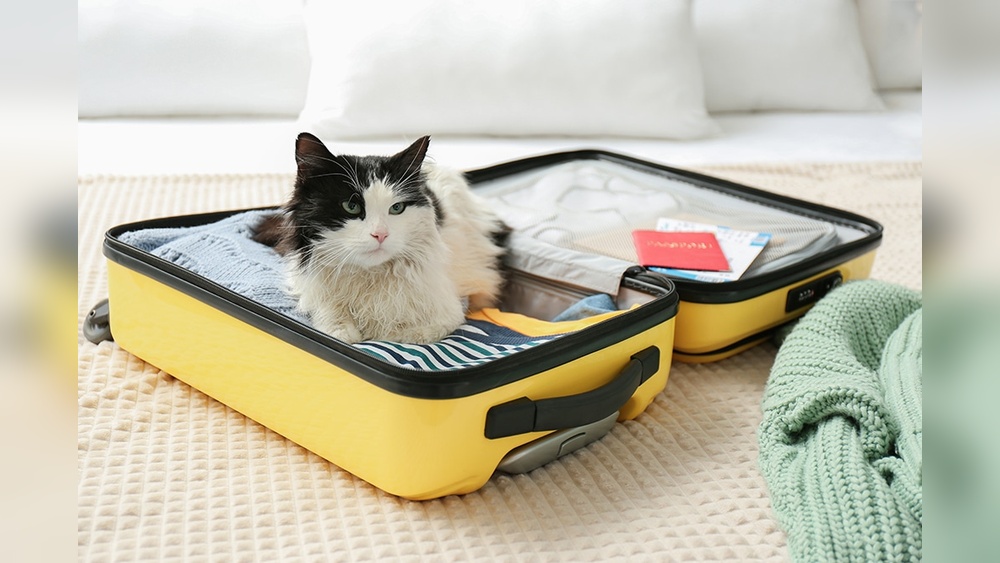
Are you thinking about taking your cat along on your next trip? You might be wondering if it’s safe to travel with cats and how they will handle the journey.
Cats are creatures of habit, and travel can be stressful for them. But with the right preparation, you can make the trip comfortable and safe for your furry friend. You’ll discover practical tips and important facts that will help you decide if traveling with your cat is the right choice—and how to do it without worry.
Keep reading to learn everything you need to know to protect your cat and enjoy your travels together.
Preparing Your Cat For Travel
Preparing your cat for travel helps reduce stress for both of you. Cats feel safe in familiar spaces. A calm cat makes the trip easier. Start by choosing the right items and steps to keep your cat comfortable.
Choosing The Right Carrier
Select a carrier that fits your cat’s size. It should be sturdy and well-ventilated. Soft-sided carriers offer comfort but need good support. Hard carriers protect better in cars and planes. Ensure the carrier has a secure door. A carrier with a handle or shoulder strap helps carry your cat easily.
Familiarizing Cats With Carriers
Health Check And Vaccinations
Visit the vet before traveling. Make sure your cat is healthy and fit for travel. Update all vaccinations required for your destination. Ask the vet about motion sickness or anxiety medicine. Carry your cat’s health records with you. A healthy cat travels better and stays safe during the trip.
Credit: purrfectinsights.com
Planning The Trip
Planning a trip with your cat needs careful thought. Cats feel stress from changes, so preparation helps. Knowing where to go, where to stay, and how long to travel makes the trip safer and fun for both of you.
Selecting Cat-friendly Destinations
Choose places that welcome pets and offer quiet, safe spaces. Avoid busy cities or noisy spots that may scare your cat. Parks, nature spots, or calm towns work well. Check for pet rules before booking your travel. This step keeps your cat comfortable and calm.
Booking Pet-friendly Accommodations
Look for hotels or rentals that accept cats. Call ahead to confirm their pet policies. Ask if they provide pet beds or litter boxes. A familiar environment lowers your cat’s anxiety. Choose rooms with windows or quiet areas for rest. This makes the stay less stressful for your cat.
Timing And Duration Considerations
Plan trips during your cat’s calmest times. Avoid long travel days that tire your pet. Short trips reduce stress and help cats adjust better. Consider your cat’s health and age before planning long journeys. Timing your travel right keeps your cat happy and safe.
Managing Stress During Travel
Travel can be hard on cats. New places, sounds, and smells cause stress. Managing this stress helps keep cats calm and safe. It also makes the journey easier for owners. Simple steps reduce anxiety and create a smooth trip. Understanding your cat’s needs plays a big role. Use gentle methods to comfort your pet throughout travel.
Calming Techniques And Products
Soft voices and gentle petting soothe cats. A favorite blanket or toy brings comfort. Pheromone sprays mimic natural calming scents. These sprays help lower stress levels fast. Some owners use calming collars for steady relief. Herbal supplements designed for pets can help too. Always check with a vet before using new products.
Keeping A Consistent Routine
Stick to regular feeding times during travel. Cats feel safer with familiar routines. Keep playtime and rest periods similar to home. Use the same carrier and bedding on trips. Familiar smells help cats relax in strange places. Avoid sudden changes in daily habits. Routine builds a sense of security for cats.
Handling Motion Sickness
Motion sickness causes nausea and discomfort in cats. Watch for drooling, yawning, or restlessness. Keep car temperature cool and windows slightly open. Avoid feeding cats right before travel. Small meals are better for trips. Speak to a vet about anti-nausea medicine. Careful handling reduces travel sickness symptoms.
Credit: www.rd.com
Safety Tips On The Road
Traveling with cats needs careful planning for their safety. Cats feel scared in cars. They can get hurt or lost. Follow these safety tips on the road to keep your cat safe and calm.
Securing Your Cat In The Vehicle
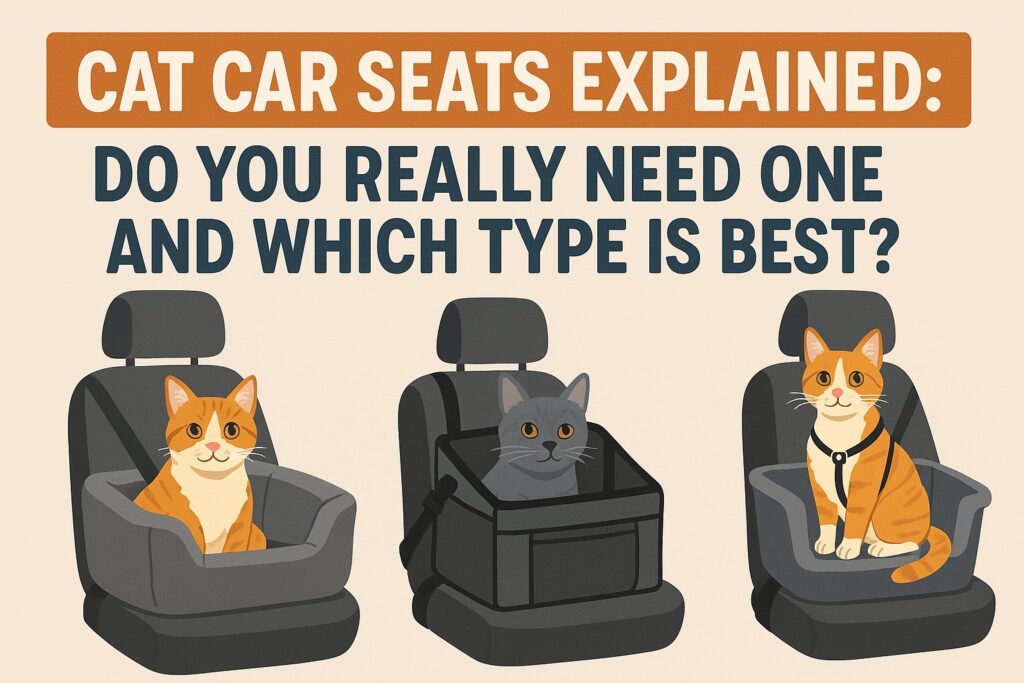
Always use a well-ventilated cat carrier. It stops your cat from roaming in the car. Loose cats can distract the driver. Secure the carrier with a seatbelt. This prevents it from sliding or tipping. Make sure the carrier is cozy with a soft blanket inside.
Regular Breaks And Hydration
Take breaks every two to three hours. Let your cat have water to stay hydrated. Avoid feeding large meals before driving. Offer small snacks during breaks. Check your cat for signs of stress or discomfort. Use breaks to clean the carrier if needed.
Avoiding Common Travel Hazards
Keep car windows closed or only slightly open. Cats can jump or fall out. Do not leave your cat alone in the car. Temperatures can rise or fall quickly. Avoid loud music or sudden stops. Keep the car smooth and calm to reduce your cat’s anxiety.
Traveling By Air With Cats
Traveling by air with cats can be safe and comfortable. It needs careful planning and understanding of airline rules. Cats can get stressed during flights, so preparation helps reduce their anxiety. Knowing what to expect makes the journey easier for both pet and owner.
Airline Policies And Requirements
Every airline has its own rules for traveling with cats. Some allow cats in the cabin, others only in cargo. Airlines require a health certificate from your vet. This certificate shows your cat is fit to fly. Many airlines limit the size and weight of the carrier. Booking early is important since pet spots fill quickly.
Preparing For Security Checks
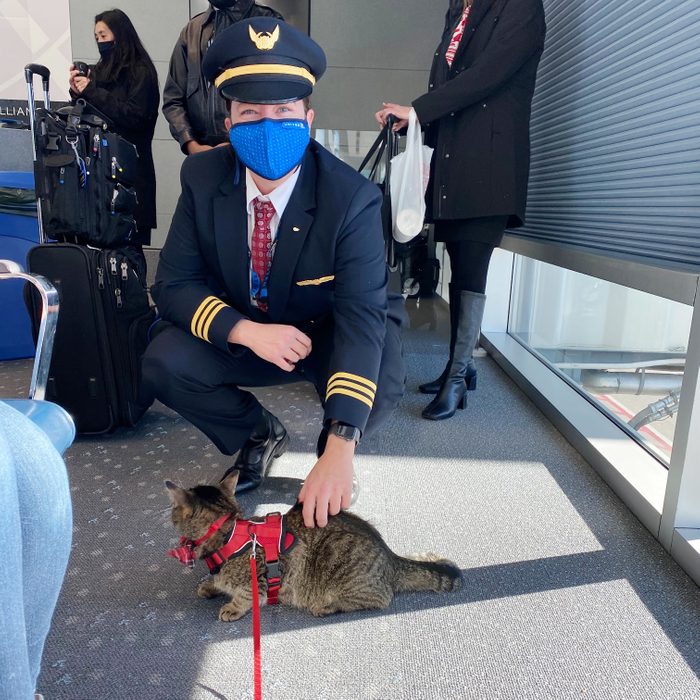
Security checks can be tricky with pets. You must take your cat out of the carrier at the scanner. Hold your cat firmly but gently during this process. The carrier goes through the X-ray machine alone. Bring a leash or harness to keep your cat safe. Stay calm to help your cat feel secure.
In-cabin Vs. Cargo Travel
In-cabin travel keeps your cat close to you. It reduces stress and allows quick attention if needed. The carrier must fit under the seat in front of you. Cargo travel is for larger cats or when cabin space is full. It is usually colder and noisier in cargo. Choose the option best for your cat’s size and temperament.
Credit: www.businessinsider.com
Post-trip Care
After traveling with your cat, post-trip care is very important. Cats can feel tired and stressed from the journey. They need time to relax and get back to normal. Watching them closely helps catch any problems early. A calm home helps your cat feel safe again.
Monitoring For Stress Symptoms
Watch your cat for signs of stress after the trip. Look for hiding, loss of appetite, or unusual meowing. Changes in grooming habits or litter box use are also signs. Keep an eye on their behavior for at least a few days. Early detection helps your cat recover faster.
Re-establishing Comfort At Home
Give your cat a quiet space to rest. Bring back their favorite toys and bedding. Keep their feeding and playtime routine the same. Gentle petting can help your cat feel secure. Avoid loud noises and sudden movements during this time.
When To Consult A Veterinarian
Contact a vet if your cat shows severe stress signs. This includes vomiting, diarrhea, or refusal to eat for more than a day. Sudden aggression or extreme lethargy also needs attention. A vet can check for health issues caused by travel stress. Early care prevents serious problems.
Frequently Asked Questions
Is It Safe To Travel With Cats By Car?
Yes, traveling by car is generally safe for cats if properly secured. Use a well-ventilated carrier and ensure it’s stable. Take breaks for water and comfort. Avoid feeding right before the trip to prevent motion sickness.
How To Reduce Cat Stress During Travel?
To reduce stress, keep your cat in a familiar carrier with favorite toys or blankets. Speak softly and avoid loud noises. Use calming sprays or pheromones. Maintain a comfortable temperature and avoid sudden movements during travel.
Can Cats Travel By Plane Safely?
Cats can travel safely by plane with proper preparation. Use an airline-approved carrier and check regulations beforehand. Keep your cat hydrated and calm. Consult your vet about sedation if needed. Never open the carrier during the flight.
What Are The Best Carriers For Traveling Cats?
The best carriers are sturdy, well-ventilated, and easy to clean. Soft-sided carriers offer comfort, while hard-sided provide extra protection. Ensure the carrier fits your cat comfortably and has secure locks. Consider carriers with top and side openings for convenience.
Conclusion
Traveling with cats can be safe with the right steps. Prepare your cat well before the trip. Use a comfortable carrier to keep them calm. Bring familiar items like toys or blankets. Keep your cat hydrated and never leave them alone in a car.
Watch for signs of stress during travel. A calm and patient approach helps your cat feel secure. Safe travel means happy pets and peaceful journeys. Your cat’s comfort matters most on every trip.