

Have you ever looked at your cat and wondered, “What breed is my cat?” You’re not alone.
Knowing your cat’s breed can help you understand their personality, health needs, and behavior better. Whether your furry friend is a mysterious mix or shows signs of a specific breed, this guide will help you uncover the clues. Keep reading to discover the secrets behind your cat’s unique look and traits – you might be surprised by what you learn!
Common Cat Breeds
Cats come in many breeds, each with unique features. Knowing common cat breeds helps identify your pet’s type. Some breeds are popular in homes worldwide. Others stand out with special looks or traits.
Understanding these breeds makes it easier to care for your cat. It also helps connect with their personality and needs. Below are some key details about popular breeds.
Popular Domestic Breeds
The Domestic Shorthair is the most common house cat. It has a short coat and many colors. The Domestic Longhair has a longer, soft fur coat. Both are healthy and easy to care for.
The Siamese is famous for its blue eyes and sleek body. It often has a light body with dark ears and tail. The Maine Coon is large with tufted ears and a bushy tail. It is friendly and playful.
Distinctive Physical Traits
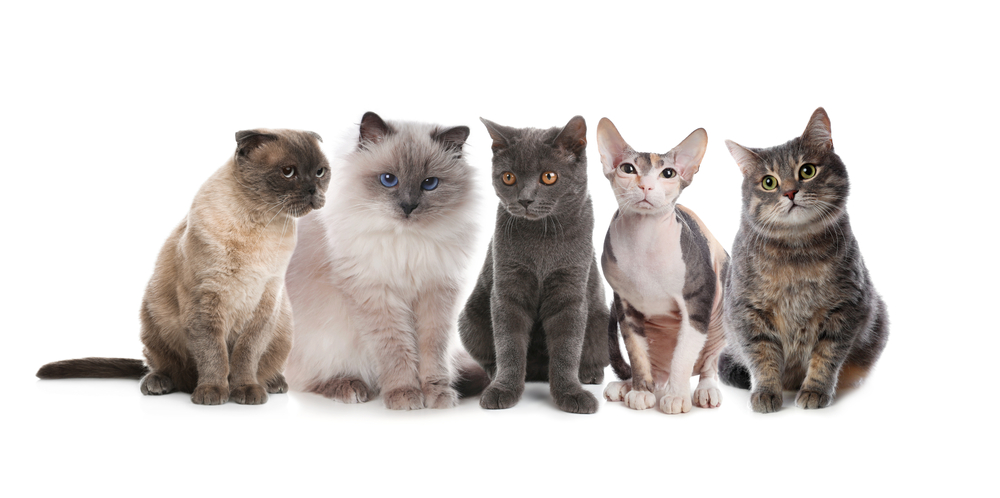
Physical traits help spot a breed quickly. Persian cats have long, thick fur and flat faces. Their eyes are big and round. Bengal cats have spotted coats, similar to wild cats.
Scottish Folds have unique folded ears that bend forward. Sphynx cats are hairless and feel warm to touch. Coat color, eye shape, and body size also vary widely.
Personality Profiles
Siamese cats are vocal and social. They love attention and play often. Maine Coons are gentle giants, friendly with children and pets. Persians are calm and enjoy quiet time.
Bengals are energetic and curious. They need lots of play and activity. Scottish Folds are sweet and adapt well to new places. Sphynx cats crave warmth and human company.
Identifying Breed Characteristics
Identifying your cat’s breed starts with observing key traits. These traits help narrow down possibilities. Cats show unique features in their coat, body, and eyes. Each breed has distinct characteristics. Noticing these can guide you to your cat’s breed or mix.
Take your time. Look closely at your cat’s appearance. This approach helps you understand more about your pet’s background.
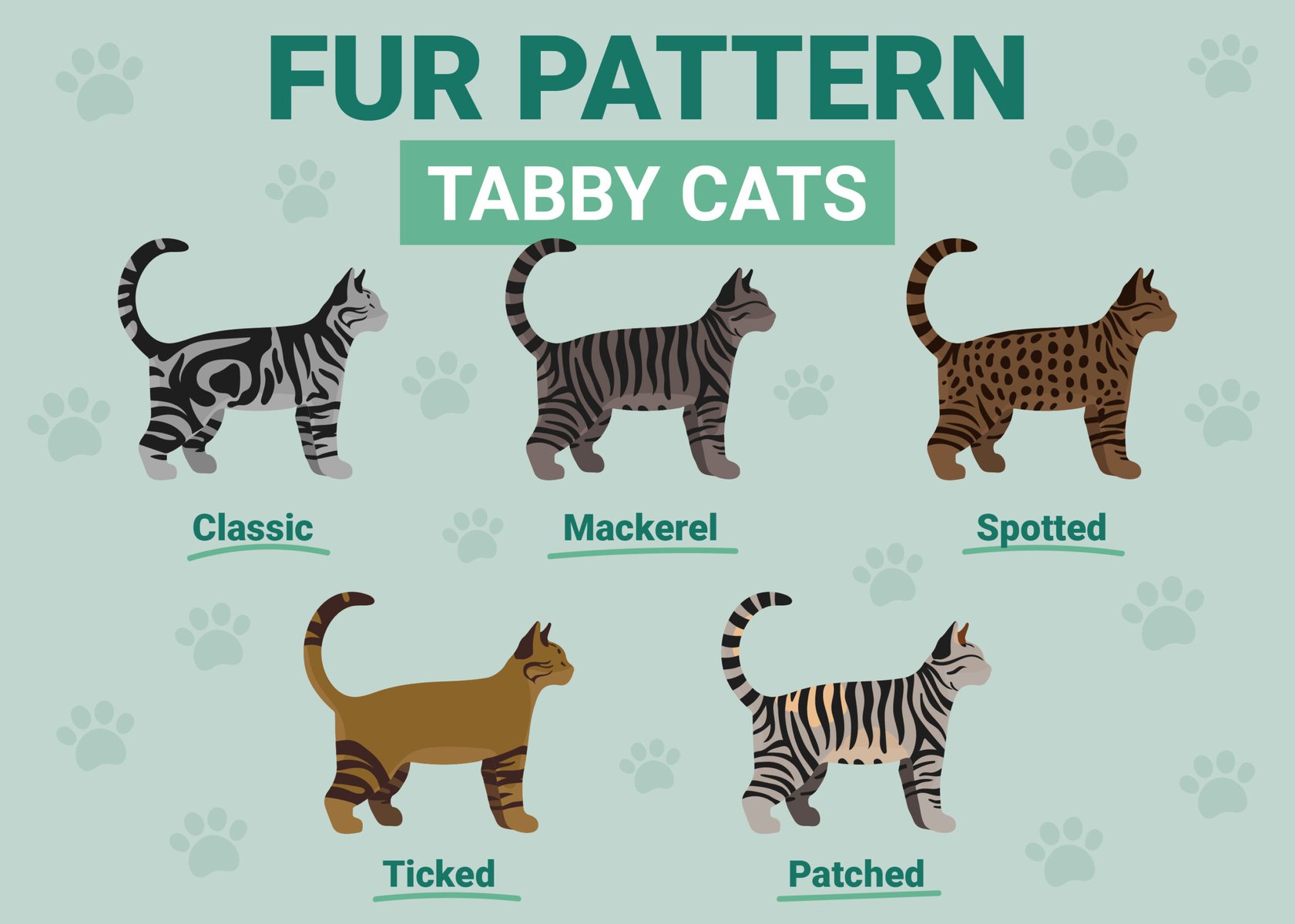
Coat Patterns And Colors
Coat patterns vary widely among cats. Some have stripes, spots, or solid colors. Common patterns include tabby, calico, and tuxedo. Color also matters. It can be black, white, gray, orange, or mixed. These patterns and colors often link to specific breeds. For example, Siamese cats have distinct color points. Recognizing patterns can point to breed origins.
Body Shape And Size
Body shape tells a lot about breed. Some cats have long, lean bodies. Others are short and stocky. Size differs too. Some breeds are large and muscular. Others stay small and delicate. Pay attention to leg length and tail shape. These details help identify the breed’s typical build.
Eye Color And Shape
Eyes reveal unique breed traits. Some cats have round eyes, others almond-shaped. Eye color ranges from blue to green, amber, or copper. Certain breeds have signature eye colors. For example, Russian Blues often have green eyes. Eye shape and color add clues to your cat’s breed type.
Using Dna Testing For Cats
Discovering your cat’s breed can be fun and helpful. DNA testing offers a clear way to learn about your cat’s origins. It reveals breed types and health risks. This knowledge helps you care for your cat better. DNA tests are easy to do at home and provide fast results.
How Cat Dna Tests Work
Cat DNA tests analyze a small saliva sample. You collect it using a swab inside your cat’s cheek. The sample goes to a lab for examination. The lab checks the DNA for breed markers and genetic traits. Results usually arrive in a few weeks. These results show your cat’s breed mix and sometimes health info.
Popular Testing Kits
Several reliable cat DNA kits exist on the market. Most kits include clear instructions and a swab tool. Some popular brands provide breed and health reports. Prices vary, but many kits are affordable. Choose one with good reviews and easy sample collection. Fast shipping and clear results improve your experience.
Interpreting Test Results
Test reports list your cat’s breeds with percentages. This helps you understand your cat’s background. Some results show traits linked to behavior or health. Read the report carefully for tips on care. Contact a vet if you see health risks. Use this info to give your cat a happy life.
Credit: www.expresioncuenca.com
Mixed Breed Cats
Mixed breed cats are common pets worldwide. They do not belong to one specific breed. These cats often have traits from several breeds. This mix gives them unique looks and personalities. Understanding mixed breed cats helps owners care for them better.
Common Mixes And Traits
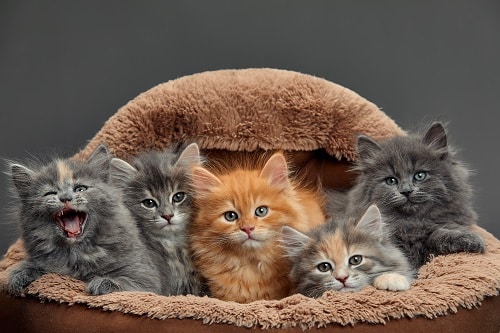
Many mixed breed cats show a blend of features. You might see short or long fur. Colors can vary from solid to striped or spotted. Some have round faces, others have sharp features. Their size can range from small to large. This variety makes each mixed breed cat special.
Behavioral Tendencies
Mixed breed cats often have balanced personalities. They can be playful and curious. Many enjoy human company and are friendly. Some may be shy or independent. Their behavior depends on their genetics and environment. They adapt well to different homes.
Health Considerations
Mixed breed cats tend to be healthier than purebreds. They usually have fewer inherited health problems. Still, regular vet visits are important. Watch for common issues like dental disease or obesity. Proper diet and exercise keep them strong. Early care helps prevent many health problems.
Tracing Your Cat’s Ancestry
Tracing your cat’s ancestry can be exciting and rewarding. It reveals your pet’s background and breed traits. Knowing your cat’s roots helps understand its behavior and health needs. Several ways exist to trace your cat’s family tree.
Adoption And Shelter Records
Shelters often keep records about the cats they house. These records may include breed information or physical descriptions. Ask the shelter staff for any documents or notes on your cat. Photos or notes can help identify your cat’s possible breed. These records offer a starting point for learning about your cat’s origins.
Breeder Information
Breeders provide detailed information about the cat’s lineage. They keep pedigree papers that list ancestors and breed history. Contacting the breeder can offer insights into your cat’s traits and health. Breeders may also share photos of your cat’s parents and siblings. This information helps confirm your cat’s breed and background.
Historical Breed Origins
Many cat breeds have rich histories tied to certain regions. Learning about breed origins helps understand your cat’s characteristics. For example, Siamese cats come from Thailand, known for their striking markings. Maine Coons hail from the United States, famous for their large size and fluffy tails. Studying breed history adds depth to your cat’s story and identity.
Credit: www.ovrs.com
Benefits Of Knowing Your Cat’s Breed
Knowing your cat’s breed offers many benefits for both you and your pet. It helps you understand your cat better and provide the best care possible. Each breed has unique traits that affect health, behavior, and diet. Learning about these traits can improve your cat’s life and your relationship.
Health And Nutrition Insights
Different cat breeds have different health risks. Knowing the breed helps you watch for specific illnesses. You can also choose the right food for your cat’s needs. Some breeds need more protein, while others require special vitamins. Proper nutrition keeps your cat strong and healthy.
Training And Behavior Tips
Each breed has its own personality and energy level. Knowing the breed helps you understand your cat’s behavior. Some cats are playful and need lots of exercise. Others are calm and prefer quiet time. You can train your cat better by knowing what it likes and dislikes.
Enhancing Your Bond
Understanding your cat’s breed helps you connect with it deeply. You learn what makes your cat happy and comfortable. This knowledge builds trust and love between you and your pet. A strong bond makes your cat feel safe and loved every day.
Credit: www.pdinsurance.co.nz
Frequently Asked Questions
How Can I Identify My Cat’s Breed At Home?
You can start by examining your cat’s physical traits like size, coat pattern, and eye color. Online cat breed guides and quizzes help narrow down possibilities. For accuracy, consider DNA testing kits designed for cats, which provide detailed breed information.
What Are Common Cat Breeds With Unique Features?
Popular breeds include Siamese with their blue eyes, Maine Coon for their large size, and Persian cats with long fur. Each breed has distinct traits, such as personality, coat type, and vocalization, making identification easier for cat owners.
Can Cat Breed Affect Behavior Or Personality?
Yes, breed influences behavior. For example, Siamese cats are vocal and social, while British Shorthairs are calm and reserved. Understanding your cat’s breed helps predict temperament and care needs, improving your pet’s well-being and your interaction.
Is Dna Testing Reliable For Cat Breed Identification?
DNA tests are highly reliable, offering precise breed breakdowns and genetic health risks. They require a simple cheek swab, and results arrive within weeks. This method is the most accurate way to discover your cat’s breed heritage.
Conclusion
Discovering your cat’s breed helps you understand their unique traits. Each breed has special needs and behaviors to learn about. Knowing your cat’s background can improve your care and bonding. Every cat deserves love and attention, no matter the breed.
Enjoy the journey of learning more about your furry friend. Your cat’s story is part of what makes them special. Keep exploring, and cherish the moments with your pet.