
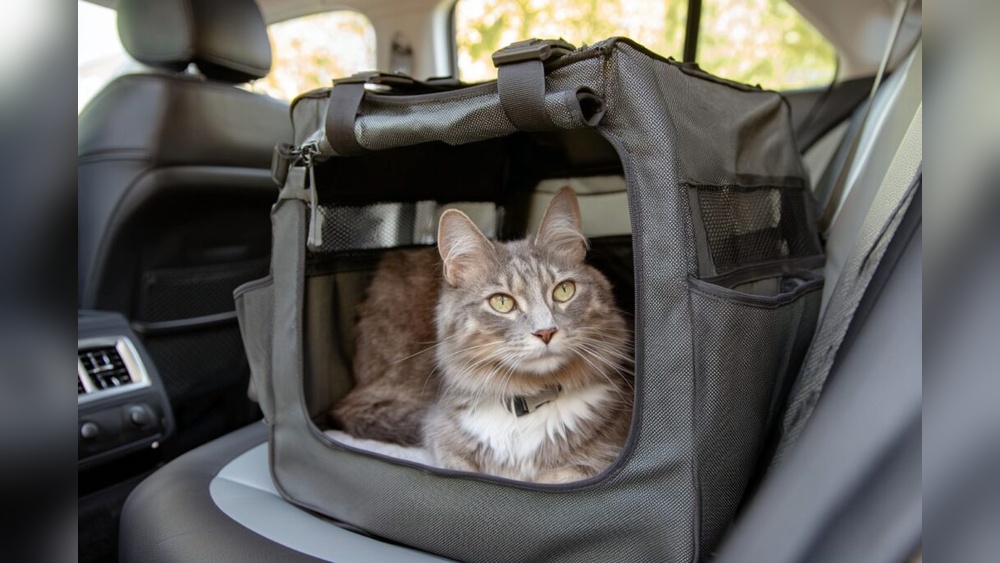
Traveling long distance with your cat can feel overwhelming. You want to keep your furry friend safe, calm, and comfortable throughout the trip.
But where do you start? What should you prepare? This guide will help you plan every step, so your cat stays happy and stress-free on the road or in the air. Keep reading to discover simple, effective tips that make traveling with your cat easier than you ever thought possible.

Credit: www.walmart.com
Preparing Your Cat For Travel
Preparing your cat for a long-distance trip helps reduce stress and keeps them safe. Cats feel more comfortable in familiar spaces. Preparation starts days before the journey. Each step makes travel easier for your pet.
Choosing The Right Carrier
Select a carrier that fits your cat well. It should be large enough to allow movement but small enough to feel cozy. Look for carriers with good ventilation and secure locks. A sturdy carrier prevents escapes and injuries. Soft-sided carriers work well for short trips. Hard-sided ones offer more protection for long travel.
Familiarizing Your Cat With The Carrier
Health Check And Vaccinations
Visit the vet for a full health check before travel. Ensure vaccinations are current and ask about travel-specific shots. Discuss flea, tick, and parasite prevention with your vet. Get a health certificate if required by airlines or border control. Keep all medical records handy during the trip. A healthy cat travels better and avoids problems on the way.
Packing Essentials For The Trip
Packing the right items makes long trips easier for your cat. Prepare carefully to keep your pet safe and calm. Choose essentials that cover food, comfort, and health needs. This helps reduce stress and makes travel smoother for both of you.
Food And Water Supplies
Bring enough food for the entire trip plus extra. Use your cat’s regular food to avoid stomach problems. Carry fresh water in a spill-proof container. Pack portable bowls for feeding and drinking. Keep food and water easily reachable during stops.
Comfort Items And Toys
Include your cat’s favorite blanket or bed for comfort. Familiar smells help calm your cat in new places. Add a few small toys to keep your cat entertained. Avoid noisy or large toys that may scare your pet. Comfort items make travel less stressful.
Medications And Health Records
Bring all prescribed medicines your cat needs. Pack any supplements or special treatments as well. Carry a copy of your cat’s health records and vaccination history. These documents help vets in emergencies. Keep medications in labeled containers for easy use.
Traveling By Car With Your Cat
Traveling by car with your cat requires careful planning. Cats feel safe in familiar spaces. The car can be loud and strange for them. Your goal is to make the journey smooth and stress-free. Prepare the car and your cat well before the trip. This helps your cat stay calm and comfortable throughout the ride.
Securing The Carrier Safely
Use a sturdy carrier for your cat’s safety. The carrier should be large enough for comfort. Place soft bedding inside the carrier. Secure the carrier with a seatbelt or place it on the floor. This stops it from moving during sudden stops. Avoid letting your cat roam free in the car. It can distract the driver and risk the cat’s safety.
Managing Breaks And Hydration
Plan regular stops every two to three hours. Use these breaks to offer water and check on your cat. Never open the carrier in an open space. Find a quiet, enclosed area for breaks. Keep your cat hydrated to avoid dehydration. Carry a small bowl and fresh water for your cat.
Keeping Your Cat Calm
Talk to your cat in a soft, soothing voice. Bring a favorite toy or blanket to comfort them. Avoid loud music and sudden noises in the car. Keep the temperature inside the car comfortable. You can cover the carrier with a light cloth to reduce visual stress. Use calming sprays or pheromones designed for cats if needed.

Credit: technomeow.com
Flying With A Cat
Flying with a cat can be stressful for both pet and owner. Careful planning helps reduce anxiety. Knowing what to expect during the flight is important. This section explains key tips for flying with your cat safely.
Airline Policies And Requirements
Each airline has its own rules for pets. Check the pet policy before booking. Some airlines allow cats in the cabin. Others require pets to fly in cargo. Airlines often limit the number of pets per flight. A health certificate from your vet may be necessary. Make sure your cat’s carrier meets size rules. Confirm if any fees apply for pet travel.
Booking Direct Flights
Direct flights reduce travel time and stress for your cat. Avoid layovers to prevent extra handling. Less time in airports means less chance of escape. Choose flights that fit your cat’s comfort needs. Book early to secure a spot for your pet. Direct flights make the journey smoother and safer.
Handling Security Checks
Security checks can be tricky with pets. You must take your cat out of the carrier. Carry your cat securely in your arms or on a leash. The carrier will go through the X-ray machine. Ask for help from security staff if needed. Stay calm to keep your cat calm. Plan ahead to move quickly through security.
During The Journey
Traveling long distances with a cat requires careful attention during the journey. Cats can feel uneasy and stressed in new environments. Keeping them calm and comfortable helps make the trip smoother. Watch your cat closely and respond to its needs. Small actions can improve your cat’s travel experience.
Monitoring Your Cat’s Behavior
Watch your cat for signs of discomfort or stress. Restlessness, meowing, or hiding can mean anxiety. Notice if your cat eats or drinks less than usual. Look for heavy breathing or trembling. These signs need quick attention. Keep the carrier secure and stable. Check your cat often but avoid loud noises. Calm voices help your cat feel safer.
Dealing With Stress And Anxiety
Many cats get nervous during travel. Use familiar blankets or toys inside the carrier. These provide comfort and a sense of home. Speak softly to soothe your cat’s nerves. Avoid sudden movements or loud sounds. Try pheromone sprays designed to calm cats. Give your cat breaks if possible. Let your cat stretch in a safe spot. Patience and gentle care reduce anxiety.
Maintaining Hydration And Feeding Schedule
Keep your cat hydrated throughout the trip. Offer small amounts of water regularly. Avoid giving too much food right before travel. Feed your cat at usual times if the trip is long. Use light, easy-to-digest meals to prevent upset stomach. Carry portable bowls for water and food. Staying on a schedule helps your cat feel secure. A well-fed and hydrated cat is more relaxed.

Credit: technomeow.com
After Arrival
After a long trip, your cat needs time to adjust. The new place smells different and feels strange. Helping your cat settle makes the transition easier. Watch closely and act with care. Your cat will thank you with calm and trust.
Acclimating Your Cat To The New Environment
Let your cat explore slowly. Start with one room only. This helps your cat feel safe. Gradually open more areas over days. Keep the lights soft and quiet. Use familiar toys and blankets. These items bring comfort and calm.
Setting Up A Safe Space
Create a quiet spot just for your cat. Include a cozy bed and litter box nearby. Add food and water bowls in this space. Keep it away from loud noises and heavy traffic. Your cat will return here to rest and feel secure.
Watching For Signs Of Travel Stress
Look for changes in eating or sleeping. Hiding more than usual can mean stress. Notice any unusual meowing or aggression. Your cat might groom too much or refuse food. Contact a vet if stress signs last long. Early care helps your cat recover faster.
Frequently Asked Questions
How To Prepare A Cat For Long-distance Travel?
Start by visiting the vet for a health check and vaccinations. Use a comfortable, secure carrier. Familiarize your cat with the carrier before travel. Pack essentials like food, water, and litter. Keep your cat calm with gentle handling and familiar items.
What Are The Best Carriers For Cat Travel?
Choose a sturdy, well-ventilated carrier that fits your cat comfortably. Soft-sided carriers are lightweight and portable. Hard carriers offer more protection. Ensure the carrier has secure locks and is airline-approved if flying. Add a cozy blanket or towel for comfort.
How To Keep A Cat Calm During Long Trips?
Use calming sprays or pheromone diffusers in the carrier. Speak softly and avoid sudden movements. Keep the environment quiet and avoid loud noises. Offer familiar toys or blankets. Take breaks on road trips for water and litter use.
Can Cats Eat During Long-distance Travel?
Offer small, frequent meals to prevent nausea. Use familiar food to avoid digestive issues. Provide fresh water regularly to keep your cat hydrated. Avoid feeding just before travel to reduce motion sickness. Always monitor your cat’s comfort and appetite.
Conclusion
Traveling long distances with a cat takes careful planning. Keep your cat calm and safe during the trip. Bring familiar items like a favorite toy or blanket. Offer small amounts of food and water regularly. Take breaks to let your cat stretch and relax.
Speak softly to help reduce stress. Preparing well makes travel easier for both of you. Enjoy the journey together and stay patient. Your cat will appreciate the care you give. Safe travels and happy adventures!