

Have you ever wondered where your playful, purring cat comes from? Behind every domestic feline lies a wild ancestor with sharp instincts and untamed beauty.
Understanding which wild cat species are closely related to your furry friend can change how you see and care for them. This knowledge not only deepens your bond but also reveals fascinating secrets about their behavior and traits. Keep reading, and discover the wild roots that connect your beloved pet to nature’s most intriguing cats.
Domestic Cats And Their Wild Relatives
Domestic cats share a close bond with certain wild cat species. These connections reveal much about their behavior and traits. Understanding these links helps us appreciate our feline friends better.
Origins Of Domestic Cats
Domestic cats began their journey thousands of years ago. They descended from wild cats in the Middle East. Early humans welcomed these cats for pest control. Over time, cats adapted to living near people. This change marked the start of the domestic cat we know today.
Genetic Links To Wild Species
Research shows domestic cats are closely related to the African wildcat. Both share many genetic traits. This wildcat still lives in the deserts of Africa. Other wild species, like the European wildcat, also share common ancestors. These genetic ties explain many shared behaviors and instincts.

Credit: www.science.org
The Felis Genus Family
The Felis genus includes small wild cats closely linked to domestic cats. These wildcats share a common ancestor with house cats. Their genetics and physical traits are quite similar.
The Felis genus offers clues about the origins of domestic cats. Studying these wildcats helps understand cat behavior and evolution. Many domestic breeds come from this group.
Wildcats Of The Felis Group
Several wildcat species belong to the Felis genus. The European wildcat (Felis silvestris) is one example. It looks much like a big domestic tabby cat. The African wildcat (Felis lybica) is another key species. This wildcat is the direct ancestor of most house cats.
Other Felis members include the jungle cat (Felis chaus) and the sand cat (Felis margarita). These cats live in different habitats but share many features with domestic cats. Their size, shape, and hunting skills are alike.
Similarities In Behavior And Appearance
Wildcats in the Felis genus behave like domestic cats. They are mostly solitary and territorial. They use scent marking to communicate. Hunting techniques are similar, relying on stealth and quick pounces.
Appearance also shows strong resemblance. Felis wildcats have short fur and sharp retractable claws. Their eyes are large with vertical pupils. These traits help them see well at night.
Coat patterns vary but often include stripes or spots. This camouflage helps them hide from predators. Domestic cats still carry these patterns from their wild relatives.
Wild Cat Species Closest To Domestic Breeds
Domestic cats share a close history with several wild cat species. These wild cats are the ancestors of many house cats seen today. Understanding these species helps us learn about the traits and behaviors of domestic cats.
African Wildcat
The African wildcat is the closest relative to domestic cats. It lives in Africa and parts of the Middle East. This wildcat looks very similar to house cats. It has a striped, sandy-colored coat that helps it blend into dry environments. Scientists believe domestic cats descended mainly from this species about 9,000 years ago.
European Wildcat
The European wildcat lives in forests across Europe. It has a thick, bushy tail and a striped coat. This wildcat is larger and more robust than domestic cats. Though not a direct ancestor, it shares many traits with some domestic breeds. Its presence in the wild shows how different wildcats influenced cat varieties in Europe.
Asiatic Wildcat
The Asiatic wildcat lives in Central and South Asia. It has a sandy or gray coat with faint stripes. This wildcat adapts well to dry and rocky areas. It is closely related to domestic cats in Asia. Studies show some domestic breeds share genes with the Asiatic wildcat, especially in desert regions.
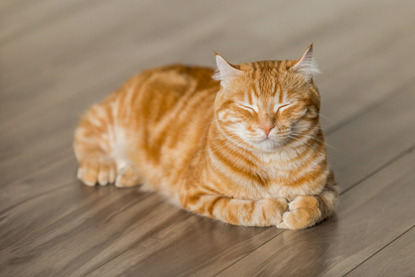
Credit: www.cats.org.uk
Unusual Wild Cat Connections
Wild cats share surprising links with our domestic cats. Some wild species look different but are closely related. These connections help us understand how domestic cats evolved. They also reveal the origins of unique cat breeds we see today.
Leopard Cat And Domestic Breeds
The leopard cat is a small wild cat found in Asia. It is one of the closest wild relatives of domestic cats. Scientists say domestic cats share many genes with leopard cats. This link is clear in some hybrid cat breeds. Leopard cats have beautiful spotted coats. Their patterns inspired the look of some domestic cats.
Hybrid Breeds And Their Origins
Hybrid cat breeds come from crossing wild cats with domestic ones. These breeds combine wild looks with tame behavior. The Bengal cat is a famous hybrid breed. It has leopard cat ancestors. Breeders created Bengals to have wild patterns and friendly nature. Another hybrid, the Savannah cat, descends from the wild serval. Hybrid cats show how wild genes blend with domestic ones. They reveal the strong bond between wild and pet cats.
Impact Of Wild Relatives On Domestic Cats
The impact of wild relatives on domestic cats is significant. Wild cats share many traits with our pet cats. These traits affect domestic cats’ health, behavior, and genetics. Understanding these links helps us care for cats better. It also shows how cats evolved over time. Wild cat species contribute to the diversity seen in domestic breeds today.
Genetic Diversity And Health
Wild cat species add genetic variety to domestic cats. This variety helps domestic cats resist diseases. It also improves their ability to adapt to different environments. Breeds with wild ancestors often have stronger immune systems. Genetic diversity reduces the risk of inherited health problems. It makes domestic cats healthier and more resilient.
Behavioral Traits Inherited From Wild Ancestors
Domestic cats show behaviors from their wild relatives. Hunting skills and curiosity come from wild ancestors. Playfulness and independence also reflect wild cat traits. These behaviors help cats survive in the wild. They also explain why domestic cats act the way they do. Understanding these traits helps owners meet cats’ needs better.
Conservation And Coexistence
Conservation and coexistence play a key role in protecting wild cat species and domestic breeds. Wild cats share many traits with domestic cats. This makes their survival connected to human actions. Keeping wild cats safe helps maintain nature’s balance. It also supports the health of domestic cat breeds.
Many wild cats face threats from habitat loss and human activities. Protecting them requires effort and knowledge. Humans and wild cats can live together peacefully. Understanding their needs helps avoid conflicts and preserves their homes.
Protecting Wild Cat Species
Wild cat species need safe places to live and breed. Protected areas and parks offer shelter from dangers. Conservation groups work to stop poaching and illegal trade. Education helps people respect wild cats and their habitats. Healthy ecosystems support wild cats and other wildlife. Protecting forests and grasslands also protects wild cats.
Challenges In Maintaining Genetic Integrity
Wild cats and domestic cats can sometimes breed. This mixes their genes and changes wild traits. Keeping wild cats pure is hard near farms and towns. Crossbreeding can weaken wild cat populations. Scientists track genetics to understand and protect wild cats. Strong genetic lines keep wild cats unique and healthy.
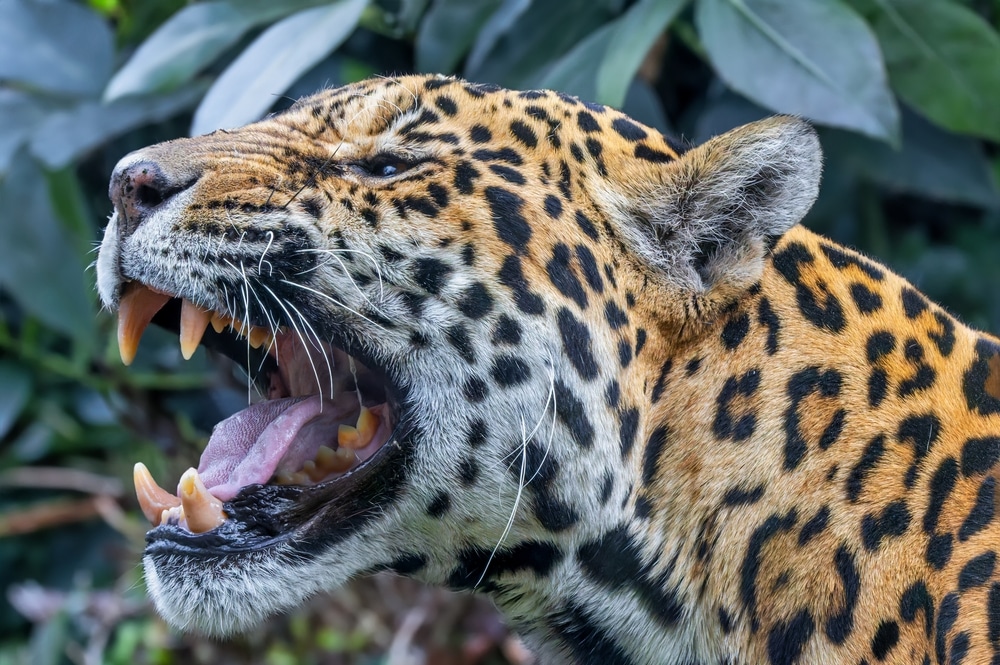
Credit: www.lionstigersandbears.org
Frequently Asked Questions
Which Wild Cats Are Genetically Closest To Domestic Cats?
The African wildcat (Felis lybica) is the closest wild relative of domestic cats. They share over 95% of their DNA. Domestic cats originated from these wildcats around 9,000 years ago in the Near East.
Are Any Big Cats Related To Domestic Breeds?
Big cats like lions, tigers, and leopards belong to the Panthera genus. Domestic cats belong to the Felis genus. They share a common ancestor but are not closely related in recent evolutionary terms.
How Did Domestic Cats Evolve From Wild Species?
Domestic cats evolved through natural selection and human domestication. Early humans tamed African wildcats to control pests. This partnership led to genetic changes, distinguishing domestic cats from their wild ancestors over thousands of years.
Can Domestic Cats Interbreed With Wild Cats?
Domestic cats can interbreed with some wildcats like the African wildcat. Their offspring are fertile and share traits from both species. However, interbreeding with larger wildcats is not possible due to genetic differences.
Conclusion
Domestic cats share roots with wild species like the African wildcat. These wildcats have shaped many traits we see today. Understanding this link helps us appreciate cats more. It shows how nature and humans worked together. Domestic breeds carry a bit of wild spirit inside.
This bond makes cats unique pets worldwide. Knowing their history adds to our love for them. Wild relatives remind us of cats’ natural past. They are companions with a wild heart.