
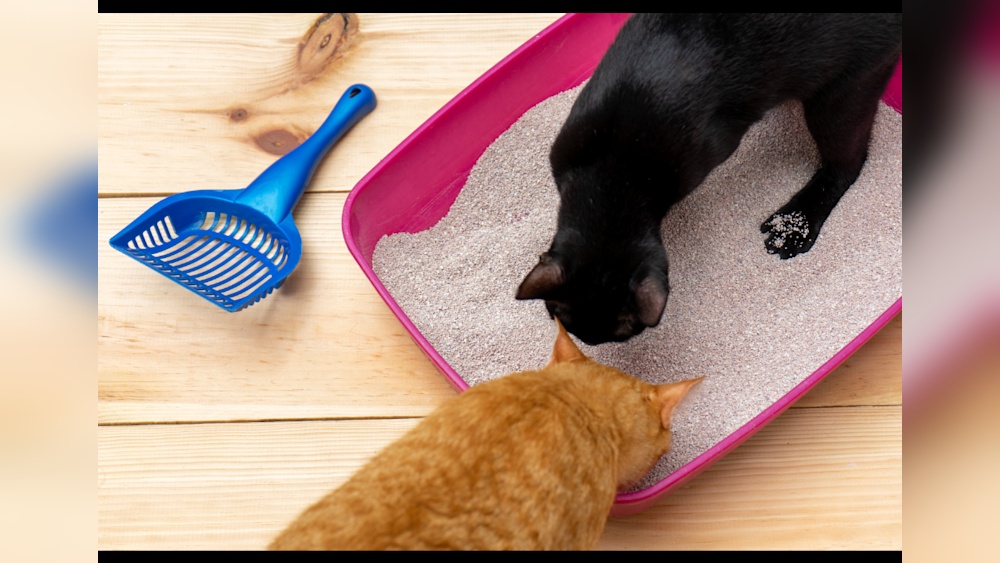
Potty training your cat to use a litter box might seem tricky, but it’s easier than you think. If you want a clean home and a happy kitty, learning the right steps can save you time and stress.
Imagine never having to worry about accidents again or cleaning up messes from unexpected places. In this guide, you’ll discover simple, effective tips that work for cats of all ages. Keep reading, and soon your cat will be confidently using the litter box every time.
Credit: www.purina.com
Choosing The Right Litter Box
Choosing the right litter box is a key step in potty training your cat. A good litter box helps your cat feel comfortable. This encourages them to use it regularly. Understanding size, type, and placement can make the process easier.
Different cats have different needs. Picking the right box can prevent accidents and stress. Here is what you need to know.
Size And Type Options
Select a litter box that fits your cat well. It should be big enough for your cat to turn around inside. Small boxes can make cats avoid using them.
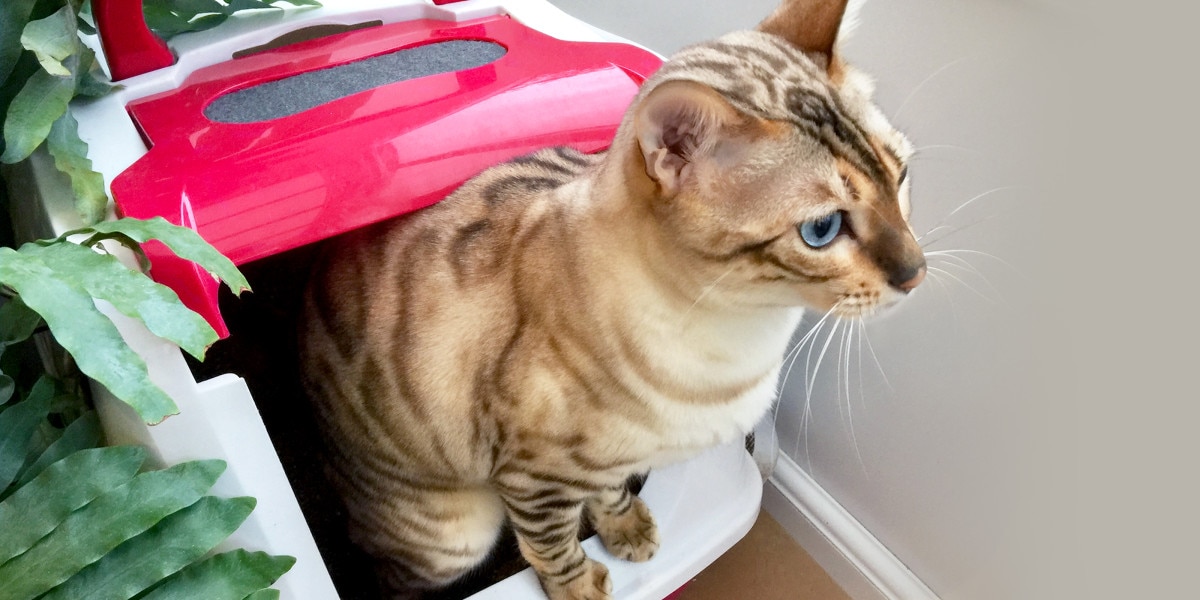
Types include covered and uncovered boxes. Covered boxes offer privacy but might trap odors. Uncovered boxes are easier to clean and may feel less confined.
Consider your cat’s age and size when choosing. Kittens need smaller, low-sided boxes. Larger cats need bigger boxes with sturdy sides.
Placement Tips
Place the litter box in a quiet, low-traffic area. Cats like privacy and calm places to do their business. Avoid noisy rooms or near their food bowls.
Keep the box on a flat surface. Avoid slippery floors where the box might move. Clean the area around the box often to keep it inviting.
Number Of Boxes Needed
Have enough boxes for your cats. The rule is one box per cat, plus one extra. This helps avoid fights or stress over using the box.
Spread boxes out in different areas. This gives your cat choices and reduces accidents. More boxes mean more chances your cat will use them.
Selecting The Best Litter
Selecting the best litter is key to potty training your cat successfully. Cats can be picky about their litter, so choosing the right one helps them feel comfortable. The right litter encourages your cat to use the box regularly. It also keeps your home clean and odor-free. Consider the texture, scent, and depth of the litter to make the best choice.
Texture And Material Choices
Cats prefer litter that feels soft on their paws. Clay, clumping, and natural litters are popular options. Clay litters absorb moisture well but can be dusty. Clumping litters make cleaning easier by forming solid clumps. Natural litters like wood or paper are gentle and eco-friendly. Observe your cat’s preference to pick the best texture.
Scented Vs Unscented
Cats have sensitive noses and may avoid strong smells. Scented litters mask odors but can deter some cats. Unscented litters offer a natural smell and attract cats better. Choose unscented litter to keep your cat comfortable. This choice reduces the chance of your cat avoiding the box.
Litter Depth
Fill the box with enough litter for digging and covering waste. Usually, 2 to 3 inches is ideal. Too little litter makes digging hard. Too much litter can cause mess outside the box. Keep the depth consistent to help your cat get used to the box quickly.
Introducing Your Cat To The Box
Introducing your cat to the litter box is the first step in potty training. This stage helps your cat get familiar with the new spot. A calm and patient approach makes the process easier. Your cat will learn to connect the box with a safe place to go.
Initial Exposure
Place the litter box in a quiet, easy-to-access area. Avoid noisy or busy places. Show the box to your cat by gently placing them inside. Let your cat sniff and explore without pressure. This helps reduce fear or confusion about the box.
Encouraging Exploration
Allow your cat to visit the litter box often. Watch your cat’s behavior and guide them if needed. Use toys or treats near the box to attract attention. Keep the box clean to make it inviting. A clean box encourages your cat to return.
Using Positive Reinforcement
Praise your cat when it uses the box correctly. Offer small treats or gentle petting as rewards. Avoid punishment for accidents outside the box. Positive rewards build good habits and trust. This helps your cat feel safe and confident.
Credit: www.kinship.com
Establishing A Routine
Establishing a routine helps your cat learn where and when to use the litter box. Cats feel safe and comfortable with a regular schedule. A steady routine reduces accidents and makes training faster. Consistency is key to helping your cat adapt.
Feeding And Litter Box Timing
Feed your cat at the same times every day. After eating, cats usually need to go to the bathroom. Take your cat to the litter box 15 to 30 minutes after meals. This habit links eating and using the litter box. Keep the litter box clean and in a quiet spot.
Monitoring Behavior
Watch your cat’s actions closely. Notice signs like sniffing or scratching the floor. These signs mean your cat needs to go. Gently guide your cat to the litter box at these times. Praise your cat when it uses the box correctly. This positive feedback encourages good habits.
Handling Accidents
Accidents happen. Do not punish your cat. Clean the area well with an odor remover. This stops your cat from returning to that spot. Redirect your cat to the litter box after an accident. Stay calm and patient to build trust and success.
Cleaning And Maintenance
Keeping the litter box clean is key to potty training your cat. Cats dislike dirty boxes and may avoid them. Regular cleaning helps keep your cat happy and healthy. It also reduces odors and prevents litter buildup.
Daily Cleaning Tips
Remove waste from the litter box every day. Scoop out clumps of urine and feces. This keeps the box fresh and inviting. Use a small scoop to make cleaning easy. Check the litter level and add more if needed. Clean around the box to keep the area tidy.
Deep Cleaning Schedule
Empty the litter box completely once a week. Wash it with warm water and mild soap. Avoid harsh scrubbing that can leave smells behind. Dry the box thoroughly before adding new litter. This deep cleaning stops bacteria and odors. Replace the litter with fresh, clean material each time.
Avoiding Strong Chemicals
Do not use strong chemicals or bleach to clean the box. These can harm your cat’s sensitive nose. Strong smells may scare your cat away from the box. Use gentle, unscented cleaners instead. Vinegar and baking soda work well for cleaning. Keep the cleaning products safe and pet-friendly.
Credit: www.embracepetinsurance.com
Troubleshooting Common Issues
Potty training a cat can have some bumps along the way. Problems often arise that confuse pet owners. Knowing how to fix these common issues saves time and frustration. Understanding why your cat misbehaves helps find quick solutions.
Refusal To Use The Box
Sometimes cats just refuse the litter box. They might not like the box’s size or shape. A dirty box can also cause refusal. Cats want a clean, private place. Try changing the box or cleaning it more often. Use unscented litter to avoid upsetting their nose. Place the box in a quiet area. Watch your cat’s behavior to learn what it prefers.
Litter Box Avoidance
Some cats avoid the box but still need to go. Stress or changes in the home can cause this. New pets or moving furniture might scare them. Try adding more boxes around the house. Keep boxes in calm spots away from loud noises. Make sure boxes are easy to reach. Use positive rewards when your cat uses the box correctly.
Health-related Concerns
Health issues often cause potty problems. Urinary infections or bladder pain make cats avoid the box. Cats may associate the box with pain and stop using it. A vet visit is important to rule out illness. Watch for signs like blood in urine or frequent urination. Treating health problems helps your cat return to good habits quickly.
Frequently Asked Questions
How Long Does It Take To Potty Train A Cat?
Potty training a cat usually takes 1 to 3 weeks. Consistency and patience speed up the process. Each cat learns at its own pace, so monitor progress and adjust training accordingly.
What Type Of Litter Box Is Best For Cats?
A litter box should be large, easy to enter, and have low sides. Covered boxes reduce odor but some cats dislike them. Choose unscented, clumping litter for easy cleaning and better acceptance.
How Often Should I Clean The Litter Box?
Clean the litter box daily to maintain hygiene and prevent odors. Remove solid waste and clumps daily, and fully change litter weekly. Regular cleaning encourages cats to use the box consistently.
Can All Cats Be Potty Trained To Use A Litter Box?
Most cats can learn to use a litter box with proper guidance. Kittens adapt quickly, while some adult cats may need extra time. Avoid punishment and use positive reinforcement for best results.
Conclusion
Potty training a cat takes patience and gentle guidance. Use the right litter box and place it in a quiet spot. Clean the box often to keep your cat comfortable. Praise your cat when it uses the box correctly. Avoid punishment; it can confuse your pet.
Small steps lead to big success over time. Soon, your cat will enjoy a clean, safe bathroom habit. Consistency and care make this process easier for both of you. Keep trying, and your cat will learn well.