
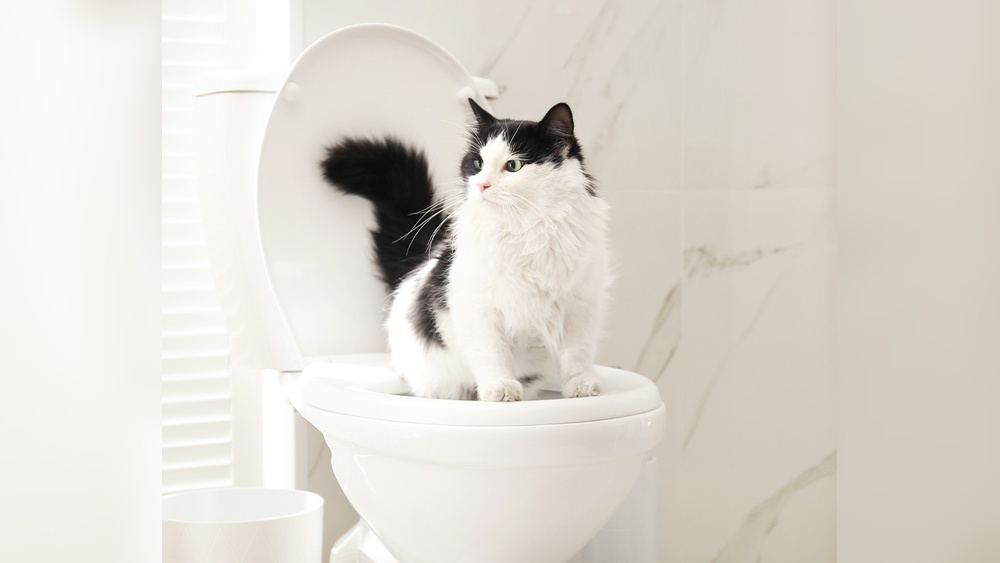
Have you ever wondered if you could potty train your cat? Imagine saying goodbye to litter boxes and the constant mess they bring.
It sounds almost too good to be true, right? But what if you could teach your furry friend to use the toilet instead? You’ll discover whether potty training a cat is really possible and what it takes to make it happen.
Keep reading—you might be surprised at how achievable this goal can be for you and your pet.
Potty Training Cats
Potty training cats is different from training dogs. Cats have their own habits and instincts. They usually learn to use a litter box naturally. Still, some cat owners wonder if cats can be trained to use a toilet instead.
Understanding how cats use the litter box helps in potty training. It also shows why cats and dogs behave differently. This knowledge makes training easier and less stressful for both pets and owners.
How Cats Use The Litter Box
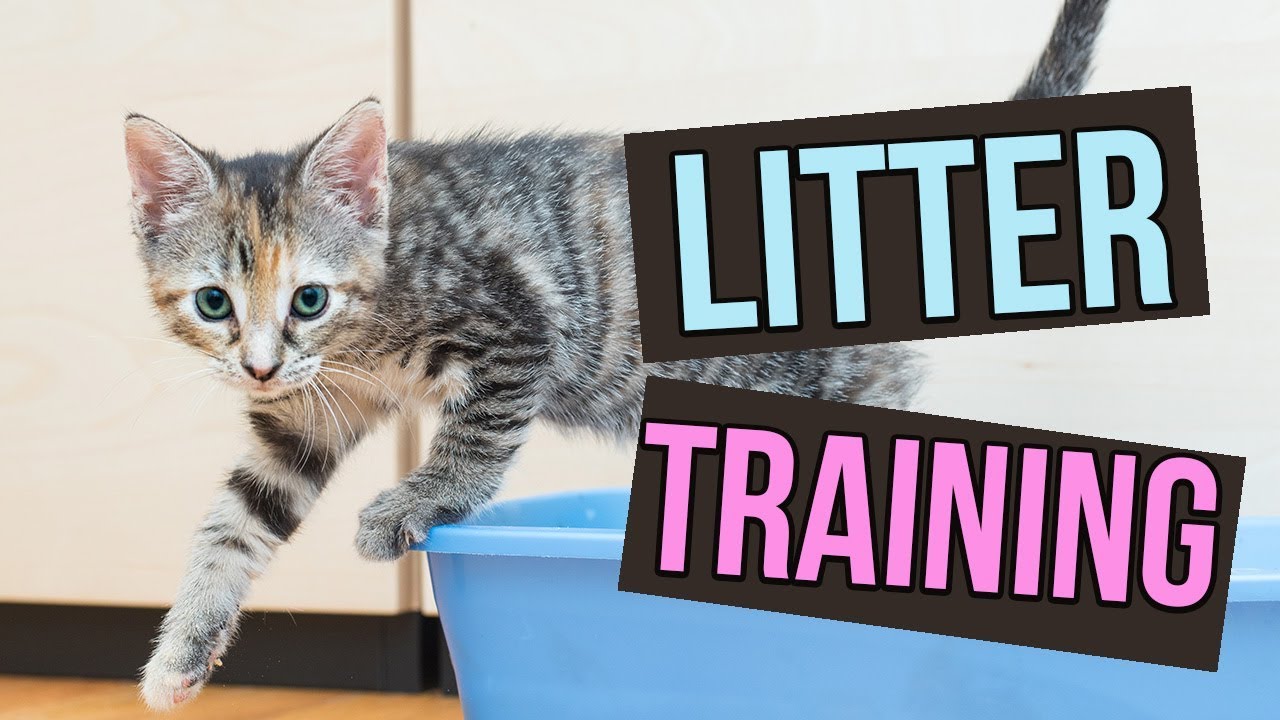
Cats use the litter box because it feels natural to them. They like to dig and cover their waste. This behavior comes from their wild ancestors. The litter box mimics this natural habit.
Most cats quickly learn where the litter box is. They prefer clean, quiet places to do their business. Keeping the box clean helps cats use it regularly. Dirty litter boxes may cause cats to avoid them.
Differences Between Cats And Dogs
Cats and dogs think and act in different ways. Dogs often follow commands and want to please owners. Cats are more independent and less eager to obey. They rely on instincts rather than training.
Dogs can be trained to go outside easily. Cats prefer a private spot like a litter box. This makes potty training cats more about guiding habits. Patience and understanding are key to success.

Credit: www.reddit.com
Benefits Of Potty Training
Potty training a cat offers many benefits beyond just convenience. It can improve your home’s cleanliness and reduce costs. It also helps protect the environment by cutting down on waste. Understanding these benefits shows why some pet owners choose this method.
Hygiene Improvements
Potty training keeps your home cleaner. There is no scattered litter on the floor. It reduces bad smells from the litter box. This creates a fresher living space for everyone. Your cat’s bathroom habits also become more predictable and tidy.
Cost Savings On Litter
Using the toilet means buying less cat litter. Litter can be expensive over time. Saving money on litter adds up quickly. It also means fewer trips to the store. This is a simple way to cut pet expenses.
Environmental Impact
Less cat litter means less waste in landfills. Many litters are not biodegradable. Potty training reduces the amount of plastic bags used. It helps lower your pet’s overall carbon footprint. This small change benefits the planet in the long run.
Getting Started
Potty training a cat takes patience and the right approach. This process starts with simple steps that prepare both you and your cat for success. Begin by choosing tools that fit your cat’s needs. Then prepare your cat for change slowly. Finally, set up a toilet area that feels safe and comfortable.
Choosing The Right Toilet Trainer
Pick a toilet trainer designed for cats. Some trainers fit over the toilet seat. Others come as small trays that fit inside. Look for one that is sturdy and easy to clean. Choose a size that matches your cat’s body. Avoid trainers that seem too big or too small. This helps your cat feel secure and reduces accidents.
Preparing Your Cat
Introduce your cat to the toilet area gently. Start by moving their litter box closer to the bathroom. Let your cat explore the new space. Watch their behavior and offer praise. Gradually lift the litter box closer to the toilet seat. This helps your cat get used to the height. Stay patient and calm during this time.
Setting Up The Toilet Area
Clear the toilet area of any clutter. Ensure the toilet lid stays open at all times. Place the trainer securely on the toilet seat. Make sure it does not wobble or slip. Keep the bathroom quiet and calm. This creates a safe spot for your cat. Clean the area regularly to prevent odors. A clean space encourages your cat to use the toilet.
Step-by-step Training Process
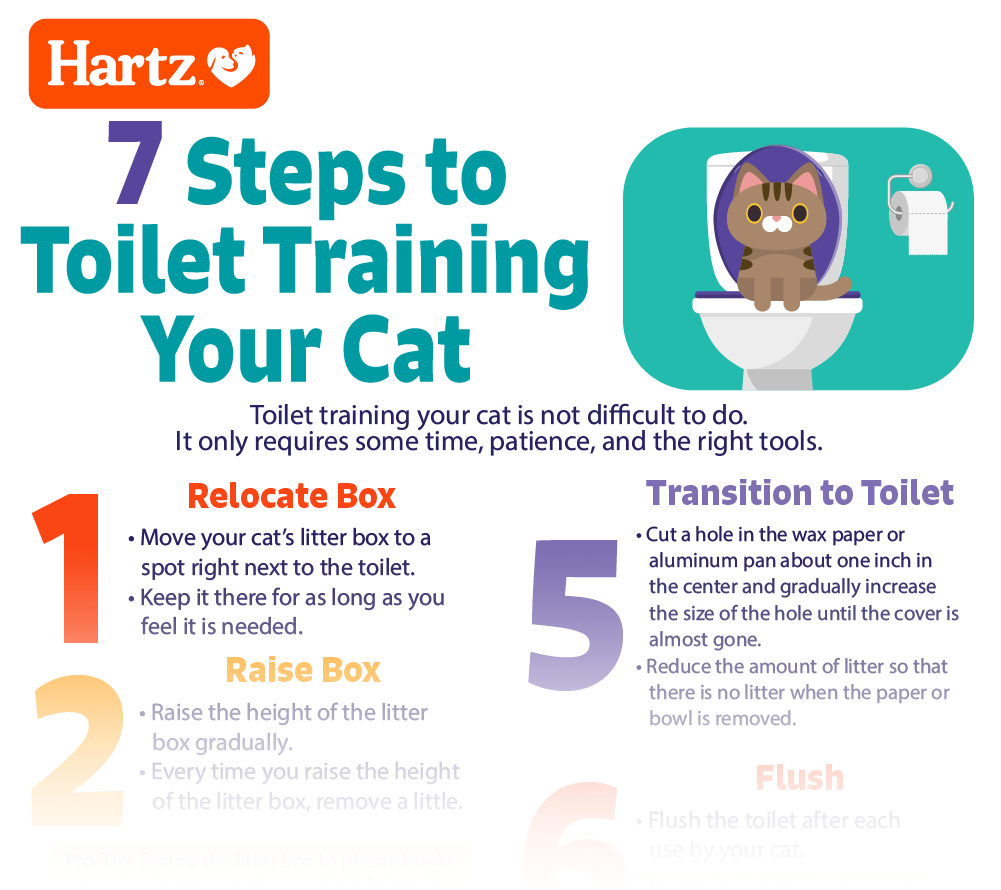
Potty training a cat takes patience and clear steps. It is a gradual process that helps your cat move from using a litter box to the toilet. Each step builds on the last, making it easier for your cat to learn. Consistency and positive reinforcement are key to success.
Transition From Litter Box To Toilet
Start by placing the litter box next to the toilet. Let your cat get used to the new spot. After a few days, raise the litter box a little using books or a stable platform. Raise it slowly over days until it is level with the toilet seat. This helps your cat adjust to the height difference.
Using Training Seats
Replace the litter box with a special training seat made for cats. These seats fit over the toilet bowl. They hold some litter at first to keep the cat comfortable. Over time, the hole in the training seat gets bigger. Your cat learns to balance on the seat and use the toilet.
Gradual Removal Of Litter
Reduce the amount of litter in the training seat little by little. This encourages your cat to use the water to go potty. Watch your cat’s behavior closely for signs of stress. Keep praising or giving treats for good toilet use. Eventually, the litter is gone, and your cat uses the toilet fully.
Common Challenges
Potty training a cat is not easy. Many pet owners face several challenges along the way. Understanding these common challenges helps prepare you for the journey. Patience and persistence are key to success.
Cat Resistance
Cats may resist potty training at first. They prefer their litter boxes out of habit. Some cats feel scared or confused by changes. They may avoid the toilet entirely. Gaining their trust takes time. Using gentle encouragement helps reduce resistance.
Accidents And Setbacks
Accidents are normal during training. Cats may forget or get nervous. Setbacks can happen even after progress. Cleaning accidents quickly prevents bad smells. Never punish your cat. Stay calm and patient to keep moving forward.
Maintaining Consistency
Consistency is vital for success. Always follow the same training steps. Use the same bathroom each time. Avoid sudden changes in routine. Family members should help keep consistency. This builds good habits in your cat.
Credit: www.youtube.com
Additional Tips For Success
Potty training a cat can be challenging but rewarding. Success requires more than just the right tools. It needs careful attention and good habits. These additional tips help make the training easier for both you and your cat.
Following simple steps can improve your chances of success. Understanding your cat’s needs and reactions plays a key role. Here are some helpful tips to guide you.
Positive Reinforcement
Reward your cat with treats or praise after each success. This teaches the cat to repeat good behavior. Avoid punishment, as it may cause fear or confusion. Keep rewards immediate to connect actions with praise. Positive reinforcement builds trust and encourages learning.
Patience And Timing
Training takes time. Each cat learns at its own pace. Don’t rush or force your cat to use the toilet. Watch for natural moments when the cat wants to go. Gently guide the cat during these times. Consistency and calmness help the process.
Monitoring Cat Behavior
Pay close attention to your cat’s signals and habits. Notice when and where the cat prefers to eliminate. Changes in behavior might mean stress or discomfort. Adjust training methods based on your cat’s responses. Staying observant helps avoid setbacks.
When To Seek Professional Help
Potty training a cat can be tricky. Some cats learn quickly, while others struggle. Knowing when to seek professional help saves time and stress. Experts can guide you if problems persist or worsen. They understand cat behavior and health well.
Behavioral Issues
Sometimes cats refuse to use the litter box. This can show stress, fear, or confusion. A professional can find the root cause of these behaviors. They offer advice on training techniques that suit your cat. They help improve your cat’s comfort and trust. This support often leads to better potty habits.
Health Concerns
Sudden changes in bathroom habits may signal illness. Urinary tract infections and bladder problems are common. A vet can diagnose and treat these conditions early. Ignoring health issues can make training impossible. Timely medical help ensures your cat stays healthy and happy.
Credit: www.hartz.com
Frequently Asked Questions
Can Cats Be Trained To Use A Toilet Instead Of A Litter Box?
Yes, cats can be trained to use a toilet with patience and consistency. It requires gradual steps and positive reinforcement to succeed.
How Long Does It Take To Potty Train A Cat?
Potty training a cat usually takes 4 to 8 weeks. Each cat learns at its own pace, so patience is essential.
Are There Special Kits Available For Cat Toilet Training?
Yes, several toilet training kits for cats are available. These kits simplify the process and make training more manageable for owners.
What Are The Benefits Of Potty Training A Cat?
Potty training eliminates litter box odors and mess. It also reduces litter costs and can be more hygienic for your home.
Conclusion
Potty training a cat takes patience and time. Not all cats will learn easily. Some enjoy using the litter box more. Success depends on your cat’s personality. Stay calm and keep training steps clear. Small rewards help encourage good habits.
Expect some accidents along the way. Remember, each cat is unique and different. Training can strengthen your bond with your pet. Think carefully before starting this process. It can be done, but it’s not simple. Keep your cat’s comfort as the top goal.
You might find the effort worth it.