
Have you ever wondered if it’s easy to potty train a cat? You’re not alone.
Many cat owners wish their furry friends could skip the litter box and use the toilet instead. Imagine the convenience—no more scooping or smelling litter. But is this dream realistic for you and your cat? Keep reading to discover the surprising truths, simple steps, and expert tips that can make potty training your cat easier than you think.
Your cat’s habits could change for the better, and your home could feel cleaner and fresher. Ready to find out how? Let’s dive in.
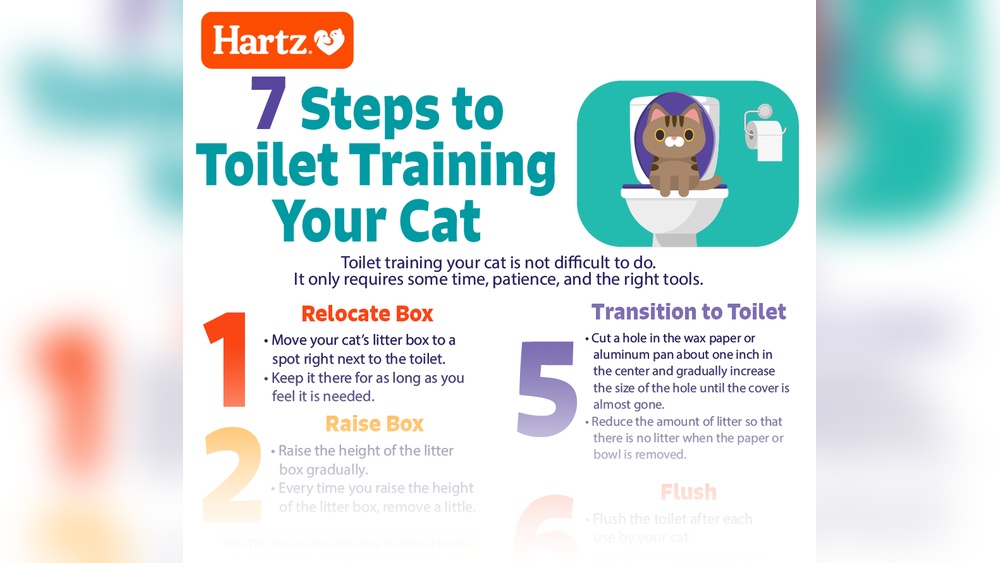
Credit: www.hartz.com
Cat Potty Training Basics
Potty training a cat takes patience and the right approach. Understanding the basics helps make the process easier for both you and your cat. This section explains key points to start your cat’s potty training journey.
When To Start Training
Start training when your cat is young, around 8 to 12 weeks old. Younger cats learn new habits faster. Adult cats can learn too, but it may take longer. Watch your cat’s behavior for signs it is ready to train.
Choosing The Right Method
Pick a method that suits your cat’s personality and your home setup. Some cats adapt well to litter boxes. Others may learn to use a toilet. Be patient and consistent with the chosen method. Avoid sudden changes that can confuse your cat.
Essential Supplies
Gather supplies before you start training. Use a clean litter box or a training seat for the toilet. Have gentle cleaning products to remove accidents. Treats can help reward your cat’s progress. Keep everything ready to support smooth training.
Step-by-step Training Guide
Potty training a cat takes time and patience. Follow these simple steps to help your cat learn. Each step builds on the last for a smooth transition.
Start slow and observe your cat’s behavior. Adjust the process to fit your cat’s comfort level. Consistency is key to success in this training.
Introducing The Litter Box
Place a clean litter box in a quiet, easy-to-reach spot. Show your cat where it is by gently placing them inside. Praise your cat when they use it correctly. Keep the box clean to encourage use. Avoid moving it around too much to prevent confusion.
Transitioning To The Toilet
Move the litter box closer to the toilet over several days. Gradually raise the box height using books or a stool. This helps your cat get used to the toilet level. Replace the litter with flushable litter to prepare for the next step. Watch your cat’s comfort and progress carefully.
Using Training Seats
Use a special cat training seat that fits on the toilet. Start with litter in the seat to mimic the litter box. Slowly reduce litter amount as your cat adapts. Remove the seat once your cat feels confident. Always reward your cat with praise or treats.
Common Challenges
Potty training a cat can bring many challenges. Cats have unique habits and feelings. Training them needs patience and understanding. Common problems can slow down progress. Knowing these challenges helps prepare for the journey.
Handling Resistance
Cats may resist potty training at first. They like their usual spots. Changing their habits can cause stress. Some cats avoid new places. They may hide or act stubborn. Patience is key to help them adjust.
Dealing With Accidents
Accidents happen often during training. Cats may urinate or poop outside the target area. Clean accidents quickly to remove smells. Avoid punishment. It can make cats scared. Use gentle guidance to teach the right place.
Managing Fear And Anxiety
Fear can stop cats from using the potty. Loud noises or sudden changes add to anxiety. A calm and quiet space helps. Give cats time to feel safe. Comfort and gentle encouragement work best.

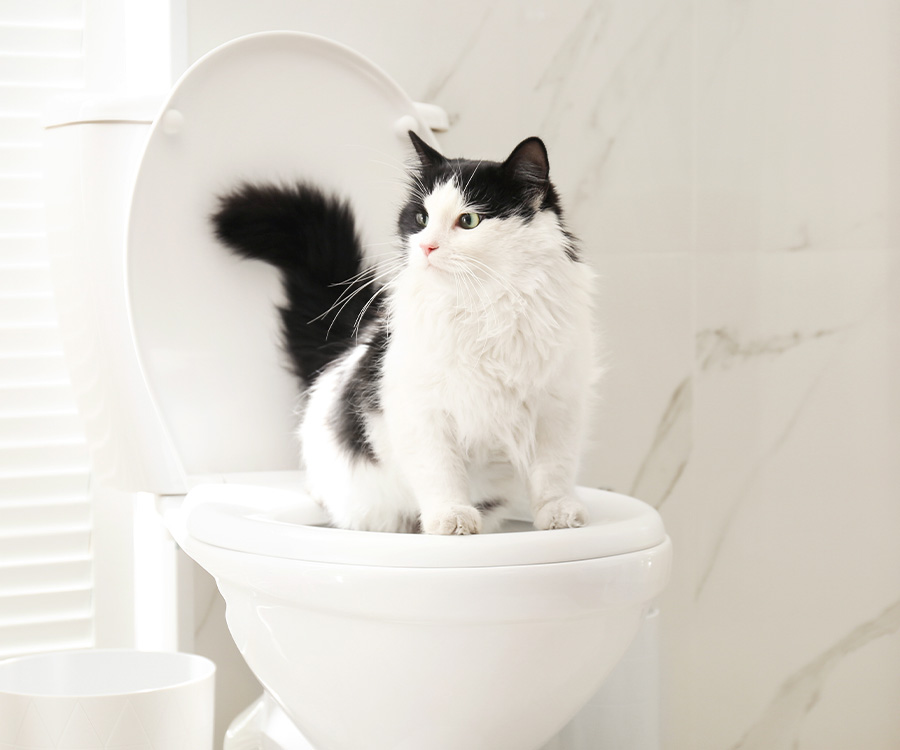
Credit: www.briopets.com
Tips For Success
Potty training a cat can be challenging but rewarding. Success depends on a few simple tips. These tips help your cat learn faster and reduce stress. Keep your training clear and steady.
Use these ideas to guide your cat gently. Stay calm and positive. Your cat will respond better with the right approach.
Positive Reinforcement
Reward your cat with treats or praise after good behavior. Cats learn well when they feel happy. Avoid punishment; it can cause fear. Use treats or gentle petting to show approval.
Consistency Is Key
Keep a regular schedule for potty breaks. Always guide your cat to the same spot. Use the same commands or signals each time. This helps your cat understand what to do.
Patience And Timing
Wait for the right moment to train. Start when your cat is calm and alert. Be patient, as learning takes time. Avoid rushing or forcing your cat. Give breaks and stay relaxed.
When To Seek Help
Potty training a cat can be tricky. Sometimes, problems arise that need extra help. Knowing when to seek help saves time and stress. It also keeps your cat healthy and happy.
Signs Of Medical Issues
Watch for sudden changes in your cat’s bathroom habits. Frequent urination or accidents outside the litter box may signal illness. Blood in urine or stool is a serious sign. Excessive licking of the private area can mean pain. Loss of appetite or hiding are also red flags. These signs need prompt attention to avoid bigger problems.
Consulting A Veterinarian
A vet can check your cat’s health thoroughly. They can find infections, bladder stones, or other issues. Early diagnosis helps your cat recover faster. The vet can also advise on behavior related to health. Follow their guidance for medicine or special care. Regular vet visits prevent many potty training setbacks.
Professional Training Resources
Sometimes, behavior problems need expert help. A cat trainer or animal behaviorist can guide you. They offer tips tailored to your cat’s needs. Training classes or online tutorials can improve results. Professionals teach positive reinforcement methods only. These resources help create a stress-free potty training routine.
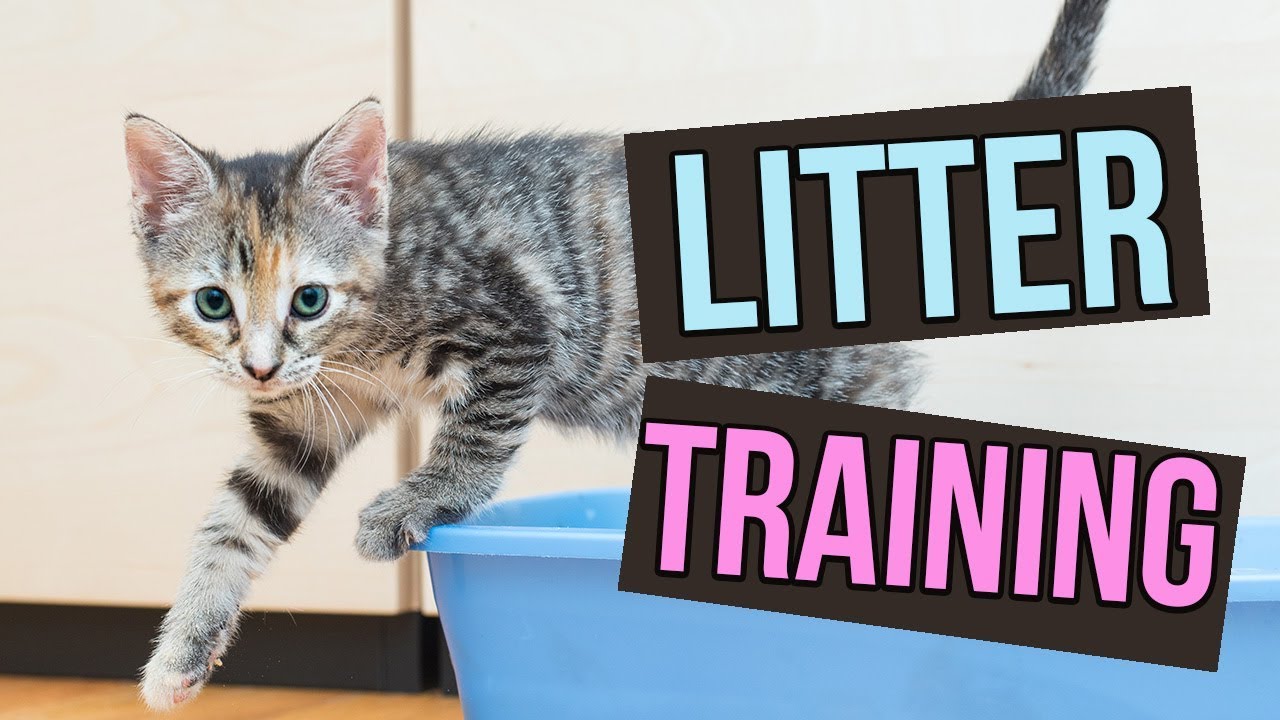
Credit: www.youtube.com
Frequently Asked Questions
Is Potty Training A Cat Difficult To Achieve?
Potty training a cat can be challenging but achievable with patience. Cats need gradual training and positive reinforcement. Consistency and using proper tools like a cat toilet seat help. Success depends on the cat’s temperament and owner’s dedication.
How Long Does It Take To Potty Train A Cat?
Training time varies, typically taking 4 to 8 weeks. Some cats learn faster while others need more time. Consistent practice and patience speed up the process. Monitoring progress and adjusting methods improve success rates.
What Tools Help In Potty Training Cats?
Special cat toilet training seats and gradual litter removal aid training. Training kits often include step-by-step guides. Using these tools reduces accidents and encourages cats to use the toilet. Proper tools simplify the transition from litter box to toilet.
Can All Cats Be Potty Trained Successfully?
Most cats can be trained, but some resist change. Young cats and adaptable breeds learn quicker. Cats with anxiety or certain medical issues may struggle. Success depends on the cat’s personality and training approach.
Conclusion
Potty training a cat can be challenging but not impossible. It needs patience and time. Some cats learn quickly, while others take longer. Stay calm and consistent with your training steps. Celebrate small successes along the way. Remember, every cat is different and unique.
Keep your expectations realistic and enjoy the process. With care, your cat can learn good bathroom habits. It’s a journey worth trying.