
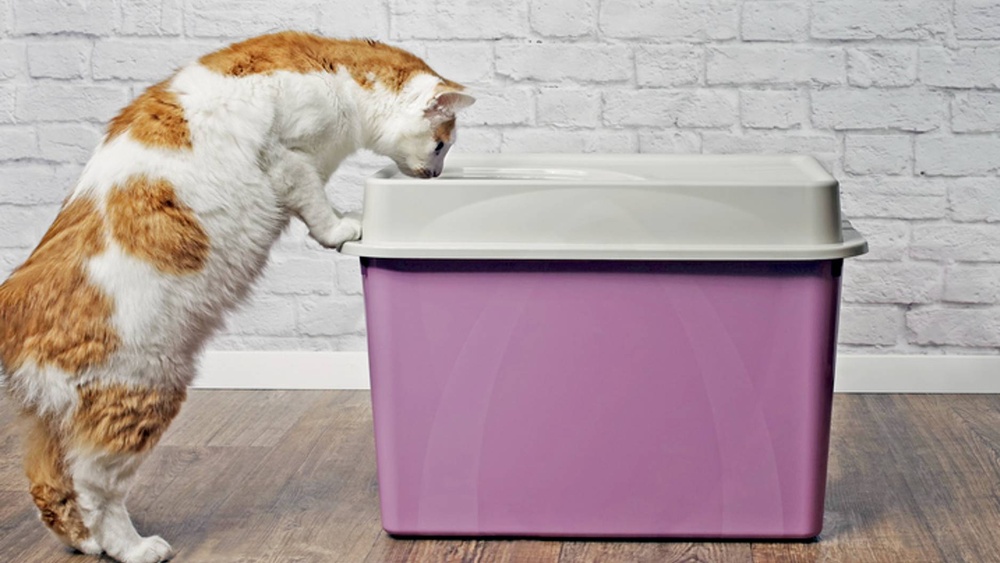
Potty training a cat might seem easy when they are kittens, but what if your furry friend is older and never learned? You might think it’s too late or even impossible.
But the truth is, your older cat can learn new habits with the right approach. Imagine a home free of accidents and a cat that uses its litter box every time. You will discover simple, effective steps to potty train your older cat, making life easier for both of you.
Keep reading, because these tips could change your daily routine for the better.

Credit: www.audioglobal.com.br
Benefits Of Potty Training Older Cats
Potty training an older cat can improve life for both you and your pet. Older cats may need a little more time to learn, but the benefits are clear and lasting. Training helps keep your home cleaner and your cat healthier.
Older cats often face challenges with litter boxes. Training them to use a toilet reduces accidents and odors. It also saves money on litter and cleaning supplies.
Cleaner Home Environment
Potty training keeps your home fresh and free from litter mess. No more scattered litter or urine smells in rooms. This makes your living space more pleasant and hygienic.
Better Health For Your Cat
Using a toilet can reduce infections from dirty litter boxes. Older cats with arthritis find it easier to go without bending low. This can prevent pain and discomfort during bathroom visits.
Cost Savings Over Time
Toilet training reduces the need to buy litter regularly. It cuts down on cleaning supplies and time spent cleaning. This can save money and effort in the long run.
Stronger Bond With Your Cat
Training builds trust and communication between you and your pet. Your cat learns to follow your guidance gently. This strengthens your relationship and understanding.
Signs Your Cat Is Ready
Knowing when your older cat is ready for potty training helps make the process easier. Cats show clear signs that they understand where to go. Watching your cat closely reveals these important clues. Recognizing readiness helps you start training at the right time. It makes learning faster and less stressful for both of you.
Watching Your Cat’s Bathroom Habits
Your cat uses the litter box consistently. They return to the same spot to do their business. No accidents happen outside the box. This shows your cat knows where to go. It is a key sign of readiness for potty training.
Showing Interest In The Toilet Area
Your cat looks at the toilet or around it. They may sniff or sit near the toilet bowl. This curiosity means they notice the toilet as a place. It indicates your cat is open to change.
Good Physical Health And Mobility
Your cat moves easily and can jump up to the toilet seat. No pain or stiffness stops them from climbing. Healthy movement is essential for using a toilet. It shows your cat is ready for this new skill.
Ability To Follow Simple Commands
Your cat responds to basic commands or cues. They can learn and remember simple instructions. This means they can understand potty training steps. It helps them adapt faster to the new routine.
Choosing The Right Litter Box
Choosing the right litter box plays a big role in potty training an older cat. Older cats need comfort and ease to adapt well. The right box makes them feel safe and encourages good habits. It also helps avoid accidents around the house. Focus on size, access, and litter type to meet your cat’s needs.
Box Size And Accessibility
Pick a litter box that fits your cat’s size comfortably. Older cats may have joint pain or less flexibility. A box with low sides helps them enter and exit easily. Avoid deep or high-sided boxes that can be hard to climb into. Place the box in a quiet, calm area to reduce stress. Make sure your cat can reach it without trouble.
Litter Type Preferences
Choose a litter type that your cat prefers and finds comfortable. Some cats like fine, soft clumping litter. Others prefer non-clumping or natural options like paper or wood pellets. Avoid scented litters that can irritate sensitive noses. Clean the box regularly to keep it fresh. A clean box encourages your cat to use it consistently.
Preparing The Training Area
Preparing the training area is a key step in potty training an older cat. Creating a calm and clean space helps your cat feel safe. This encourages better learning and faster success.
Location Selection
Choose a quiet spot for the litter box. Avoid busy or noisy rooms. Cats prefer private places to do their business. Make sure the area is easy for your cat to reach. Avoid places near their food and water bowls.
Keeping The Area Clean
Clean the litter box daily to keep it fresh. Cats dislike dirty spaces and may avoid them. Use unscented, clumping litter for best results. Remove waste often to prevent smells. Regular cleaning helps your cat stay comfortable and healthy.
Step-by-step Training Process
Potty training an older cat takes patience and care. The process involves clear steps that help your cat adjust slowly. Each step builds trust and comfort with the new routine. Follow these steps carefully for best results.
Introducing The Box
Start by placing a litter box in a quiet, easy-to-access spot. Let your cat explore it without pressure. Keep the box clean and filled with familiar litter. Show your cat the box gently and let them smell it. This helps your cat understand where to go.
Encouraging Use
Encourage your cat to use the box by rewarding good behavior. Use soft praise or a small treat after your cat uses the box. Watch your cat closely and guide them to the box after meals or naps. Keep the box in the same place to create routine. Consistency helps your cat feel safe and learn faster.
Dealing With Accidents
Accidents can happen. Clean any messes quickly with a pet-safe cleaner. Avoid scolding your cat as it may cause fear. Gently guide your cat back to the litter box. Patience and calm help your cat learn without stress. Keep your cleaning routine steady to remove smells.

Credit: www.ushapolytubes.com
Tips For Patience And Consistency
Potty training an older cat takes patience and consistency. Cats need time to learn new habits. Stay calm and keep routines steady. This helps your cat feel safe and understand what to do.
Expect slow progress. Celebrate small wins. Avoid punishment. Positive actions work best. Your calm attitude influences your cat’s behavior.
Set A Regular Schedule
Feed your cat at the same times daily. Cats often use the litter box after eating. A schedule helps your cat learn when to go. Keep feeding and potty times steady.
Use The Same Litter Box
Place the litter box in a quiet, easy-to-find spot. Do not move it often. Cats prefer familiar places. A consistent location helps them remember where to go.
Reward Good Behavior
Give treats or gentle praise after your cat uses the box. Rewards teach your cat what you want. Stay positive and patient with every success.
Be Patient With Accidents
Accidents happen. Do not yell or punish. Clean the area well to remove smells. Calmly guide your cat back to the box. Patience helps build trust and learning.
Handling Common Challenges
Potty training an older cat can bring some challenges. Many cats resist new habits. Some face health problems that affect their training. Understanding common issues helps you find the right solution quickly.
Reluctance To Use The Box
Some cats do not like the litter box at first. The box might be dirty or in a noisy place. Cats prefer quiet, clean areas. Try changing the box location if needed.
Use unscented, soft litter to make the box more inviting. Avoid scented or rough litter that scares cats. Praise your cat when it uses the box correctly. Patience is key. It may take time for your cat to adjust.
Health Concerns
Health issues can cause potty problems in older cats. Urinary tract infections or kidney problems make it hard to hold urine. Arthritis may make getting into the box painful.
Watch for signs like frequent urination or accidents outside the box. Visit a vet for a checkup to rule out illness. Treating health problems can improve your cat’s potty habits. Adjust the box to be easier for your cat to enter and exit.
When To Seek Professional Help
Potty training an older cat can be tricky and sometimes frustrating. Knowing when to seek professional help saves time and stress. Some signs show that a vet or behaviorist needs to step in.
Ignoring these signs can make the problem worse for both you and your cat. Professional help can provide solutions that you might not find on your own.
Signs Of Medical Issues
Your cat may avoid the litter box due to pain or illness. Sudden changes in bathroom habits often signal health problems. Blood in urine, frequent urination, or straining are red flags. A vet can diagnose infections or other conditions causing accidents.
Persistent Behavior Problems
Accidents continue despite consistent training efforts. Your cat shows stress or anxiety around the litter box. Aggression or fear linked to bathroom use may need expert help. A cat behaviorist can guide you through special training plans.
Difficulty With Litter Box Setup
Your cat rejects all types of litter or box styles. Changes in litter type or box location do not help. Professional advice helps choose the right litter and box for your cat’s needs.
Stress Or Anxiety In Your Cat
Changes at home affect your cat’s bathroom habits. Moving, new pets, or loud noises can cause stress. A professional can teach calming techniques and recommend products to reduce anxiety.
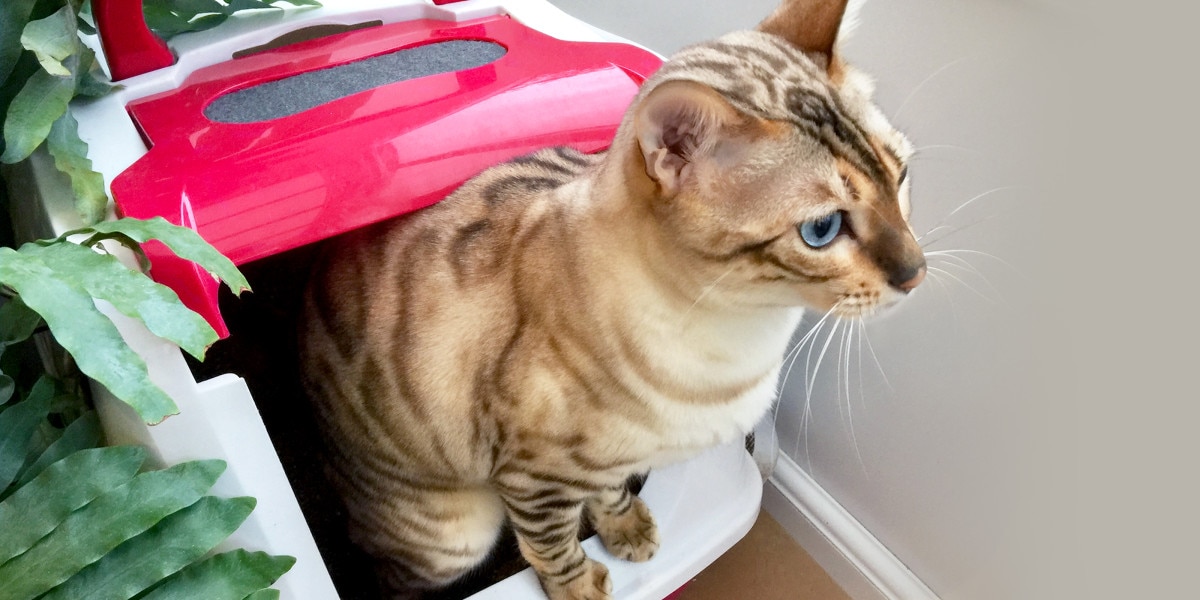
Credit: www.purina.com
Frequently Asked Questions
How Long Does Potty Training An Older Cat Take?
Potty training an older cat usually takes 2 to 4 weeks. Consistency and patience are key to success. Each cat learns at its own pace, so stay calm and supportive throughout the process.
Can Older Cats Learn To Use A Litter Box?
Yes, older cats can learn to use a litter box. It may take more time and gentle encouragement. Make sure the litter box is clean and in a quiet, accessible location to help your cat adjust.
What Are Common Mistakes In Potty Training Older Cats?
Common mistakes include changing litter types frequently and punishing accidents. Avoid moving the litter box often and ensure it’s always clean. Positive reinforcement encourages good behavior and speeds up training.
Should I Change My Older Cat’s Diet During Potty Training?
A balanced diet supports healthy digestion, aiding potty training. Avoid sudden diet changes which may upset your cat’s stomach. Consult your vet if dietary adjustments are needed for better toilet habits.
Conclusion
Potty training an older cat takes time and patience. Stay calm and consistent with your approach. Watch your cat’s behavior closely each day. Celebrate small steps and progress along the way. Avoid punishment; gentle guidance works best. Your cat can learn new habits, even later in life.
Enjoy the process and build trust together. Soon, both of you will feel more comfortable. This effort helps create a happy, clean home. Keep trying, and success will follow.