
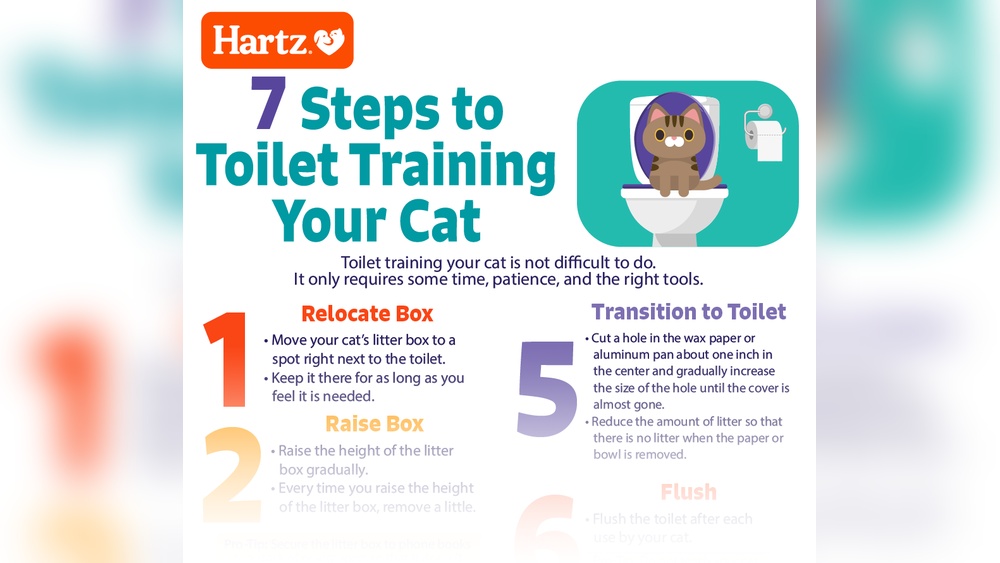
Have you ever wondered if you can re potty train a cat? Maybe your furry friend has started having accidents, or you just want to improve their litter habits.
The good news is, yes—you can teach your cat new bathroom routines, no matter their age. It takes patience and the right approach, but once you know the secrets, you’ll find it easier than you think. Keep reading, and you’ll discover simple steps to help your cat get back on track quickly.
Credit: www.banfield.com
Signs Your Cat Needs Retraining
Noticing that your cat’s potty habits have changed can be frustrating. Cats usually keep a clean litter box routine. A change might mean your cat needs retraining. Understanding the signs helps you act fast. Catching these early can prevent bigger problems.
Behavioral Changes
Your cat’s mood can tell a lot. Sudden aggression or hiding are warning signs. Some cats become restless or meow more. Avoiding the litter box often links to stress. Watch for changes in eating or sleeping. These shifts can mean your cat feels unsure.
Litter Box Issues
Look closely at how your cat uses the box. Missing the box or urinating outside is common. Sometimes the cat digs less or covers poorly. A dirty or smelly box can cause avoidance. New or moved litter boxes confuse cats. These problems suggest retraining is needed.
Choosing The Right Litter Box
Choosing the right litter box plays a key role in re-potty training a cat. The correct box helps your cat feel safe and comfortable. This makes learning new habits easier. Small changes can lead to big improvements in behavior.
Size And Type Options
Select a litter box that fits your cat’s size. Bigger cats need larger boxes to move freely. Small boxes may cause accidents outside the box. Some cats prefer covered boxes for privacy. Others like open boxes to avoid feeling trapped. Consider your cat’s preference and comfort.
Placement Tips
Place the litter box in a quiet, low-traffic area. Avoid noisy or busy spots that scare your cat. Keep the box away from food and water bowls. Cats want clean and private places to do their business. Make sure the spot is easy for your cat to reach. This helps your cat use the box regularly.
Selecting The Best Litter
Choosing the right litter is important for potty training a cat again. The litter affects how your cat feels about using the box. Picking the best one can make the process easier and less stressful for both of you.
Texture And Scent Preferences
Cats like certain textures more than others. Some prefer soft, fine grains while others like coarser types. Try different textures to see which your cat likes best. Scent is also key. Many cats avoid strong smells. Unscented litter is often the safest choice. It feels more natural and less irritating to your cat’s nose.
Cleaning Frequency
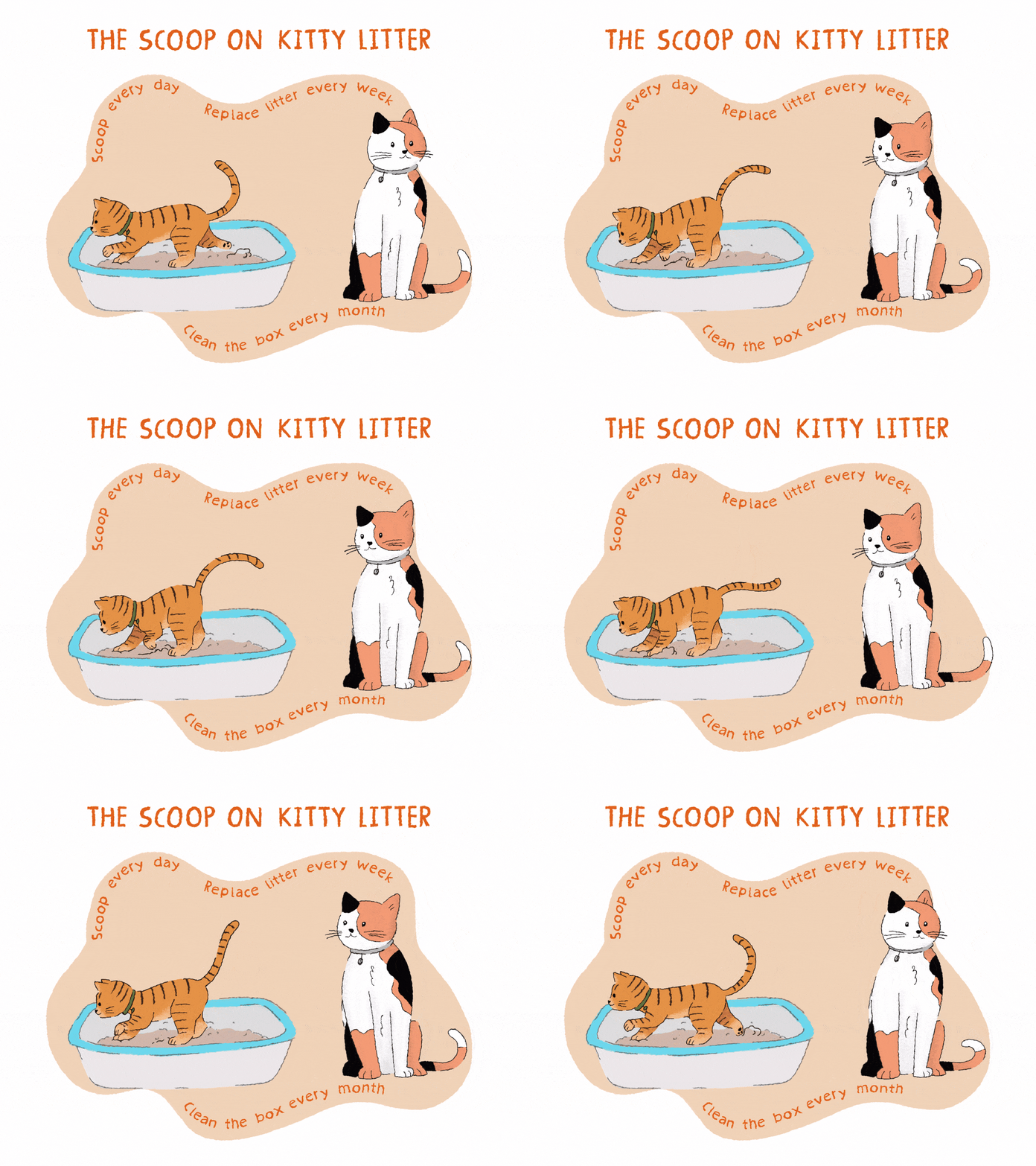
Clean litter boxes often to keep cats happy. Dirty litter can cause your cat to stop using the box. Scoop out waste daily and change the litter fully once a week. Fresh litter helps control odors and keeps the box inviting. Good cleaning habits support successful potty training.
Step-by-step Retraining Process
Retraining a cat to use a litter box takes patience and clear steps. Cats learn best in calm settings. Breaking down the retraining process helps you guide your cat easily. Follow each step carefully to see good results.
Setting Up The Environment
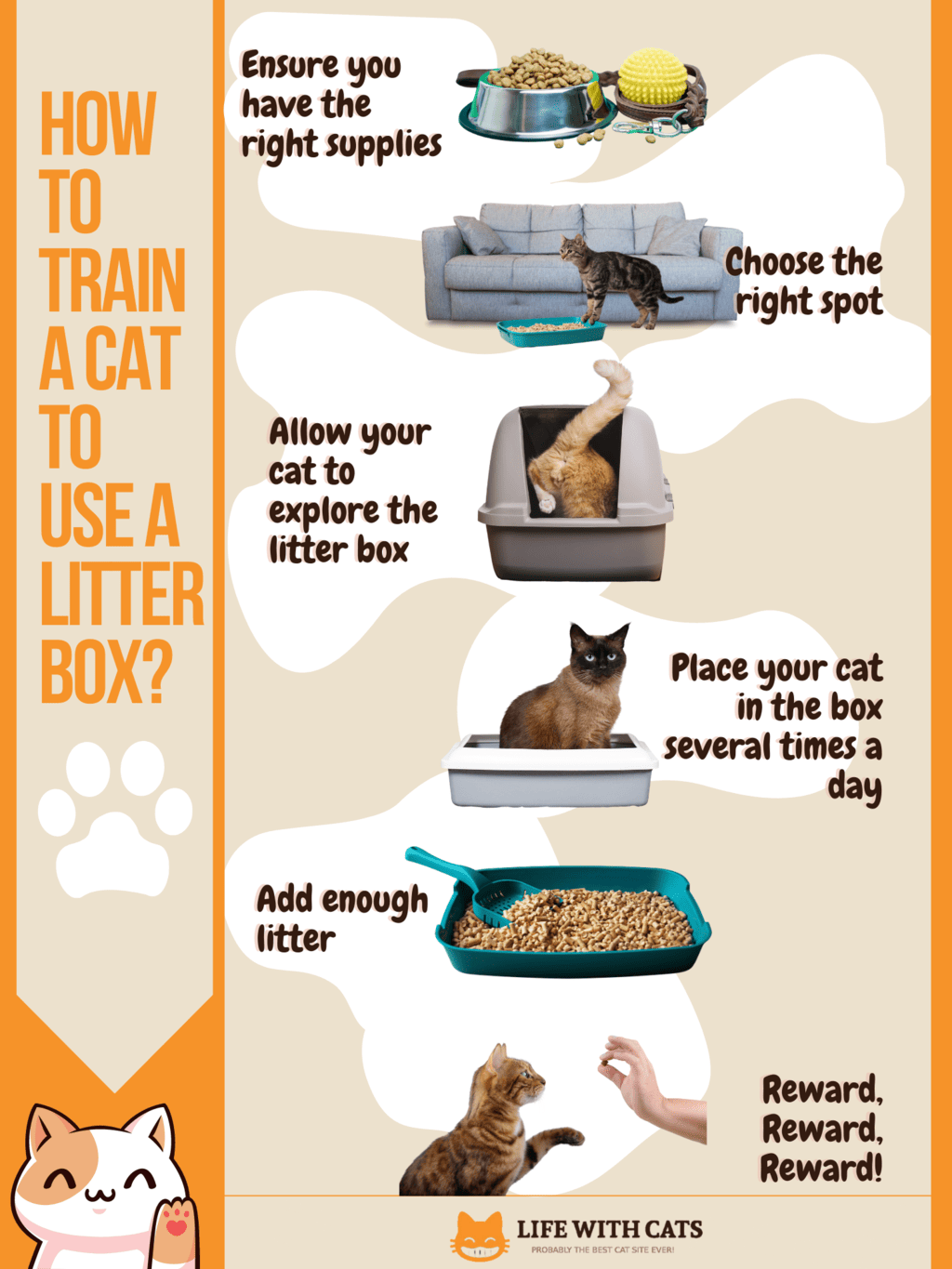
Choose a quiet, low-traffic area for the litter box. Make sure the box is clean and easy to access. Use a litter your cat likes. Keep the box away from food and water bowls. Place multiple boxes if you have many cats. A calm space helps your cat feel safe and comfortable.
Positive Reinforcement Techniques
Reward your cat with treats or gentle praise after using the box. Use soft words and petting to encourage good behavior. Never punish your cat for mistakes. Instead, focus on celebrating successes. Consistent rewards build trust and make learning faster. Positive actions create a strong habit over time.
Dealing With Accidents
Clean accidents immediately using enzyme cleaners. This removes odors that attract your cat back. Avoid harsh chemicals or ammonia. Do not punish or shout at your cat. Calmly guide your cat back to the litter box. Watch for patterns and adjust the setup if needed. Patience is key during this phase.
Common Challenges And Solutions
Re-potty training a cat can be tricky. Many cat owners face common challenges that make the process slow or frustrating. Understanding these challenges helps to find the right solutions. This section covers the main issues and ways to handle them.
Stress And Anxiety Factors
Cats are sensitive to change. New litter boxes, locations, or cleaning routines can cause stress. Stress makes cats avoid their litter box or urinate outside it.
Reduce stress by placing the litter box in a quiet, safe area. Keep the box clean and use familiar litter. Give your cat time to adjust without rushing.
Calm your cat with gentle talking and petting. Avoid loud noises near the litter box. Consistency helps your cat feel secure and more likely to use the box properly.
Health-related Issues
Sometimes, potty problems come from health issues. Urinary tract infections, kidney problems, or arthritis can cause pain. Pain may stop cats from using their litter box.
Watch for signs like frequent urination, blood in urine, or straining. Visit a vet for a checkup if you notice these signs. Treating health problems often solves potty issues quickly.
Keep the litter box easy to access, especially for older cats. Use low-sided boxes if your cat has mobility problems. Health care and comfort improve potty training success.
Credit: www.pressmatik.com.br
Maintaining Long-term Success
Maintaining long-term success after re-potty training a cat takes effort and care. Cats need clear signals to keep using the litter box correctly. Consistency and attention make a big difference. Patience helps your cat stay confident and comfortable with the new routine.
Keeping habits steady and checking your cat’s health regularly supports lasting success. These steps help avoid accidents and keep your cat happy.
Consistent Routine
Keep the litter box in the same place. Cats like familiar spots and routines. Clean the litter box daily to keep it inviting. Use the same type of litter your cat prefers. Avoid sudden changes in the box or litter. Feed your cat at regular times to support bathroom habits. A steady routine reduces confusion and stress.
Regular Health Checks
Take your cat to the vet regularly. Health issues can cause potty problems. Urinary tract infections or bladder problems need treatment. Watch for signs like frequent urination or accidents outside the box. Early care prevents setbacks in potty training. A healthy cat is more likely to use the litter box properly.

Credit: www.briopets.com
Frequently Asked Questions
Can You Retrain An Adult Cat To Use The Litter Box?
Yes, adult cats can be retrained to use the litter box. Consistency and patience are key. Use positive reinforcement and keep the box clean to encourage good habits.
How Long Does It Take To Re-potty Train A Cat?
Re-potty training a cat can take from a few days to several weeks. It depends on the cat’s age, personality, and consistency in training.
What Are Common Mistakes In Re-potty Training Cats?
Common mistakes include punishing the cat, inconsistent training, and dirty litter boxes. Avoid these to ensure successful re-potty training and better cat behavior.
Can Stress Affect A Cat’s Potty Training Habits?
Yes, stress can cause cats to avoid the litter box. Changes in environment or routine can trigger this. Address stressors for effective re-training.
Conclusion
Yes, you can re potty train a cat with patience and care. Cats learn best through gentle, clear steps. Consistency helps your cat understand new habits. Expect some mistakes; patience is key. Keep training sessions short and positive. Celebrate small wins to encourage progress.
Every cat is different; adapt your methods. Success comes with time and kindness. Potty training can improve your home’s cleanliness. Try different tools or techniques if needed. Stay calm and supportive throughout the process. Your cat will appreciate your effort and love.