
Are you struggling to potty train your dog and wondering if cat litter could be the secret tool you need? It sounds unusual, but many pet owners have asked the same question.
You want a simple, effective way to teach your dog where to go without constant accidents or frustration. Imagine if you could make this process easier and cleaner for both you and your furry friend. Keep reading to discover whether cat litter can really help with dog potty training and how to use it the right way.
Your dog’s next big training success might be just a few steps away.

Credit: www.amazon.com
Why Use Cat Litter For Dogs
Using cat litter to potty train a dog may sound unusual. Dogs and cats have different bathroom habits. Yet, cat litter offers some benefits for dog training. It can create a small, clean area for dogs to relieve themselves. This method works well for small dogs or puppies. Cat litter helps keep the space tidy and controls odor. It also helps dogs learn to use a specific spot indoors.
Benefits Of Cat Litter In Dog Training
Cat litter absorbs moisture quickly. This keeps the potty area dry and clean. It reduces bad smells, making the place more pleasant. The litter’s texture may encourage dogs to use it. It provides a clear spot for potty training. Dogs often prefer a consistent place for bathroom needs. Cat litter trays are easy to clean and replace. This saves time and keeps the home fresh. Using cat litter can speed up training for small dogs. It helps avoid accidents on carpets or floors. The litter trays are portable and fit in small spaces.
Types Of Cat Litter Suitable For Dogs
Not all cat litter is safe for dogs. Avoid clumping litter, as dogs may eat it. Clay-based litter can be dusty and harmful. Look for natural, non-toxic options instead. Paper-based litter is soft and safe for dogs. Wood pellets or corn-based litters are also good. These types are less dusty and gentle on paws. They control odor without chemicals. Choose unscented litter to avoid irritating dogs. Always check the ingredients before use. Safe litter ensures a healthy potty training process.
Setting Up A Dog Litter Box
Setting up a dog litter box can help your dog learn where to go potty indoors. It needs careful planning and the right materials. Dogs need comfort and easy access to feel safe using the box. The setup should suit your dog’s size and habits.
Choosing The Right Litter Box
Pick a litter box that fits your dog’s size. Small dogs need smaller boxes, and big dogs need larger ones. A box with low sides helps puppies climb in and out easily. Look for sturdy boxes that won’t tip over.
Use a litter type safe for dogs. Avoid clumping cat litters with chemicals. Natural materials like paper or wood pellets work well. These are gentle on paws and easy to clean.
Where To Place The Litter Box
Place the litter box in a quiet, low-traffic area. Dogs like privacy when they go potty. Avoid noisy or busy spots in your home. Choose a spot with good ventilation to reduce odors.
Keep the litter box away from your dog’s food and water bowls. Dogs do not like to eat near their potty area. A calm, consistent location helps your dog form good habits.
Introducing Your Dog To The Litter Box
Introducing your dog to a litter box can be a helpful way to potty train indoors. It takes patience and clear steps. Dogs need to learn what the litter box is for and how to use it. Start by making the box a comfortable and familiar place. This helps your dog feel safe and curious about it.
Using cat litter designed for dogs can work if done right. The goal is to guide your dog to use the box instead of other places. Consistency and gentle encouragement are key. This section explains how to begin and support your dog through this new habit.
Initial Training Steps
Place the litter box in a quiet spot. Make sure the area is easy to reach for your dog. Show your dog the box and let them sniff it. Use a command like “go potty” near the box. Take your dog to the box after meals and naps. Praise your dog when they show interest. Do not force your dog inside the box. Let them explore at their own pace.
Encouraging Proper Use
Watch your dog for signs of needing to go. Gently lead them to the litter box at these times. Reward your dog with treats or kind words when they use the box. Keep the litter box clean and fresh. Remove waste quickly to avoid smells. Change the litter often to keep it inviting. Be patient and consistent with your training. Avoid punishment for accidents to keep trust strong.

Credit: www.amazon.com
Common Challenges And Solutions
Potty training a dog with cat litter can be tricky. Some common challenges may arise during the process. Knowing these challenges helps you find quick solutions. The right approach makes training easier and less stressful for your dog.
Avoiding Litter Box Aversion
Dogs may dislike using cat litter for potty training. The texture or smell might bother them. Watch your dog’s reaction carefully. Use unscented, dust-free litter to reduce discomfort. Place the litter box in a quiet spot to avoid stress. Praise your dog when they use the box correctly. Never force your dog to use the litter box. Patience and positive reinforcement work best for success.
Cleaning And Maintenance Tips
Keeping the litter box clean is very important. Dirty litter boxes cause bad smells and avoidant behavior. Scoop waste daily to keep the area fresh. Replace the litter completely once a week. Wash the box with mild soap and warm water. Avoid strong chemicals that can scare your dog. A clean box encourages your dog to use it regularly. Cleanliness also prevents health problems for your pet.
Alternative Potty Training Methods
Training a dog to potty can be challenging. Some pet owners look for alternatives to cat litter. Various methods work well for different dogs. These options help guide your dog to the right spot. Here are two popular alternative potty training methods to consider.
Using Pee Pads
Pee pads offer a simple indoor potty solution. They absorb urine and prevent messes. Place pads in a quiet, consistent spot. Encourage your dog to use the pad by rewarding them. Change the pads often to keep the area clean. Pee pads suit small or young dogs best. They also help during bad weather when outdoor trips are hard.
Outdoor Training Techniques
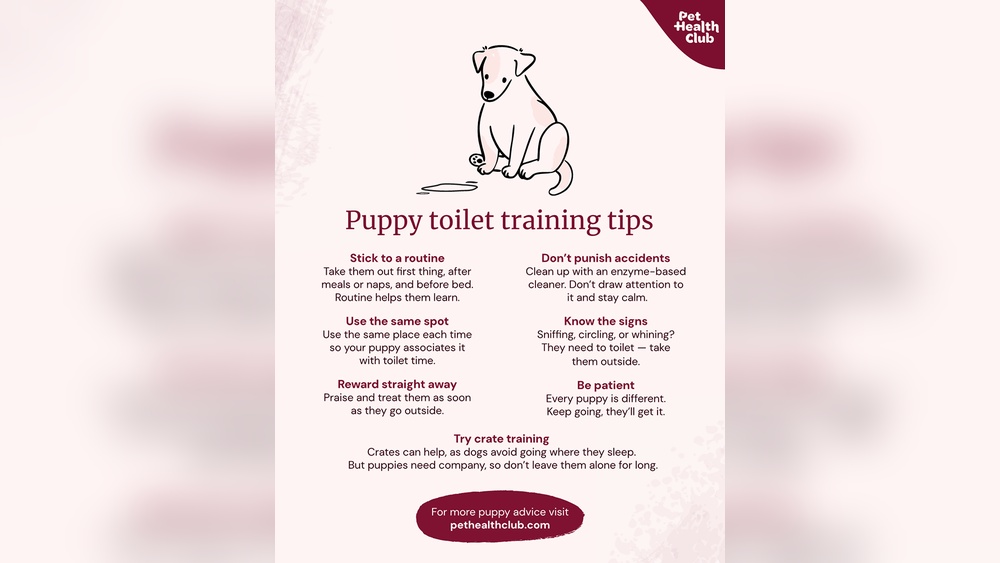
Outdoor training teaches dogs to go outside for potty needs. Choose a specific spot in your yard or nearby park. Take your dog there regularly, especially after meals or naps. Use a command like “go potty” to create a habit. Praise and reward your dog right after they finish. Consistency and patience speed up learning. Outdoor training also gives your dog fresh air and exercise.

Credit: www.reddit.com
Frequently Asked Questions
Can Cat Litter Help Potty Train A Dog?
Cat litter can be used cautiously for potty training small dogs. It mimics natural digging and covering behaviors, encouraging dogs to use a designated spot. However, ensure the litter is dog-safe and non-toxic to avoid health risks.
What Type Of Cat Litter Is Safe For Dogs?
Choose unscented, non-clumping, and dust-free cat litter when potty training a dog. Avoid clumping or scented litters as they may cause ingestion hazards or respiratory issues. Natural or paper-based litters are safer options for dogs.
How To Introduce Cat Litter For Dog Potty Training?
Start by placing the litter box in a consistent location. Encourage your dog to use it with positive reinforcement. Gradually transition from outdoor potty spots to the litter box, maintaining patience throughout the training process.
Are There Health Risks Using Cat Litter For Dogs?
Some cat litters contain harmful chemicals or clumping agents that can be toxic if ingested. Dust from certain litters may cause respiratory problems in dogs. Always choose pet-safe litter and supervise your dog to minimize risks.
Conclusion
Using cat litter to potty train a dog can be tricky. Dogs and cats have different habits and needs. Cat litter may confuse your dog or cause health issues. It’s better to use dog-friendly potty training methods. Consistency and patience work best for dogs.
Remember, every dog learns at its own pace. Choose tools that suit your dog’s comfort and safety. Keep training simple and positive. This helps your dog feel happy and confident. Potty training takes time, but it’s worth the effort. Your dog will thank you in the end.