
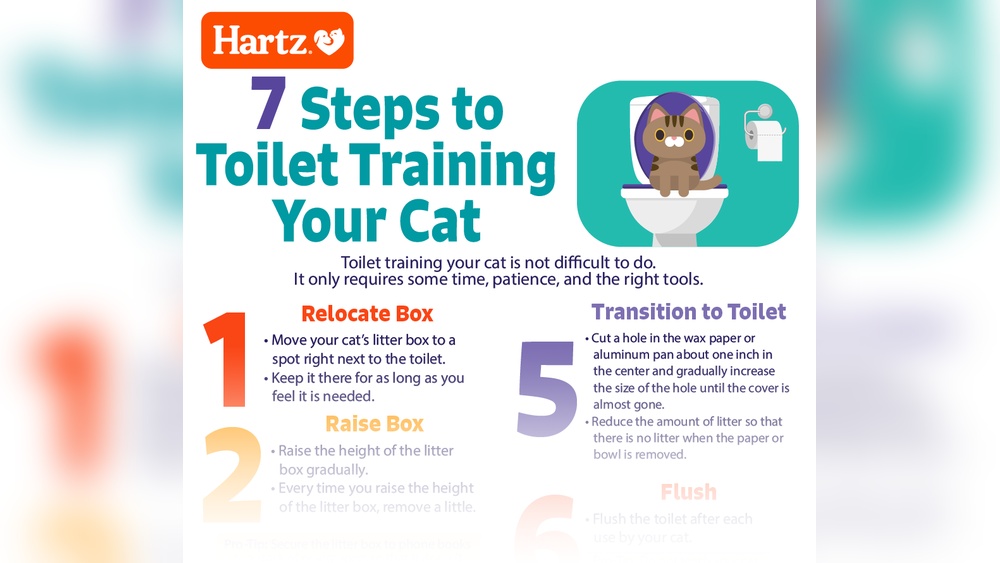
Training your cat to use the potty might sound impossible, but it’s easier than you think. Imagine saving money on litter and keeping your home cleaner, all while teaching your furry friend a new skill.
If you’ve ever wondered how to make this happen, you’re in the right place. You’ll discover simple, step-by-step tips that anyone can follow. Ready to turn your cat into a potty pro? Let’s get started!

Credit: www.reddit.com
Choosing The Right Litter Box
Choosing the right litter box is key to training your cat for potty use. It affects your cat’s comfort and willingness to use the box. The perfect litter box suits your cat’s size, habits, and home space. This section helps you pick the best one for your cat.
Size And Accessibility
Pick a litter box big enough for your cat to turn around easily. Small boxes can make cats uncomfortable and avoid using them. For kittens or older cats, low sides help easy entry and exit. Accessibility matters for cats with mobility issues or arthritis.
Types Of Litter Boxes
Open litter boxes are simple and give cats plenty of space. Covered boxes offer privacy but can trap odors. Self-cleaning boxes save time but may scare shy cats. Choose a type that fits your cat’s personality and your cleaning routine.
Placement Tips
Place the litter box in a quiet, low-traffic spot. Avoid noisy or busy areas where your cat may feel unsafe. Keep the box away from food and water bowls. Ensure the spot is easy for your cat to reach at all times.

Credit: www.briopets.com
Selecting The Best Litter
Selecting the best litter is a key step in training a cat for potty use. The right litter makes your cat comfortable and encourages good habits. It also helps keep your home clean and odor-free. Choosing the wrong litter might cause your cat to avoid the potty area. Understanding the types of litter can guide you to the best choice for your cat.
Clumping Vs Non-clumping
Clumping litter forms solid clumps when wet. This makes cleaning easier and keeps the box tidy. Non-clumping litter absorbs moisture but does not form clumps. It may need more frequent changing. Many cats prefer clumping litter because it feels cleaner. Some cats do better with non-clumping, especially if they dislike the texture of clumps.
Scented Vs Unscented
Scented litter has added fragrances to mask odors. This can keep your home smelling fresh. Some cats do not like strong smells and may avoid scented litter. Unscented litter has no added fragrances. It is often better for cats with sensitive noses. Choosing unscented litter can prevent stress and help your cat use the potty more willingly.
Materials To Consider
Litter comes in many materials, such as clay, silica gel, and natural options. Clay litter is common and affordable but can be dusty. Silica gel litter controls odor well and lasts longer. Natural litters use materials like corn, wheat, or wood. These are biodegradable and gentle on paws. Consider your cat’s preferences and any allergies when picking a material.
Introducing The Litter Box
Introducing a litter box to your cat is the first step in potty training. Cats need time to get used to this new item. Patience helps your cat feel safe and comfortable. Place the litter box in a quiet, easy-to-reach spot. This encourages your cat to use it without stress.
Initial Exposure
Show the litter box to your cat gently. Let them sniff and explore it at their own pace. Avoid forcing the cat inside the box. This helps build positive feelings about the litter box. Keep the box clean to attract your cat.
Encouraging Exploration
Place your cat near the litter box after meals and naps. These are natural times for bathroom use. Gently guide them into the box if they seem unsure. Praise or softly pet your cat after they explore. This creates a good habit around the litter box.
Handling Hesitation
Some cats may fear or avoid the litter box at first. Watch for signs of discomfort or confusion. Try changing the litter type or box location if needed. Avoid punishment; this can cause more fear. Stay calm and patient to help your cat adjust.
Establishing A Routine
Training a cat to use the potty needs a steady routine. Cats feel safe with habits. A clear schedule helps them learn faster. They know what to expect and when. This lowers accidents and stress for both of you.
Regular Feeding Times
Feed your cat at the same times every day. Cats usually use the litter box after eating. Set meals help predict when your cat needs to go. Avoid free feeding to keep the routine clear.
Frequent Litter Box Visits
Take your cat to the litter box often. Especially after meals and naps. Watch for signs like sniffing or scratching. Gently place your cat in the box to remind them. Regular visits build good habits.
Positive Reinforcement
Praise your cat when they use the litter box. Use soft words or gentle petting. Avoid punishment for accidents. Rewards help your cat connect the behavior with good feelings. Treats work well but keep them small.
Managing Accidents
Accidents happen during cat potty training. Managing these accidents calmly helps your cat learn faster.
Stay patient and focused on good habits. Avoid stress for both you and your cat.
Cleaning Techniques
Clean accidents immediately to remove all odors. Use enzyme-based cleaners to break down urine and feces smells. Avoid ammonia cleaners as they can attract cats back to the spot. Thorough cleaning prevents repeat accidents in the same place.
Avoiding Punishment
Do not punish your cat for accidents. Cats do not connect punishment with their behavior. Scolding can create fear and confusion. Positive reinforcement works better for learning. Reward your cat for using the litter box properly.
Redirecting Behavior
If your cat goes outside the litter box, gently move them to the box. Show your cat where the litter box is. Encourage use by placing them in the box after meals or naps. Make the litter box easy to find and use.
Advanced Training Tips
Advanced training helps your cat fully learn good potty habits. It builds on basic training steps. This stage needs patience and clear signals. Your cat learns to use the potty confidently and correctly. Focus on small changes and steady progress. These tips guide you through the more detailed parts of potty training.
Using Training Aids
Training aids can make potty training easier. Use special mats or trays designed for cats. These help your cat know where to go. Some aids have scents that attract cats. You can also try litter attractants. They encourage your cat to use the potty spot. Keep aids clean and place them in quiet areas. Change aids slowly to avoid confusion.
Gradual Transition To Outdoors
Moving your cat from indoor potty to outdoors takes time. Start by placing the litter box near the door. Then move it a bit outside each day. Let your cat explore the outdoor potty spot. Watch for signs your cat is ready to go outside. Praise your cat when it uses the outdoor spot. This slow change helps your cat feel safe and confident.
Addressing Special Cases
Some cats have unique potty training needs. Older cats or shy cats may need extra help. Use gentle encouragement and extra patience. Watch for health issues that affect potty habits. Clean accidents quickly to avoid repeat problems. Consult a vet if problems continue. Tailor training steps to your cat’s personality and health.
Credit: www.hartz.com
Frequently Asked Questions
How Long Does It Take To Train A Cat For Potty?
Training usually takes 2 to 4 weeks with consistent effort. Patience and positive reinforcement speed up progress. Each cat learns at its own pace.
What Tools Are Needed To Train A Cat For Potty?
You need a litter box, cat litter, and cleaning supplies. Use a litter attractant for easier training. Keep everything clean and accessible to your cat.
Can All Cats Be Trained To Use A Potty?
Most cats can learn potty training if taught properly. Kittens adapt faster, but adult cats can also learn. Some cats may resist due to habits or health issues.
How Do I Encourage My Cat To Use The Potty?
Reward your cat with treats and praise after use. Place the litter box in a quiet, easy-to-reach spot. Avoid punishment to prevent fear or confusion.
Conclusion
Training a cat to use the potty takes time and patience. Stay calm and keep practicing every day. Reward your cat for good behavior to encourage learning. Small steps lead to big progress in training. Remember, each cat learns at its own pace.
With care and consistency, your cat will adapt well. Enjoy the process and celebrate small wins. Potty training can improve your home’s cleanliness and your cat’s comfort. Keep trying, and success will follow soon.