
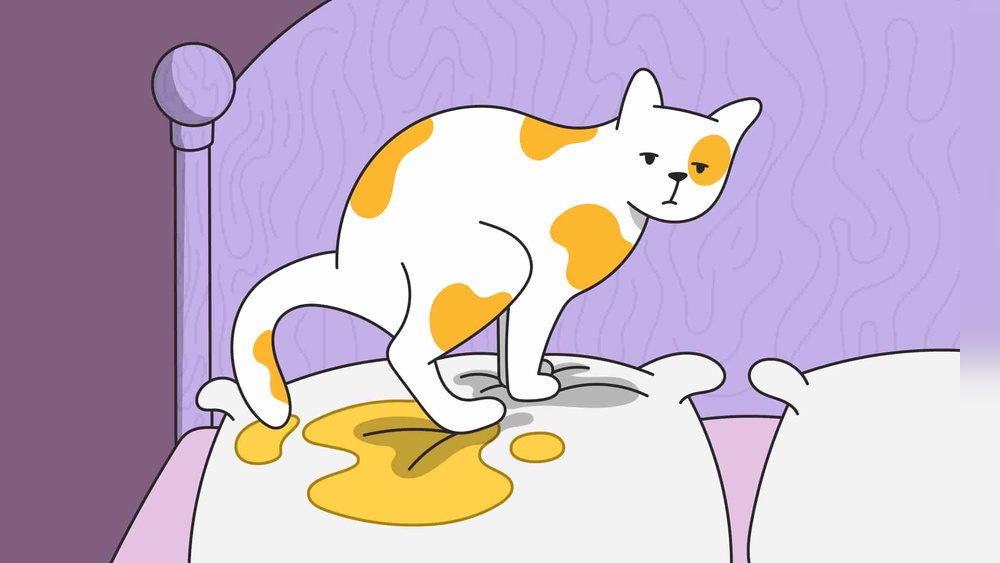
You’ve worked hard to potty train your cat, so finding a wet spot on your bed is confusing and frustrating. Why would your cat, who knows exactly where to go, suddenly pee on your bed?
This unexpected behavior can leave you feeling upset and searching for answers. Understanding the reasons behind this change is key to fixing the problem and protecting your home. Keep reading to discover the surprising causes and what you can do to stop your cat from turning your bed into their bathroom.
Common Reasons For Bed Peeing
Cats usually use their litter box without problems. But sometimes, a potty trained cat may pee on the bed. This behavior can confuse and upset cat owners. Understanding the common reasons for bed peeing can help solve the issue faster.
Several factors can cause a cat to avoid its litter box. These reasons often relate to the cat’s health, environment, or emotions. Identifying the cause is the first step toward fixing the problem.
Stress And Anxiety
Cats feel stress just like people. Changes in the home can make a cat anxious. New pets, visitors, or loud noises may frighten them. Stress can cause a cat to pee outside the litter box, including on the bed.
Some cats use bed peeing as a way to cope with their worries. They may seek comfort by marking a spot where they feel safe.
Medical Issues
Health problems can make cats pee in unusual places. Urinary tract infections cause pain and urgency. This makes it hard for cats to reach their litter box on time.
Other issues like bladder stones or kidney disease also affect bathroom habits. If your cat suddenly pees on the bed, a vet visit is important. Treating medical problems often stops the behavior.
Litter Box Problems
Cats are picky about their litter box. A dirty or small box can turn them away. They may dislike the type of litter or the box location.
If the litter box is hard to reach, your cat may choose a closer spot. The bed can seem soft and easy. Keeping the litter box clean and comfortable encourages proper use.
Territorial Marking
Cats mark their territory to feel secure. Peeing on the bed can be a way to claim it. This often happens if there are other pets or new animals nearby.
Marking helps cats feel in control of their space. Addressing territorial issues can reduce bed peeing. Giving your cat safe spaces and attention helps calm this behavior.
Stress Triggers In Cats
Cats are very sensitive animals. Stress can make them act in strange ways. One common sign of stress is peeing outside the litter box. This includes peeing on your bed. Understanding what triggers stress in cats helps prevent this problem. Stress affects their behavior deeply.
Changes In Environment
Moving to a new home can upset cats. Even small changes like new furniture or rearranged rooms can confuse them. Cats like routine and familiarity. When their environment changes, they may feel unsafe. This feeling causes them to mark places like your bed.
New Pets Or People
Introducing a new pet can cause stress in cats. They may see the new animal as a threat. New people in the house can also make cats nervous. Cats need time to adjust to new company. Until then, they might pee in unusual spots to show stress or mark territory.
Loud Noises And Disturbances
Sudden loud noises scare cats easily. Fireworks, thunderstorms, or construction sounds can disturb them. Even frequent loud talking or shouting can create anxiety. These noises make cats feel unsafe. Stress from noise can lead them to urinate outside their box, including on your bed.
Health Conditions To Watch
When a potty trained cat pees on your bed, health problems could be the cause. Cats cannot always tell us when they feel pain or discomfort. Watching for signs of illness helps catch problems early. Some health issues make cats pee outside their litter box. Understanding these conditions can protect your cat’s well-being.
Urinary Tract Infections
Urinary tract infections (UTIs) are common in cats. They cause pain and a strong urge to urinate. Cats with UTIs may pee in unusual places, like your bed. The infection irritates their bladder and makes holding urine hard. If your cat pees outside the box, a vet visit is needed. Treatment usually involves antibiotics and pain relief.
Kidney Problems
Kidney issues affect many older cats. Sick kidneys can cause increased thirst and urination. Cats with kidney disease may not control their bladder well. This can lead to accidents on soft surfaces like beds. Early detection of kidney problems improves the chance of better care. Blood tests and urine analysis help diagnose kidney disease.
Diabetes And Other Illnesses
Diabetes can also cause frequent urination in cats. High sugar levels make cats drink more and pee often. This can lead to accidents outside the litter box. Other illnesses, such as bladder stones or arthritis, may change peeing habits too. Arthritis can make it painful for cats to use the litter box. Observing changes in behavior helps find health issues fast.
Litter Box Habits And Issues
Understanding your cat’s litter box habits is key to solving bed peeing problems. Cats are very clean animals. They avoid dirty or uncomfortable spaces for toileting. Problems with the litter box often cause cats to find other places to pee. These issues might include dirty litter, the wrong litter type, or poor box placement.
Dirty Or Unpleasant Litter
Cats dislike dirty litter boxes. They want a clean spot to do their business. If the litter is not cleaned daily, your cat may avoid it. Smelly or clumpy litter can make the box unpleasant. A dirty box can cause your cat to pee on your bed instead.
Wrong Litter Type
Not all cats like the same litter. Some prefer fine, soft litter, while others like coarse types. Using scented or chemical-filled litter can upset your cat’s nose. If your cat dislikes the litter, they might avoid the box. Experiment with different kinds to find what your cat likes.
Box Location And Size
The litter box must be in a quiet, private spot. Avoid noisy or busy areas in your home. If the box is too small, your cat may feel cramped. Cats need enough space to turn around comfortably. Poor location or size can lead your cat to pee elsewhere.
Behavioral Causes
Cats may pee on your bed for several behavioral reasons. These actions often signal something important about your cat’s feelings or environment. Understanding these behaviors can help you address the issue calmly and effectively.
Marking Territory
Cats use urine to mark their space. This behavior is common, especially in multi-cat homes. Your cat may feel the need to claim the bed as their own. This is often a response to stress or changes at home. Marking helps cats feel secure and in control.
Seeking Attention
Sometimes cats pee on beds to get your attention. They may feel ignored or lonely. This act can be a way to communicate their need for more interaction. Cats want to feel loved and noticed. Urinating outside the litter box is a loud message.
Boredom And Frustration
A bored cat may act out in unusual ways. Peeing on the bed can show frustration or anxiety. Lack of play and stimulation makes cats restless. Providing toys and playtime can reduce this behavior. A busy cat is a happy cat.

Credit: www.reddit.com
Preventing Bed Peeing
Preventing your cat from peeing on your bed is important for a clean and happy home. Understanding what makes your cat avoid the litter box helps stop this problem. Simple changes in your home and care routine can make a big difference. Here are some easy ways to prevent bed peeing.
Improving Litter Box Setup
Make sure the litter box is clean every day. Cats avoid dirty boxes. Use unscented, soft litter that your cat likes. Place the box in a quiet, private spot. Avoid noisy or busy areas. Provide one more box than the number of cats you have. This gives your cat options and comfort.
Reducing Stress Factors
Stress can cause cats to pee outside the box. Keep your cat’s routine steady. Avoid loud noises and sudden changes at home. Give your cat safe places to hide and relax. Spend time playing and bonding with your cat daily. A calm cat is less likely to pee on your bed.
Regular Vet Checkups
Health problems like urinary infections can cause bed peeing. Take your cat to the vet regularly for checkups. Early treatment prevents serious issues. Ask the vet about any changes in your cat’s behavior. A healthy cat is more likely to use the litter box correctly.
Cleaning And Odor Removal
Cleaning cat urine from your bed is urgent. The smell can stay if not treated well. Proper cleaning stops your cat from peeing there again. It also keeps your bedroom fresh and healthy.
Effective Cleaning Techniques
First, remove all bedding and wash in hot water. Use a detergent that fights odors well. Blot the urine spot with paper towels. Avoid rubbing. Rubbing spreads the stain and smell.
Next, apply an enzyme cleaner. These break down urine molecules. Let the cleaner sit for 10 to 15 minutes. Then, blot again with a clean cloth.
If the mattress is wet, sprinkle baking soda on the spot. Leave it for a few hours to absorb moisture and smell. Vacuum the baking soda completely afterward.
Products That Neutralize Odors
Use enzyme-based cleaners made for pet urine. They dissolve urine crystals and remove smell. Avoid bleach or ammonia cleaners. These can make cats pee again on the same spot.
Spray odor neutralizers after cleaning. These help keep the bed smelling fresh longer. Look for products safe for fabrics and pets. Always test on a small area first.

Credit: www.reddit.com
Credit: www.comfortzone.com
Frequently Asked Questions
Why Did My Potty Trained Cat Pee On My Bed?
Cats may pee on beds due to stress, illness, or litter box issues. Changes in routine or environment can trigger this behavior. Medical problems like urinary tract infections also cause inappropriate urination. Always consult a vet to rule out health issues.
How Can I Stop My Cat From Peeing On My Bed?
Clean the bed with enzyme cleaner to remove odor. Provide a clean, accessible litter box. Address stressors or changes in your cat’s environment. Consult a vet for medical causes. Positive reinforcement and patience help retrain your cat.
Can Stress Cause A Cat To Urinate Outside The Litter Box?
Yes, stress is a common reason for inappropriate urination. New pets, changes at home, or loud noises can stress cats. Stress disrupts their normal behavior, leading to accidents. Reducing stress and creating a safe space helps prevent this.
Is A Medical Issue Causing My Cat’s Bed Urination?
Medical issues like urinary tract infections, bladder stones, or kidney problems cause urination outside the litter box. If your cat suddenly pees on the bed, visit a vet immediately. Early diagnosis and treatment are crucial for your cat’s health.
Conclusion
A potty-trained cat peeing on your bed can be confusing and frustrating. Stress, illness, or changes in the home often cause this behavior. Pay attention to your cat’s health and environment. Clean the bedding well to remove any smell. Offer a quiet, clean litter box in a calm spot.
Be patient and gentle with your cat. Understanding the reasons helps you fix the problem faster. Your cat will likely return to good habits soon. Keep watching and caring for your pet every day.