
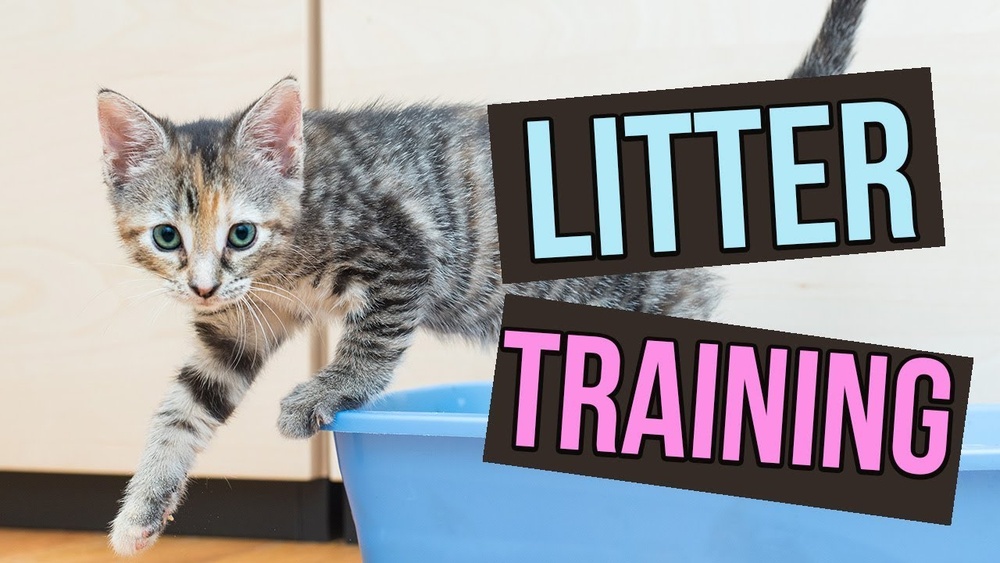
Potty training a baby cat can feel like a big challenge, but it doesn’t have to be. Imagine a clean home where your little kitten knows exactly where to go when nature calls.
You want to enjoy your time together without worrying about accidents or messes. In this guide, you’ll discover simple, effective steps to help your baby cat learn quickly and confidently. By the end, you’ll have the tools to create good habits that last a lifetime.
Ready to make potty training easy and stress-free for both you and your kitten? Let’s dive in.

Credit: www.amazon.com
Preparing For Potty Training
Preparing for potty training a baby cat is the first step to success. It helps your kitten learn good bathroom habits early. Setting up the right tools and space makes training easier and less stressful.
Choosing The Right Litter Box
Pick a litter box that fits your kitten’s size. Small boxes with low sides work best for baby cats. This helps them climb in and out easily. Avoid big or deep boxes that might scare your kitten. Make sure the box is sturdy and won’t tip over.
Selecting Suitable Litter
Use soft, unscented litter to protect your kitten’s sensitive paws. Avoid clumping litter at first. It can be harsh or dusty for young kittens. Choose a litter that controls odor but stays gentle. Keep it clean by scooping daily to encourage use.
Setting Up The Training Area
Place the litter box in a quiet, easy-to-find spot. Avoid busy or noisy areas. Keep the box away from your kitten’s food and water bowls. This helps your kitten feel safe and comfortable. Make sure the area is easy to clean and well-lit.

Credit: www.briopets.com
Introducing The Litter Box
Introducing a litter box is the first big step in potty training a baby cat. The right start helps your kitten learn where to go. A clean, quiet spot for the box makes a big difference. Patience and gentle guidance will build good habits fast.
Encouraging Exploration
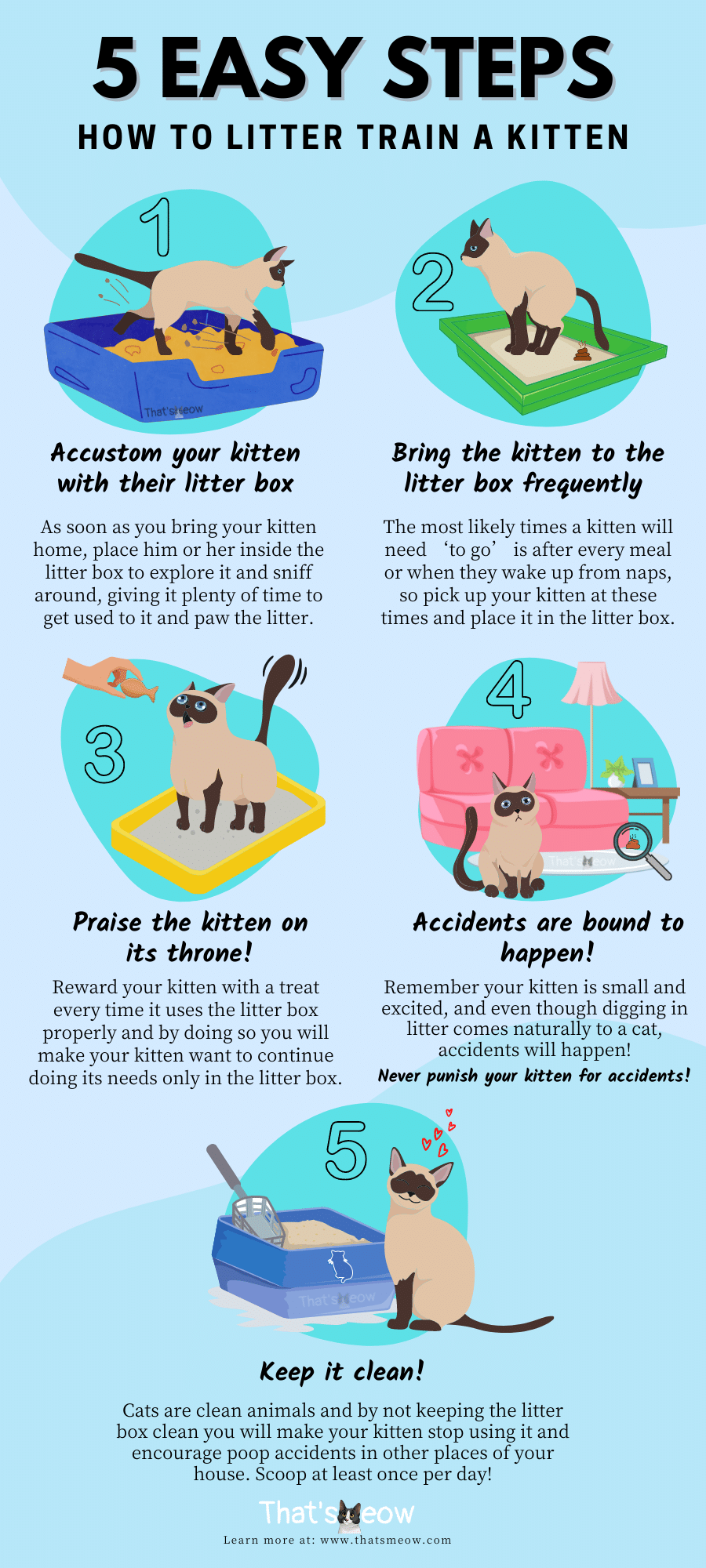
Place the litter box in a calm, easy-to-find spot. Let your kitten sniff and explore the box freely. Show them the texture of the litter with your fingers. Gently place your kitten inside the box after meals and naps. Praise or pet your kitten softly when they use it. Avoid forcing them; let curiosity lead the way.
Establishing A Routine
Set regular times to guide your kitten to the litter box. After eating, sleeping, or playtime are good moments. Consistency helps your kitten understand what to do. Keep the box clean by scooping daily. A routine creates comfort and reduces accidents. Your kitten learns faster with simple, steady habits.
Teaching Proper Bathroom Habits
Teaching proper bathroom habits to a baby cat is important for a clean home. It helps your kitten learn where to go and builds good routines early. Patience and consistency are key to success. This section explains how to recognize signs and guide your kitten to the litter box.
Recognizing Signs
Watch your kitten closely. They often sniff or scratch the floor before needing to go. Some cats meow or walk in circles. Catching these signs early helps prevent accidents. Acting fast means you can take your kitten to the litter box in time.
Guiding To The Litter Box
Place your kitten gently in the litter box after meals or naps. Repeat this often to build a habit. Praise your kitten softly when they use the box correctly. Keep the litter box clean to encourage use. Avoid scolding to keep your kitten calm and confident.
Handling Accidents
Accidents are normal when potty training a baby cat. Patience is key to help your kitten learn fast. Handling these accidents properly keeps training smooth and stress-free.
Cleaning Techniques
Clean accidents quickly to remove all smells. Use an enzyme cleaner made for pet stains. Avoid ammonia cleaners; they can attract your cat back. Blot the area with paper towels first. Then apply the cleaner and let it sit. Rinse with water and dry thoroughly.
Avoiding Negative Reactions
Never punish your kitten for accidents. Scolding can create fear and confusion. Stay calm and gentle instead. Praise your kitten when they use the litter box. Positive feelings help them learn faster. Patience and kindness build trust during training.
Maintaining Good Habits
Maintaining good habits is key to successful potty training for your baby cat. Consistency helps your kitten understand what is expected. Good habits also keep your home clean and your kitten happy. Small daily efforts lead to big results over time.
Regular Cleaning
Clean the litter box every day. Cats prefer a tidy place to do their business. Remove waste and clumps to keep the box fresh. Wash the box with mild soap once a week. Avoid strong smells that might scare your kitten. A clean box encourages your kitten to use it often.
Positive Reinforcement
Use praise to encourage good behavior. Give treats or gentle petting when your kitten uses the litter box. Speak in a happy, soft voice. Rewarding good habits helps your kitten learn quickly. Avoid punishment; it can cause fear and confusion. Positive feedback builds trust and confidence.
Credit: cruceroclick.com
Troubleshooting Common Issues
Potty training a baby cat can bring many challenges. Some kittens may show problems using the litter box. These common issues can be fixed with simple steps. Understanding the reasons behind the behavior helps you guide your kitten better.
Litter Box Aversion
Some kittens may refuse to use the litter box. This can happen if the box is dirty or smells bad. Cats like clean spaces. Cleaning the box daily helps. Try changing the litter type if your kitten avoids the box. A quiet, private spot for the box is important. Loud noises or busy areas can scare kittens away. Check if the box size fits your kitten. Small or covered boxes might make them uncomfortable.
Inconsistent Use
Kittens may not use the litter box every time. This can happen during play or naps. Keep the box in a place your kitten visits often. Place them in the box after meals or naps to build a routine. Watch for signs your kitten needs to go, like sniffing or scratching. Reward your kitten with gentle praise after they use the box. Avoid punishment. It can cause fear and more accidents.
Frequently Asked Questions
How Long Does Potty Training A Baby Cat Take?
Potty training a baby cat usually takes 1 to 3 weeks. Consistency and patience are key for success. Each kitten learns at its own pace, so regular encouragement helps them develop good litter box habits quickly.
What Type Of Litter Is Best For Kittens?
Unscented, clumping litter is ideal for kittens. It is gentle on their paws and easy to clean. Avoid clay-based or scented litters, as they may irritate sensitive noses or cause allergies in young cats.
How Often Should I Clean The Kitten’s Litter Box?
Clean the litter box daily to maintain hygiene and prevent odors. Remove waste regularly to encourage your kitten to use the box consistently. Thoroughly wash the box with mild soap weekly to keep it fresh and inviting.
Can I Use Training Pads For Baby Cats?
Training pads can be used temporarily but are not ideal long-term. They help during early stages but kittens should transition to a litter box. Pads may confuse kittens and delay proper litter training if used too long.
Conclusion
Potty training a baby cat takes patience and care. Start early and be consistent every day. Use a clean litter box that your cat likes. Praise your kitten when it uses the box correctly. Watch for accidents and gently guide your cat back.
Remember, every kitten learns at its own pace. Stay calm and keep trying without frustration. Soon, your baby cat will understand where to go. A clean home and happy pet are worth the effort. Keep these simple steps in mind to succeed.