
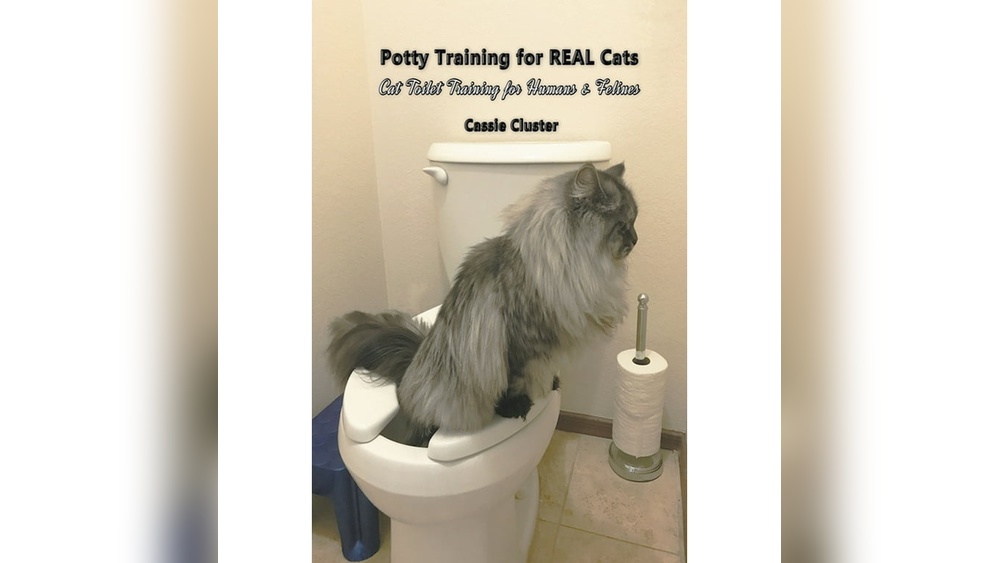
Have you ever wondered if cats are naturally good at using the potty? You’re not alone.
Many cat owners ask themselves this question, especially when dealing with litter box issues. Understanding whether cats are well potty trained can save you time, stress, and even money. You’ll discover the truth about your cat’s bathroom habits and learn simple tips to make sure your furry friend stays clean and happy.
Keep reading—your cat’s comfort depends on it!
Credit: www.mycarrypotty.com
Cats And Potty Habits
Cats have unique potty habits that come from their natural behavior. They are clean animals by nature. Understanding these habits helps in caring for them better.
Cats often bury their waste. This is a way to hide their scent from predators and other animals. Their potty habits make them easy to train for indoor life.
Natural Instincts
Cats use their paws to dig small holes in soft soil or sand. This is where they do their business. Afterward, they cover it up carefully. This instinct helps keep their space clean.
Wild cats do this to avoid danger. Domestic cats keep this habit. It is part of their survival skills. It also shows their dislike for dirty areas.
Litter Box Basics
The litter box mimics the natural soil cats prefer. It gives them a private and soft place to go. Cats usually accept the box quickly if it is clean.
Keep the litter box in a quiet, safe spot. Scoop it daily to remove waste. Change the litter often to avoid bad smells. A clean box encourages good potty habits.

Credit: www.amazon.com
Signs Of Good Potty Training
Signs of good potty training in cats show how well they understand where to go. These signs help pet owners know their cat feels comfortable and clean. Cats that are well potty trained use the litter box regularly without causing trouble. Observing these signs can give peace of mind and a happy home.
Consistent Litter Use
A well-trained cat always uses the litter box for urination and bowel movements. This habit shows the cat knows the right place to go. Consistent litter use means fewer accidents on carpets or floors. It also means the cat feels safe and confident using the box. Clean litter and a quiet spot encourage this behavior.
Avoiding Unwanted Spots
Good potty training means the cat avoids using places like furniture or corners. Cats do not leave waste outside the litter box. This keeps the home clean and free from bad smells. Avoiding unwanted spots shows respect for the owner’s space. It also means the cat has learned clear boundaries.
Common Potty Problems
Many cat owners face challenges with their pets’ potty habits. Cats usually learn to use the litter box quickly. Still, some common problems can cause trouble. Understanding these issues helps keep both cat and owner happy. Below are frequent potty problems cats may show.
Litter Box Aversion
Some cats avoid the litter box. They might dislike the type of litter or the box’s location. A dirty box can also cause avoidance. Cats prefer a clean, quiet place to do their business. Changing litter types or cleaning the box often helps. Offering more than one box in different rooms can solve this problem.
Marking Territory
Cats sometimes spray urine to mark their space. This is common in unneutered males but can happen in females too. Marking is a behavior linked to stress or fear. It is different from normal urination. Neutering and reducing stress can lower marking. Providing enough toys and attention also helps.
Medical Issues
Health problems can cause potty mistakes. Urinary tract infections or bladder pain make cats avoid the litter box. Kidney problems or diabetes might also affect bathroom habits. If a cat suddenly stops using the box, a vet visit is needed. Early treatment can prevent bigger health problems.
Training Tips For Success
Training cats to use the litter box takes patience and the right approach. Success depends on simple but important steps. These tips help your cat learn fast and avoid accidents.
Choosing The Right Litter
Select litter that feels soft to your cat’s paws. Unscented, clumping litter works well for most cats. Avoid strong smells; cats dislike them. Try different types to find what your cat prefers.
Box Placement Matters
Place the litter box in a quiet, easy-to-find spot. Avoid noisy or busy areas that scare cats. Keep the box away from their food and water. Make sure the area is clean and private.
Positive Reinforcement
Reward your cat after it uses the litter box. Use gentle praise or a small treat. Never punish your cat for accidents. Encouragement helps build good habits quickly and happily.
When To Seek Help
Knowing when to seek help is key in managing your cat’s potty habits. Some issues may need expert advice. Acting early can prevent problems from getting worse.
Behavioral Specialists
Behavioral specialists study cat habits and problems. They help if your cat urinates outside the litter box. These experts find the cause and suggest solutions. They teach how to train your cat gently. This help improves your cat’s comfort and your home’s cleanliness.
Veterinary Advice
Visit a vet if your cat suddenly stops using the litter box. This could signal health issues like infections or pain. Vets check for medical problems causing potty mistakes. Treatment can fix these issues quickly. Regular vet visits keep your cat healthy and happy.

Credit: www.amazon.com
Frequently Asked Questions
Are Cats Naturally Well Potty Trained?
Yes, cats instinctively use a litter box or specific spots to relieve themselves. This natural behavior makes them easy to potty train.
How Long Does It Take To Potty Train A Cat?
Most cats learn litter box use within a few days to a week, depending on consistency and environment.
Can All Cats Be Potty Trained Successfully?
Nearly all cats can be potty trained with patience and the right litter box setup. Some may need extra time.
What Are Common Potty Training Mistakes With Cats?
Using dirty litter boxes, sudden changes, or punishing accidents can confuse cats and hinder potty training success.
Conclusion
Cats usually learn to use the litter box well. They have strong instincts to stay clean. Sometimes, problems happen due to health or stress. Owners should be patient and gentle with their pets. Training helps build trust and good habits.
A clean litter box encourages cats to use it often. Watching your cat’s behavior helps spot any issues early. Overall, cats are generally good at potty training. Taking small steps can solve most problems quickly. Caring for your cat means understanding their needs clearly.