
Potty training an older cat might seem like a tough challenge, but it’s completely possible—and worth the effort. If your furry friend is having accidents or isn’t using the litter box consistently, you’re not alone.
You want a clean home and a happy cat, and that’s exactly what this guide will help you achieve. Keep reading, because with the right steps, you can turn your older cat into a litter box pro. Your patience and a few simple tricks can make all the difference.
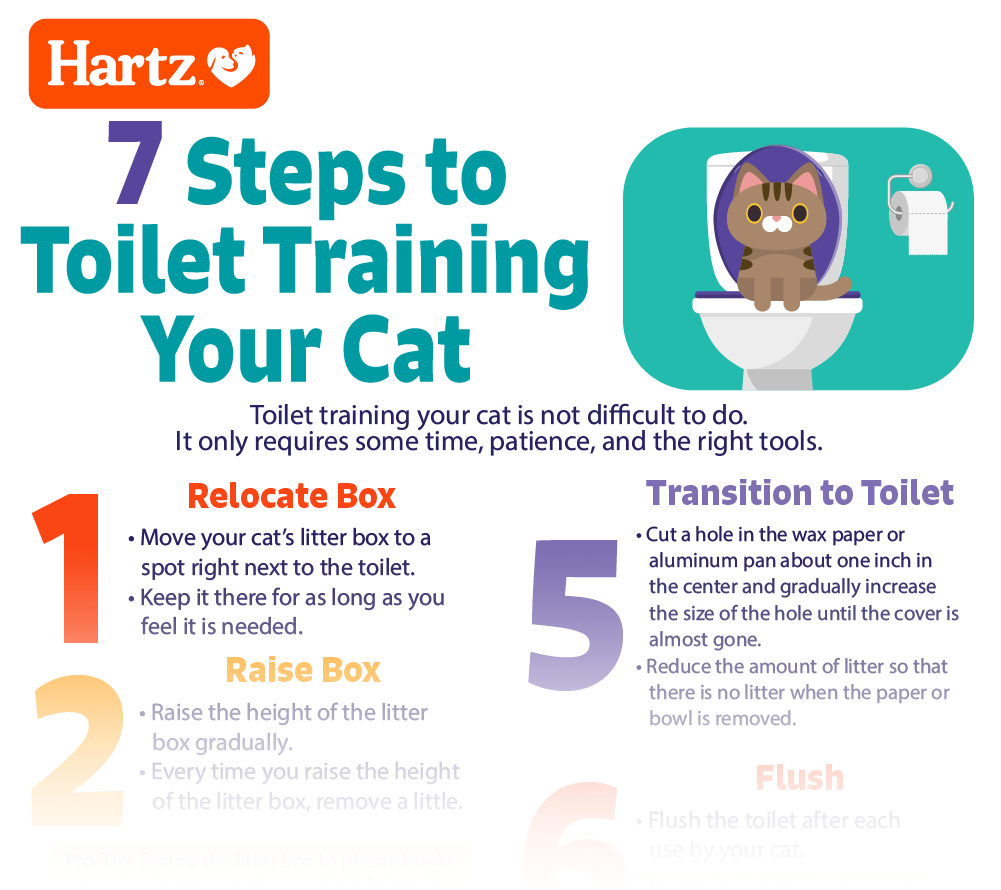
Credit: www.hartz.com
Benefits Of Potty Training Older Cats
Potty training older cats can bring many advantages for both pets and owners. It helps keep the home clean and reduces unwanted odors. Older cats often adapt well to potty training with patience and the right method.
This process can improve your cat’s health by encouraging good bathroom habits. It also reduces stress for cats that dislike dirty litter boxes. Training gives cats a clear routine, which many find comforting.
Cleaner And Healthier Home Environment
Potty training prevents accidents on carpets and furniture. It lowers the chance of bacteria and bad smells in your home. This creates a safer space for family members and other pets.
Better Hygiene For Your Cat
Older cats can struggle with litter boxes due to arthritis or other issues. Potty training helps them use specific spots, keeping their paws and fur cleaner. This reduces infections and skin problems.
Stronger Bond Between You And Your Cat
Training requires time and patience, which builds trust. Your cat will learn to follow your cues. This shared routine increases comfort and understanding between you both.
Reduced Stress And Anxiety
Older cats often feel stressed by litter boxes that are hard to access. Potty training offers a consistent place to relieve themselves. This steadiness helps your cat feel more secure and calm.
Cost Savings On Cleaning And Supplies
Fewer accidents mean less need for cleaning products. Potty training can reduce the use of litter and cleaning sprays. This saves money over time and keeps your home tidy.

Credit: www.leafacademy.in
Choosing The Right Litter Box
Choosing the right litter box is key to potty training older cats. Older cats may have special needs that affect their comfort and use of the box. A proper litter box can make training easier and reduce accidents.
Focus on size, type, and where you place the box. These factors help your cat feel safe and confident. Let’s explore each aspect to help your cat adjust smoothly.
Size And Accessibility
Choose a litter box big enough for your cat to turn around easily. Older cats may move slower or have joint pain. A low entry side helps cats get in and out without trouble. Avoid tall or deep boxes that may scare or hurt them. Accessibility is key to encourage regular use.
Types Of Litter Boxes
Open litter boxes offer easy access and reduce trapped smells. Covered boxes give privacy but may feel confining. Some cats dislike covers, especially older ones. Consider self-cleaning boxes if mobility is an issue. Simple designs work best to avoid confusion or fear.
Placement Tips
Place the litter box in a quiet, low-traffic area. Older cats prefer calm spots to feel safe. Avoid noisy rooms or places near their food. Keep the box on a flat surface for stability. Multiple boxes in different rooms help if your home is large. This reduces accidents and stress.
Selecting Suitable Litter
Selecting the right litter is key to potty training older cats. The litter must feel comfortable and safe for your cat. Older cats may be picky about the litter’s texture and smell. Choosing the right type helps avoid accidents and stress. It also makes cleaning easier for you.
Texture And Scent
Older cats prefer soft litter that feels gentle on their paws. Rough or hard textures can scare them away. Unscented litter works best as strong smells may upset sensitive noses. Cats use their sense of smell to decide where to go. Mild or no scent helps them feel calm and willing to use the litter box.
Clumping Vs Non-clumping
Clumping litter forms solid balls when wet. It makes cleaning fast and simple. Non-clumping litter absorbs moisture but does not form clumps. Some cats like non-clumping because it feels lighter. Choose clumping litter for easy removal of waste. Pick non-clumping if your cat prefers a softer feel. Watch your cat’s choice and change litter if needed.
Preparing Your Cat For Training
Preparing your cat for potty training is the first step toward success. Older cats may need extra patience and care to adjust to new habits. Creating a calm and positive space helps your cat feel safe. Observing your cat’s behavior closely allows you to understand their needs better. This preparation sets the foundation for smooth training sessions.
Creating A Positive Environment
Choose a quiet, comfortable area for training. Avoid loud noises or busy rooms that might scare your cat. Use soft bedding and familiar toys to make the space inviting. Keep the litter box clean and easy to access. Praise your cat gently with words or pets when they show good behavior. Positive experiences encourage your cat to learn faster.
Recognizing Signs Your Cat Needs To Go
Watch for sniffing or scratching near the floor. Restlessness or pacing may signal the need to go. Some cats meow or head toward the litter box area. Knowing these signs helps you act quickly. Responding promptly prevents accidents and builds trust. Each cat shows different signals; pay close attention to yours.
Step-by-step Training Process
Potty training an older cat takes patience and clear steps. Cats can learn new habits at any age. This process helps your cat feel comfortable and confident. Follow these steps to guide your cat to use the litter box properly.
Introducing The Litter Box
Place the litter box in a quiet, easy-to-reach spot. Avoid noisy or busy areas in your home. Show your cat the box and let them explore it. Use a litter type that your cat likes or is used to. Keep the box clean to invite your cat to use it.
Encouraging Use
Gently place your cat in the litter box after meals or naps. Praise your cat softly when they use the box. Offer treats as a reward to build positive habits. Keep a regular schedule to help your cat learn. Watch your cat’s behavior and guide them as needed.
Handling Accidents
Clean accidents quickly with an odor remover. Avoid punishment, as it can cause fear or stress. Calmly redirect your cat to the litter box. Check if the box location or litter type needs change. Be patient, as accidents are part of learning.
Dealing With Common Challenges
Potty training an older cat can bring some challenges. Understanding these issues helps you stay patient and effective. Each cat is different, so expect some setbacks. This section covers common hurdles and ways to handle them. Use these tips to keep your training on track.
Overcoming Resistance
Older cats may resist changes in routine. They feel safe with habits they know well. Introduce the litter box slowly and gently. Place it in a quiet, accessible spot. Reward your cat with treats or praise after use. Avoid punishment; it creates fear and confusion. Patience and consistency help your cat accept the new habit.
Addressing Medical Issues
Health problems can cause potty accidents. Urinary tract infections and arthritis are common in older cats. These issues make using the litter box painful or hard. Visit a vet to rule out medical causes. Treat any health problems before continuing training. A healthy cat learns faster and feels better.
Managing Stress And Anxiety
Stress affects a cat’s bathroom habits. Moving, new pets, or loud noises can cause anxiety. Create a calm, safe space for your cat. Keep the litter box area peaceful and clean. Use familiar scents or comfort items nearby. Calm cats feel secure and use the litter box more often.
Maintaining Good Litter Habits
Maintaining good litter habits is key to successful potty training for older cats. Clean, inviting litter boxes encourage cats to use them regularly. Consistent care helps prevent accidents and keeps your home fresh. Watching your cat’s behavior closely can catch problems early.
Regular Cleaning
Clean the litter box every day. Remove waste to keep it fresh. Cats dislike dirty boxes and may avoid them. Use mild soap and warm water to wash the box weekly. Avoid strong smells that can scare your cat. Place fresh litter after cleaning. A clean box invites your cat to use it.
Monitoring Behavior Changes
Watch your cat for signs of trouble. Changes in litter box use may signal health issues. Look for accidents outside the box or reluctance to enter. Notice if your cat scratches less or seems stressed. Early detection helps fix problems faster. Keep a log of any changes to share with your vet.
Credit: yourpetandyou.elanco.com
When To Seek Professional Help
Potty training an older cat can be tough. Sometimes, problems arise that need expert advice. Knowing when to get help saves time and stress.
Professional help can guide you through tricky situations. They can spot health or behavior issues you might miss.
Signs Your Cat Needs A Vet Check
Watch for sudden changes in bathroom habits. Frequent accidents might mean a health problem. Cats with pain or infection avoid the litter box. A vet can diagnose and treat these issues fast.
Behavior Problems That Require A Trainer
Some cats refuse the litter box due to fear or stress. Trainers use gentle methods to change bad habits. They teach you how to create a calm, safe space for your cat.
When Multiple Methods Fail
Try different litter types and box locations first. If nothing works after weeks, seek professional advice. Experts can find hidden causes and offer better solutions.
Frequently Asked Questions
How Long Does Potty Training Take For Older Cats?
Potty training older cats usually takes 2 to 4 weeks. Consistency and patience are key during this period. Some cats may learn faster depending on their personality and past habits. Regular positive reinforcement speeds up training success.
What Supplies Are Needed To Potty Train Older Cats?
You’ll need a litter box, cat litter, and cleaning supplies. Choose a litter your cat prefers to encourage use. Keep the box clean to prevent accidents. A quiet, accessible spot for the litter box helps training.
Can Older Cats Learn To Use The Litter Box?
Yes, older cats can learn to use the litter box. It may require patience and gentle guidance. Changing litter type or box location can improve success. Avoid punishment to maintain your cat’s trust.
How To Handle Accidents During Potty Training?
Clean accidents immediately with an enzymatic cleaner to remove odors. Avoid scolding your cat, as it causes fear. Redirect your cat to the litter box calmly. Consistent routines help reduce accidents over time.
Conclusion
Potty training older cats takes time and patience. Keep routines simple and stay consistent. Reward small successes to encourage good habits. Watch your cat’s behavior and adjust as needed. Remember, every cat learns at its own pace. Stay calm, and don’t rush the process.
With care, your older cat can learn new habits. This effort helps both you and your pet feel happier. Small steps lead to lasting changes. Keep trying, and you will see results.