
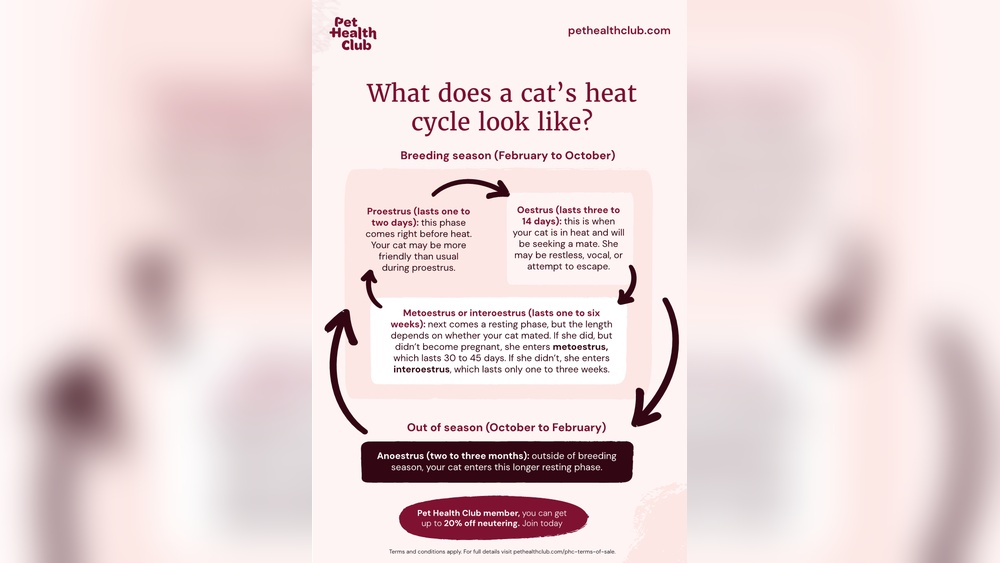
Are you curious about when your cat might start having kittens? Knowing the age when cats begin breeding is important for every cat owner.
It helps you make smart choices about your pet’s health and wellbeing. You’ll discover the key signs to watch for and what you need to know to keep your cat safe and happy. Keep reading—understanding this can make all the difference for you and your furry friend.
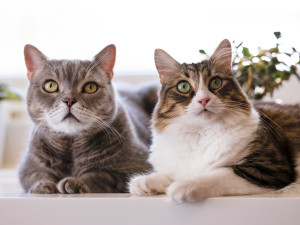
Credit: www.kinship.com
Cat Maturity And Breeding Age
Cats reach maturity at different times, signaling when they can start breeding. Understanding these signs helps pet owners care for cats properly. Early breeding can affect a cat’s health and well-being. Knowing the right age for breeding is important for responsible cat care.
Physical Signs Of Maturity
Female cats show heat cycles as a sign of maturity. Their behavior changes; they may become more vocal or restless. Male cats start spraying to mark territory. They develop bigger, stronger bodies and testicles. These signs show they are ready to mate.
Typical Breeding Age Range
Most cats start breeding between five and twelve months. Females often enter heat as early as five months. Males usually become fertile around six months. Breeding too early can cause health problems. It is best to wait until the cat is fully grown.
Differences Between Breeds
Some breeds mature faster than others. Small breeds often mature earlier than large breeds. For example, Siamese cats may start breeding young. Larger breeds like Maine Coons take longer to mature. Breed differences affect the best time to breed.
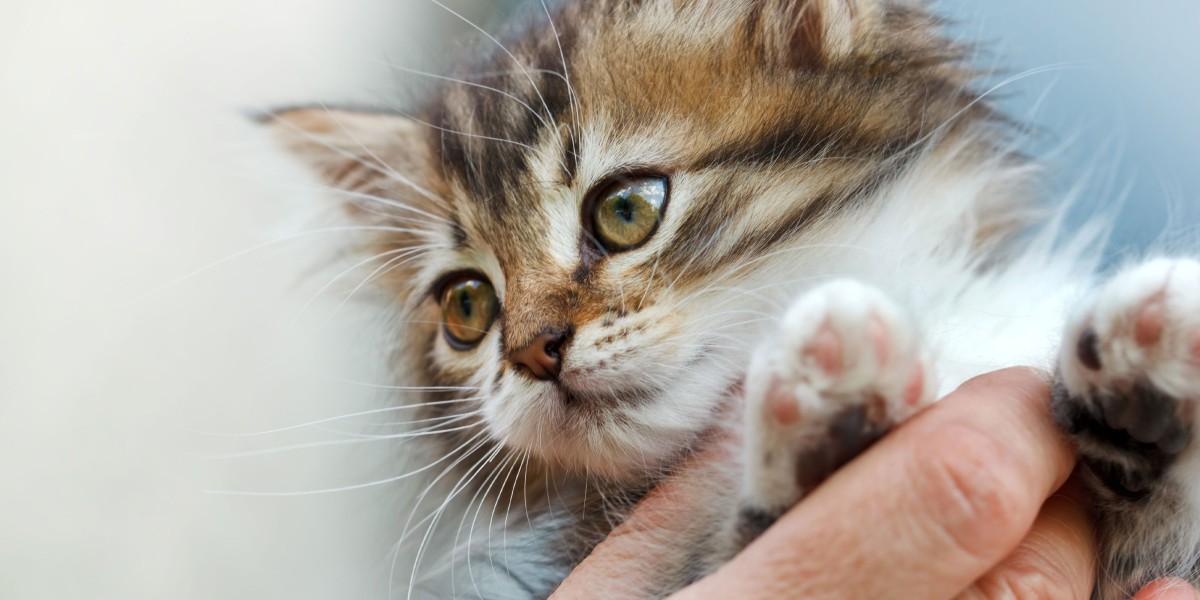
Credit: www.purina.com
Female Cats And Heat Cycles
Female cats experience heat cycles that signal their readiness to breed. These cycles begin when a cat reaches puberty. Understanding these cycles helps in knowing the right breeding time. It also explains changes in your cat’s behavior. This section covers signs of the first heat, how often heat cycles occur, and how these affect breeding.
First Heat Signs
The first heat usually starts between five and nine months of age. Some cats may start earlier or later. Signs include loud meowing and increased affection. Your cat may rub against furniture or people more often. She might also assume a mating position when touched. These signs show she is in heat and ready to breed.
Heat Cycle Frequency
Heat cycles repeat every two to three weeks during breeding season. This season lasts from spring to fall. Each heat lasts about four to seven days. If your cat does not mate, the cycle will repeat. It can continue until she becomes pregnant or the season ends. This frequent cycle helps maximize breeding chances.
Impact On Breeding Timing
Breeding is best during the heat period. Female cats are fertile only in heat. Breeding outside this time usually fails. Knowing the heat cycle helps plan mating correctly. It also reduces stress for the cat and owner. Careful timing increases the chance of healthy kittens.
Male Cats And Reproductive Readiness
Male cats play a key role in the breeding process. Understanding when they become ready to reproduce helps cat owners manage their pets better. Male cats reach reproductive readiness at different times. This readiness affects their behavior and ability to breed successfully.
When Males Become Fertile
Male cats usually become fertile between 5 and 12 months old. Some may start earlier, while others take longer. Fertility means they can produce sperm and father kittens. This stage marks the start of their reproductive life.
Behavioral Changes
Fertile male cats show changes in behavior. They may spray urine to mark territory. Their vocal sounds become louder and more frequent. Aggression toward other males may increase. These signs indicate their drive to find a mate.
Breeding Competence
Being fertile does not mean a male cat can breed right away. They need to develop physical strength and experience. Breeding competence improves with age and maturity. Young males may be less successful at mating than older ones.
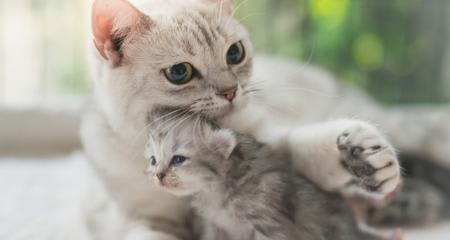
Credit: www.petco.com
Health Considerations Before Breeding
Breeding cats is a serious task that needs careful health checks first. A cat’s health affects her kittens and her own well-being. Preparing your cat before breeding helps avoid health problems. This section covers key health steps to follow before breeding your cat.
Vaccinations And Medical Checks
Vaccinations protect cats from common diseases. Make sure your cat’s vaccines are up to date. A vet can check for infections or other health issues. Regular medical checks help find problems early. Healthy cats have better chances of safe pregnancies and healthy kittens.
Genetic Screening
Genetic tests reveal inherited diseases. Some breeds carry specific health risks. Testing helps avoid passing on these problems. Choose cats with clean genetic records for breeding. This reduces health issues in future litters. Healthy genes lead to stronger kittens.
Nutritional Needs
Good nutrition supports a cat’s health before breeding. Feed high-quality food with needed vitamins and minerals. Pregnant cats need extra nutrients for their kittens. Proper diet helps maintain energy and strength. Healthy eating improves fertility and kitten growth.
Risks Of Early Breeding
Breeding cats at a very young age carries many risks. Young cats are not ready for the demands of pregnancy and raising kittens. Early breeding can harm the mother and her babies. Understanding these risks helps ensure cats stay healthy and safe.
Health Risks For Young Cats
Young cats have weak immune systems. Pregnancy can strain their bodies and make illness more likely. They may lose weight or suffer from infections. Their chances of survival drop when health problems occur.
Potential Complications
Early pregnancies often cause complications during birth. Young cats may face difficult labor or need emergency help. Babies born to young mothers are more likely to be weak or stillborn. These problems increase stress and danger for both mother and kittens.
Impact On Growth And Development
Breeding too soon stops young cats from growing properly. Their bones and muscles need time to develop. Pregnancy steals nutrients needed for growth. This can cause long-term health issues and weaker adult cats.
Responsible Breeding Practices
Responsible breeding practices help keep cats healthy and happy. Breeders must know the best time to breed cats. They should also follow rules about how often cats can breed. Proper care during pregnancy is very important. These steps protect the mother cat and her kittens.
Optimal Breeding Age
Cats usually start breeding at about six months old. But it is better to wait until they are one year old. This allows their bodies to grow strong. Breeding too early can cause health problems. Waiting helps the cat have healthier kittens.
Breeding Frequency Guidelines
Cats should not breed too often. Giving time between litters lets the mother recover. A good rule is to wait at least six months after a litter before breeding again. Overbreeding can weaken the cat. It can also cause smaller or unhealthy litters.
Care For Pregnant Cats
Pregnant cats need special care and a quiet place. They should eat healthy food made for kittens or pregnant cats. Regular vet visits are important to check their health. Keep the cat calm and safe. Prepare a clean, warm area for the kittens to be born.
Signs Of Pregnancy In Cats
Recognizing pregnancy in cats is important for their care and well-being. Cats show clear signs when they are expecting kittens. These signs help owners prepare for the arrival of newborns and ensure the mother’s health. Understanding these signs avoids confusion with other health issues.
Physical Changes
Pregnant cats often show visible changes. Their belly grows bigger and rounder as kittens develop. Nipples become pinker and larger, a sign called “pinking up.” Weight gain occurs steadily over weeks. Some cats may have mild morning sickness or vomiting early in pregnancy.
Behavioral Indicators
Behavior changes are common in pregnant cats. They may become more affectionate and seek attention. Some cats prefer quiet and hide more than usual. Nesting behavior appears as they prepare a safe place for kittens. Appetite often increases to support growing babies.
Veterinary Confirmation
Veterinarians confirm pregnancy with exams and tests. Palpation can detect kittens after 3 weeks. Ultrasound gives early and clear confirmation. X-rays show kitten bones after 6 weeks. Regular check-ups ensure the mother’s health and detect problems early.
Caring For Kittens And Mother
Caring for kittens and their mother is important for healthy growth. Both need special attention during the first weeks. The mother cat supports her babies with milk and warmth. Kittens depend on her for food and comfort. Providing the right care helps kittens grow strong and happy. The mother also needs good care to stay healthy and produce enough milk.
Nutrition And Environment
The mother cat needs a nutritious diet to produce milk. Feed her high-quality food rich in protein. Keep fresh water nearby at all times. The kittens stay warm by huddling close to their mother. Create a quiet, safe space for them. Avoid loud noises or too many visitors. A clean and cozy area reduces stress for both mother and kittens.
Weaning Process
Weaning starts around four weeks of age. Begin by offering soft, wet kitten food. Gradually reduce the mother’s milk over weeks. Offer small portions several times a day. Watch kittens learn to eat on their own. The process takes patience and careful observation. Proper weaning helps kittens become independent and healthy.
Early Socialization
Socialization begins in the first few weeks. Gently handle kittens daily to build trust. Introduce them to sounds and gentle touches. Play with toys to encourage movement and coordination. Positive experiences help kittens grow confident and friendly. Early socialization shapes their behavior as adult cats. It is essential for well-adjusted, happy pets.
Frequently Asked Questions
At What Age Do Cats Typically Start Breeding?
Cats usually begin breeding between 5 to 12 months old. Female cats enter their first heat cycle around this age. Males become fertile slightly later. Early breeding depends on breed, health, and environment. Responsible pet owners should monitor and manage breeding to ensure health.
How Can I Tell If My Cat Is Ready To Breed?
Signs include behavioral changes like restlessness, vocalizing, and affectionate gestures. Female cats in heat show swelling of the vulva. Male cats may spray urine and become more aggressive. These signs usually appear around 5 to 12 months old. Consult a vet for confirmation and advice.
Is It Safe For Cats To Breed At A Young Age?
Breeding too early can harm a young cat’s health. Cats should ideally be at least one year old before breeding. Early pregnancies increase risks of complications and affect growth. Responsible breeding involves vet checks and proper timing. Prioritize the cat’s health over early breeding.
How Often Can A Cat Breed In A Year?
Female cats can have multiple heat cycles yearly, typically every 2 to 3 weeks during breeding seasons. This can lead to 2 to 3 litters annually. Continuous breeding stresses the cat’s health. Responsible owners limit breeding frequency to protect the cat’s well-being.
Conclusion
Cats usually start breeding between 5 to 12 months old. This can change based on breed, health, and environment. Early breeding may cause health problems for young cats. Responsible pet care means knowing when cats are ready to breed. Spaying or neutering helps control unwanted litters.
Understanding cat breeding age helps owners make smart choices. Keep your cat healthy and safe by watching their growth. Breeding should be planned carefully and with care. Always consult a vet for the best advice on cat breeding.