
Are you dreaming of having a beautiful curl cat that passes its unique traits to every kitten? True-breeding curl cats are special, but getting them isn’t as simple as it sounds.
You might wonder how to make sure your curled feline’s charming features stay strong in future generations. You’ll discover clear, easy steps to obtain true-breeding curl cats and ensure your furry friend’s legacy lives on. Keep reading to unlock the secrets that breeders don’t always share!
Traits Of True-breeding Curl Cats
True-breeding curl cats have unique traits that set them apart. These traits are stable and passed down through generations. Understanding these traits helps in identifying and breeding true-breeding curl cats. Their traits go beyond just the curled ears. They include specific physical features and genetic markers.
Defining True-breeding Characteristics
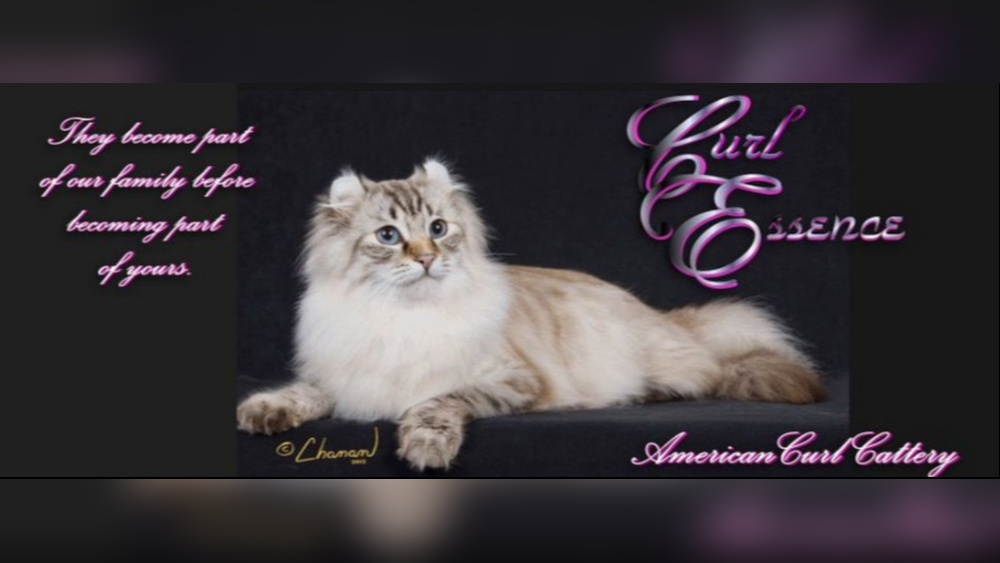
True-breeding curl cats consistently produce kittens with curled ears. This means their genes for ear curling are dominant and stable. They do not produce straight-eared kittens when bred with each other. True-breeding cats have predictable traits in every litter.
Genetics Behind Ear Curling
The curled ears come from a dominant gene. Cats with one copy of this gene show curled ears. Two copies may cause more extreme curls or health issues. Breeders test and select cats with the right gene to maintain healthy curls. This gene controls cartilage shape in the ear.
Common Physical Features
Besides curled ears, these cats have soft, thick fur. Their eyes are often large and round. Many have a sturdy body and medium size. Their tails may have a slight curl or bend. These features together create their distinct look.
Selecting Breeding Cats
Selecting breeding cats is the first step to obtain true-breeding curl cats. Careful choice affects the health, look, and nature of kittens. Breeders must focus on strong genes and good qualities in parents. This ensures offspring will carry the unique curled ears and other breed traits reliably.
Choosing the right cats requires attention to their physical features, health status, and behavior. These factors help maintain breed standards and produce happy, healthy kittens. The process involves checking each cat carefully before breeding.
Identifying Ideal Parent Cats
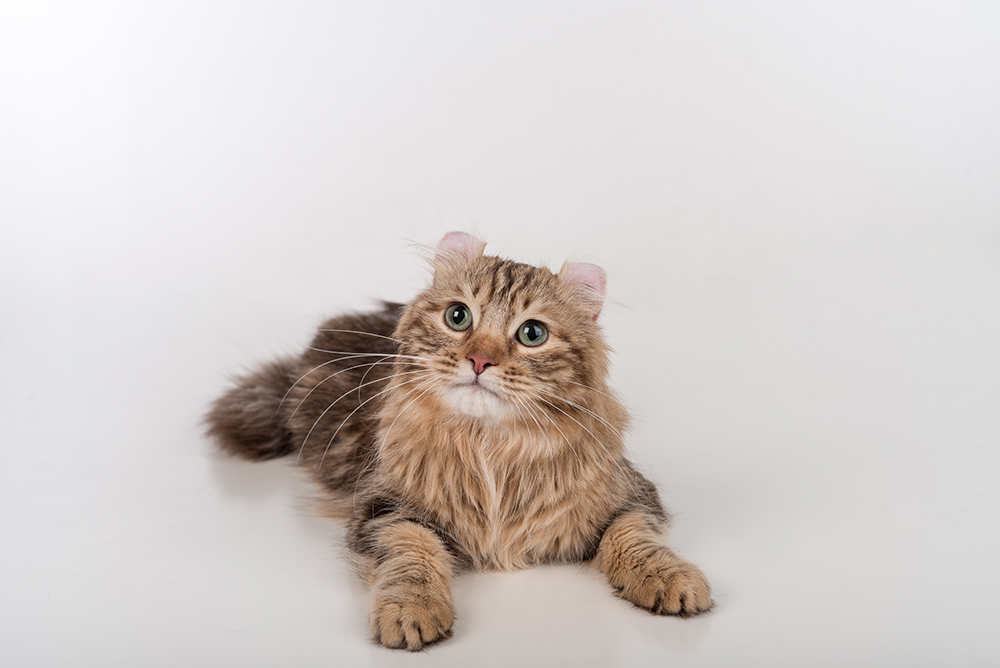
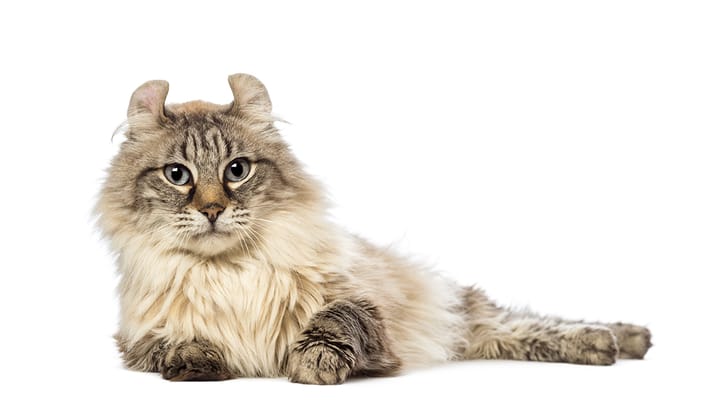
Ideal parent cats show clear curl ear shapes. Their ears curl forward in a smooth curve. The curl should not be too tight or loose. Look for balanced body size and coat quality. Parents should have no major faults or deformities. These traits pass on to kittens and keep breed purity.
Health Screening Essentials
Health checks prevent passing diseases to kittens. Test parents for common genetic problems. Check for infections and parasites before breeding. Vaccinations must be up to date. Healthy parents produce strong, lively kittens. Regular vet visits are a must for breeding cats.
Evaluating Temperament
Temperament affects how kittens behave. Choose cats with calm and friendly nature. Avoid aggressive or overly shy cats. Good temperament helps kittens adapt to new homes. Social and gentle parents often raise well-adjusted kittens. This trait is just as important as appearance.
Breeding Techniques For Consistency
Breeding techniques are key to producing true-breeding curl cats. Consistency ensures kittens inherit the curled ear trait. This requires careful planning and effort. Focused breeding helps keep the desired traits strong and clear.
Pairing Strategies
Choose cats with strong curl traits for breeding pairs. Pair a cat with a clear curled ear with another showing the same trait. Avoid mixing with cats that have straight ears. This helps keep the curled ear gene dominant in offspring. Breeders often use siblings or close relatives with the trait to improve consistency.
Managing Genetic Diversity
Keep genetic diversity to avoid health problems. Do not breed only from a few cats, even if they have the curl trait. Introducing new bloodlines helps reduce risks of inherited diseases. Balance is important: maintain curl traits while preventing inbreeding. Track health and traits carefully to maintain a healthy population.
Tracking Lineage And Traits
Document each cat’s family tree and traits. Note which cats show strong curled ears and other important features. Keep records of breeding results to see which pairs produce true-breeding kittens. Use this data to choose future pairs. Tracking helps improve breeding decisions and results over time.

Credit: cfa.org
Raising True-breeding Kittens
Raising true-breeding curl kittens requires care and attention from the start. These kittens need a calm, safe space to grow strong and healthy. Proper care helps keep their unique traits alive and thriving. Every step, from feeding to play, shapes their future.
Early Care Practices
Newborn curl kittens need warmth and gentle handling. Keep their bedding clean and dry. Feed them with the mother’s milk or a vet-approved substitute. Watch for signs of illness or weakness daily. Avoid loud noises to reduce stress. Regular vet checkups are essential to ensure healthy growth.
Monitoring Development
Track their weight and size weekly. Observe their eyes and ears opening on time. Note when they start to walk and play. Healthy kittens grow steadily and show curiosity. Delays in development can signal health issues. Seek advice from a vet if any concerns arise.
Socialization Tips
Expose kittens to people gently and often. Let them explore new sounds and sights slowly. Handle them with care to build trust. Play with safe toys to encourage activity. Social kittens adapt better to homes and families. Early socialization helps reduce fear and aggression later.
Common Challenges And Solutions
Obtaining true-breeding curl cats is not always simple. Many breeders face common challenges while trying to keep the breed pure and healthy. Understanding these problems and their solutions helps maintain the quality of these unique cats.
Dealing With Genetic Variability
Genetic variability can make it hard to get consistent curl traits. Some cats may not show the curled ears or may have other traits. Careful selection of breeding pairs reduces unwanted traits.
Testing the genes before breeding helps identify carriers of non-curl traits. Breeders must keep detailed records to track the genetics over generations. This practice increases the chance of true-breeding cats.
Avoiding Health Issues
Curl cats can inherit health problems if not bred carefully. Some health issues affect their ears, joints, or skin. Regular veterinary checks help catch problems early.
Choosing healthy parents lowers the risk of passing diseases. Breeders should avoid mating cats with known health problems. Good nutrition and proper care also support the cats’ well-being.
Maintaining Breed Standards
Breed standards define the ideal look and behavior for curl cats. Some cats may not meet these standards perfectly. Breeders must focus on traits like ear shape, coat, and size.
Showing cats in competitions helps confirm if they meet standards. Breeders should follow official guidelines from recognized cat associations. This keeps the breed consistent and respected worldwide.
Credit: www.purina.com
Expert Advice And Resources
Finding true-breeding curl cats requires knowledge and trusted sources. Expert advice helps you avoid common mistakes. It guides you through the breeding process. Reliable resources give you tools for success.
This section covers where to get expert help and useful materials. It shows how to connect with breeders who share your passion.
Consulting Breeding Specialists
Breeding specialists have deep knowledge of curl cat genetics. They offer advice on selecting healthy cats. They explain how to maintain true-breeding traits. Specialists warn about genetic risks and health issues. Their guidance improves your chances of success.
Recommended Reading And Tools
Books and guides provide detailed breeding information. They explain genetics in simple terms. Breeding journals share real-life case studies. Tools like pedigree software help track lineage. These resources keep your breeding organized and informed.
Joining Breeder Communities
Breeder communities connect you with experienced curl cat owners. Forums and social groups offer support and advice. You learn from others’ experiences and mistakes. Communities share updates on breed standards and health tips. They create a network to grow your knowledge.
Credit: wamiz.co.uk
Frequently Asked Questions
What Defines A True-breeding Curl Cat?
A true-breeding curl cat consistently passes the curled ear trait to its offspring. This means both parents carry the dominant gene for curled ears. Breeders ensure genetic stability by mating curl cats with similar ear traits over generations.
How To Identify Genetic Traits In Curl Cats?
Genetic testing reveals if a curl cat carries the curled ear gene. Visual inspection alone isn’t enough. True-breeding cats show the trait in every kitten. Breeders use pedigree records and DNA tests for accurate identification.
Can Any Cat Become A True-breeding Curl Cat?
No, only cats carrying the dominant curled ear gene can produce true-breeding offspring. Crossbreeding with non-curl cats dilutes the gene. Consistent breeding within curled ear lines is necessary to maintain true-breeding status.
Why Is Selective Breeding Important For Curl Cats?
Selective breeding ensures the curled ear trait is stable and healthy. It prevents genetic defects and maintains breed standards. Responsible breeders focus on health, temperament, and physical traits like ear curl consistency.
Conclusion
True-breeding curl cats need careful planning and patience. Choose healthy parents with the curl gene. Breed them over several generations to keep traits strong. Watch for health and behavior to ensure quality. Keep records of each cat’s lineage for accuracy.
This process takes time but brings rewarding results. You create cats with consistent curled ears and good health. Enjoy the journey of raising these unique pets.