

Are you wondering if different cat breeds can live together peacefully in your home? You’re not alone.
Many cat lovers face this question when thinking about adding a new furry friend. Understanding how various breeds interact can save you from future headaches and help create a happy, harmonious environment for your pets. Keep reading to discover which cat breeds get along best and how you can encourage friendship between your feline companions.
Your cats’ happiness—and your peace of mind—depend on it.
Cat Breed Personalities
Cats have many different personalities based on their breed. These personalities affect how they behave with other cats. Some breeds are very active and playful. Others prefer calm and quiet time. Understanding these traits helps in creating a peaceful home with multiple cats.
Knowing each breed’s social style can also guide you in choosing the right cat friends. Some cats enjoy company and play often. Others like to be alone most of the time. These differences affect if and how cats get along.
Active Vs. Laid-back Breeds
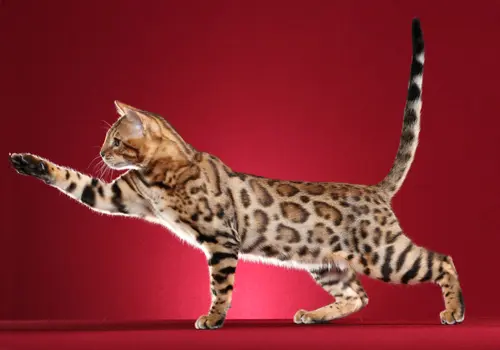
Active cat breeds need lots of play and exercise. They like to chase toys and explore. Examples include Abyssinians and Bengals. These cats may get restless without enough activity.
Laid-back breeds prefer quiet and rest. They enjoy lounging and gentle petting. Ragdolls and British Shorthairs often fit this calm style. These cats may avoid too much noise or chaos.
Mixing active and laid-back cats can work but requires care. The playful cat should not overwhelm the calm one. Both cats need their own space to feel safe.
Social Tendencies Of Popular Breeds
Some cat breeds love social time with people and other cats. Siamese cats are very talkative and enjoy company. They often bond closely with family members and other pets.
Maine Coons are also friendly and patient. They usually accept other cats and dogs well. Their gentle nature helps them fit into many homes.
On the other hand, some breeds prefer solitude. Persians and Scottish Folds tend to be shy or reserved. They may take longer to accept new cats or people.
Knowing these social traits helps in matching cats that will get along well. It also helps avoid conflicts and stress in multi-cat homes.
Factors Affecting Cat Compatibility
Cat compatibility depends on many factors beyond just breed differences. Understanding these factors helps create a peaceful home for multiple cats. Each cat has unique traits that affect how they get along with others.
Age, energy, gender, and social experience all shape a cat’s behavior toward other cats. Knowing these details can ease introductions and reduce conflicts. It also helps owners choose the right companions for their pets.
Age And Energy Levels
Young cats usually have more energy and playfulness. Older cats tend to be calmer and less active. Pairing cats with similar energy levels can reduce stress and fights. A high-energy kitten might annoy a quiet older cat. Matching activity levels creates a balanced environment.
Gender Influences
Male and female cats can behave differently around other cats. Male cats sometimes show more territorial behavior. Female cats may be more nurturing but can also be shy. Neutering or spaying helps lower aggressive tendencies. Gender matters but is not the only factor in compatibility.
Previous Socialization
Cats raised with other cats tend to accept new cats more easily. Those with little social experience may feel anxious or aggressive. Early socialization teaches cats how to share space and play gently. Proper introductions and patience help less social cats adapt over time.
Introducing Cats To Each Other
Introducing cats to each other needs patience and care. Cats can be shy or nervous around new cats. Proper introduction helps them feel safe and lowers fights. This step is important for all cat breeds. A slow, calm approach makes a big difference.
Step-by-step Introduction Process
Start by keeping cats in separate rooms. Let them smell each other’s scent on toys or blankets. Swap their bedding after a day or two. Next, allow short, supervised visits through a baby gate or cracked door. Watch their reactions closely during these meetings.
Gradually increase the time they spend near each other. Let them explore the shared space together. Provide separate food bowls and litter boxes. Keep calm and avoid forcing contact. Let cats come together at their own pace.
Signs Of Stress And How To Manage Them
Look for signs like hissing, growling, or hiding. Ears back, tail flicking, and dilated pupils show stress. If cats show these signs, separate them calmly. Give them quiet time apart to relax.
Use pheromone sprays or diffusers to calm cats. Offer treats and play to reduce anxiety. Keep the environment calm and quiet. Patience is key to help cats adjust without stress.
Credit: www.newsweek.com
Creating A Peaceful Home Environment
Creating a peaceful home environment helps different cat breeds live together happily. Cats are territorial animals. They need their own space to feel safe. A calm and well-organized home reduces stress and fights. This section explains how to set up space and share resources.
Space And Territory Setup
Each cat needs its own private area. Separate resting spots help avoid tension. Use cat trees, beds, or quiet corners for this. High places let cats observe without feeling threatened. Give each cat a chance to claim a spot. This respects their natural need for territory.
Providing Resources To Avoid Conflict
Multiple resources prevent competition and fights. Provide at least one litter box per cat plus one extra. Place food and water bowls apart. Cats prefer eating and drinking in different spots. Offer toys and scratching posts for play and exercise. Sharing becomes easier with enough resources for all.
Behavioral Tips For Better Harmony
Creating harmony between different cat breeds takes patience and care. Cats have unique personalities and social styles. Understanding their behavior helps reduce stress and conflict. Small changes in your approach can make a big difference.
Focus on positive experiences. Help cats build trust and friendship. Manage any signs of aggression or jealousy quickly. These steps improve your cats’ daily life together.
Encouraging Positive Interaction
Offer shared playtime with toys both cats enjoy. Use wand toys or small balls to spark interest. Praise and reward calm behavior during interactions. Feeding cats near each other helps build positive links. Create safe spaces where cats can retreat if needed. Rotate toys and activities to keep things fresh. Watch body language closely to spot stress early.
Handling Aggression And Jealousy
Separate cats at the first sign of aggression. Give them time to calm down apart. Avoid punishing cats; it may increase fear or anger. Provide extra attention to the jealous cat. Use pheromone diffusers to reduce tension in the room. Keep feeding and play routines consistent for both cats. Consult a vet or behaviorist if problems persist.

Credit: www.newsweek.com
When To Seek Professional Help
Introducing different cat breeds can be tricky. Sometimes, despite your best efforts, they do not get along well. Knowing when to seek professional help can save stress and keep your cats safe. Professionals offer advice and solutions tailored to your cats’ unique needs.
Recognizing Persistent Issues
Watch for constant fighting or aggressive behavior. If cats hiss, growl, or swipe often, it shows serious tension. Avoid ignoring these signs. When cats hide all the time or stop eating, problems are deeper. Persistent stress harms their health and happiness. Knowing these signs helps you decide when to act.
Types Of Professional Support Available
Cat behaviorists study feline actions and offer expert advice. They suggest ways to improve cat interactions. Veterinarians check for health issues causing aggression. Sometimes pain or illness affects behavior. Trainers teach techniques to calm cats and encourage good habits. Professionals can also recommend safe products and setups. Their help improves peace in your home quickly.
Credit: www.newsweek.com
Frequently Asked Questions
Do Different Cat Breeds Usually Get Along Well?
Yes, many cat breeds can get along well with proper introduction. Socialization, temperament, and environment play key roles in harmony.
Which Cat Breeds Are Most Social And Friendly?
Breeds like Ragdolls, Siamese, and Maine Coons are known for friendliness. They often adapt well to other cats and pets.
How To Introduce Different Cat Breeds Safely?
Introduce cats gradually in a neutral space. Use scent swapping and supervised meetings to reduce stress and encourage acceptance.
Can Personality Affect How Cat Breeds Interact?
Absolutely. Individual personality often matters more than breed. Friendly, tolerant cats usually get along better regardless of breed differences.
Conclusion
Different cat breeds can get along with time and patience. Each cat has its own personality and needs. Proper introductions help them feel safe and calm. Playtime and shared spaces build trust between cats. Owners should watch their behavior closely at first.
Respecting each cat’s space reduces stress and fights. Many cats enjoy company and make good friends. Patience is key to helping cats live happily together. Understanding their differences creates a peaceful home for all.