

Have you ever noticed how your cat’s meow sounds different from a friend’s cat? You might wonder if different cat breeds actually have unique meows.
Understanding these differences can help you connect better with your feline friend. You’ll discover why cats meow the way they do and how breed plays a role. By the end, you’ll see your cat’s voice in a whole new light—and maybe even learn to speak “cat” yourself.
Keep reading to unlock the secret language of your kitty!
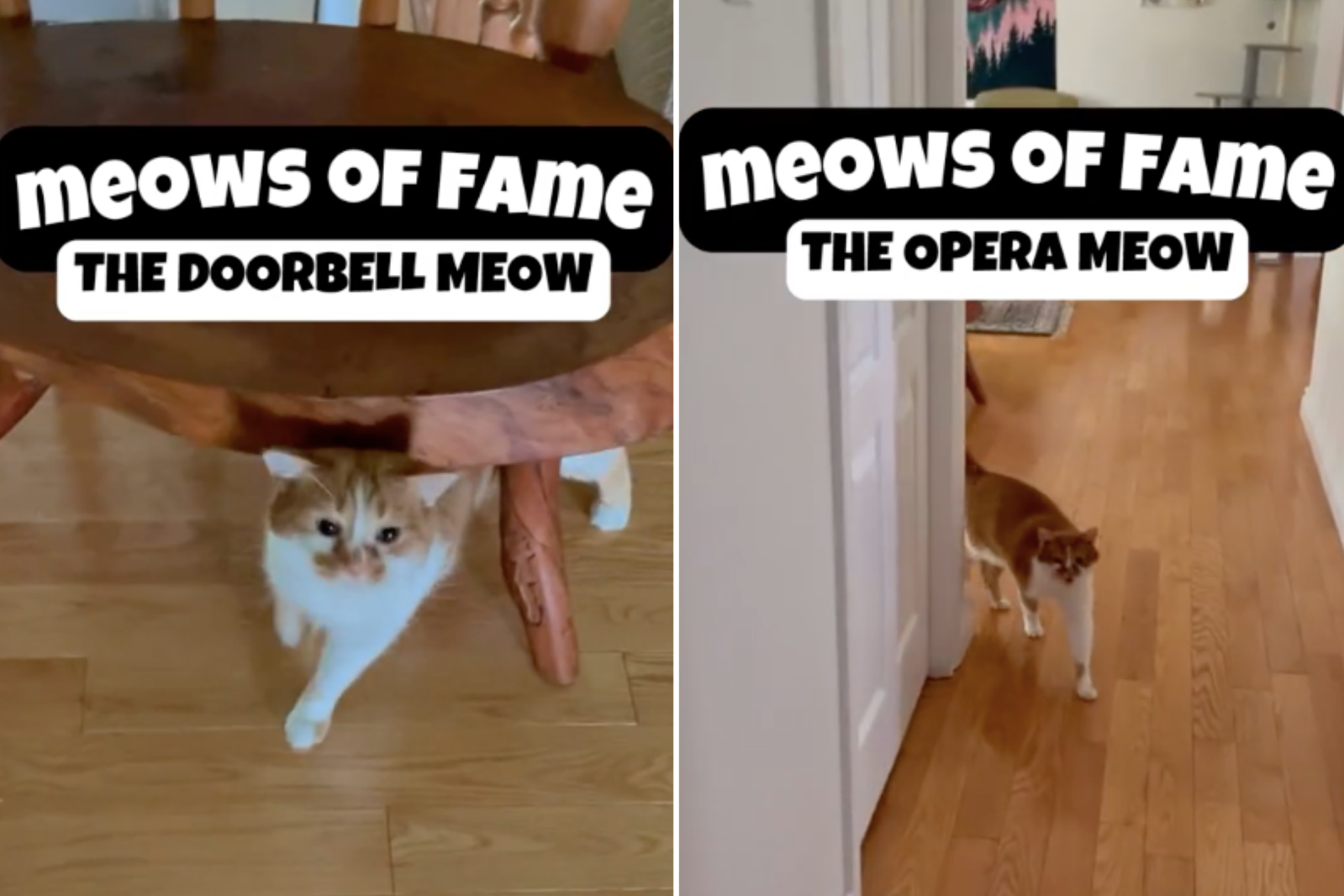
Credit: www.newsweek.com
Cat Vocalization Basics
Cats communicate in many ways. One of the main ways is through sounds. Understanding cat vocalization basics helps us know what cats want or feel.
Each cat uses sounds differently. These sounds include meows, purrs, hisses, and growls. Knowing these sounds improves your bond with your cat.
How Cats Use Meows
Cats use meows mainly to talk to humans. They rarely meow at other cats. A meow can mean many things like hunger, greeting, or needing attention.
The tone and length of a meow change the message. A short meow might say hello. A loud, long meow might ask for food or help.
Some cats meow more than others. This depends on their personality and breed. Cats learn that meowing gets a response from people.
Common Cat Sounds
Besides meows, cats make many sounds. Purring shows contentment or comfort. Hissing warns of fear or anger.
Growls are deeper and mean a stronger warning. Chirps or trills are often happy or playful sounds. Each sound tells you how your cat feels.
Listening carefully to these sounds helps you understand your cat better. It builds trust and improves care for your pet.

Credit: www.msn.com
Breed-specific Meow Traits
Cats communicate through meows, but not all meows sound the same. Each breed has unique vocal traits. These differences come from their genetics and history. Understanding these traits helps us know cats better.
Siamese And Their Loud Calls
Siamese cats are famous for their loud and clear meows. They use their voices often to get attention. Their calls can sound almost like a human baby crying. This breed is very talkative and expressive.
Maine Coons’ Gentle Chirps
Maine Coons have softer and sweeter sounds. They often make gentle chirps and trills instead of loud meows. Their voices feel calm and friendly. These cats use sound to show affection quietly.
Persian Cats’ Soft Meows
Persian cats tend to have soft and quiet meows. Their voices are delicate and subtle. They do not meow loudly but still communicate well. These cats prefer peaceful and calm sounds to speak.
Factors Influencing Cat Meows
Cats do not meow the same way all the time. Many things affect how they sound. These factors shape the way cats use their voice. Understanding them helps us know our pets better.
Each cat’s meow is unique. It depends on several key parts of their life and body. Let’s explore what changes a cat’s meow.
Age And Health Impact
Kittens often have higher-pitched meows. Their voices are softer and quicker. Older cats might have lower or quieter meows. Health problems can change a cat’s sound too.
A sick cat may meow more or less than usual. Pain or discomfort can make their voice rough or weak. Watching these changes can help spot health issues early.
Personality Differences
Some cats are naturally talkative. They use meows to chat a lot. Quiet cats may only meow when needed. Bold cats might have loud, demanding meows.
Shy cats often whisper or stay silent. Personality shapes how and when cats use their voice. Each cat’s character adds to their unique meow.
Environment And Socialization
Cats raised with people often meow more. They learn to use sounds to get attention. Outdoor cats may meow less since they rely on other signals.
Social cats use meows to communicate with other pets. A calm environment can reduce loud or frequent meowing. How cats grow up affects their vocal habits.
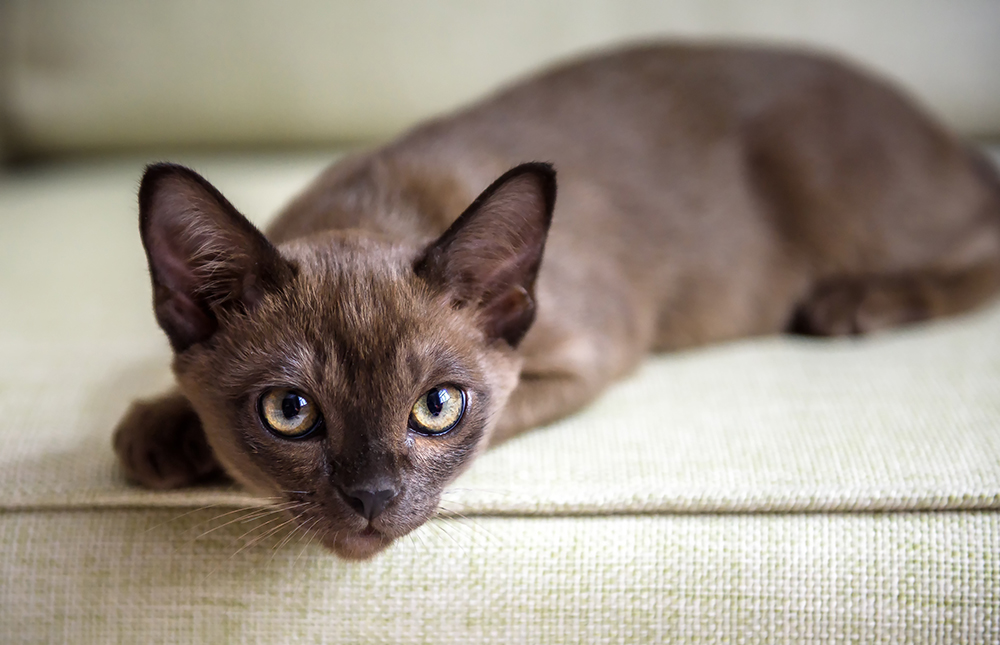
Credit: www.purina.com
Scientific Studies On Cat Meows
Scientists have studied cat meows to understand if different breeds sound different. These studies explore the patterns and tones cats use to communicate with humans. Researchers analyze recordings of cat vocalizations to find unique traits linked to breeds.
Research Findings
Studies show cats use meows mainly to talk to people, not other cats. Some breeds may have slightly different meow tones or lengths. For example, Siamese cats often have louder and more varied meows. But most cats share similar meow sounds regardless of breed.
Researchers found that cats change their meows based on the situation. They might use softer or sharper sounds to get attention or express needs. This means meows depend more on context than breed differences.
Limitations Of Current Studies
Most research includes only a few breeds and small groups of cats. This limits how well results apply to all cats worldwide. Also, cats can change their meows over time, which makes it hard to measure breed traits.
Many studies focus on pet cats in homes, not wild or stray cats. This leaves out how environment affects meowing. More research is needed with larger samples and diverse cats to understand breed effects fully.
Myths And Misconceptions
Many people believe cats of different breeds meow in unique ways. These ideas often come from stories or assumptions. It is important to understand what is true and what is not about cat sounds. Clearing up these myths helps us better understand our pets.
Do All Cats Meow The Same?
Cats use meows to talk to humans, not other cats. Most cats meow in similar ways. The sound may change slightly due to age, mood, or health. But breed does not make a big difference in meow style. Every cat has its own voice and personality.
Breed Stereotypes
Some breeds get labels like “quiet” or “talkative.” These ideas come from a few cats seen by people. For example, Siamese cats are called very loud. But not all Siamese cats meow a lot. Other breeds can be noisy too. It depends more on the cat’s character than breed.
Tips For Cat Owners
Understanding your cat’s meows helps build a stronger bond. Cats use different sounds to share feelings and needs. Recognizing these sounds can make your care more effective.
Every cat has unique meows that show their personality and breed traits. Paying close attention helps you respond better to your cat’s needs. This section offers simple tips for cat owners to understand and react to these sounds.
Recognizing Your Cat’s Unique Sounds
Listen carefully to your cat’s meows. Notice the tone, length, and pitch. Some cats have soft, gentle meows. Others use loud, sharp sounds.
Observe if your cat uses different meows for hunger, play, or discomfort. Breed can influence these sounds. For example, Siamese cats often have loud, vocal meows. Maine Coons tend to have softer, chirping sounds.
Track your cat’s usual sounds. Write down what each meow seems to mean. This helps you learn your cat’s special language.
Responding To Different Meows
Match your response to your cat’s meow. A soft meow might mean your cat wants attention. A loud meow could mean hunger or discomfort.
Speak gently back to your cat. Use calm, soothing tones. This reassures your cat and strengthens your connection.
Give your cat what they need quickly. Food, playtime, or petting. This teaches your cat their meows get noticed.
Respect your cat’s mood. Sometimes, silence or a slow blink works better than words. Learn to read body language along with meows.
Frequently Asked Questions
Do Different Cat Breeds Have Distinct Meow Sounds?
Yes, cat breeds can have slight variations in their meows. These differences depend on genetics and vocal cord structure. However, individual personality also influences meow tone and pitch. So, breed plays a role, but it’s not the only factor in meow differences.
Can Breed Affect A Cat’s Vocal Behavior?
Breed influences vocal behavior significantly. Some breeds, like Siamese cats, are known for being more vocal. Others, like British Shorthairs, tend to be quieter. Breed traits impact how often and loudly cats meow or communicate.
Why Do Some Cats Meow More Than Others?
Meowing frequency depends on breed, personality, and environment. Vocal breeds naturally meow more. Also, cats meow to communicate needs or seek attention. Stress and health issues can increase meowing as well.
Are Breed-specific Meows Easier To Recognize?
Certain breeds have recognizable meow patterns. For example, Siamese cats have loud, distinctive calls. Recognizing breed-specific meows helps owners understand their cat’s mood or needs better. But individual variation exists within breeds.
Conclusion
Different cat breeds may have unique meows, but all cats communicate clearly. Each cat’s voice shows its mood and needs. Pay attention to your cat’s sounds to understand it better. Meows vary by personality, not just breed. Knowing this helps build a stronger bond with your pet.
Every cat has its own special way to speak. Listen closely, and enjoy the lovely sounds your cat makes.