

Are you wondering when your male cat is ready to start breeding? Knowing the right time is important for your cat’s health and the well-being of future kittens.
If you breed too early, your cat might face health problems. Wait too long, and you could miss the best chance for healthy offspring. You’ll discover the key signs to look for and the ideal age to begin breeding your male cat.
Keep reading to make sure you’re making the best choices for your furry friend.
Male Cat Maturity Age
Male cats reach breeding maturity at different ages. Knowing this helps in managing their health and behavior. Male cat maturity age usually starts between six and twelve months. Some cats may mature earlier or later based on their breed and environment. Understanding their physical and behavioral changes gives clear signs of readiness to breed.
Physical Development Timeline
Male cats start physical changes around six months old. Their testicles begin to descend and grow larger. By eight to twelve months, they usually reach full reproductive size. Muscle development becomes more noticeable during this time. Their body shape changes, becoming more muscular and defined. Coat quality may improve as they mature. These physical signs show they are becoming capable of breeding.
Behavioral Changes Indicating Readiness
Behavior changes are strong signs of breeding readiness. Male cats start marking territory by spraying urine. They become more vocal, often howling or yowling loudly. Increased restlessness and roaming are common. Males may show aggression towards other cats. They also become more interested in female cats in heat. These behaviors usually begin when physical maturity is near. Watching for these signs helps identify when a male cat can breed.
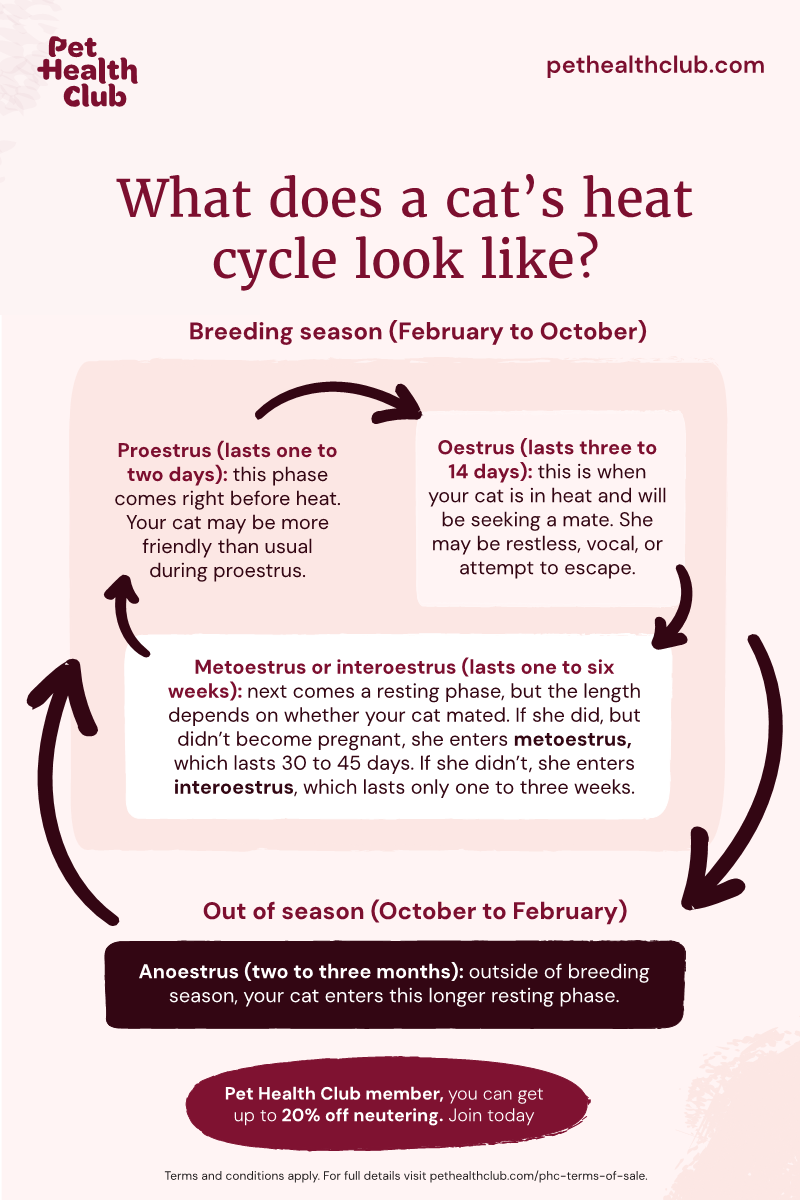
Credit: www.pethealthclub.com
Signs Of Breeding Readiness
Male cats show clear signs when they are ready to breed. These signs help owners know the right time to expect breeding behavior. Understanding these clues can prevent unwanted litters and keep your cat healthy.
Marking And Territorial Behavior
One key sign is marking territory with strong smells. Male cats spray urine on walls and furniture. This behavior signals they want to protect their area. They also rub their face on objects to leave scent marks. This marking grows stronger as the cat matures. It shows they are ready to attract females.
Vocalizations And Aggression
Breeding-ready male cats become louder and more vocal. They often make loud yowling sounds to call females. These sounds can be heard especially at night. Aggression can also increase during this time. Males may fight other cats to defend their territory. This behavior helps them compete for mates.
Optimal Breeding Age
Male cats reach breeding ability at different times. The best age to start breeding is important for health and success. Breeding too early or too late can cause problems. Knowing the optimal age helps ensure healthy kittens and a strong male cat.
Health Considerations
Male cats should be fully grown before breeding. Their bodies need to be strong and healthy. Young cats may have weak immune systems. This can lead to illness for the father and kittens. Waiting until the cat is about one year old is often safest. Regular vet check-ups help confirm good health. Vaccinations and parasite control are also important before breeding.
Breeding Success Rates
Breeding success is higher in mature male cats. Cats between one and five years old have the best fertility. Younger males may not produce enough sperm. Older males might have lower sperm quality. This affects the chance of healthy litters. Choosing the right age improves chances of successful mating. It also helps maintain the male cat’s long-term health.
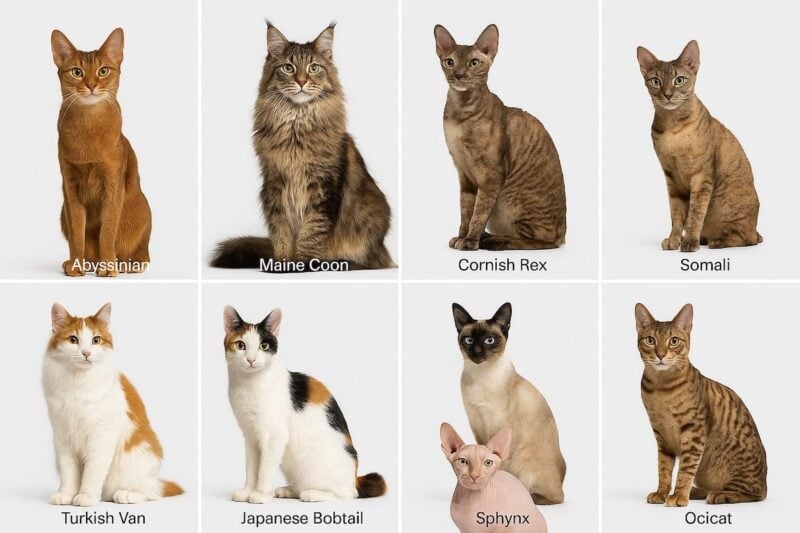
Credit: www.mainecooncentral.com
Risks Of Early Breeding
Breeding a male cat too early can cause serious problems. Many cat owners do not realize the risks involved in early breeding. Understanding these risks helps protect the cat’s health and well-being. Early breeding can harm a young cat’s body and slow down its growth. It is important to wait until the cat is fully ready.
Health Implications
Breeding at a young age can weaken a male cat’s immune system. This makes it easier for the cat to get sick. Early breeding may lead to infections and reproductive system issues. The cat’s body might not be strong enough to handle mating. Stress from early breeding can also lower the cat’s overall health.
Impact On Growth
Male cats need time to grow before breeding. Early breeding can stop a cat from growing properly. It might affect the cat’s bone strength and muscle development. Young cats may not develop full size or strength if bred too soon. Waiting helps the cat reach full physical maturity and stay healthy.
Preparation For Breeding
Preparing a male cat for breeding takes care and attention. Good preparation helps the cat stay healthy and ready. It also improves the chances of healthy kittens.
Start early. This gives the cat time to build strength and good health. Focus on key areas like health checkups and nutrition. These are vital for breeding success.
Health Checkups
Regular vet visits are a must. The vet checks for diseases and infections. This keeps the cat strong and safe to breed. Vaccinations must be up to date. Parasite control is important too. A healthy male cat passes on good genes. The vet can also check fertility and overall health.
Nutritional Needs
Good food supports the cat’s energy and growth. High-protein diets help build muscle. Vitamins and minerals keep the cat active. Fresh water must always be available. Avoid overfeeding to keep the cat fit. Proper nutrition improves sperm quality. Feed the cat a balanced diet for best results.
Breeding Behavior Management
Breeding behavior in male cats can be strong and challenging to manage. Understanding how to control these behaviors helps keep your cat calm. It also protects your home environment and other pets.
Male cats start showing breeding behaviors as they reach maturity. These behaviors include aggression and marking territory. Managing these actions is important for a peaceful home.
Managing Aggression
A male cat’s aggression rises with breeding instincts. This can cause fights with other cats and sometimes people. Watch for signs like growling, hissing, and biting. Calmly separate your cat from others if fights begin.
Provide plenty of playtime and attention. This helps reduce stress and aggressive energy. Use toys that mimic prey to keep your cat busy. Do not punish your cat, as it may increase aggression.
Controlling Territory Marking
Male cats mark territory by spraying strong-smelling urine. This behavior increases during breeding season. To control marking, keep your cat indoors as much as possible. Clean marked areas with special cleaners to remove the smell.
Neutering your cat reduces the urge to mark territory. Provide scratching posts and safe spaces for your cat. These give your cat places to feel secure and reduce marking behavior.
Neutering And Its Effects
Neutering is a key step in managing a male cat’s breeding ability and overall health. It involves removing the testicles to stop sperm production. This surgery affects more than just reproduction. It changes behaviors and can improve your cat’s quality of life.
Understanding the right time to neuter and what to expect after helps cat owners make wise choices. Neutering can reduce unwanted litters and lower risks of some diseases. It also calms many male cats, making them less aggressive and less likely to roam.
When To Neuter
Most vets suggest neutering male cats between 4 and 6 months old. By this age, cats reach puberty and can start breeding. Early neutering prevents unwanted pregnancies and stops some behaviors linked to mating instincts.
Neutering before puberty helps avoid spraying and fighting. It also reduces the chance of your cat developing certain cancers. Some cats may be neutered earlier due to shelter policies or vet advice.
Behavioral Changes Post-neutering
After neutering, many male cats show calmer behavior. They often stop marking territory with strong-smelling urine. Aggressive actions like fighting or chasing other cats usually decrease.
Neutered cats tend to be more affectionate and less restless. They are less likely to roam far from home. This change lowers the risk of accidents and injuries.
Neutering does not affect a cat’s ability to play or enjoy life. It keeps them healthier and easier to live with. Owners often notice a happier and more relaxed pet after the surgery.
Credit: www.purina.com
Frequently Asked Questions
When Do Male Cats Reach Sexual Maturity?
Male cats typically reach sexual maturity between 5 to 12 months old. This varies by breed and environment. Early maturity means they can start breeding as soon as they hit puberty, but responsible breeding considers full physical development for health.
How To Know If A Male Cat Is Ready To Breed?
Signs include increased territorial marking, mounting behavior, and vocalization. Physically, males develop larger testicles and stronger muscles. These behaviors and changes usually appear around six months, indicating readiness to breed.
Is It Healthy For Male Cats To Breed At Six Months?
Breeding at six months is possible but not always advisable. Young males may lack full physical and emotional maturity. Waiting until at least 12 months ensures healthier offspring and reduces breeding complications.
Can Early Breeding Affect A Male Cat’s Health?
Early breeding can stress a young male cat’s body. It may lead to reduced growth and increased risk of infections. Delaying breeding until full maturity supports better long-term health and fertility.
Conclusion
Male cats usually start breeding around six to twelve months old. Their maturity depends on health, breed, and environment. Early breeding can cause health problems for young males. Responsible care helps ensure healthy kittens and cats. Watch for signs of readiness before allowing breeding.
Proper timing benefits both the cat and owner. Breeding too soon can lead to issues. Patience and care make all the difference. Keep your cat’s well-being as the top priority.