
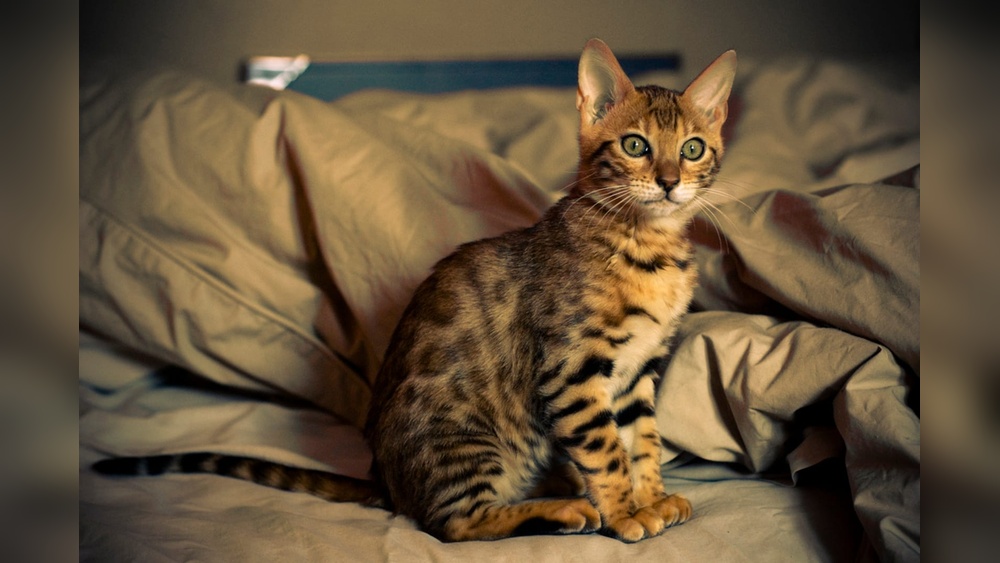
Are you wondering if breeding cats is haram? You’re not alone.
Many people who care deeply about their pets ask this question. Understanding what is allowed and what isn’t can be confusing, especially when it comes to religious beliefs and animal care. This article will clear up the doubts you have and help you make informed decisions about your furry friends.
Keep reading to find out the truth and what you should consider before breeding cats.

Credit: animalgeography.wordpress.com
Religious Perspectives On Cat Breeding
Religious views shape how people see animal care, including cat breeding. Different faiths offer unique guidance on treating animals with kindness. Understanding these views helps owners care for cats respectfully and ethically.
Islamic Views On Animal Breeding
Islam teaches kindness to all living beings. Breeding cats is not forbidden if done with care. The animals must not suffer or be harmed. Responsible breeding that protects health is acceptable. Neglect or cruelty in breeding is clearly wrong in Islam.
Christian Teachings And Animal Care
Christianity stresses compassion for all creatures. Caring for animals reflects God’s love. Breeding cats should focus on their well-being. Avoiding harm and providing good homes is vital. Cruelty or greed in breeding goes against Christian values.
Judaism And Ethical Treatment Of Pets
Judaism values kindness toward animals, known as tza’ar ba’alei chayim. Breeding cats must respect their health and comfort. Ethical treatment includes avoiding pain and suffering. Responsible breeding aligns with Jewish laws and morals.
Other Religious Opinions
Buddhism encourages compassion to all life forms. Breeding should not cause pain or distress to cats. Hinduism promotes ahimsa, meaning no harm to living beings. Many religions agree: animal care must be humane and kind.
Ethical Considerations In Cat Breeding
Ethical considerations play a big role in cat breeding. They help us think about what is right for cats and society. Cat breeding is not just about making more cats. It is about caring for their health and well-being. Many issues come up when breeding cats, which need careful thought.
These concerns affect cats’ lives and the world around them. Understanding these points can guide better choices. The following sections explain key ethical topics in cat breeding.
Animal Welfare Concerns
Animal welfare means keeping cats safe and healthy. Breeding should never cause pain or stress. Some breeders ignore this and treat cats poorly. This can lead to suffering and disease. Good breeders provide proper food, shelter, and care. Respecting cats’ needs is essential for ethical breeding.
Impact Of Overpopulation
Overpopulation means too many cats and not enough homes. This causes many cats to live on the streets. These cats often face hunger and illness. Overpopulation also stresses animal shelters. It leads to more cats being euthanized. Responsible breeding must consider this problem seriously.
Breeding Practices And Health Issues
Some breeding focuses only on looks, ignoring health. This can cause genetic problems in cats. These health issues reduce cats’ quality of life. Ethical breeders choose healthy parents and avoid harmful traits. They aim to produce strong and happy cats.
Adoption Vs. Breeding Debate
Adoption saves cats that already need homes. Many cats wait in shelters for families. Choosing adoption helps reduce overpopulation. Breeding creates new cats, adding to the number. Some people believe adopting is more ethical than breeding. Others support breeding with strict care and rules.
Cultural Attitudes Toward Cats
Cats have held a special place in many cultures for centuries. Their roles and meanings change based on local beliefs and traditions. Understanding cultural views helps us see why attitudes toward breeding cats vary.
Cats In Islamic Culture
Cats are respected and loved in Islamic culture. They are seen as clean animals. The Prophet Muhammad is known to have kindness toward cats. Many Muslims believe keeping cats is good and rewarding. Breeding cats is not forbidden if done responsibly.
Cats In Western Societies
In Western societies, cats are often pets and companions. People value cats for their independence and affection. Breeding cats is common and regulated by laws. Many breeders focus on health and specific traits. Cats also appear in art and media, showing cultural interest.
Global Variations In Pet Ownership
Pet ownership varies worldwide. Some cultures prefer dogs, others cats, or different animals. Economic and environmental factors affect pet choices. In some countries, cats are less common pets. Views on breeding depend on local customs and animal welfare laws.

Credit: www.onegreenplanet.org
Legal And Social Regulations
Breeding cats is a topic that involves more than just care and love for animals. It also has legal and social rules. These rules help protect animals and communities. Understanding these regulations helps breeders act responsibly and avoid problems.
Laws Governing Animal Breeding
Many countries have laws about breeding cats. These laws control how animals are treated. They set limits on breeding numbers and conditions. Some laws require breeders to have licenses. These rules prevent cruelty and overpopulation. Breaking these laws can lead to fines or jail time.
Social Responsibility Of Breeders
Breeders have a duty to care for their cats well. They must provide clean homes and proper food. Health checks are important to avoid passing diseases. Breeders should avoid mating animals with genetic problems. Sharing knowledge about cat care helps others. Responsible breeders focus on animal welfare, not just profit.
Community Impact And Awareness
Breeding cats can affect local communities. Overbreeding leads to stray animals and shelter crowding. It can also spread diseases to other pets. Educating the public about ethical breeding helps reduce problems. Communities benefit when breeders follow rules and care for cats. Awareness encourages kindness and respect for animals.
Alternatives To Breeding
Breeding cats is not the only way to bring pets into your life. Many alternatives exist that support animal welfare and respect ethical concerns. These options help reduce the number of homeless cats and promote kindness. Choosing alternatives benefits both animals and humans alike.
Promoting Rescue And Adoption
Rescue and adoption give cats a second chance at life. Shelters often care for cats in need of homes. Adoption saves animals from uncertain futures. It also reduces overpopulation and lowers euthanasia rates. Adopted cats can bring joy and companionship without supporting breeding.
Supporting Animal Shelters
Animal shelters rely on community help to care for cats. Donations and volunteering improve shelter conditions. Shelters provide food, medical care, and safe spaces. Supporting shelters helps more cats find loving homes. Every small effort makes a big difference for these animals.
Encouraging Responsible Pet Ownership
Owning a cat means commitment and care. Responsible owners provide proper food, shelter, and health checks. Spaying or neutering pets prevents unwanted litters. Teaching others about good pet care creates a kinder environment. Responsible ownership protects cats and their communities.
Credit: www.purina.com
Frequently Asked Questions
Is Breeding Cats Considered Haram In Islam?
Breeding cats is generally not considered haram in Islam. It is permissible if done responsibly and without harm. The key is ensuring the cats’ welfare and avoiding unethical practices.
What Islamic Teachings Say About Animal Breeding?
Islam emphasizes kindness and care for animals. Breeding animals is allowed if it respects their well-being and does not cause suffering or neglect.
Can Cat Breeding Be Halal If Done Ethically?
Yes, cat breeding can be halal if it follows ethical guidelines. This includes providing proper care, avoiding harm, and ensuring healthy living conditions.
Are There Any Islamic Restrictions On Pet Ownership?
Islam permits pet ownership, including cats. Owners must treat pets with kindness, provide for their needs, and avoid cruelty or neglect.
Conclusion
Breeding cats raises important questions in Islam. Caring for animals shows kindness and respect. It matters how you treat the cats you breed. Avoid cruelty and ensure their health and safety. Profit should never come before the animals’ well-being. Many scholars say breeding is allowed with good care.
Still, some warn against doing it for greed. Think about your reasons and actions carefully. Always choose kindness and responsibility in pet care. This approach helps you stay true to your faith and values.