
Wondering when your kitten should start eating adult cat food? Making this switch at the right time is crucial for your cat’s health and happiness.
If you change too early or too late, it could affect their growth and energy. You’ll discover clear signs to look for and expert tips to help you make the transition smoothly. Keep reading to ensure your furry friend gets the nutrition they need at every stage of life.
Kitten Growth Stages
Kittens grow fast in their first few months. Understanding their growth stages helps you know when to change their food. Each stage has unique needs for nutrition and care.
Providing the right food at the right time supports healthy bones, muscles, and energy.
From Newborn To Weaning
Newborn kittens depend entirely on their mother’s milk. This milk gives all nutrients needed for the first four weeks. They cannot eat solid food yet. During this time, kittens sleep and nurse often.
Weaning starts around four weeks old. Kittens begin tasting soft food but still rely on milk. This gradual change helps their digestive system adapt.
Transition To Solid Food
At about five to six weeks, kittens try more solid food. Offer wet kitten food mixed with water or kitten formula. This makes it easier to chew and digest.
By eight weeks, most kittens eat mostly solid food. Continue to provide kitten-specific food. It has extra protein and fat for growth.
Rapid Growth Phase
From two to six months, kittens grow very quickly. Their bodies need more energy and nutrients. Feed them kitten food three to four times daily.
After six months, growth slows but still needs support. This phase prepares them for adult food soon.
Credit: www.pdsa.org.uk
Signs To Switch Food
Knowing when to switch your cat from kitten to adult food is important. Cats grow fast, and their food needs change. Signs help you understand the right time to make the switch. Watch your cat closely for these signs. They show your cat is ready for adult food.
Physical Development Indicators
Your cat’s body shows clear signs of growth. Their baby teeth fall out and adult teeth come in. Weight gain and muscle growth become more noticeable. Their fur looks thicker and shinier. These changes mean your cat needs more mature nutrition. Adult cat food supports their growing bones and muscles better.
Behavioral Changes
Your cat’s behavior changes as they grow up. They become less playful and sleep more. Appetite changes too; they may eat less but need more balanced food. Your cat may start exploring more and show new habits. These changes suggest they need food that fits adult energy levels.
Veterinarian Recommendations
Regular vet visits are key to your cat’s health. Your vet can tell you the best time to switch food. They check growth, weight, and overall health. Follow your vet’s advice on food type and timing. They may suggest special formulas for some cats.
Choosing Adult Cat Food
Switching your cat to adult food is an important step. Adult cats have different needs than kittens. Their food should support steady energy and health. Choosing the right food helps keep your cat strong and happy. This guide covers what to look for in adult cat food.
Nutritional Needs Of Adult Cats
Adult cats need balanced nutrition. Protein is key for muscle maintenance. They need fats for energy and healthy skin. Vitamins and minerals support overall health. Avoid foods with too many fillers like corn or wheat. Proper nutrients help prevent obesity and illness.
Types Of Adult Cat Food
Dry food is easy to store and helps clean teeth. Wet food has more moisture, good for hydration. Some cats prefer one type over the other. There are also raw and homemade options. Choose what suits your cat’s taste and health needs.
Reading Food Labels
Check the first ingredient; it should be meat. Look for named proteins like chicken or fish. Avoid vague terms like “meat by-products.” Check for added vitamins and minerals. Watch out for too many fillers and artificial additives. Always pick food made for adult cats.
Transitioning Process
Switching your cat from kitten food to adult cat food is a key step. It affects their growth and health. A smooth transition helps avoid tummy troubles and keeps your cat happy.
Start the process around 9 to 12 months of age, but watch your cat closely. Each cat may need a different pace. Patience and care make this change easier for your pet.
Gradual Food Introduction
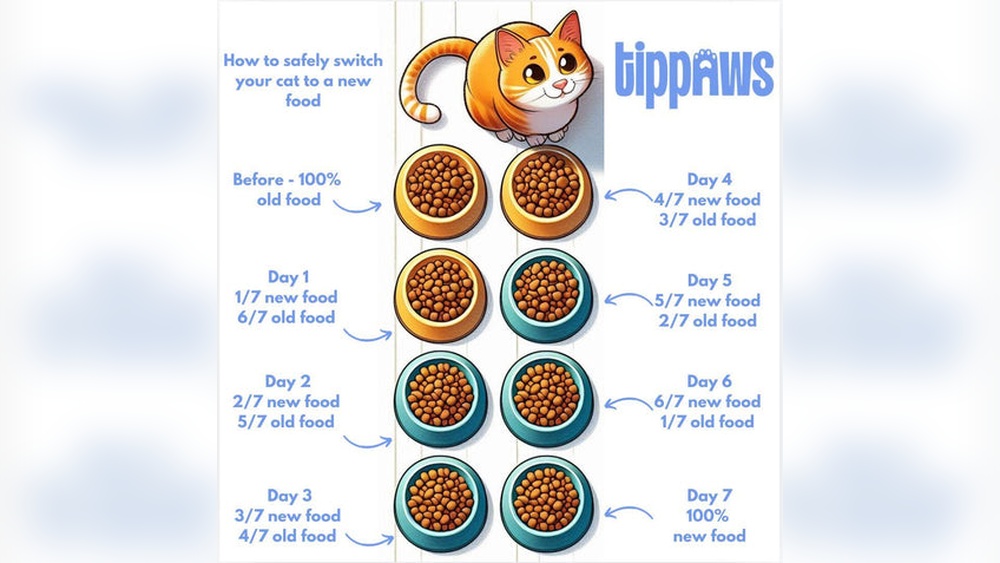
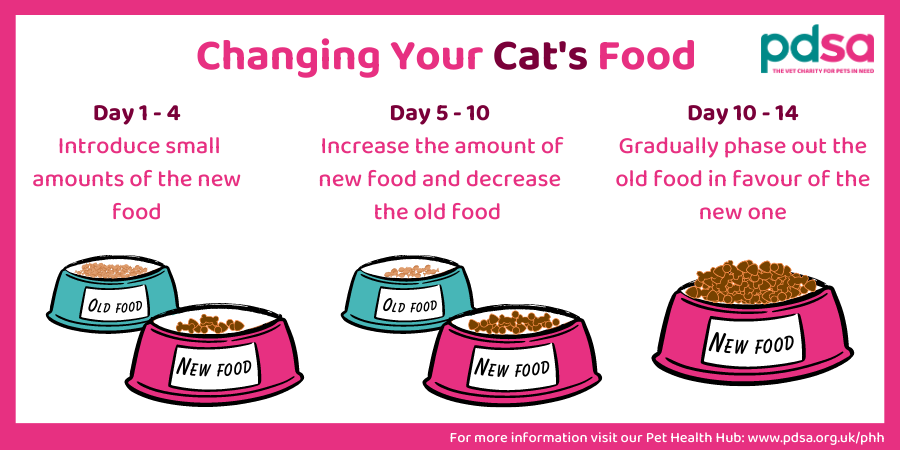
Mix a small amount of adult food with kitten food. Increase the adult food slowly over 7 to 10 days. This helps your cat adjust to new tastes and textures. Sudden changes can cause stomach upset.
Monitoring Health And Appetite
Keep an eye on your cat’s eating habits. Watch for changes in appetite or behavior. Check for weight loss or gain. Healthy cats eat well and stay active during the switch.
Handling Food Sensitivities
Some cats may react to new food ingredients. Look for signs like vomiting or diarrhea. If problems arise, pause the transition. Consult your vet for advice and alternative diets.
Special Considerations
Cats do not all grow and develop in the same way. Special care must be taken when switching their food. Different needs affect the right time to change to adult cat food. This ensures they get the right nutrition for their life stage.
Breed And Size Variations
Large breeds grow slower than small breeds. Some cats need more calories and protein. Small breeds may need food that supports fast growth. Tailor the food switch to your cat’s breed and size. Watch your cat’s weight and energy to decide.
Indoor Vs Outdoor Cats
Outdoor cats burn more energy and need more calories. Indoor cats are less active and require fewer calories. Outdoor cats may need adult food earlier for strength. Indoor cats may stay on kitten food longer to support health. Consider your cat’s lifestyle before changing food.
Senior Cat Food Timing
Senior cats need food with fewer calories and more fiber. Watch for signs like less activity or weight change. Senior cat food helps support joints and digestion. Switching too early or late can cause health issues. Consult your vet to find the best time to switch.

Credit: www.youtube.com

Credit: www.vetsupply.com.au
Frequently Asked Questions
When Should Kittens Switch To Adult Cat Food?
Kittens typically switch to adult cat food at 12 months old. This timing supports their growth and nutritional needs. Some breeds may need adult food earlier or later. Always consult your vet for personalized advice.
What Signs Show A Cat Is Ready For Adult Food?
Signs include slowed growth, reduced playfulness, and changes in appetite. Cats may also have less energy than kittens. These indicate they need more mature nutrition found in adult cat food.
Can Switching Too Early Harm My Cat?
Yes, switching too early can cause nutritional deficiencies. Kittens need higher protein and fat for growth. Adult food may lack these nutrients, affecting their development and health.
How To Transition Cats To Adult Food Smoothly?
Gradually mix adult food with kitten food over 7-10 days. Increase adult food portion daily to avoid digestive upset. This helps cats adjust to the new diet comfortably.
Conclusion
Cats usually switch to adult food around one year old. This change helps meet their growing nutritional needs. Watch for signs like size and activity changes. Choosing the right food supports their health and energy. Always introduce new food slowly to avoid upset stomachs.
Remember, each cat is different; adjust feeding based on your cat’s needs. Healthy food means a happy, active cat. Take time and care during this transition. Your cat will thank you with purrs and playfulness.