
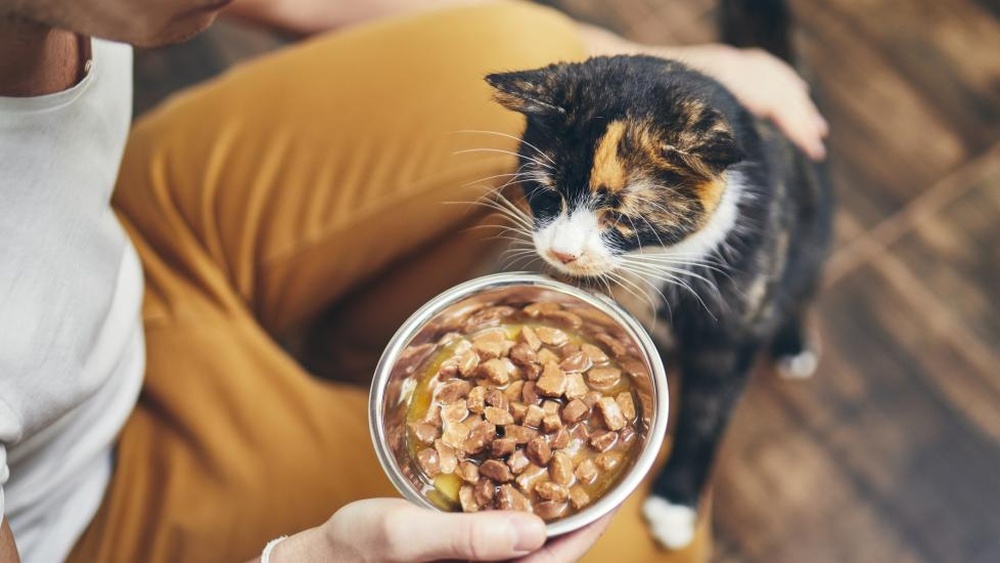
Are you wondering how much food your adult male cat really needs? Feeding your cat the right amount is key to keeping him healthy and happy.
Too little food can leave him hungry and weak, while too much can lead to weight problems and health issues. You’ll discover simple and practical tips to find the perfect portion size for your furry friend. Keep reading to learn how to make sure your cat gets just the right amount of nutrition every day.
Credit: rawznaturalpetfood.com
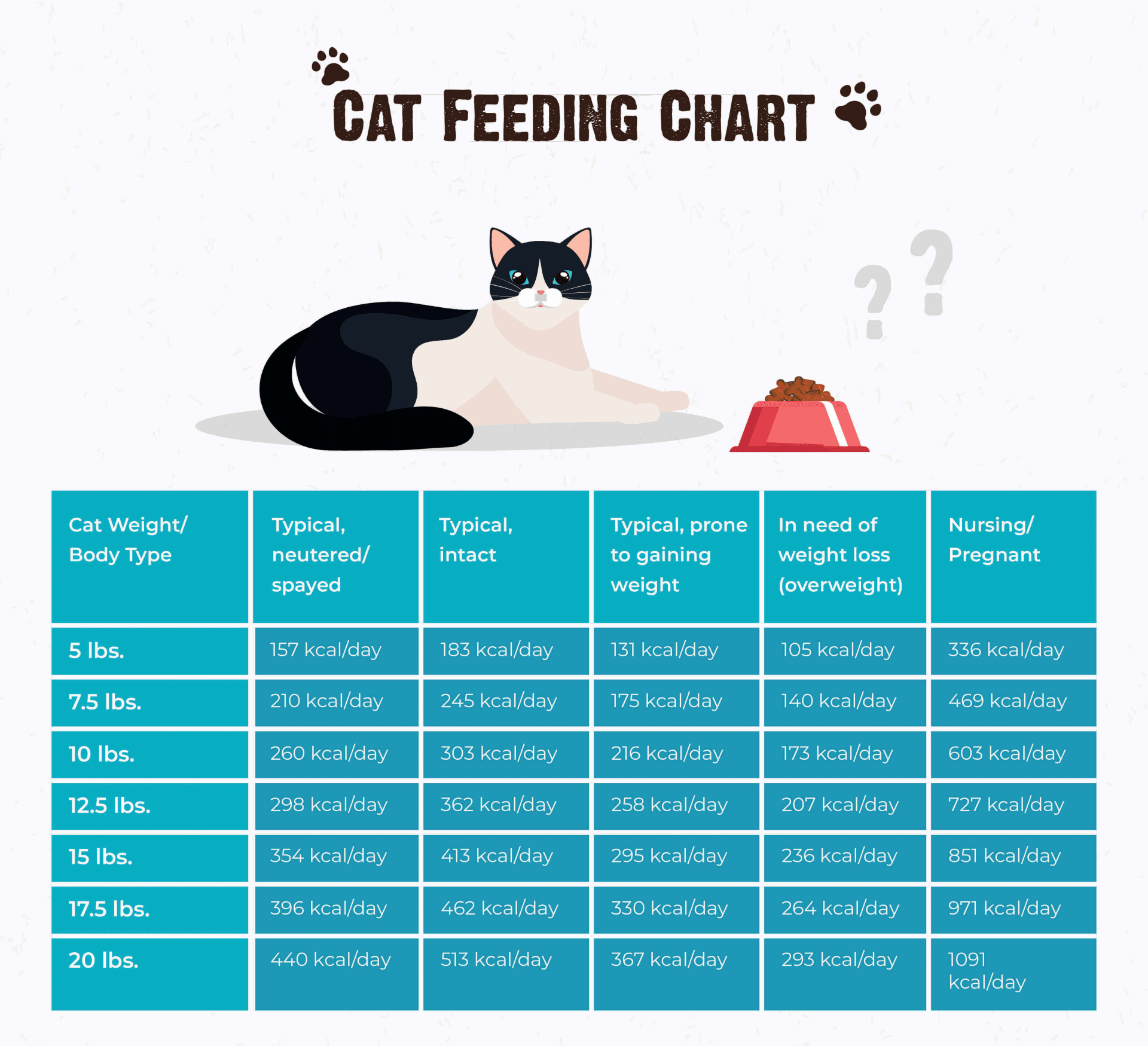
Daily Calorie Needs
Adult male cats need a certain amount of calories each day to stay healthy. Calories give your cat energy for playing, hunting, and resting. Feeding the right amount helps keep your cat’s weight steady. Too many calories cause weight gain. Too few calories lead to weight loss and low energy.
Understanding daily calorie needs helps you feed your cat properly. This depends on many factors like age, activity, and health. Let’s explore what affects these needs and how to calculate them.
Factors Affecting Calorie Requirements
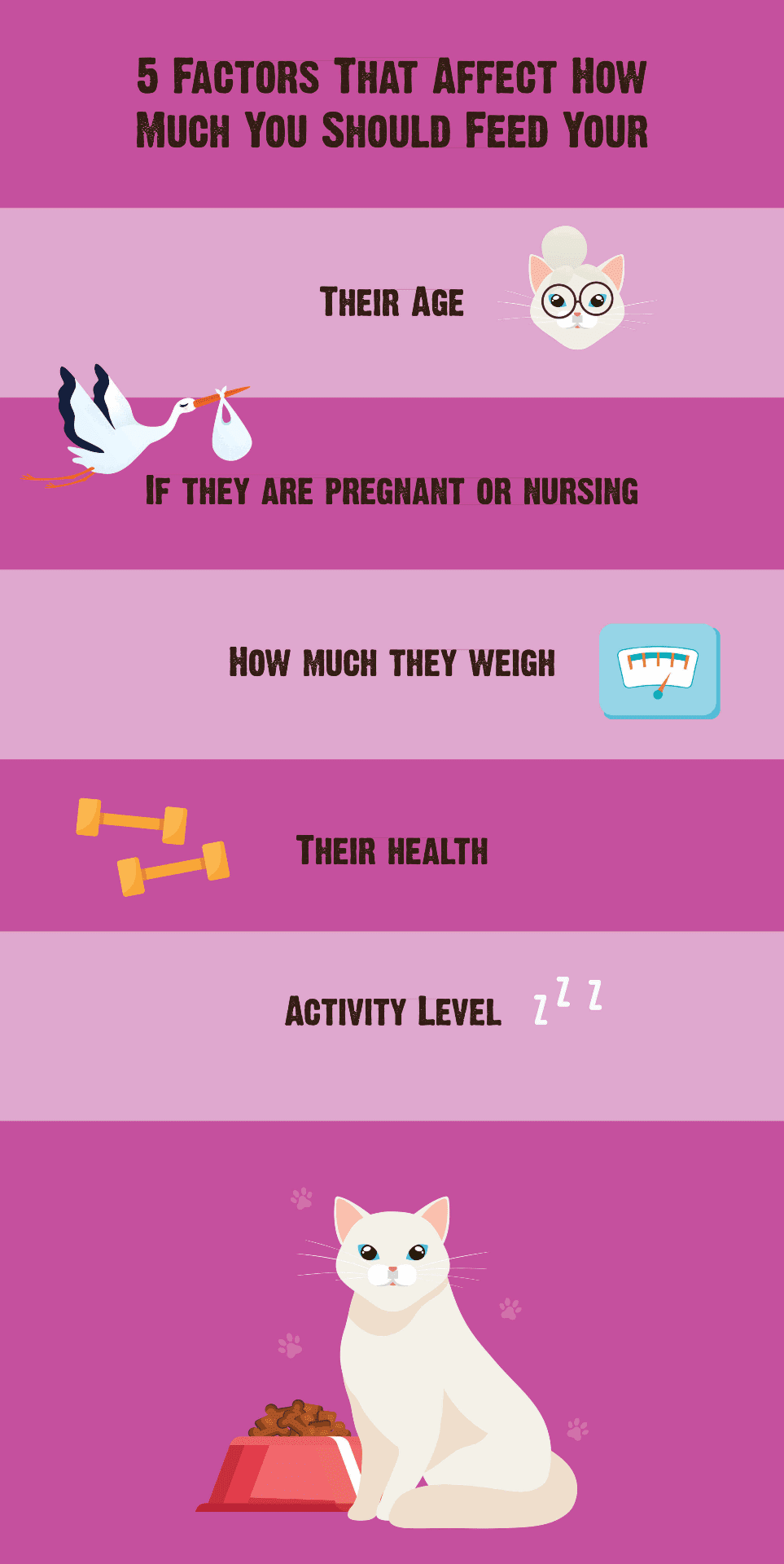
Each cat is unique. Some need more calories than others. Age affects calorie needs. Younger cats burn more energy. Older cats need fewer calories.
Activity level is important. Active cats need more calories. Indoor cats usually need less energy than outdoor cats. Health also plays a role. Cats with health issues may need special diets.
Neutered or spayed cats often need fewer calories. Their metabolism slows down. Weight also matters. Overweight cats require fewer calories to lose weight. Thin cats may need more calories to gain weight.
Calculating Your Cat’s Energy Needs
Start with your cat’s weight. Use this number to find calorie needs. A common formula is RER (Resting Energy Requirement). It uses weight in kilograms.
RER = 70 × (weight in kg) ^ 0.75. This gives the calories your cat needs at rest. Next, multiply RER by a factor based on activity. For adult male cats, multiply by 1.2 to 1.4 for maintenance.
Example: A 5 kg cat’s RER is 70 × 5^0.75 = about 188 calories. Multiply by 1.3 for activity. Total daily calories = 244 calories.
Adjust calories if your cat gains or loses weight. Regularly check your cat’s body condition. Feeding the right calories keeps your cat fit and happy.
Credit: rawznaturalpetfood.com
Types Of Cat Food
Choosing the right type of food is important for feeding an adult male cat. Different foods offer various nutrients that affect your cat’s health and energy. Understanding the types of cat food helps you decide the best option for your pet.
Dry Vs Wet Food
Dry food is crunchy and easy to store. It helps keep teeth clean by reducing plaque buildup. Dry food lasts longer once opened and is usually less expensive. Wet food contains more moisture, which helps keep cats hydrated. It has a softer texture and stronger smell, often more appealing to cats. Wet food can support urinary health by increasing water intake. Many cat owners use both types to balance benefits.
Benefits Of High-protein Diets
Cats need high protein for muscle strength and energy. Protein helps maintain a healthy weight and supports organ function. Adult male cats especially benefit from protein-rich diets to stay active. Foods with real meat or fish as the first ingredient provide quality protein. Protein also helps keep the coat shiny and skin healthy. Avoid foods with too many fillers like corn or wheat.
Specialty Diets And Restrictions
Some cats require special diets due to health issues. Kidney problems often need low-protein, low-phosphorus food. Allergies may require hypoallergenic or limited ingredient diets. Weight control diets help overweight cats slim down safely. Always consult a vet before changing to a specialty diet. Feeding the right food supports your cat’s unique health needs and improves life quality.
Portion Sizes By Weight
Feeding an adult male cat the right amount of food is key to his health. Portion sizes depend mostly on the cat’s weight. Giving too much food can cause obesity. Too little food leads to malnutrition. Understanding how much to feed based on weight helps maintain a healthy cat.
Feeding Guidelines For Different Weights
For a cat weighing 8 pounds, feed around 150 to 170 calories daily. Cats at 10 pounds need about 180 to 200 calories. A 12-pound cat requires 210 to 230 calories each day. Use the cat’s weight to measure food portions. Check the calorie content on the food package. Adjust the amount to meet the calorie needs. Split the food into two or three meals per day.
Adjusting Portions For Activity Levels
Active cats burn more calories. They need larger portions to stay healthy. Less active cats need smaller portions. Overfeeding inactive cats can cause weight gain. Watch your cat’s behavior and adjust food amounts. Playtime and outdoor activity increase energy needs. Less movement means cutting back on food. Balance food portions with activity to keep your cat fit.
Feeding Frequency
Feeding frequency plays a big role in keeping an adult male cat healthy. Cats do best with regular meal times. This helps control their weight and digestion. Knowing how often to feed your cat can prevent overeating and hunger.
Recommended Meal Schedules
Most adult male cats do well with two meals a day. One in the morning and one in the evening. This routine matches their natural eating habits. Each meal should be the right size to meet their daily calorie needs.
Some owners split the food into three smaller meals. This can help with cats that eat too fast or get hungry quickly. It also keeps energy levels steady throughout the day.
Free Feeding Vs Scheduled Meals
Free feeding means leaving food out all day. Cats can eat whenever they want. This works for cats who control their eating well. But it can lead to overeating and weight gain in others.
Scheduled meals give you control over how much your cat eats. This helps prevent obesity and keeps your cat active. It also makes it easier to notice changes in appetite or health.
Signs Of Proper Feeding
Knowing the signs of proper feeding helps ensure your adult male cat stays healthy. Proper feeding means giving the right amount of food. It supports your cat’s energy, health, and happiness. Watch for clear signs to know if you feed him well.
Monitoring Weight And Body Condition
Check your cat’s weight regularly. A healthy adult male cat should keep a steady weight. Too much weight gain means overfeeding. Weight loss can mean underfeeding or illness.
Feel your cat’s ribs gently. You should feel ribs but not see them. The waist should be visible behind the ribs. This shows a good body condition.
Behavioral Indicators Of Satisfaction
A well-fed cat acts calm and relaxed after eating. He will not beg for more food constantly. Look for signs like purring or kneading, which show contentment.
If your cat finishes his food and walks away, he is likely full. Excessive meowing or searching for food may mean he needs more or less food.
Credit: www.petmd.com
Common Feeding Mistakes
Feeding an adult male cat may seem simple. Yet, many cat owners make common feeding mistakes. These errors can harm your cat’s health and happiness. Knowing what to avoid helps keep your cat fit and content.
Overfeeding Risks
Giving too much food causes weight gain fast. Overweight cats face health problems like diabetes and joint pain. Extra food also leads to less activity and tiredness. Portion control is key to avoid these risks.
Underfeeding Consequences
Not enough food can make your cat weak and sick. Cats need enough calories to stay active and healthy. Underfeeding lowers their energy and weakens the immune system. Feeding the right amount supports their daily needs.
Avoiding Harmful Foods
Certain foods harm cats, even in small amounts. Avoid chocolate, onions, garlic, and grapes. These can cause serious illness or poisoning. Stick to cat-safe foods to protect your pet’s health and well-being.
Adjusting Food Intake Over Time
Adjusting food intake over time is important for adult male cats. Their needs change with age and health. Feeding the right amount keeps cats healthy and happy. Watch their weight and energy to guide feeding amounts. Regular adjustments support a long, active life.
Changes With Age
Young adult cats need more calories for energy. As cats grow older, their metabolism slows down. Older cats require fewer calories to avoid weight gain. Muscle mass can decrease with age, so protein intake matters. Adjust food portions to match activity levels and age.
Adjusting For Health Issues
Health problems affect a cat’s appetite and food needs. Cats with kidney or liver issues need special diets. Overweight cats need smaller portions to lose weight safely. Cats with diabetes require consistent meal sizes and timing. Consult a vet to adjust food for specific health needs.
Frequently Asked Questions
How Much Food Does An Adult Male Cat Need Daily?
An adult male cat typically needs 200 to 300 calories daily. This varies by weight, age, and activity level. Check your cat’s food label for portion sizes. Adjust portions to maintain a healthy weight and avoid overfeeding or underfeeding.
What Factors Affect A Male Cat’s Food Intake?
Age, activity level, metabolism, and health all influence food needs. Indoor cats usually eat less than active outdoor cats. Monitor your cat’s weight and adjust feeding amounts accordingly. Consult a vet for personalized feeding advice.
Can Feeding Too Much Harm An Adult Male Cat?
Yes, overfeeding can lead to obesity and health problems. Excess weight increases risks of diabetes and joint issues. Always measure portions carefully and avoid free-feeding. Balanced meals help maintain your cat’s optimal health.
How Often Should I Feed My Adult Male Cat?
Most adult male cats do well with two meals per day. Feeding at regular times supports digestion and prevents begging. Some cats prefer multiple small meals; observe your cat’s preference and adjust feeding frequency as needed.
Conclusion
Feeding an adult male cat the right amount keeps him healthy and happy. Watch his weight and energy to adjust food portions. Quality food matters more than quantity for good health. Regular meals help avoid overeating and keep digestion smooth.
Always provide fresh water alongside his meals. Small changes make a big difference in your cat’s life. Keep learning and observing your cat’s needs daily. This care builds a strong bond and a long, joyful life together.