
If you have a growing kitten at home, you might be wondering when the right time is to switch your furry friend to adult cat food. Feeding your cat the right food at the right stage can make a big difference in their health and happiness.
But how do you know when that moment arrives? You’ll discover clear signs to watch for and simple steps to make the change smooth and stress-free for both you and your cat. Keep reading to learn how to give your cat the best nutrition as they grow up.
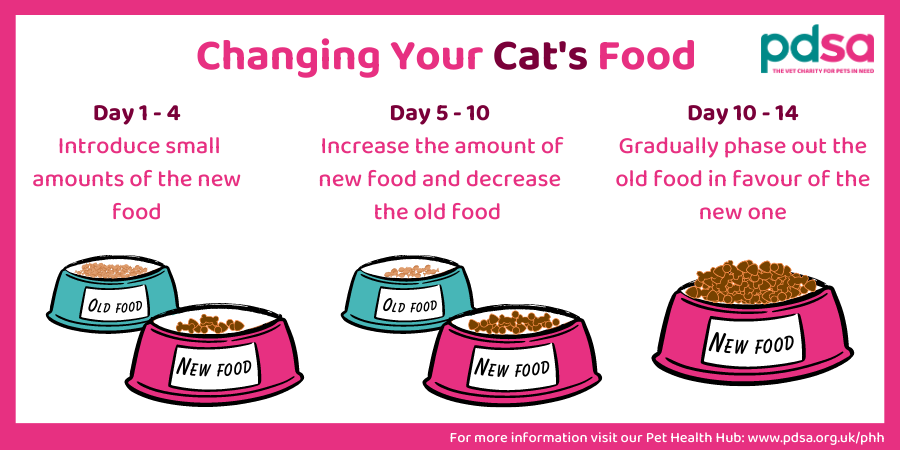
Credit: www.pdsa.org.uk
Signs Your Kitten Is Ready
Knowing when to switch your kitten to adult cat food is important. Kittens grow fast and their needs change quickly. Watching for clear signs helps you make the right choice. These signs include how your kitten looks, acts, and what it needs to stay healthy.
Physical Growth Milestones
Kittens grow a lot in the first year. When they reach about 80% of their adult size, it’s time to think about switching food. Their teeth will be fully grown and stronger. Their body shape changes from round to more lean and muscular. These signs show they can digest adult food well.
Behavioral Changes
Older kittens become less playful and more independent. They start exploring more and eat bigger meals. Their energy levels settle down compared to young kittens. These changes show they need more calories and nutrients from adult food. They also start eating less often but in larger amounts.
Nutritional Needs Shift
Kitten food has extra protein and fat for fast growth. As growth slows, these needs decrease. Adult cat food has balanced nutrients for maintenance and health. Switching at the right time prevents weight gain and health issues. Watch how your kitten responds to food. Adjust when you see steady growth and stable activity.
Age Guidelines For Switching
Knowing the right age to switch your cat to adult food helps keep them healthy. Kittens need special nutrients to grow strong. Adult cat food supports their energy and health after growing up. Timing this change properly avoids feeding too much or too little of important nutrients.
Typical Age Range
Cats usually switch to adult food between 9 and 12 months old. This is when they stop growing quickly and need a diet for maintenance. Some vets suggest starting at 10 months. Watching your cat’s weight and activity helps decide the best time to switch.
Breed And Size Considerations
Large breeds like Maine Coons grow longer than average cats. They may need kitten food for up to 18 months. Small or medium cats often switch sooner. Size affects how much food and what type suits their needs. Adjust the switch time based on your cat’s breed and growth.
Choosing The Right Adult Food
Choosing the right adult cat food is important for your cat’s health. Adult cats need food that supports their energy and body. The right food helps keep their coat shiny and supports strong muscles. Different cats have different needs. Consider your cat’s age, weight, and health when picking food.
Key Nutritional Components
Adult cat food must have a good balance of protein, fats, and vitamins. Protein helps keep muscles strong. Fats provide energy and keep the skin healthy. Vitamins and minerals support the immune system and overall health. Taurine, an essential amino acid, is very important for cats. Avoid foods with too many fillers like corn or wheat. These do not provide much nutrition.
Types Of Adult Cat Food
Dry food is easy to store and helps clean teeth. Wet food has more moisture, which helps with hydration. Some cats prefer one type over the other. There are also grain-free options for cats with allergies. Look for foods labeled for adult cats. These meet the specific needs of cats after their first year. Mixing dry and wet food can give your cat variety and balanced nutrition.

Credit: www.vetsupply.com.au
Transitioning Smoothly
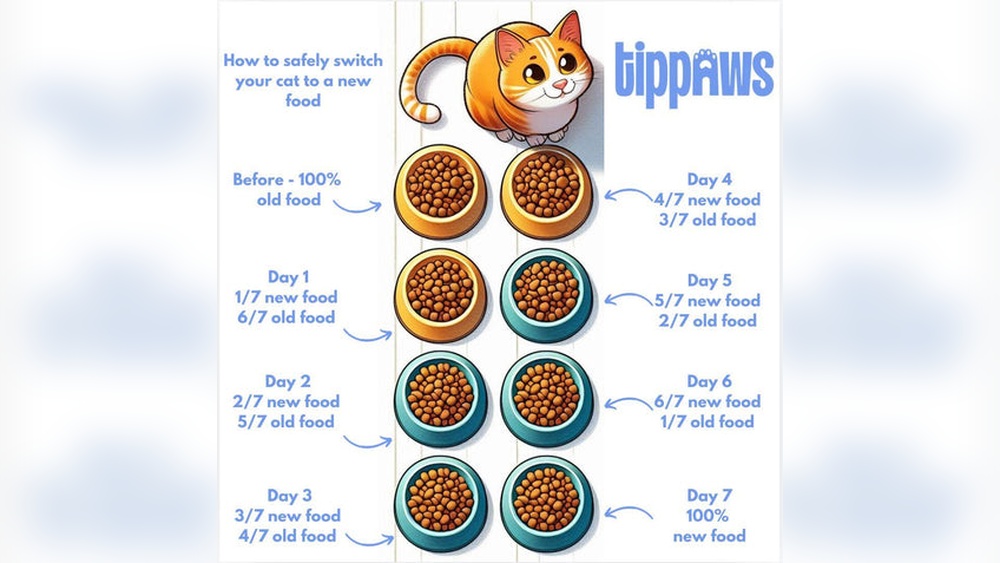
Switching your cat from kitten food to adult food needs care. A smooth transition helps avoid stomach upset. It lets your cat enjoy the new taste and nutrients. A slow change helps their body adjust well.
Gradual Food Mixing
Start by mixing a small amount of adult food with kitten food. Use about 25% adult food and 75% kitten food. Do this for three to four days. Then increase adult food to 50%. Keep kitten food at 50% for another three days. Slowly raise adult food to 75%. Finally, feed only adult food. This slow mix helps your cat accept the new food.
Monitoring Your Cat’s Response
Watch your cat’s eating habits closely during the change. Notice any vomiting or diarrhea. Check if they seem less hungry or refuse food. Look for signs of discomfort or itching. If problems arise, slow the transition down. Sometimes, your cat needs more time to adjust. Be patient and keep a steady routine.
Common Challenges And Solutions
Switching your cat to adult food can bring challenges. Cats may resist new flavors or face stomach problems. Understanding these issues helps make the change smooth. Here are common problems and how to fix them.
Picky Eating
Cats often reject new food. They like familiar tastes and textures. Start by mixing small amounts of adult food with kitten food. Gradually increase the adult food over two weeks. This helps cats get used to the new flavor. Offer meals at regular times to create a routine. Try warming the food slightly to make it more appealing. Avoid sudden changes to prevent refusal.
Digestive Upsets
New food can upset a cat’s stomach. Look for diarrhea or vomiting signs. Change food slowly to reduce risks. Give smaller meals more often during the switch. Ensure fresh water is always available. If problems last more than a few days, consult a vet. Some cats need special diets for sensitive stomachs. Watch your cat’s behavior closely during the transition.
Credit: www.catster.com
When To Consult Your Vet
Switching your cat to adult food is a big step. Sometimes, you need extra advice. Your vet knows what is best for your cat’s health. Checking with your vet can prevent problems and make the change easier.
Health Concerns
Your cat’s health affects the right food choice. Cats with health problems may need special diets. Conditions like kidney issues or allergies need careful feeding plans. Your vet can spot signs that adult food suits your cat or not. They can suggest foods that support your cat’s well-being.
Special Dietary Needs
Some cats need unique diets due to age or condition. Cats with sensitive stomachs or weight issues require tailored nutrition. Your vet can recommend formulas made for these needs. They help keep your cat strong and healthy. Trust your vet to guide the diet change safely.
Frequently Asked Questions
When Should I Switch My Kitten To Adult Cat Food?
Switch your kitten to adult cat food around 12 months old. This age marks their growth completion and changing nutritional needs. Transition gradually over 7-10 days to avoid digestive issues and ensure a smooth dietary change.
What Are Signs My Cat Needs Adult Food Now?
Signs include slowed growth, decreased energy, and reduced nutrient needs. Adult cat food supports maintenance rather than growth. Consult your vet if unsure when to switch based on your cat’s health and development.
Can I Feed Adult Cat Food To Kittens?
Avoid feeding adult cat food to kittens. It lacks essential nutrients for growth. Kittens require higher protein and calorie content for proper development. Use specially formulated kitten food until they are about one year old.
How To Transition Cats To Adult Food Smoothly?
Mix increasing amounts of adult food with kitten food over 7-10 days. Gradual switching helps prevent stomach upset and encourages acceptance. Monitor your cat’s appetite and digestion throughout the transition period.
Conclusion
Switching your cat to adult food is an important step. Watch for signs like age and behavior changes. Cats usually need adult food around one year old. Adult food helps keep them healthy and active. Make the change slowly to avoid stomach upset.
Always choose good quality food for best results. Remember, every cat is different. Pay attention to your cat’s needs and consult a vet if unsure. A smooth transition helps your cat enjoy meals and stay strong.