
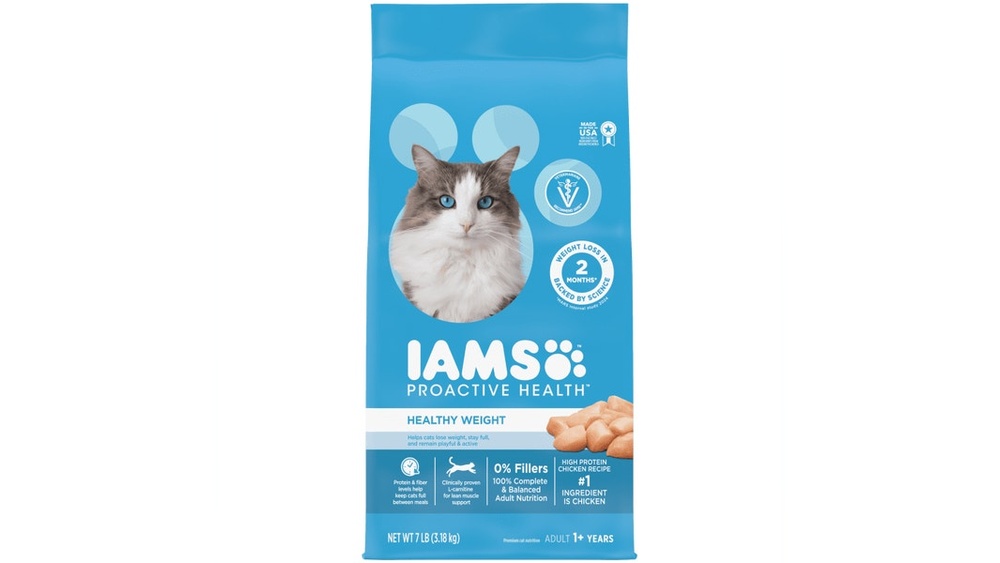
Are you worried about your cat’s weight? Switching your furry friend to adult food might seem like a simple fix, but will it really help your cat shed those extra pounds?
You want the best for your pet, and understanding how diet changes affect their weight is key. Keep reading to discover what really happens when you make the switch and how you can help your cat stay healthy and fit.
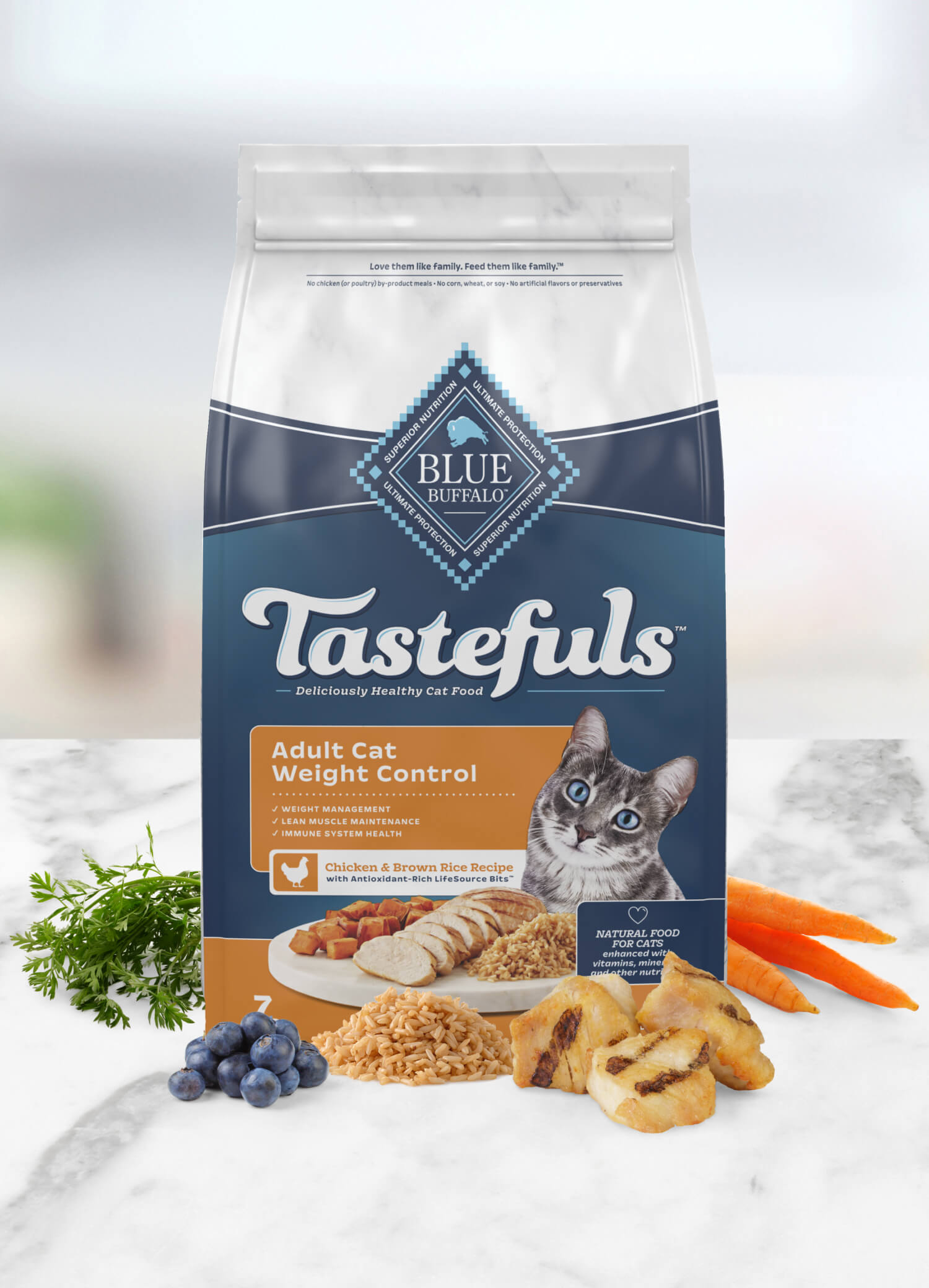
Credit: www.bluebuffalo.com
Cat Food And Weight Basics
Understanding cat food and weight basics helps keep your cat healthy. Food type and amount affect your cat’s weight. Choosing the right food is key as cats grow. Weight changes depend on diet and activity level.
Kitten Vs Adult Food Differences
Kitten food has more protein and fat than adult food. These extra nutrients support fast growth and energy. Adult food has fewer calories to prevent weight gain. Texture and size of kibble differ for easier chewing.
Nutritional Needs By Age
Kittens need extra vitamins and minerals for strong bones. Adult cats require balanced nutrients to maintain muscle and health. Older cats may need fewer calories and more fiber. Food changes match your cat’s life stage needs.
Calories And Portion Control
Calories in cat food vary by formula and brand. Measuring portions helps avoid overfeeding and obesity. Follow feeding guidelines on packaging for best results. Regular weight checks show if portion sizes need change.
Weight Changes After Switching
Switching your cat to adult food often leads to changes in their weight. This shift in diet can affect how much they weigh over time. Many cat owners notice these changes after the switch. Understanding what happens can help you manage your cat’s health better.
Common Weight Loss Patterns
Cats may lose weight gradually after switching to adult food. This is normal as the new food usually has fewer calories. Weight loss tends to happen in the first few weeks. Some cats might lose weight faster than others. A steady, slow loss is often a good sign of healthy adjustment.
Factors Influencing Weight Loss
Age plays a big role in how cats lose weight. Activity levels affect calorie burning too. The type of adult food matters a lot. Foods with lower fat and higher protein support weight loss. Portion size and feeding frequency also influence weight changes. Stress or illness can impact weight loss as well.
Potential Risks Of Rapid Weight Loss
Losing weight too fast can harm your cat’s health. It may cause liver problems or nutrient deficiencies. Rapid weight loss can weaken their immune system. Sudden changes in weight need quick attention. Consult a vet if your cat loses too much weight quickly. Safe weight loss is slow and steady.
Choosing The Right Adult Food
Choosing the right adult food is important for your cat’s health and weight. Adult cat food has different nutrients than kitten food. It helps maintain a healthy weight and supports your cat’s energy needs. Picking food with the right balance makes a big difference.
Not all adult foods are the same. Some are made to help with weight control. Knowing what to look for will help you select the best option for your cat.
Ingredients That Support Weight Management
Look for foods with high protein and low fat. Protein helps keep your cat full and builds muscle. Fiber is good too. It helps your cat feel satisfied and aids digestion. Avoid foods with too many fillers like corn or wheat. These add calories without nutrition.
Wet Vs Dry Food Effects
Wet food has more water, which helps your cat stay hydrated. It usually has fewer calories than dry food. Dry food is more calorie-dense and easier to overfeed. Feeding wet food can help with weight control by reducing calorie intake. Mixing both can work well but watch portion sizes.
Special Formulas For Weight Control
Some adult foods are made specifically for weight loss or management. These formulas often have fewer calories and added fiber. They help your cat lose weight safely. Talk to your vet before changing your cat’s diet. Special formulas can support gradual weight loss and keep your cat healthy.

Credit: www.bluebuffalo.com
Feeding Tips For Healthy Weight
Helping your cat maintain a healthy weight requires more than just switching to adult food. Proper feeding habits play a big role in managing their weight and overall health. This section shares simple tips on feeding your cat the right way.
Meal Frequency And Timing
Feed your cat at regular times each day. Cats do well with two or three meals daily. Avoid free feeding, which means leaving food out all day. Scheduled meals help control calorie intake and prevent overeating.
Monitoring Portion Sizes
Measure your cat’s food carefully. Use a standard measuring cup or a kitchen scale. Follow the feeding guidelines on the food package but adjust based on your cat’s activity and weight. Avoid guessing portions to keep calories in check.
Incorporating Exercise And Play
Encourage your cat to be active every day. Play with toys like feather wands or balls. Short, frequent play sessions burn calories and build muscle. Active cats maintain a healthy weight easier than inactive ones.
When To Consult A Veterinarian
Switching your cat to adult food can affect their weight. Some cats lose weight, which might be normal. Sometimes, it signals a health problem. Knowing when to see a veterinarian helps keep your cat healthy. Watch for signs that need a vet’s advice. Proper care avoids serious issues and keeps your cat happy.
Signs Of Unhealthy Weight Loss
Rapid weight loss is a red flag. Your cat looks thin or bony. They lose appetite or stop eating. Energy levels drop; your cat seems weak. Vomiting or diarrhea lasts more than a day. These signs mean your cat needs a vet check. Early detection helps treat problems faster.
Professional Weight Management Plans
Vets can create a weight plan for your cat. They check your cat’s health and lifestyle. Plans include diet changes and exercise tips. Vets monitor progress and adjust the plan. This keeps weight loss safe and steady. Avoid guessing; expert help gives the best results.
Health Checks And Follow-ups
Regular vet visits are important after switching food. They check your cat’s weight and overall health. Blood tests and exams find hidden problems. Follow-ups track changes and improve care. Consistent checks catch issues early. Your cat stays strong with ongoing vet support.
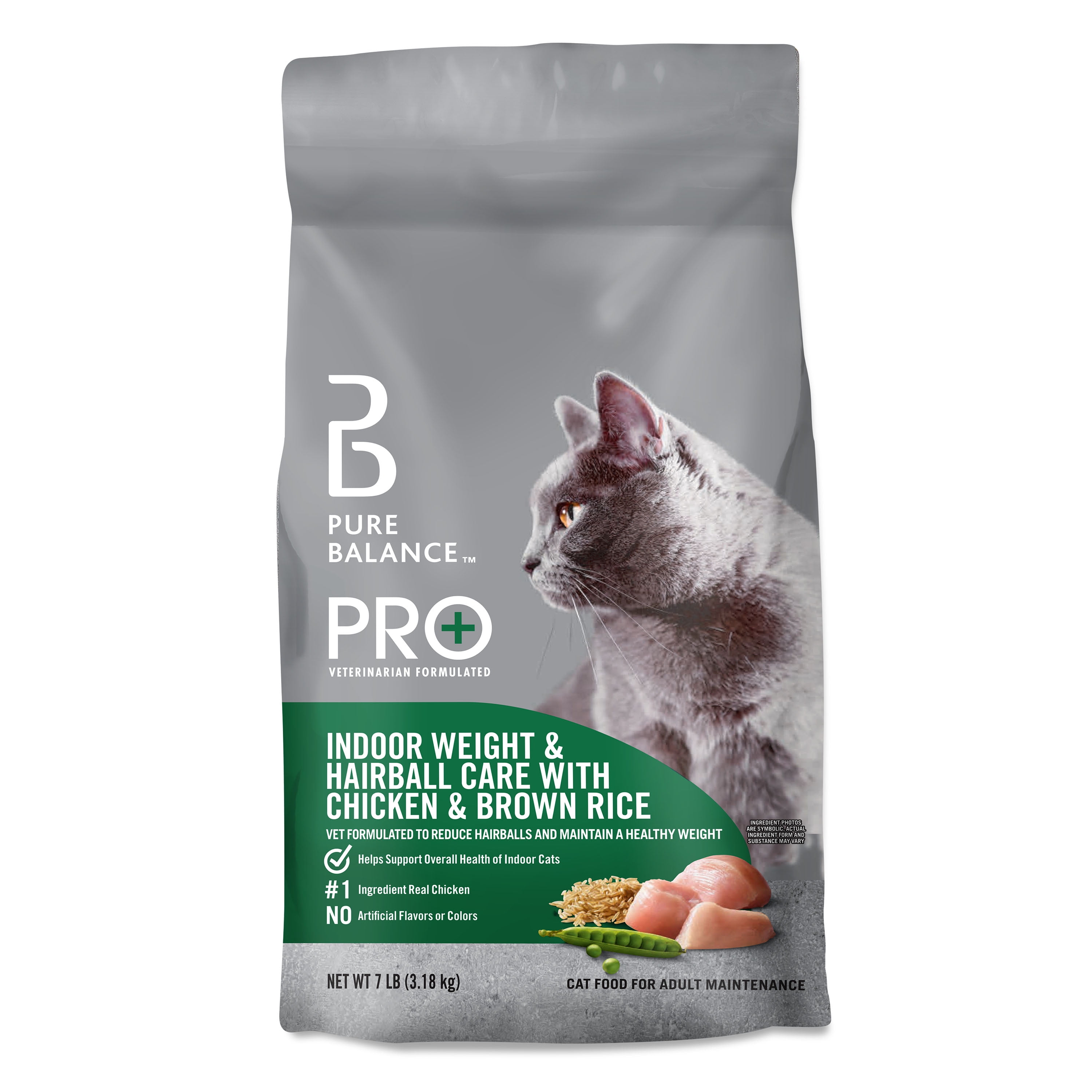
Credit: www.walmart.com
Frequently Asked Questions
Will Switching To Adult Food Help My Cat Lose Weight?
Switching to adult cat food can support weight loss if it has balanced calories. Adult formulas often have fewer calories than kitten food, helping prevent weight gain. Always choose a high-quality adult food and control portion sizes for effective weight management.
How Long Does Weight Loss Take After Switching Foods?
Weight loss timing varies but usually takes several weeks to months. Consistent feeding with adult food and proper portion control are key. Monitor your cat’s weight regularly and consult a vet for a safe weight loss plan.
Can Adult Cat Food Prevent Obesity?
Yes, adult cat food formulated for weight control helps prevent obesity. These foods have controlled calories and balanced nutrients to maintain a healthy weight. Combined with regular exercise, they reduce the risk of weight-related health issues.
Should I Consult A Vet Before Changing My Cat’s Diet?
Absolutely. A vet can assess your cat’s health and recommend the best diet. They provide guidance on portion sizes and suitable adult food types to ensure safe weight management.
Conclusion
Switching to adult cat food can help manage your cat’s weight. Adult formulas often have balanced nutrients and fewer calories. This supports healthy weight loss or maintenance. Remember, changes take time. Monitor your cat’s progress and adjust feeding amounts as needed.
Regular exercise also helps your cat stay fit. Always consult your vet for personalized advice. Healthy food and care make a big difference. Your cat will thank you with better health and energy. Small steps lead to lasting results.