
Finding a lost baby kitten can pull at your heartstrings instantly. You want to help, but you might feel unsure about what to do first.
Taking care of a tiny, fragile kitten requires quick, careful steps to keep it safe and healthy. If you act right away, you can make a huge difference in that kitten’s life. Keep reading, and you’ll learn exactly how to care for a lost baby kitten—from feeding to warmth to when to seek help.
Your kindness could save a life.
Credit: kittenrescue.org
Identifying A Lost Kitten
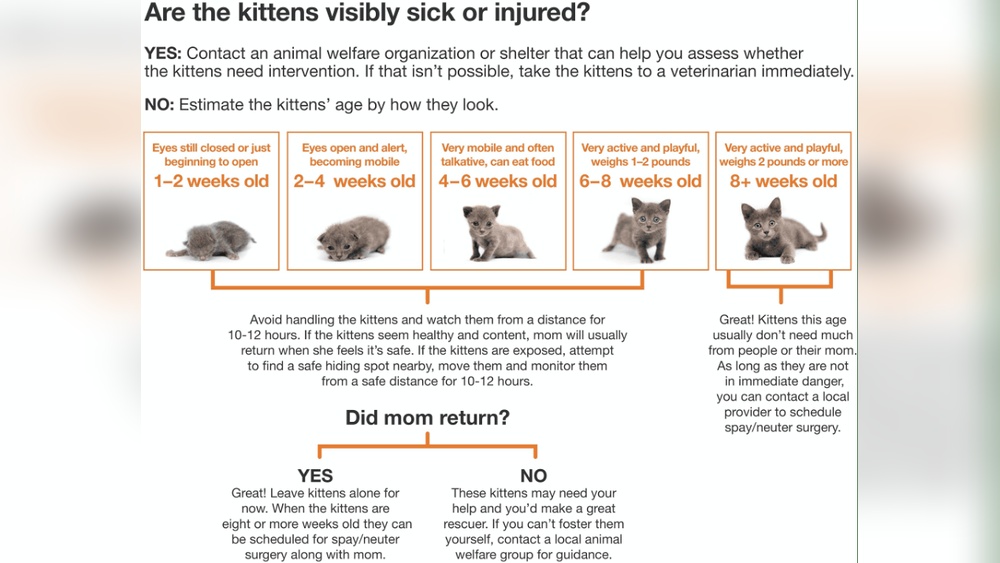
Finding a lost baby kitten can be a delicate situation. Knowing how to identify if a kitten is truly lost helps provide the right care. Some kittens might just be exploring nearby, while others need urgent help. Careful observation guides your next steps in helping the kitten.
Signs Of A Lost Kitten
A lost kitten often appears scared or confused. It may meow loudly, trying to call its mother. The kitten might be alone in an unusual place like a road or park. Look for signs of hunger or cold, such as shivering or restlessness. A lost kitten may also have dirty fur or wounds. These clues show the kitten needs attention and care.
Assessing Kitten’s Health
Check the kitten’s eyes and nose for clear discharge. Cloudy eyes or runny nose can signal illness. Feel the kitten’s body for any injuries or swelling. A healthy kitten moves actively and responds to touch. Weakness or lethargy means the kitten could be sick or dehydrated. Watch the breathing; fast or noisy breaths need a vet’s checkup. Proper health assessment helps decide on urgent care or shelter.
Immediate Care Steps
Finding a lost baby kitten is urgent. The kitten needs quick care to survive. Immediate steps can make a big difference. Focus on warmth and safe handling first. These steps help the kitten feel secure and stay healthy.
Keeping The Kitten Warm
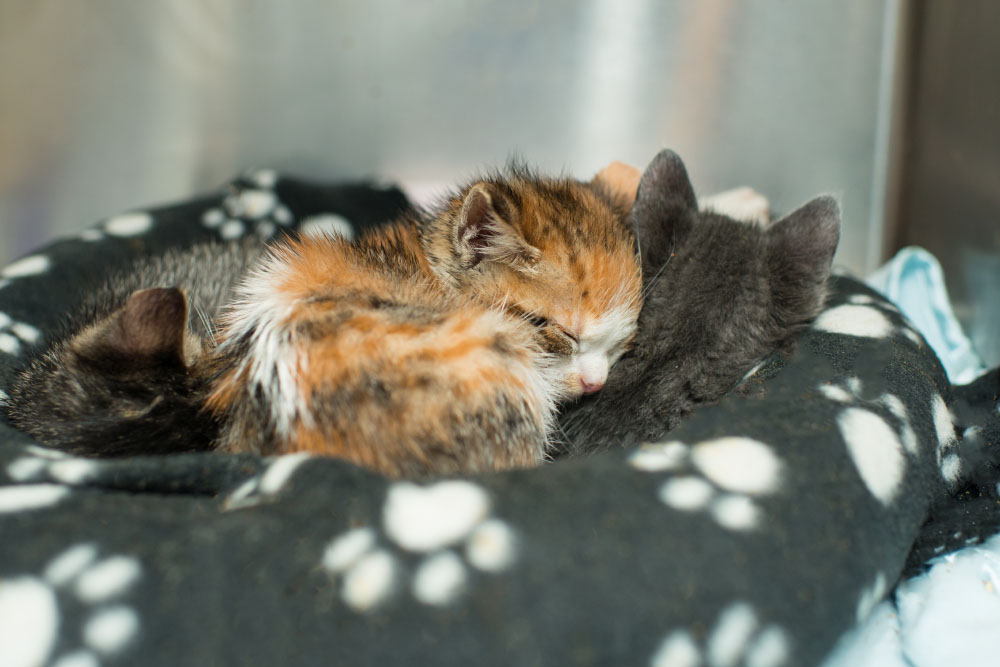
Newborn kittens cannot keep themselves warm. They lose heat fast and can get sick. Use a soft towel or blanket to wrap the kitten. Place a warm water bottle nearby. Make sure the bottle is not too hot. Keep the kitten in a cozy, draft-free spot. Check the temperature often to avoid overheating.
Safe Handling Techniques
Handle the kitten gently and with care. Support its entire body when you pick it up. Avoid squeezing or holding it too tight. Speak softly to keep the kitten calm. Use clean hands or gloves to prevent infections. Limit handling to reduce stress on the kitten. Always watch for signs of discomfort or distress.
Feeding A Baby Kitten
Feeding a baby kitten is a delicate task. Newborn kittens need special care and nutrition. Their tiny bodies require the right food to grow strong. Proper feeding supports their health and development. It also helps build trust between you and the kitten.
Choosing The Right Formula
Never feed cow’s milk to a baby kitten. It can cause stomach upset and diarrhea. Use a kitten milk replacer instead. These formulas have the right nutrients for kittens. Find a product made for kittens at pet stores or vets. Always check the expiration date before use. Prepare the formula fresh each time for safety.
Feeding Schedule And Techniques
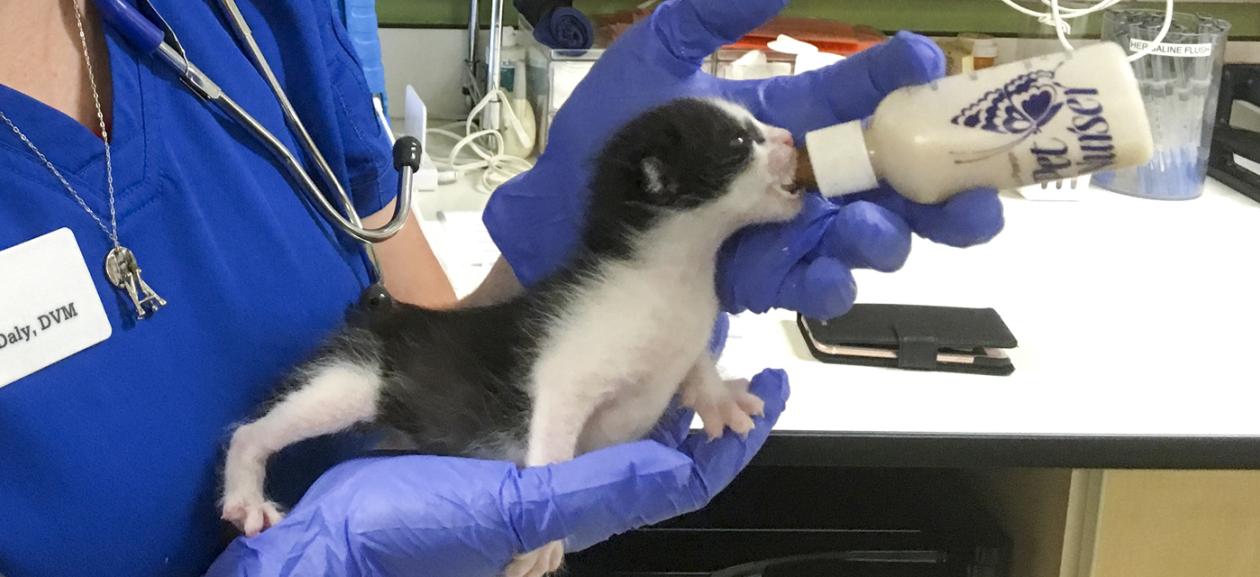
Newborn kittens need feeding every two to three hours. As they grow, increase the time between feedings. Hold the kitten gently in a natural, belly-down position. Use a small bottle or syringe for feeding. Feed slowly to avoid choking or aspiration. Burp the kitten after feeding by gently rubbing its back. Keep the feeding area warm and quiet to help the kitten relax.
Credit: www.dovelewis.org
Creating A Comfortable Space
Creating a comfortable space for a lost baby kitten is very important. It helps the kitten feel safe and calm. A warm, quiet place makes a big difference for a tiny, scared animal. The right environment supports the kitten’s health and growth. Focus on simple things that keep the kitten cozy and protected.
Bedding And Shelter
Choose soft bedding like a small blanket or towel. The material should be gentle on the kitten’s skin. Avoid rough or scratchy fabrics. Use a small box or pet carrier as shelter. It should be just the right size, not too big or small. The shelter protects the kitten from drafts and loud noises. Keep the bedding clean and dry. Place the shelter in a warm, quiet corner. Make sure the kitten can easily enter and exit.
Maintaining Cleanliness
Cleanliness helps prevent illness in a baby kitten. Change the bedding every day or when dirty. Wipe the shelter with a mild, pet-safe cleaner. Remove any food or waste promptly. Wash your hands before handling the kitten. Keep the area free from strong smells and dust. Regular cleaning keeps the space fresh and healthy. A clean environment helps the kitten feel secure and cared for.
Monitoring Health And Behavior
Taking care of a lost baby kitten means watching its health and behavior closely. Kittens are fragile and need careful attention to stay safe. Small changes can signal health problems. Observing them every day helps catch issues early. Early care can save lives and keep the kitten strong.
Recognizing Illness Symptoms
Look for signs like weakness or lack of energy. A sick kitten may stop eating or drinking. Watch for sneezing, coughing, or runny eyes and nose. Diarrhea or vomiting are serious signs. Check for swelling or redness on the skin. Notice if the kitten cries more than usual. Changes in breathing or a bad smell also matter. These signs mean the kitten needs care fast.
When To Seek Veterinary Help
Visit a vet if the kitten stops eating for more than a day. If it has trouble breathing or severe diarrhea, get help immediately. Sudden weakness or collapse requires urgent care. If the kitten’s temperature feels very high or low, see a vet. Persistent vomiting or blood in stool needs quick attention. Trust your feelings if the kitten looks very sick. Early vet care improves chances of recovery.
Socializing And Development
Socializing and development are key for a lost baby kitten’s future. They help the kitten grow into a happy and confident cat. Early interaction teaches the kitten how to behave and trust humans.
Proper socializing reduces fear and stress. It also helps the kitten learn important skills. Play and gentle handling are great ways to support this growth.
Encouraging Play And Interaction
Play is more than fun. It builds the kitten’s muscles and sharpens its senses. Use soft toys that are safe to chew and chase. Short play sessions several times a day work best.
Talk softly to the kitten. Gentle petting helps the kitten feel safe. Let the kitten explore new sights and sounds slowly. This builds trust and curiosity.
Stimulating Growth And Learning
Provide a quiet and warm place for the kitten to rest. Good sleep supports brain and body growth. Offer small, frequent meals for steady energy.
Introduce new experiences step by step. A safe environment encourages the kitten to try new things. Watch carefully and stop if the kitten seems scared.
Preparing For Adoption Or Reuniting
Preparing a lost baby kitten for adoption or reuniting requires careful steps. The goal is to ensure the kitten’s safety and comfort. This phase helps the kitten feel secure before moving to a new home or back to its mother.
Patience and attention are key. The kitten needs love and proper care to thrive during this transition.
Finding The Mother Or Owner
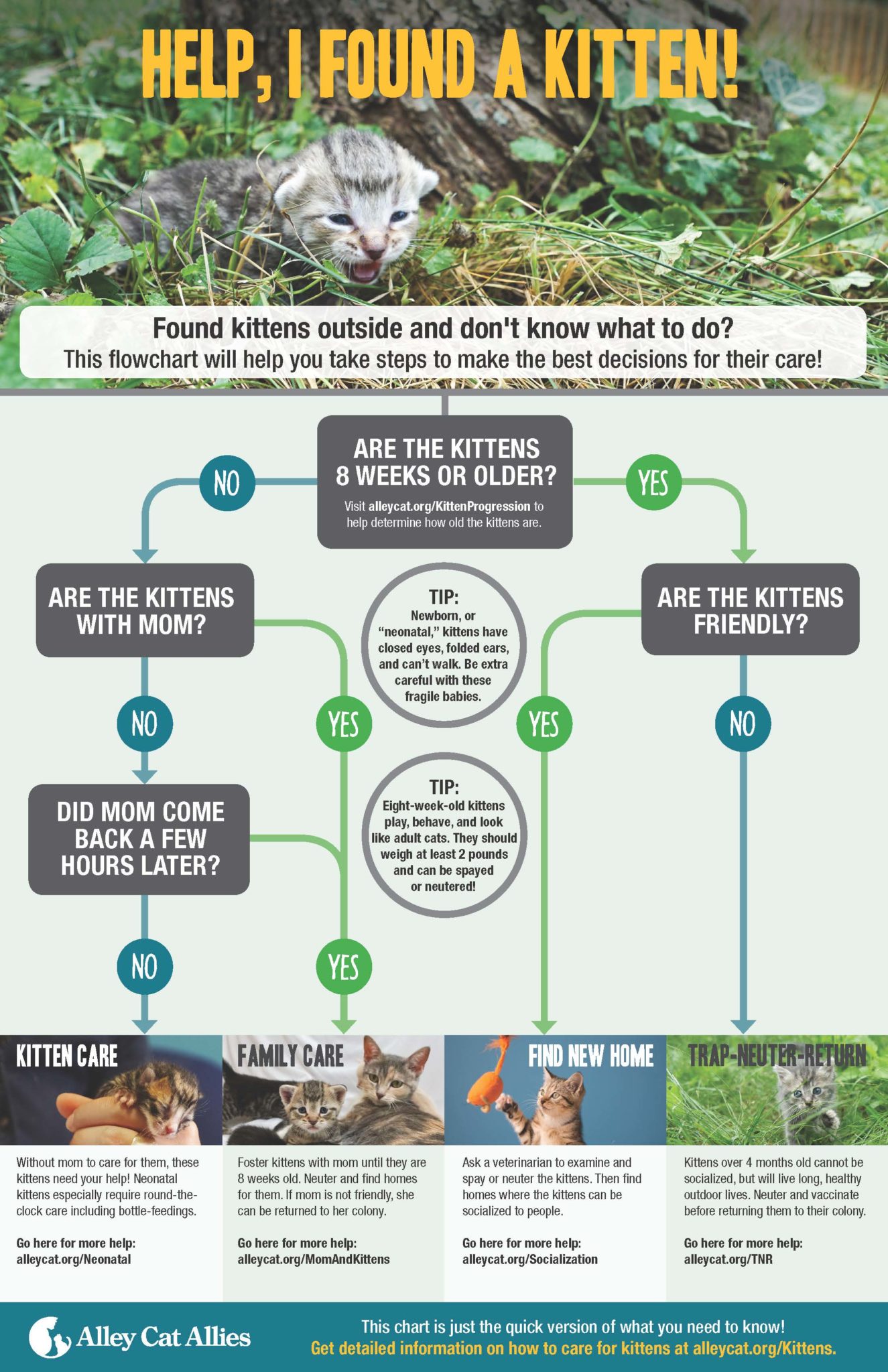
Start by checking the area where you found the kitten. Look for signs of the mother nearby. Sometimes, she may be hunting or hiding close. Call softly to see if the mother responds. Use social media or community boards to post about the found kitten. Include clear photos and the exact location. Neighbors or locals might recognize the kitten or know the owner. This step helps reunite the kitten with its family quickly. Avoid taking the kitten too far from the original place. The mother often stays nearby and may return.
Transitioning To A Permanent Home
Prepare a quiet space for the kitten in your home. Use a soft bed, food, and water dishes. Keep the area warm and away from loud noises. Introduce the kitten slowly to other pets or family members. Let the kitten explore the new space at its own pace. Offer gentle handling to build trust. Feed the kitten high-quality food suitable for its age. Regular feeding times help create a routine. Visit a vet for a health check and vaccinations. This ensures the kitten is healthy before adoption. A smooth transition helps the kitten adjust and feel safe in its new home.
Credit: www.alleycat.org
Frequently Asked Questions
How Do I Feed A Lost Baby Kitten Safely?
Use a kitten milk replacer, not cow’s milk. Feed small amounts using a bottle every 2-3 hours. Keep the kitten warm during feeding to aid digestion and prevent illness.
When Should I Take A Lost Kitten To The Vet?
Visit a vet immediately if the kitten is weak, has difficulty breathing, or shows signs of dehydration. Early checkups ensure proper health care and vaccinations.
How Can I Keep A Lost Kitten Warm?
Use a heating pad or warm water bottle wrapped in a towel. Ensure the kitten has a cozy, draft-free space to prevent hypothermia.
What Should I Do If A Lost Kitten Won’t Eat?
Gently stimulate the kitten’s mouth with a warm, wet cotton ball. If it still refuses to eat after a few attempts, seek veterinary help promptly.
Conclusion
Caring for a lost baby kitten takes time and patience. Feed it warm milk often and keep it cozy. Watch for signs of illness and get help if needed. Give lots of gentle love and attention. The kitten will grow stronger each day with your care.
Remember, every small step helps the kitten survive and thrive. You can make a big difference in its little life. Stay calm and keep trying. The kitten depends on you now.