
Caring for a sick baby kitten can feel overwhelming, especially when you want to do everything right. You want to make sure your tiny friend gets the love and care needed to heal quickly.
But where do you start? What signs should you watch for? This guide will walk you through simple, effective steps to help your kitten feel better fast. By the time you finish reading, you’ll feel confident and ready to give your little kitten the best care possible.
Keep reading—your kitten’s health depends on it.
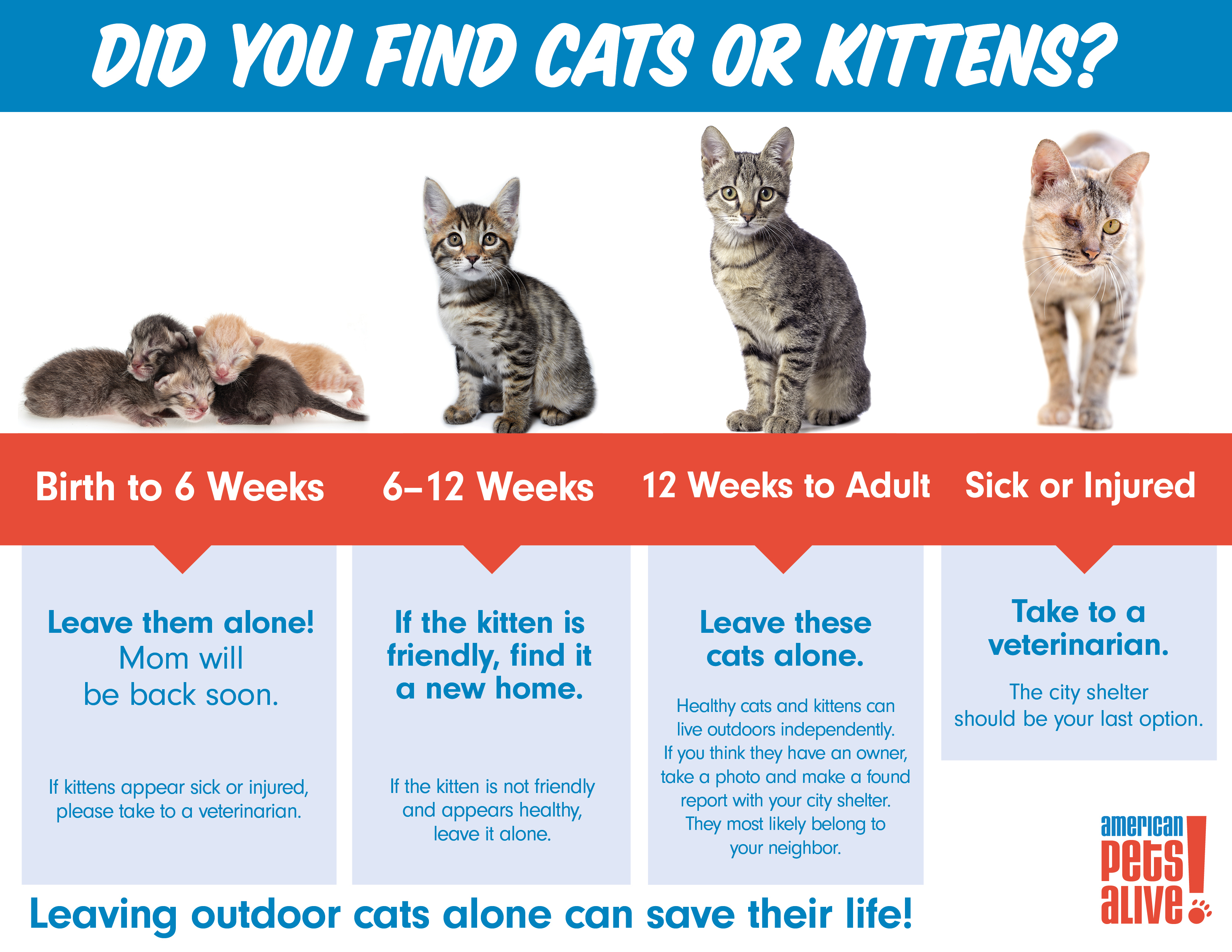
Credit: americanpetsalive.org
Recognizing Illness Signs
Recognizing illness signs in a baby kitten is very important. Kittens are small and fragile. They can get sick quickly. Early detection helps you act fast. This can save your kitten’s life. Watch your kitten closely every day. Notice any changes in behavior or body. These changes may mean your kitten needs help.
Common Symptoms In Kittens
Look for these common signs of illness in kittens. Loss of appetite is one of the first signs. A sick kitten may sleep more than usual. Weakness or difficulty moving can appear. Sneezing, coughing, or runny nose show respiratory issues. Watery or crusty eyes are also warning signs. Diarrhea or vomiting is a serious symptom. Swelling or lumps on the body need attention. Keep an eye on breathing; fast or labored breaths are a concern. Pale or blue gums indicate poor oxygen flow. Changes in meowing, such as being quieter or more vocal, can signal pain or discomfort.
When To Seek Veterinary Help
Seek veterinary help without delay if your kitten shows serious signs. High fever or constant shivering needs urgent care. If the kitten refuses to eat or drink for more than 12 hours, call a vet. Difficulty breathing or persistent coughing is an emergency. Continuous vomiting or diarrhea can cause dehydration quickly. If the kitten is very weak or unresponsive, get help immediately. Sudden swelling or wounds that bleed heavily require prompt attention. Any sign of pain, such as crying or hiding, should not be ignored. Early veterinary care increases chances of recovery.
Credit: www.purina.com
Creating A Comfortable Space
Creating a comfortable space is important for a sick baby kitten. It helps the kitten rest and heal faster. A calm and cozy spot keeps stress low and supports recovery. Setting up this space needs attention to warmth and quiet.
Warmth And Bedding
Baby kittens cannot keep their body warm well. They need extra warmth to stay healthy. Use a soft blanket or towel for bedding. Avoid materials that are rough or hard. Add a warm water bottle or heating pad wrapped in cloth. Check temperature often to prevent overheating. Keep the bedding clean and dry. Replace wet or dirty bedding quickly. Warmth helps the kitten feel safe and calm.
Quiet Environment
Loud noises scare sick kittens and slow healing. Choose a quiet room away from loud sounds and traffic. Limit visitors and avoid sudden movements. Soft lighting helps keep the kitten relaxed. Turn off loud appliances nearby. A peaceful area lets the kitten rest deeply. Quiet supports better sleep and faster recovery.
Feeding A Sick Kitten
Feeding a sick kitten requires care and patience. Sick kittens need special food and feeding methods. Proper feeding helps them regain strength and heal faster. It also prevents dehydration and malnutrition. Understanding the kitten’s nutrition needs and using the right feeding techniques is key.
Proper Nutrition Needs
Sick kittens need food that is gentle on their stomachs. Kitten milk replacer is best if they cannot eat solid food. It gives essential nutrients and hydration. Avoid cow’s milk; it can upset their stomach. Warm the milk replacer to body temperature before feeding. Small, frequent meals are better than large ones. This keeps their energy steady and avoids overfeeding. Nutrients like protein, fat, and vitamins are very important. They support growth and immune health. Always follow your vet’s advice on diet and supplements.
Feeding Techniques
Feeding a sick kitten requires gentle handling. Use a small bottle or syringe for feeding. Keep the kitten in a comfortable, semi-upright position. This prevents choking and helps swallowing. Feed slowly and watch for signs of distress. Stop if the kitten coughs or struggles. Burp the kitten after feeding by gently rubbing its back. Clean feeding tools carefully after each use. If the kitten refuses to eat or vomits, contact a vet. Feeding with care encourages recovery and comfort.
Hydration Essentials
Hydration is very important for a sick baby kitten. Fluids help their tiny bodies work well. A kitten loses water fast when ill. Keeping them hydrated supports healing and comfort.
Watch their water intake closely. Sick kittens may not drink enough by themselves. You might need to give fluids carefully to keep them healthy and strong.
Ensuring Adequate Fluids
Offer water often in a shallow dish. Warm water can encourage drinking. For very young kittens, use a syringe to give fluids. Be gentle and slow to avoid choking. Kitten milk replacer also helps keep them hydrated.
Check with a vet about giving electrolyte solutions. These can restore minerals lost during illness. Keep the kitten warm, as cold bodies do not absorb fluids well.
Signs Of Dehydration
Look for dry gums and sunken eyes. These are clear signs of dehydration. Skin that does not bounce back when pinched is another sign. Weakness and lethargy also mean the kitten may be dehydrated.
Dehydration is dangerous for baby kittens. Act fast and consult a vet if you see these signs. Early care can save your kitten’s life.
Administering Medication
Giving medicine to a sick baby kitten is very important. It helps the kitten get well faster. Sometimes, kittens need medicine in small amounts. Giving the right dose is safe and helps avoid problems. Using the right tools can make the process easier and less scary for the kitten.
Safe Dosage Practices
Always follow the vet’s instructions for the medicine amount. Do not guess the dose or give more than asked. Use a small measuring tool for accuracy. Give medicine at the right time each day. Keep a schedule to avoid missing doses. Never share medicine meant for other pets. Watch the kitten for any bad reactions after giving medicine.
Using Syringes And Droppers
Use a syringe or dropper to give liquid medicine. These tools help control the amount given. Gently place the syringe or dropper inside the kitten’s cheek. Slowly push the medicine so the kitten can swallow. Do not force the kitten’s mouth open too wide. Be calm and gentle to keep the kitten relaxed. Clean the syringe or dropper after each use to keep it safe.
Maintaining Hygiene
Keeping a sick baby kitten clean is very important. Good hygiene helps stop germs and keeps the kitten healthy. Cleanliness supports the kitten’s healing and comfort. It also protects you and others from catching germs.
Cleaning The Kitten
Use a soft, damp cloth to gently clean the kitten. Focus on areas with dirt or discharge. Avoid using harsh soaps or chemicals. Warm water is best for cleaning. Dry the kitten carefully with a soft towel. Keep the kitten warm after cleaning to prevent chills.
Sanitizing The Environment
Remove old bedding and replace it with fresh, clean materials daily. Clean the kitten’s bedding with mild detergent and hot water. Disinfect food and water bowls regularly. Use pet-safe disinfectants on all surfaces the kitten touches. Keep the area dry and free from clutter to reduce germs.
Monitoring Recovery Progress
Monitoring a sick baby kitten’s recovery is very important. Careful observation helps ensure the kitten is healing well. It also helps catch any new problems early. This section explains how to watch for signs of improvement or trouble. Keeping track of symptoms and adjusting care can make a big difference in recovery.
Tracking Symptoms
Write down the kitten’s behavior and health changes daily. Check the kitten’s appetite, energy, and breathing closely. Note any coughing, sneezing, vomiting, or diarrhea. Also, watch the kitten’s temperature if possible. Keep an eye on the kitten’s weight and hydration. Record the times and doses of any medicines given. This information helps you and the vet understand the kitten’s progress.
Adjusting Care As Needed
Use the symptom notes to change care routines carefully. Increase feeding if the kitten seems hungry and weak. If symptoms worsen, reduce feeding or change the type of food. Keep the kitten warm and comfortable, but avoid overheating. Change bedding often to keep the space clean. Follow vet advice on medicine changes or extra treatments. Always be ready to seek help if the kitten’s condition drops.
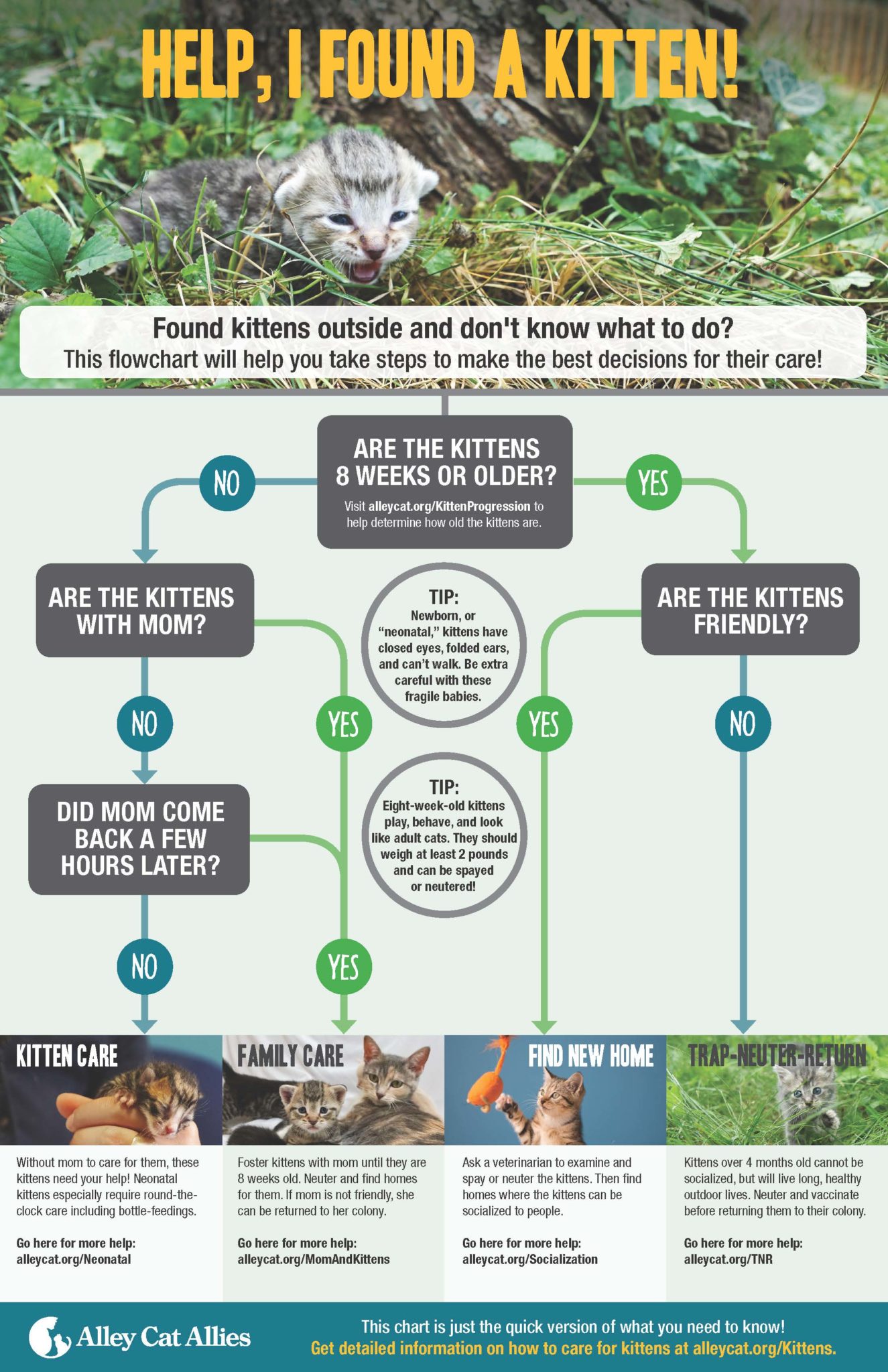
Credit: www.alleycat.org
Preventing Future Illness
Preventing illness in a baby kitten is very important for its health and happiness. Sick kittens are fragile and need extra care. Keeping them healthy means fewer visits to the vet and a better chance to grow strong. Simple steps can protect your kitten from many common diseases. This section explains key ways to stop illness before it starts.
Vaccination Schedule
Vaccinations protect kittens from serious diseases. They start at about six to eight weeks old. A vet gives several shots over a few months. Each shot builds immunity against viruses and bacteria. Follow the schedule your vet provides carefully. Missing vaccines can leave your kitten open to sickness. Keep a record of all vaccinations. This helps you know when boosters are due.
Regular Vet Checkups
Routine vet visits catch health problems early. Your kitten needs checkups every few weeks at first. The vet checks weight, eyes, ears, and teeth. They also test for parasites and infections. Early treatment stops illness from getting worse. Regular exams keep vaccines up to date. They also help you learn how to care for your kitten better. Schedule vet visits even if your kitten seems healthy.
Frequently Asked Questions
How Do I Know If My Kitten Is Sick?
Look for signs like lethargy, poor appetite, sneezing, coughing, diarrhea, or vomiting. If symptoms persist, consult a vet immediately.
What Is The Best Way To Feed A Sick Baby Kitten?
Feed small, frequent meals using kitten formula or prescribed food. Avoid cow’s milk, as it can upset their stomach.
How Can I Keep A Sick Kitten Warm?
Use a heating pad or warm water bottle wrapped in a towel. Ensure the kitten is cozy but not overheated.
When Should I Take My Kitten To The Vet?
Visit the vet if symptoms worsen, last more than 24 hours, or if the kitten shows difficulty breathing or dehydration.
Conclusion
Caring for a sick baby kitten takes patience and gentle care. Watch for any changes in their behavior or health. Keep them warm, clean, and fed with proper food. Give medicine only as the vet says. Small steps help your kitten feel better fast.
Your love and attention make a big difference. Stay calm and keep trying—you are helping a tiny life grow strong. Remember, quick action can save your kitten’s life. Keep learning and asking your vet for advice. Your kitten depends on you now more than ever.