
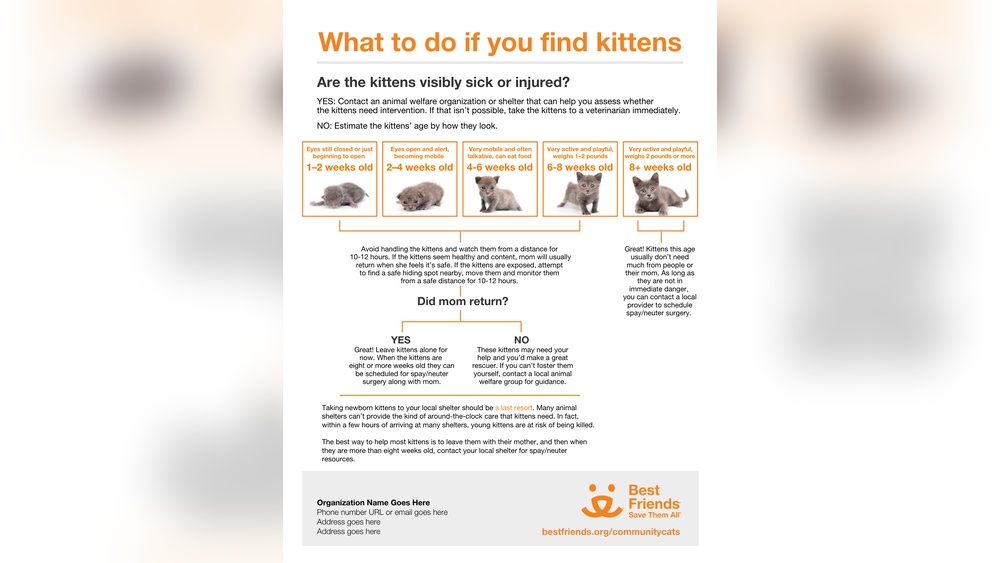
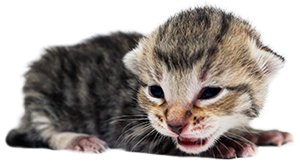
Bringing home a 1-week-old kitten is a big responsibility, and you want to make sure you do everything right. At this fragile age, your tiny kitten needs special care to grow healthy and strong.
If you’re wondering how to feed, warm, and comfort your little furball, you’re in the right place. Keep reading, because the tips you’ll learn here can make all the difference in giving your kitten the best start in life. Your kitten is counting on you—let’s make sure you’re ready!

Credit: khpet.com
Kitten’s First Week Needs
The first week of a kitten’s life is very fragile and important. At just one week old, kittens need special care to grow healthy and strong. Their tiny bodies require warmth, nutrition, and a safe place to rest. Every small step you take helps them survive and thrive during this early stage.
Understanding the kitten’s first week needs is key. Feeding on time, keeping warm, and providing a safe environment are the top priorities. These needs form the base for their future health and happiness. Let’s explore each of these essential care points.
Feeding Schedule
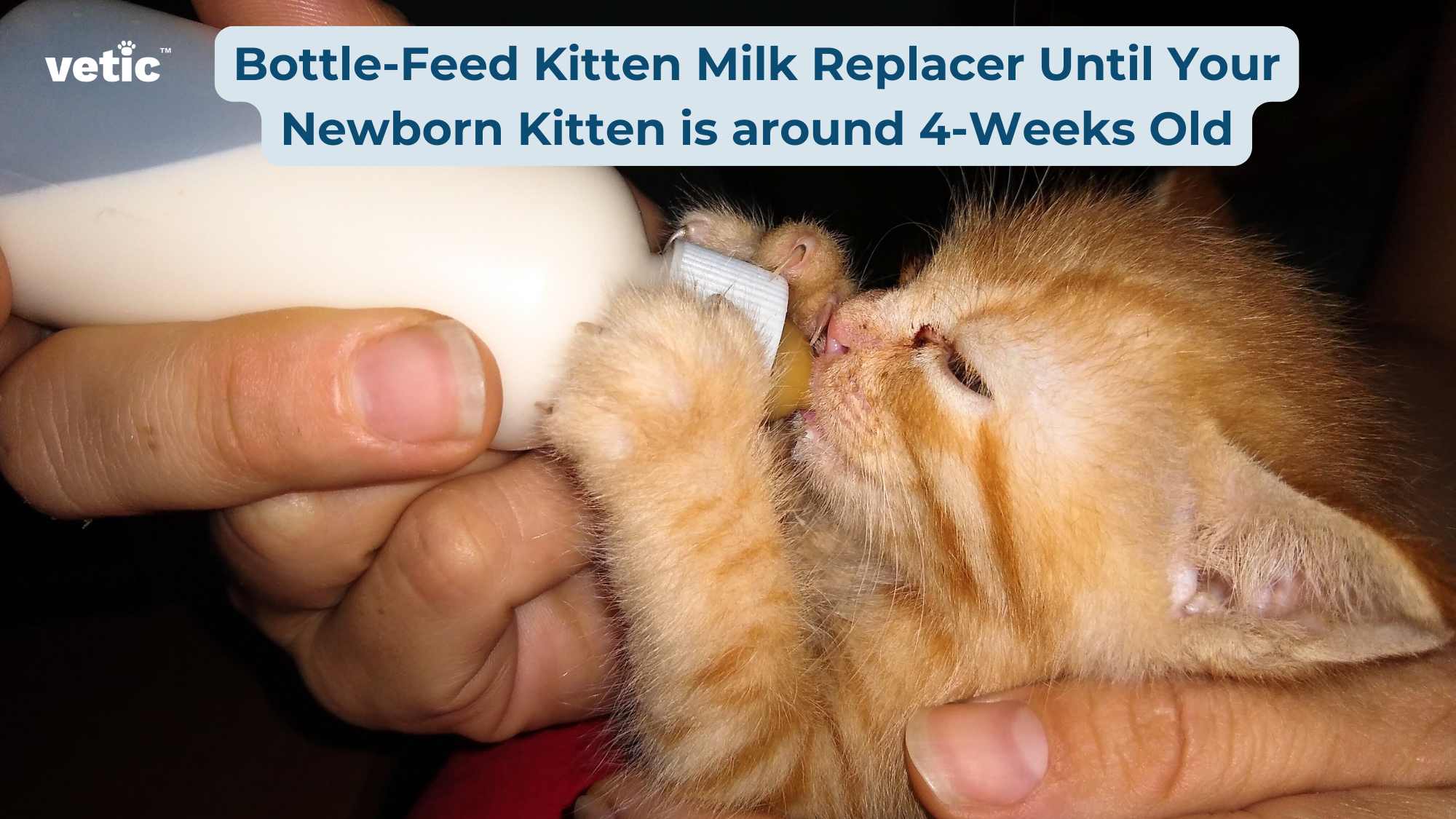
Newborn kittens must eat every two to three hours. Their stomachs are very small. Use kitten milk replacer, never cow’s milk. Warm the formula before feeding. Bottle feed slowly and gently. Watch for signs of hunger or fullness. Feeding on time keeps them strong and growing fast.
Keeping Warm
Kittens cannot keep their body heat. Use a heating pad or warm water bottle wrapped in cloth. Make sure it is not too hot. Keep the kitten’s bedding soft and dry. Check their temperature often. Warmth helps their digestion and prevents illness.
Safe Environment
Choose a quiet and clean place for the kitten. Avoid loud noises and strong smells. Keep the area free from drafts and pets. Use soft blankets or towels as bedding. A calm and safe space reduces stress. This helps the kitten rest and grow well.
Feeding Techniques
Feeding a one-week-old kitten needs care and attention. The kitten cannot eat solid food yet. It relies on milk for all its nutrition. Proper feeding techniques help the kitten grow strong and healthy. This section explains key points about feeding a very young kitten.
Bottle Feeding Tips
Use a small bottle made for kittens or puppies. Warm the milk to about body temperature. Test the milk on your wrist to avoid burns. Hold the kitten gently, supporting its head and body. Tilt the bottle so the kitten can suck naturally. Never force the bottle or squeeze milk into its mouth. Feed slowly and watch for choking signs. After feeding, gently rub the kitten’s belly to help digestion.
Choosing The Right Formula
Do not give cow’s milk to a kitten. It can cause stomach upset and diarrhea. Buy kitten milk replacer from a pet store or vet. This formula has the right nutrients for growth. Follow the instructions on the package carefully. Use fresh formula for each feeding. Discard any leftover milk to prevent bacteria growth. Proper formula ensures the kitten gets enough energy and hydration.
Feeding Frequency
One-week-old kittens need feeding every 2 to 3 hours. This includes nighttime feedings. They have tiny stomachs and digest food quickly. Keeping a regular schedule helps maintain their blood sugar. Watch the kitten’s weight and energy for feeding adjustments. As the kitten grows, the time between feedings will increase. Consistent feeding is key to healthy kitten development.
Health Monitoring
Health monitoring is crucial for a 1-week-old kitten. At this age, kittens are very delicate and need close attention. Regular checks help catch problems early. This care supports their growth and keeps them safe.
Checking Weight Gain
Weigh the kitten daily using a small scale. Healthy kittens gain about 10 to 15 grams each day. Write down the weight to track progress. No weight gain or weight loss signals a problem. Consistent weight gain shows good health and proper feeding.
Recognizing Illness Signs
Watch for changes in behavior or appearance. A sick kitten may be weak, quiet, or not feeding well. Look for runny eyes, sneezing, or coughing. Check the skin and fur for dryness or redness. Notice if the kitten has trouble breathing or diarrhea. Early signs need quick attention to avoid serious issues.
When To Contact A Vet
Call a vet if the kitten stops eating or loses weight. Sudden weakness or constant crying also needs help. Contact a vet if breathing is fast or noisy. Vomiting or diarrhea lasting more than a day is serious. Quick vet visits can save the kitten’s life.
Credit: www.alleycat.org
Hygiene Care
Hygiene care is very important for a 1-week-old kitten. Their bodies are tiny and fragile. Keeping them clean helps prevent sickness. Good hygiene also makes them comfortable and happy. At this age, kittens need help with many tasks. You must watch closely and act gently.
Cleaning The Kitten
Use a soft, damp cloth to clean the kitten. Warm water is best. Wipe the kitten’s face and body softly. Avoid getting water in their eyes and ears. Do not use soap or shampoo. Dry the kitten with a soft towel. Keep the kitten warm after cleaning. Clean the kitten only when needed. Too much cleaning can harm their skin.
Stimulating Elimination
Kittens cannot pee or poop by themselves yet. You must help them. Use a warm, damp cotton ball or cloth. Gently rub the kitten’s belly and bottom. This helps them go to the bathroom. Do this after every feeding. Keep the cloth clean to stop infection. Be very gentle and patient. This care is very important for health.
Litter Training Basics
At one week, kittens are too young for litter training. They need more time to grow first. You can prepare by placing a small box with soft bedding. Keep the box near their sleeping area. After a few weeks, introduce a shallow litter box. Use non-clumping litter to avoid problems. Show the kitten the box after feeding. Praise the kitten gently when they use it.
Social And Emotional Needs
One-week-old kittens need more than food and warmth. Their social and emotional needs are just as important. At this age, kittens start to feel the world around them. They learn trust and comfort from gentle care. Meeting these needs helps them grow into happy, healthy cats.
Handling And Bonding
Hold your kitten gently and often. Soft touch builds trust and helps the kitten feel safe. Speak softly to calm them. Avoid loud sounds or sudden moves. This quiet bonding time strengthens your connection.
Providing Comfort
Kittens need warmth and a cozy place to rest. Use soft blankets or a small bed. Keep their area quiet and peaceful. A warm, safe space helps reduce stress. Comfort keeps them calm and relaxed.
Early Playtime
At one week, play is very gentle. Use soft toys or your finger for light touch. Play helps kittens learn about their body and surroundings. It also supports emotional growth. Always be slow and careful to avoid fright.
Credit: vetic.in
Preparing For Growth
Preparing for growth is a key part of caring for a one-week-old kitten. At this age, kittens need gentle care and steady progress. Their bodies and minds grow fast. Careful steps help them become strong and healthy.
Watch their needs closely. Small changes now make a big difference later. Focus on feeding, new experiences, and development to support their growth.
Transitioning To Solid Food
Kittens start to eat solid food around four weeks old. Begin by mixing wet kitten food with warm water. This makes it soft and easy to lick. Offer small amounts on a shallow dish. Let the kitten explore the new texture at its own pace. Avoid sudden changes in diet to prevent upset stomach.
Introducing New Experiences
New sights and sounds help kittens learn about the world. Gently expose them to different noises and gentle touches. Handle the kitten often to build trust. Let them explore safe spaces under supervision. This helps reduce fear and builds confidence.
Monitoring Development Milestones
Track your kitten’s growth and skills weekly. Check if their eyes open fully by two weeks. Watch for crawling and standing around three weeks. Notice their response to sounds and movement. Record any delays and ask a vet if concerned. Early attention helps catch problems quickly.
Frequently Asked Questions
How Often Should I Feed A 1-week-old Kitten?
Feed a 1-week-old kitten every 2 to 3 hours. Use kitten milk replacer, not cow’s milk. Proper feeding supports growth and hydration at this stage.
How Do I Keep A 1-week-old Kitten Warm?
Keep the kitten in a warm, draft-free area. Use a heating pad set on low or a warm water bottle wrapped in a towel. Maintaining 85-90°F is ideal for their comfort and health.
When Should I Start Handling A 1-week-old Kitten?
Start gentle handling from day one to build trust. Limit handling to short periods to avoid stress. This helps with socialization and bonding with the kitten.
How Do I Stimulate A 1-week-old Kitten To Urinate?
Gently rub the kitten’s genital area with a warm, damp cloth. This mimics the mother’s grooming and helps the kitten eliminate waste. Do this after every feeding.
Conclusion
Caring for a one-week-old kitten needs patience and gentle hands. Feed them on time and keep their space warm and clean. Watch for signs of health problems and contact a vet if needed. Give love and quiet comfort to help them grow strong.
Small steps each day make a big difference for your kitten’s future. Stay calm and enjoy these early moments together. Your care shapes a happy, healthy cat tomorrow.