
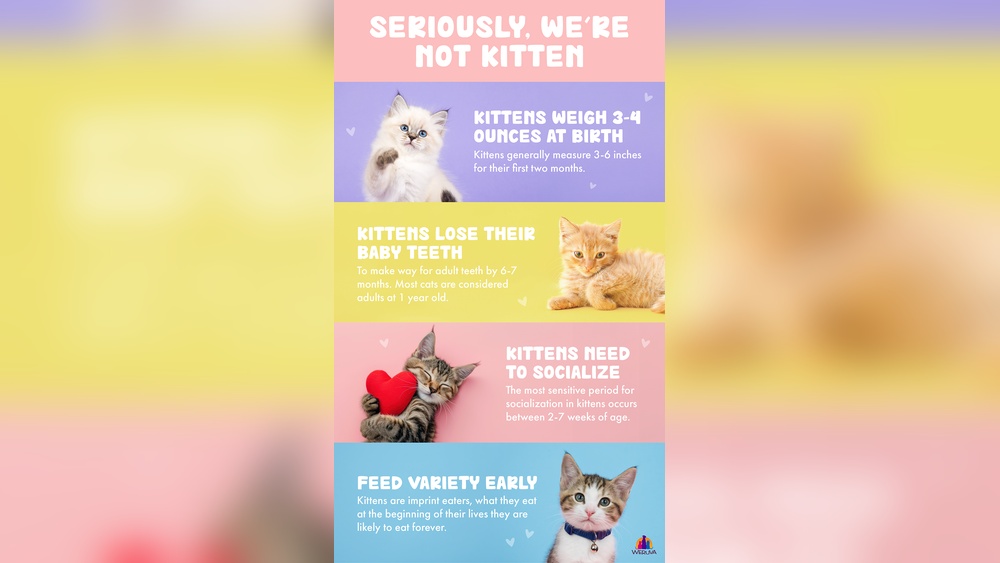
Bringing a kitten into your home is exciting, but it also comes with important responsibilities. You want to make sure your little furry friend grows up healthy, happy, and full of energy.
But where do you start? How do you know what your kitten really needs? This guide will show you exactly how to take care of your kitten step by step. By the end, you’ll feel confident and ready to give your new companion the best life possible.
Let’s dive in and discover the simple secrets to keeping your kitten safe, comfortable, and loved.
Credit: www.santarosa.fl.gov
Choosing The Right Kitten
Choosing the right kitten is the first step to a happy pet life. Picking a kitten that fits your lifestyle and home ensures a strong bond. Consider your daily routine and space before making a choice.
Selecting Healthy Breeds
Some breeds need more care than others. Research breeds that suit your activity level and home size. Look for kittens with clear eyes, clean ears, and shiny fur. Healthy kittens are alert and playful.
Adopting From Shelters
Shelters have many kittens waiting for homes. Adoption gives a kitten a second chance at life. Staff can help match you with a kitten that fits your needs. Shelter kittens are often vaccinated and checked by vets.
Preparing Your Home
Make your home safe and cozy before bringing a kitten. Remove small objects that kittens can swallow. Set up a quiet space with a bed, litter box, and food bowls. A calm area helps kittens feel safe and relax.
Feeding Your Kitten
Feeding your kitten is a vital part of their care. It supports their growth and keeps them healthy. Kittens need a diet rich in nutrients to build strong bones and muscles. Proper feeding helps them develop good habits and avoid health problems later.
Best Diet Choices
Choose high-quality kitten food made for their age. Wet food helps keep kittens hydrated. Dry food supports dental health and is easy to store. Protein is key for energy and growth. Look for foods with real meat as the first ingredient. Avoid fillers like corn or soy that add little nutrition.
Feeding Schedule
Kittens need several small meals daily. Feed them three to four times a day until six months old. After six months, reduce to two meals per day. Keep feeding times consistent to build routine. Fresh water should always be available.
Avoiding Harmful Foods
Never feed kittens chocolate, onions, or garlic. These foods can cause serious health issues. Avoid giving milk, as many kittens are lactose intolerant. Stay away from raw meat or fish to prevent infections. Human snacks and bones are unsafe for kittens.
Creating A Safe Environment
Creating a safe environment for your kitten is the first step to happy, healthy growth. Kittens are curious and active. They explore every corner of their new home. Protecting them from dangers helps prevent accidents and stress. A safe space lets your kitten feel secure and loved.
Kitten-proofing Your Home
Remove small objects that your kitten can swallow. Cover electrical wires to avoid chewing. Keep toxic plants, chemicals, and medicines out of reach. Close windows and secure screens tightly. Block small spaces where your kitten can get stuck. Check that doors and cabinets stay closed.
Safe Play Areas
Create a special play zone for your kitten. Use soft rugs or mats for comfort. Choose toys without small parts or sharp edges. Rotate toys to keep your kitten interested. Avoid strings or ribbons that can be swallowed. Spend time playing to build trust and exercise.
Essential Supplies
Provide a cozy bed in a quiet spot. Use a shallow litter box for easy access. Keep fresh water and kitten food nearby. Offer scratching posts to save your furniture. Have grooming tools like a soft brush ready. Store supplies in a safe and clean place.
Health And Vet Care
Taking care of a kitten’s health is very important for their growth and happiness. Regular vet visits keep your kitten strong and active. Early care helps prevent many health problems. Understanding basic health needs makes kitten care easier.
Vaccinations And Checkups
Vaccinations protect kittens from serious diseases. Start vaccinations at six to eight weeks old. Follow the vet’s schedule for booster shots. Checkups let the vet spot problems early. Regular exams ensure your kitten grows healthy. Keep a record of all vaccinations and visits.
Common Health Issues
Kittens can face health problems like respiratory infections and diarrhea. Watch for sneezing, coughing, or watery eyes. Loss of appetite and lethargy are warning signs. Skin issues like fleas or mites need quick care. Early treatment helps your kitten recover faster.
Parasite Prevention
Parasites harm kittens and cause discomfort. Fleas, ticks, and worms are common threats. Use vet-approved treatments regularly. Clean your kitten’s bedding and living area often. Parasite control keeps your kitten safe and happy. Regular checks prevent serious health issues later.
Training And Socialization
Training and socialization are key parts of raising a happy kitten. They help your kitten learn good habits and feel safe around people and other pets. Starting early creates a strong bond and prevents behavior problems. Patience and gentle guidance work best for teaching young kittens.
Litter Box Training
Choose a quiet, easy-to-reach spot for the litter box. Use a small, shallow box at first. Show your kitten where it is after meals and naps. Clean the box daily to keep it fresh. Praise your kitten when it uses the box correctly. Avoid punishment if accidents happen. Instead, gently guide your kitten back to the litter box.
Handling And Social Skills
Hold your kitten softly and often. Let it get used to being touched on paws, ears, and tail. Play with your kitten using toys to build trust. Introduce new people slowly and calmly. Allow your kitten to explore new sounds and sights safely. This helps your kitten feel confident and less scared.
Encouraging Positive Behavior
Use treats and gentle words to reward good actions. Redirect biting or scratching with toys, not hands. Set clear rules and be consistent. Provide scratching posts and safe toys to keep your kitten busy. Ignore bad behavior when safe to do so. This teaches your kitten what is okay and what is not.
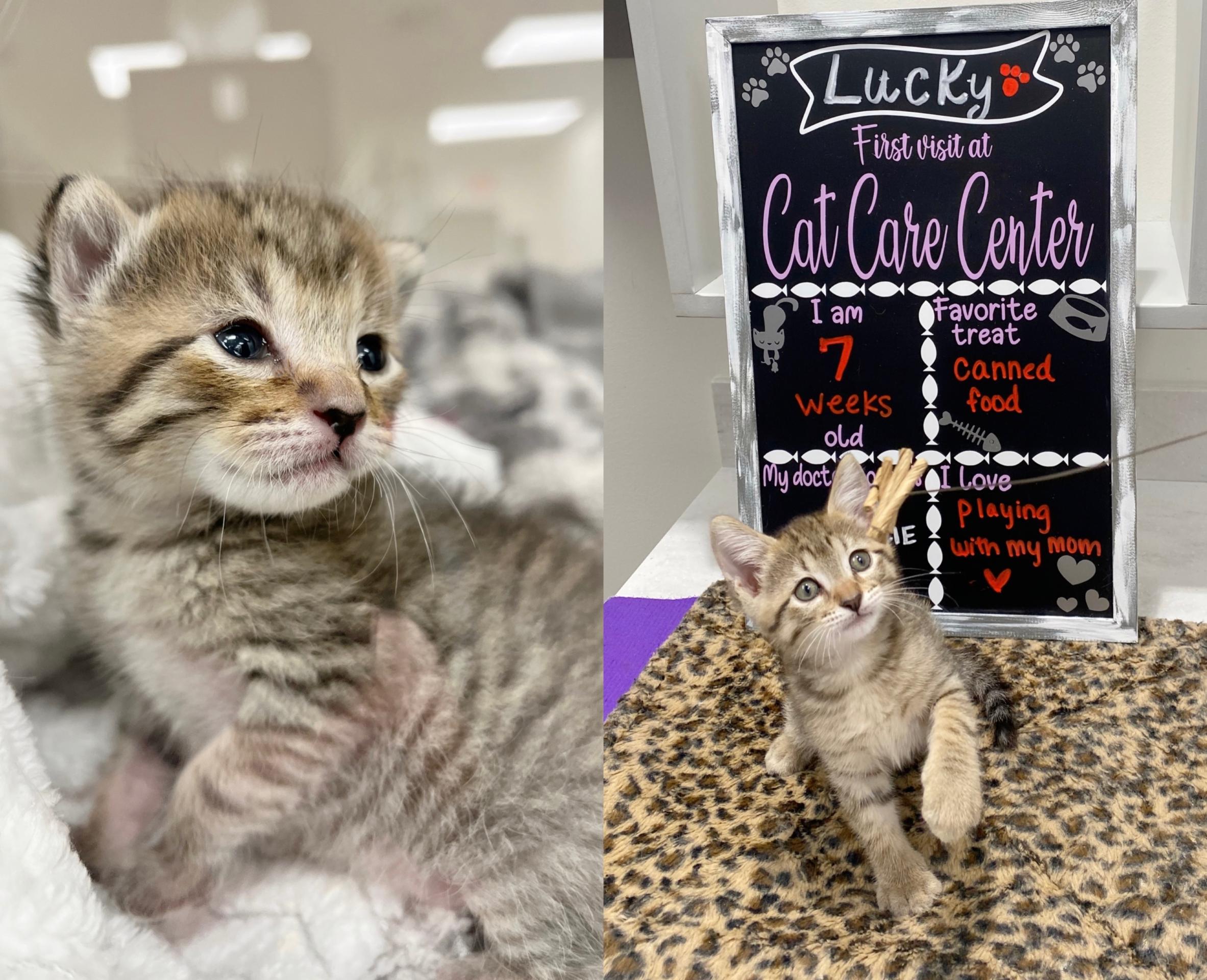
Credit: www.catcarecenter.com
Grooming Basics
Grooming is an important part of caring for a kitten. It helps keep them clean and healthy. Grooming also builds trust between you and your kitten. Regular grooming makes your kitten feel comfortable and loved.
Start grooming early to get your kitten used to it. Use gentle tools and be patient. Pay attention to their reactions and stop if they seem stressed. Grooming is also a good time to check for any signs of health problems.
Brushing And Bathing
Brushing removes loose fur and dirt from your kitten’s coat. Use a soft brush made for kittens. Brush gently to avoid hurting their skin.
Bathing is rarely needed unless your kitten is very dirty. Use warm water and a kitten-safe shampoo. Rinse well and dry your kitten with a soft towel. Keep the room warm during and after the bath.
Nail Trimming
Trim your kitten’s nails to prevent scratches and damage. Use special nail clippers for cats. Cut only the sharp tips, avoiding the quick inside the nail.
Trim nails every two weeks. If your kitten resists, try trimming a few nails at a time. Be calm and offer treats to make the process easier.
Dental Care
Dental care keeps your kitten’s teeth and gums healthy. Use a soft toothbrush and toothpaste made for cats. Brush gently along the gum line.
Start dental care early to build a habit. Check for bad breath or red gums. These can be signs of dental problems that need a vet visit.
Recognizing Kitten Behavior
Understanding your kitten’s behavior helps build a strong bond. Kittens use actions and sounds to show feelings and needs. Learning to read these signals keeps your kitten happy and safe. Pay close attention to their body language and sounds.
Recognizing what your kitten wants or feels helps you care better. It also prevents problems from growing unnoticed. Here are key points to watch for in kitten behavior.
Playful Vs. Aggressive Actions
Kittens play by pouncing, chasing, and biting softly. These actions show they are curious and healthy. Playful biting feels light and does not hurt.
Aggressive actions include hard biting, hissing, and scratching. These signs mean your kitten feels scared or angry. Watch for stiff body posture and growling sounds.
Signs Of Stress
Stress in kittens shows in hiding, loss of appetite, or excessive grooming. They may also meow loudly or act restless. Changes in behavior often signal that something is wrong.
Keep the environment calm and safe. Avoid loud noises and sudden movements. Give your kitten space to relax and feel secure.
When To Seek Help
Seek help if your kitten shows constant aggression or fear. Also watch for sudden changes in eating or bathroom habits. Persistent signs can indicate health or emotional problems.
Contact a veterinarian or animal behaviorist for advice. Early help improves your kitten’s well-being and happiness.
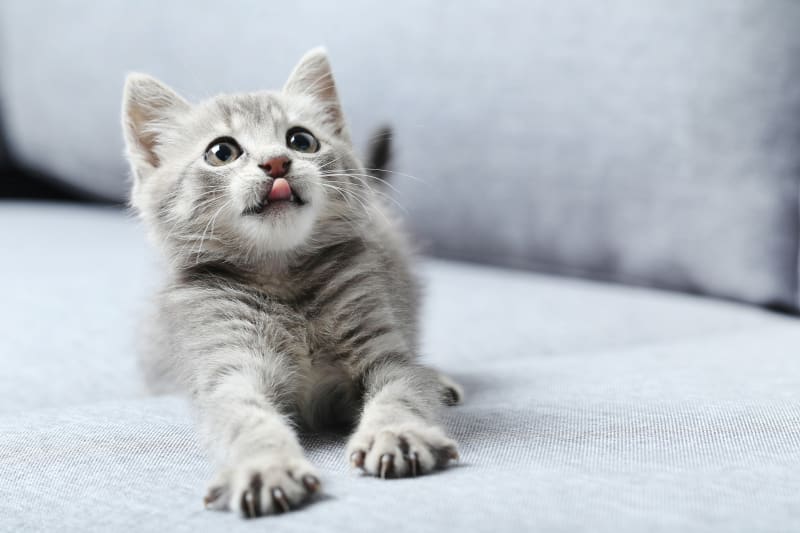
Credit: www.shattovet.com
Frequently Asked Questions
How Often Should I Feed My Kitten Daily?
Feed your kitten 3 to 4 small meals daily. Use high-quality kitten food rich in nutrients. Fresh water should always be available to keep them hydrated.
When Should I Start Kitten Vaccinations?
Begin vaccinations at 6 to 8 weeks old. Consult your vet for a proper vaccination schedule. Vaccines protect kittens from common diseases.
How Can I Safely Socialize My Kitten?
Introduce your kitten gradually to new people and pets. Use gentle handling and positive reinforcement. Early socialization helps kittens become confident and friendly.
What’s The Best Way To Litter Train A Kitten?
Place the litter box in a quiet, accessible spot. Show your kitten the box after meals and naps. Keep the box clean to encourage regular use.
Conclusion
Caring for a kitten takes time and patience. Give your kitten love and a safe space. Feed them healthy food and keep fresh water nearby. Play with your kitten to help them grow happy. Watch for signs of illness and visit the vet regularly.
Clean their litter box often. Small steps make a big difference. Enjoy each moment with your new furry friend. Taking good care will help your kitten thrive. A happy kitten means a happy home.