
Have you ever wondered just how many different breeds of cats exist? If you’re a cat lover or simply curious, knowing the variety of feline friends out there can surprise and delight you.
From fluffy to sleek, tiny to large, each breed has its own unique charm. By the end of this article, you’ll not only discover the number of cat breeds but also learn what makes each one special. Ready to find out which cats might be your perfect match?
Keep reading to unlock the fascinating world of cat breeds.
Cat Breed Classification
Cat breed classification helps to organize the many types of cats. It makes understanding breeds easier for cat lovers and breeders. Each breed has unique traits and history. Classifying cats allows us to learn about their origins and characteristics.
This system separates cats by pedigree and other features. It also involves official organizations that recognize breeds. Clear criteria guide the identification of each breed.
Pedigree Vs Non-pedigree Cats
Pedigree cats have a recorded family history. Their ancestors belong to the same breed. They meet specific breed standards and show pure traits. Non-pedigree cats are mixed or unknown breeds. They often have diverse traits and no official records.
Pedigree cats are commonly seen in shows and breeding programs. Non-pedigree cats make wonderful pets but lack formal breed status.
Breed Recognition Organizations
Several organizations recognize and register cat breeds. The Cat Fanciers’ Association (CFA) is one of the largest. The International Cat Association (TICA) also plays a key role. Each group sets rules for breed standards and shows.
These organizations update breed lists regularly. They ensure breeds meet health and appearance guidelines. Recognition by these groups gives a breed official status worldwide.
Criteria For Breed Identification
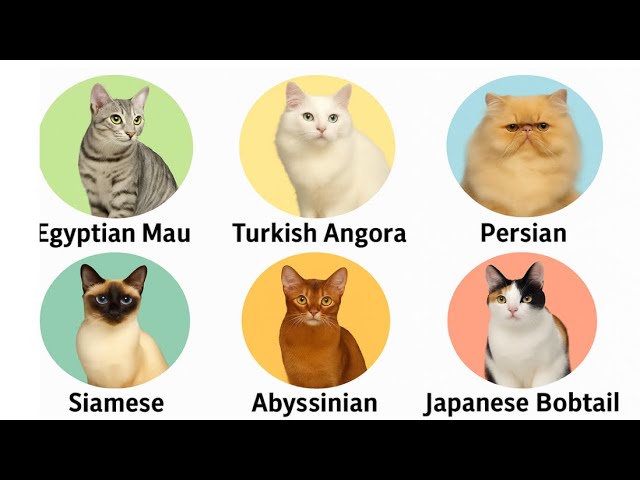
Breed identification relies on clear physical traits. These include fur length, color patterns, and body shape. Behavior and personality traits can also help identify breeds. Genetic testing is becoming more common in breed recognition.
Breeders follow strict guidelines to maintain breed purity. Consistent traits help distinguish one breed from another. This consistency is essential for both shows and breeding.
Credit: www.youtube.com
Popular Cat Breeds
Popular cat breeds attract many pet lovers worldwide. Each breed has unique looks and personality traits. Some cats are playful and active. Others are calm and affectionate. Knowing popular breeds helps choose the right cat for your home. Here are some well-known breeds that many people love.
Siamese And Oriental Breeds
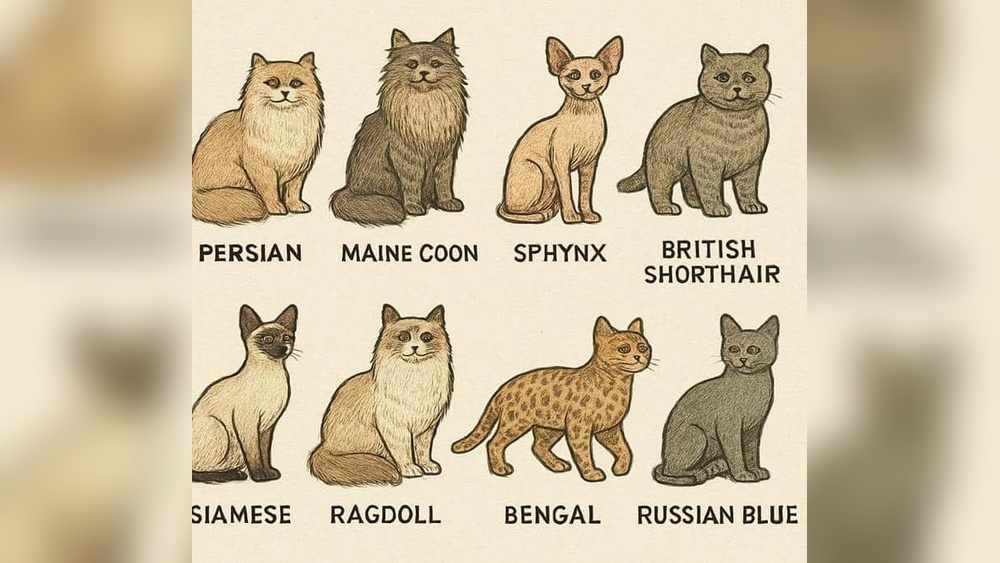
Siamese cats are famous for their striking blue eyes and sleek bodies. They have short coats and pointed markings. These cats are very vocal and social. Oriental breeds share similar features but come in many colors. They enjoy interaction and are very curious. Both breeds need plenty of attention and playtime.
Persian And Exotic Breeds
Persian cats have long, thick fur and flat faces. They look fluffy and elegant. These cats prefer quiet and calm homes. Exotic breeds look like Persians but have shorter fur. They are easier to care for but still very cuddly. Both breeds love gentle petting and relaxing indoors.
Maine Coon And Large Breeds
Maine Coon cats are one of the largest domestic breeds. They have long fur and tufted ears. These cats are friendly and good with families. Large breeds like Ragdolls also have calm personalities. They enjoy being held and are very gentle. These cats need space and regular grooming.
Sphynx And Hairless Varieties
Sphynx cats have no fur and wrinkled skin. They feel warm and soft to touch. These cats are playful and love human company. Hairless breeds need special skin care to stay healthy. They are great for people with allergies. Their unique look makes them stand out in any crowd.
Rare And Emerging Breeds
Rare and emerging cat breeds add excitement to the feline world. These breeds are often less known and have unique traits. They bring new colors, shapes, and personalities to cat lovers everywhere. Many are just starting to gain recognition and popularity. Some come from specific regions or are the result of special breeding programs. Others are hybrids, blending wild and domestic traits. Exploring these breeds helps us appreciate the diversity of cats.
Newly Recognized Breeds
New breeds often start with a small group of cats sharing unique features. Cat organizations study these cats closely before giving official recognition. Some recent breeds include the Lykoi and the Dwelf. These cats show unusual looks or traits not seen before. Recognition helps these breeds grow in numbers and popularity. It also encourages breeders to keep their qualities consistent.
Regional And Local Breeds
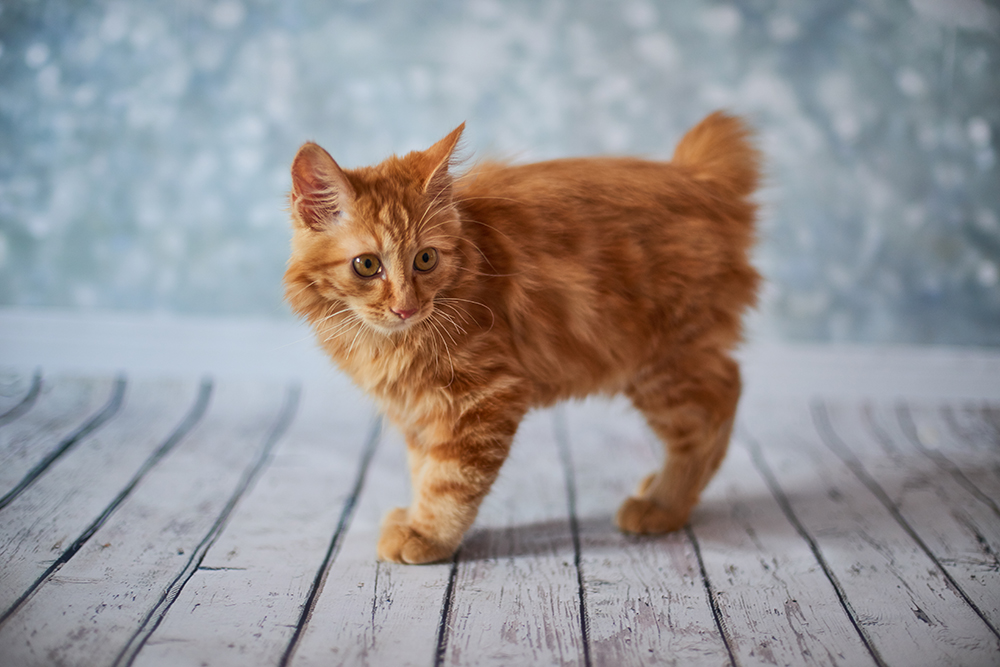
Many rare breeds come from specific areas around the world. These cats have adapted to local climates and cultures. Examples include the Turkish Van and the Kurilian Bobtail. These breeds may be common locally but rare elsewhere. Their unique traits often reflect their environment. Regional breeds offer a glimpse into the history and lifestyle of their home areas.
Hybrid And Experimental Cats
Hybrids combine wild cat species with domestic cats. Breeders aim for a mix of wild looks and tame behavior. The Bengal and Savannah cats are well-known hybrids. Experimental breeds often test new traits or appearances. Some hybrids face challenges in health or behavior. Responsible breeding is key to their success and well-being.
Global Breed Counts
Cat breeds exist in many varieties worldwide. The exact number changes depending on the source. Different organizations list different breeds. This makes the total count a bit unclear. Understanding global breed counts helps cat lovers appreciate diversity. It also shows how cat breeding varies across regions.
International Breed Listings
Many groups track cat breeds globally. The International Cat Association (TICA) and the Cat Fanciers’ Association (CFA) lead the way. TICA recognizes over 70 breeds. CFA lists about 44 breeds. These lists include common and rare breeds. Some breeds appear on one list but not the other. This is due to different rules and criteria.
Differences By Cat Associations
Cat associations have unique standards for breeds. Some count only natural breeds. Others include hybrids or recently developed breeds. These rules affect the total breed count. Associations also differ in breed acceptance speed. Some accept new breeds quickly. Others take years to recognize a breed officially.
Breed Popularity Trends
Popularity of cat breeds changes over time. Some breeds grow popular fast. Others stay rare or local. Trends depend on culture, media, and pet owner choices. For example, the Maine Coon is popular worldwide. The Scottish Fold gained fame through social media. Tracking popularity helps breeders and buyers understand the market.
Choosing The Right Breed
Choosing the right cat breed is an important step before bringing a feline friend home. Different breeds have unique traits that fit various lifestyles. Understanding these traits helps find a cat that matches your home and personality. This ensures a happy life for both you and your pet.
Temperament And Lifestyle
Each cat breed has its own personality. Some cats are calm and quiet. Others are playful and energetic. Think about your daily routine. Do you want a cat that stays calm or one that loves to play? Some breeds enjoy being around people more than others. Choose a breed that fits your activity level and home environment.
Health Considerations
Different breeds face different health risks. Some cats have genetic issues that need special care. Research common health problems for the breed you like. This helps prepare for future vet visits. A healthy cat means fewer worries and more fun times.
Grooming Needs
Cat breeds vary in grooming needs. Long-haired cats need daily brushing. Short-haired cats require less grooming. Some cats shed a lot, while others shed very little. Consider how much time you can spend on grooming. This keeps your cat comfortable and your home clean.

Credit: www.womansday.com
Credit: www.purina.com
Frequently Asked Questions
How Many Cat Breeds Exist Worldwide?
There are approximately 70 to 100 recognized cat breeds globally. The exact number varies by cat registries and standards. Each breed has unique traits, sizes, and coat patterns. This diversity offers pet lovers many options to choose from.
What Are The Most Popular Cat Breeds?
Popular cat breeds include the Persian, Maine Coon, Siamese, Ragdoll, and British Shorthair. These breeds are well-loved for their temperament and appearance. They often feature in cat shows and are common household pets worldwide.
How Do Cat Breeds Differ From Mixed Breeds?
Cat breeds have specific, documented lineage and traits. Mixed breeds result from diverse ancestry without strict breeding rules. Breeds often have predictable behaviors and looks, while mixed cats can vary widely. Both can make wonderful pets.
Can New Cat Breeds Still Be Recognized?
Yes, new cat breeds can be recognized as breeding programs develop. Recognition depends on consistent traits and breed standards. Organizations like CFA and TICA evaluate and approve new breeds. This process keeps cat diversity evolving.
Conclusion
Cats come in many breeds, each with unique traits. Over 70 recognized breeds exist worldwide. Some cats have long hair, others short. Colors and patterns vary greatly too. Every breed has its own charm and care needs. Choosing a cat depends on your lifestyle.
Learning about breeds helps you find the right match. Cats bring joy, no matter the breed. Enjoy discovering these wonderful feline friends!