
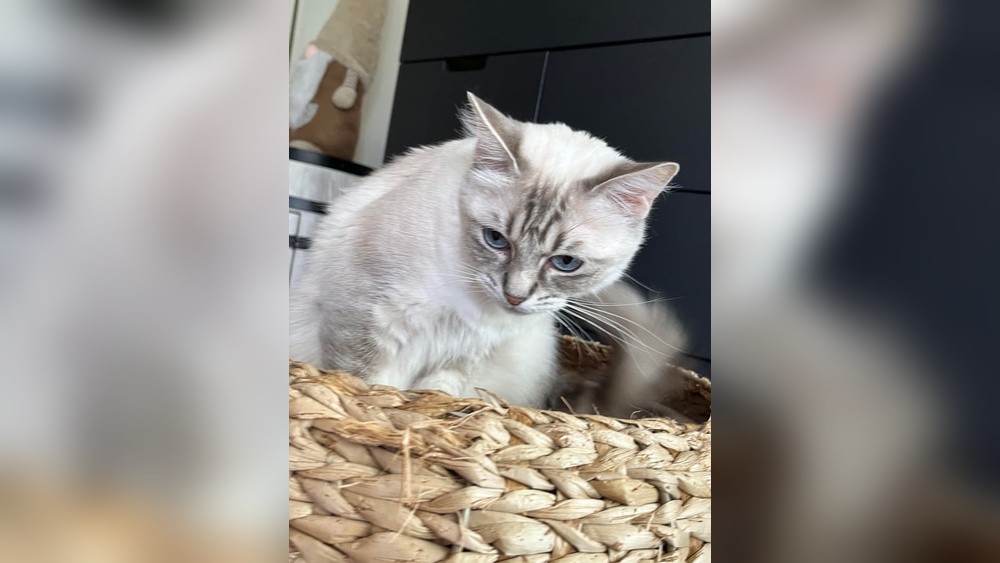
Are you thinking about adding a furry friend to your home? Maybe you’ve come across beautiful cats from breeders and wondered, “Is it bad to buy a cat from a breeder?” This question is more important than you might realize.
Your choice affects not just your future pet’s health and happiness but also the lives of many other animals. You’ll discover the truth behind buying cats from breeders. By the end, you’ll feel confident in making the best decision for you and your new companion.
Keep reading—you won’t want to miss this.
Reasons People Choose Breeders
Choosing to buy a cat from a breeder is a decision many people make for clear reasons. Some want a cat with certain looks or traits. Others want to know what to expect in terms of health and behavior. Convenience also plays a big role in the choice. Understanding these reasons helps explain why breeders remain a popular option for cat buyers.
Desire For Specific Breeds
Many buyers want a cat of a certain breed. Each breed has unique features and personalities. Some people prefer the calm nature of a Ragdoll. Others like the playful energy of a Bengal. Breeders offer a wide selection of specific breeds to match these preferences.
Predictable Traits And Health
Buying from a breeder can provide more certainty. Breeders often test their cats for health issues. They also know the cat’s lineage and traits well. This helps buyers expect the cat’s size, behavior, and health. It reduces surprises after bringing the cat home.
Availability And Convenience
Breeders usually have kittens ready when buyers want them. Shelters and rescues may not have the specific type or age needed. Breeders can also provide advice and support after purchase. This makes the whole process easier and smoother for many people.
Concerns About Buying From Breeders
Buying a cat from a breeder raises many concerns. People worry about the ethics behind breeding. There are also health problems linked to some breeders. These issues make many question if buying from breeders is right.
Understanding these concerns helps make better choices. It is important to know what problems come with breeder cats. This section explains the key concerns clearly.
Ethical Issues
Some breeders put profit before animal welfare. They may keep cats in poor conditions. Cats might lack proper care and socialization. This causes stress and suffering for the animals.
Breeding for specific traits can harm cats. It often ignores the cat’s happiness and health. Ethical breeding means caring for cats, not just selling them.
Support Of Puppy Mills And Overbreeding
Buying from breeders can support puppy mills. These mills breed many animals just for money. They often ignore the animals’ needs and health.
Overbreeding leads to too many cats without homes. This causes overcrowding in shelters. Many healthy cats wait for adoption but are overlooked.
Health Risks And Genetic Problems
Breeding can increase the risk of health problems. Some breeds have genetic diseases passed down generations. These diseases can cause pain and shorten a cat’s life.
Good breeders test for health issues, but many do not. Buying without checking risks getting a sick cat. This leads to expensive vet bills and heartbreak.
Benefits Of Adopting Instead
Choosing to adopt a cat instead of buying from a breeder offers many benefits. Adoption saves lives and supports animal shelters. It also makes pet ownership more affordable. Plus, shelters have a wide range of cats to choose from. Adopting helps reduce pet overpopulation and gives homeless cats a second chance.
Saving Shelter Cats
Thousands of cats wait in shelters for a home. Adopting one means saving a life. Many shelter cats are healthy and friendly. Adoption helps reduce the number of animals euthanized each year. Giving a shelter cat a home frees space for others in need.
Cost And Commitment
Adopting a cat is often less expensive than buying from a breeder. Shelters usually include vaccinations, spaying, or neutering in the fee. Adoption costs cover basic health care, saving future expenses. It shows responsibility and commitment to care for a pet. This makes adoption a smart choice for many families.
Variety Of Cats Available
Shelters have cats of all ages, sizes, and breeds. You can find purebreds or mixed breeds with unique traits. Many cats have distinct personalities, so you can find one that fits your lifestyle. Shelters also provide information about each cat’s behavior and needs. This helps you make a confident choice for your new friend.

Credit: www.reddit.com
How To Choose A Responsible Breeder
Choosing a responsible breeder is key to finding a healthy and happy cat. A good breeder cares about the cats’ well-being and breeds with care. This section explains how to spot a responsible breeder.
Health Screenings And Certifications
Responsible breeders test their cats for common diseases. They share health records openly. Certifications from vet specialists prove the cat’s good health. This helps avoid future health problems.
Living Conditions For Cats
The breeder’s home should be clean and safe. Cats must have space to play and rest. They should look well-fed and active. Good breeders treat their cats like family.
Transparency And Documentation
A responsible breeder provides clear documents. These include registration papers and health history. They answer questions honestly and fully. Transparency builds trust and shows care for the cats.
Alternatives To Buying From Breeders
Many people want to bring a cat into their home but feel unsure about buying from breeders. There are good alternatives that help cats find loving families. These options often save lives and give cats a second chance. Each choice has unique benefits and can suit different needs.
Rescue Organizations
Rescue organizations care for homeless cats. They provide shelter, food, and medical care. These groups work hard to find cats good homes. Adopting from a rescue helps reduce stray cat populations. It also supports animals in need.
Breed-specific Rescues
Some rescues focus on specific cat breeds. These groups rescue cats of one breed only. They understand breed traits and special needs well. Breed-specific rescues offer cats that match your preferences. This option is perfect for people wanting a particular breed.
Foster Programs
Foster programs place cats in temporary homes. Volunteers care for cats until adoption happens. This helps cats adjust to home life. It also allows time to find the right family. Fostering builds strong bonds and saves more lives.

Credit: www.onegreenplanet.org
Impact On Cat Welfare
The impact on cat welfare is a key concern when buying a cat from a breeder. It affects the health, happiness, and future of cats. Understanding this impact helps make better choices for cats and communities.
Population Control
Breeding more cats adds to the pet population. Shelters already have many cats needing homes. Extra kittens can increase overcrowding and lead to more cats without care. Controlling the number of cats born helps reduce suffering and shelter overcrowding.
Quality Of Life For Cats
Some breeders care deeply about their cats’ health and comfort. They provide good food, clean spaces, and medical care. But many breeders focus on profit, not welfare. Poor conditions cause stress, illness, and behavior problems in cats. A cat’s quality of life depends on how it is raised and cared for.
Long-term Consequences
Breeding affects cats beyond their first months. Genetic issues can pass down through generations. Health problems may appear later in life. Overbreeding harms the gene pool and cat diversity. Many cats suffer from preventable diseases due to poor breeding practices.

Credit: www.onegreenplanet.org
Frequently Asked Questions
Is Buying A Cat From A Breeder Ethical?
Buying from a responsible breeder can be ethical if they prioritize cat health and welfare. Avoid breeders who neglect animal care or exploit cats for profit. Research breeder reputation and certifications to ensure ethical practices.
What Are The Risks Of Buying From A Bad Breeder?
Bad breeders often neglect health screenings and socialization. This can lead to genetic disorders and behavioral issues in cats. Such cats may require costly veterinary care and may have shorter lifespans.
How To Identify A Reputable Cat Breeder?
A reputable breeder provides health records, allows visits, and answers questions openly. They prioritize kitten welfare and socialize cats properly. They also follow breed standards and avoid overbreeding.
Should I Adopt Instead Of Buying A Cat?
Adopting saves lives and reduces shelter overpopulation. It’s often more affordable and supports animal welfare. However, buying from responsible breeders is acceptable if you want specific breeds or traits.
Conclusion
Choosing to buy a cat from a breeder has its pros and cons. It can offer predictability in breed and health. Yet, ethical concerns about breeding practices matter a lot. Many cats in shelters need loving homes too. Think about your values and what fits your life.
Responsible choices help cats and owners both. Always research breeders carefully before deciding. A happy cat needs love, care, and a safe home. Your decision shapes a cat’s future. Choose wisely, with kindness in mind.