
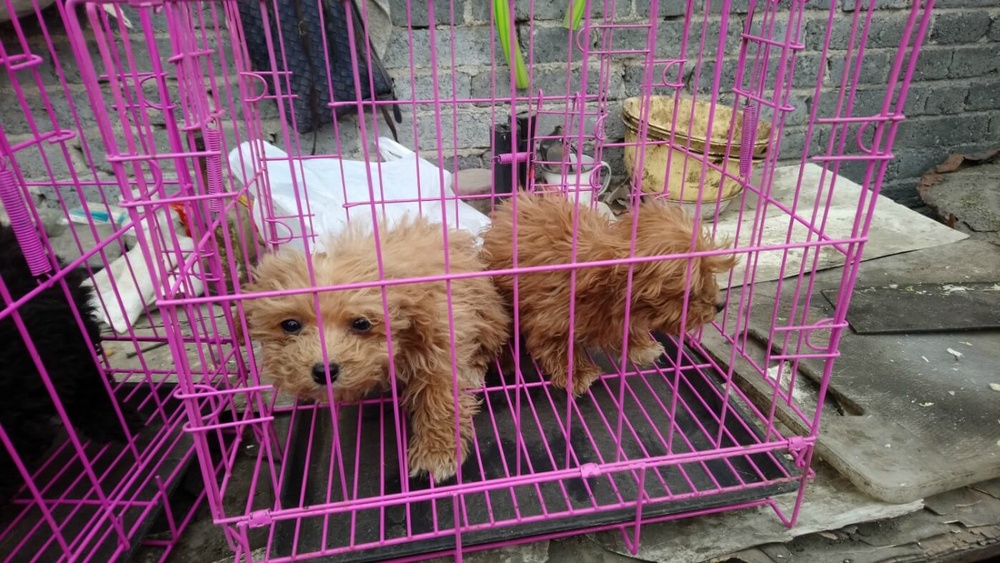
Have you ever stopped to think about what really happens behind the scenes when dogs and cats are bred? It might seem like a simple act of love and care, but the truth can be much more complicated—and troubling.
If you care about animals and want to make choices that protect their well-being, this question is one you can’t ignore: Is breeding dogs and cats actually a form of animal abuse? Keep reading to uncover the facts that could change how you see this common practice—and what it means for the pets you love.
Credit: aeon.co
Ethics Of Breeding Pets
Breeding pets raises many ethical questions. It is not just about creating new animals. It involves responsibility toward living beings. People must think about the impact on animals’ lives and well-being.
Ethics of breeding pets focus on how animals are treated. It asks if breeding respects animal rights and welfare. This topic is important for both dog and cat breeders and pet owners.
Moral Concerns
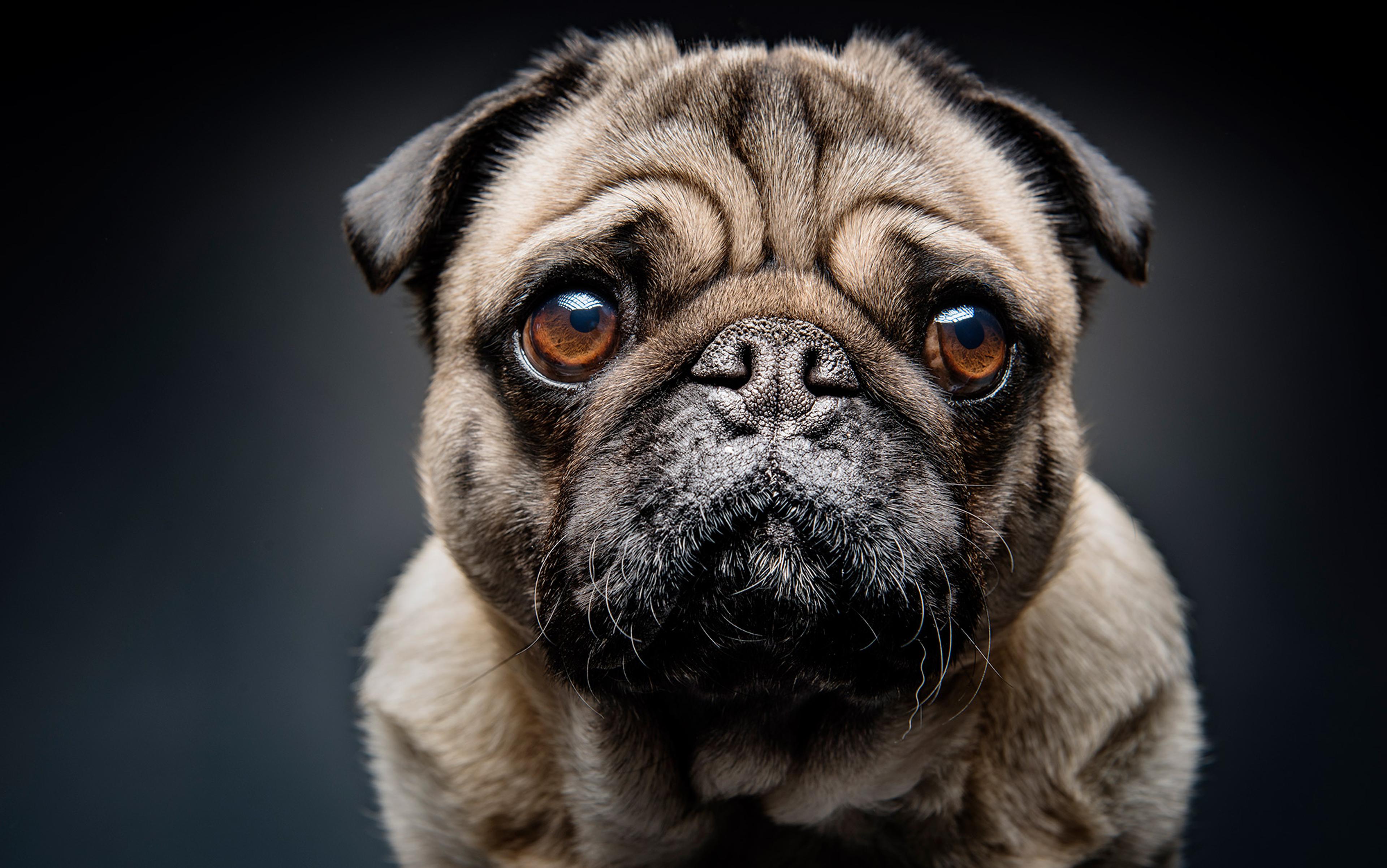
Breeding animals can cause harm if done without care. Some breeders prioritize profit over the animal’s health. This leads to poor living conditions and health problems. Many argue that breeding pets for looks ignores the animal’s needs. It raises questions about the fairness of bringing animals into the world just for human desires.
There is also concern about overpopulation. Many animals in shelters wait for homes. Breeding more pets can add to this problem. This makes people wonder if breeding is always the right choice.
Welfare Of Animals
Animal welfare is about keeping pets safe and healthy. Good breeders make sure animals have clean spaces and proper care. They watch for health issues and avoid breeding animals with genetic diseases. Proper care means feeding, exercise, and regular vet visits.
Breeding should not cause pain or stress. Some breeding methods cause suffering or weaken animals. Ethical breeders avoid these practices. They focus on the animal’s quality of life, not just appearance.

Credit: www.thln.org
Common Breeding Practices
Breeding dogs and cats involves different methods that affect animals in many ways. Some practices focus only on profit, while others care about animal health and well-being. Understanding these common breeding methods helps us see where abuse can occur.
Commercial Breeding
Commercial breeding aims to produce many animals quickly. Breeders often keep animals in small cages with little space. They may breed animals too often without breaks for rest. This can cause health problems and stress for the animals. Many commercial breeders ignore proper care to save money. The focus is on quantity, not quality or welfare.
Responsible Breeding
Responsible breeders care about animal health and genetics. They provide clean, safe environments with enough space and social time. Breeding only happens after health checks and proper age. These breeders avoid overbreeding to protect the animals’ well-being. They focus on traits that improve the breed’s health. This method supports strong, happy pets and reduces animal suffering.
Health Risks For Offspring
Breeding dogs and cats can cause serious health problems for their offspring. Many animals suffer from issues passed down through generations. These health risks affect their quality of life and can lead to early death.
Some problems come from poor breeding choices. Others arise from breeding animals too closely related. Both bring dangers that breeders often ignore.
Genetic Disorders
Genetic disorders are common in bred animals. These problems pass from parents to babies through genes. Many disorders cause pain or illness. Examples include hip dysplasia, heart problems, and blindness.
These disorders can be hidden in parents but appear in offspring. Breeding without screening for genetic issues increases risks. Puppies and kittens may suffer for life. Treatment can be costly or impossible.
Inbreeding Effects
Inbreeding means mating close relatives. It raises the chance of genetic disorders. Babies may have weak immune systems. They get sick more often and heal slowly.
Inbreeding causes physical deformities too. Animals can have misshapen bones or organs. It lowers their ability to live healthy lives. Many breeders ignore these dangers to keep traits or size.
Impact On Animal Shelters
Breeding dogs and cats can greatly affect animal shelters. Shelters already face many challenges caring for homeless animals. More breeding adds stress to their limited space and resources. Understanding this impact helps us see why responsible breeding matters.
Overpopulation Issues
Animal shelters struggle with too many animals. Breeding increases the number of dogs and cats without homes. Shelters fill up quickly and cannot take in all animals. Overcrowding leads to poor living conditions and health problems. Some shelters may have to put animals down due to lack of space.
Adoption Challenges
More animals mean more competition for adoption. Many pets stay in shelters longer than needed. This delays finding loving families for homeless animals. Shelters must spend more time and money caring for each pet. It reduces their ability to help new animals in need.
Legal Regulations
Legal regulations shape how dog and cat breeding is controlled. These rules protect animals and guide breeders. They set limits and standards for breeding practices. Understanding these laws helps to see if breeding is abuse or care.
Breeding Laws
Breeding laws vary by country and region. Some places require licenses for breeders. Others ban breeding without meeting strict conditions. Laws often control the number of litters a breeder can have. They also regulate the sale and transport of animals. These rules aim to stop overbreeding and neglect.
Animal Welfare Standards
Animal welfare standards focus on the health and safety of animals. They require clean living spaces and proper food. Breeders must provide medical care and prevent cruelty. These standards also limit breeding of animals with health problems. They ensure animals are not forced to breed too often. Meeting these standards helps avoid abuse and suffering.
Alternatives To Breeding
Breeding dogs and cats raises many concerns about animal welfare. Many animals suffer from poor conditions or health problems due to breeding. Choosing alternatives to breeding helps protect animals and reduce overpopulation. These alternatives focus on giving existing animals a loving home and controlling pet populations responsibly.
Adoption Benefits
Adoption saves lives. Shelters and rescues have many pets waiting for homes. These animals often need love and care. Adopting reduces the number of homeless pets on the street. It also cuts down the demand for breeding. Adopted pets come in all ages, sizes, and breeds. They can bring joy and companionship without supporting breeding industries.
Spaying And Neutering
Spaying and neutering prevent unwanted litters. These simple surgeries help control pet populations. Fewer animals are born without homes. Spayed or neutered pets are often healthier and live longer. This practice reduces stray animals and decreases shelter overcrowding. It is a responsible choice for pet owners who want to help animals.
Public Perception
Public perception plays a big role in how people view breeding dogs and cats. Many have strong opinions based on what they know or hear. These views can shape laws, pet ownership, and animal care. Understanding these opinions helps us see the bigger picture of animal breeding and welfare.
Cultural Views
Cultures differ in their views on breeding animals. Some see it as a way to keep special traits alive. Others believe it harms animals and causes suffering. Traditions and beliefs guide how people treat pets. In some places, breeding is common and accepted. In others, it may be frowned upon or restricted.
Media Influence
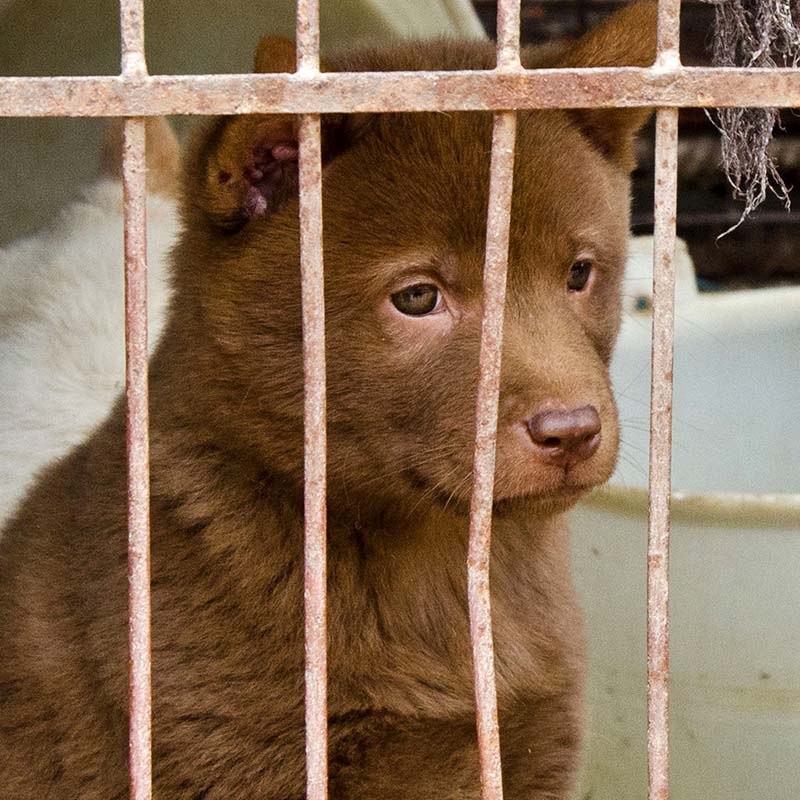
Media shapes many opinions about animal breeding. News stories often highlight problems like puppy mills. Movies and shows sometimes glamorize certain breeds. Social media can spread both good and bad information fast. This mix affects how the public feels about breeding practices. People may trust media more than experts or facts.
Credit: animalequality.org
Frequently Asked Questions
What Defines Animal Abuse In Dog And Cat Breeding?
Animal abuse in breeding involves neglect, poor living conditions, and lack of proper care. It harms the animals’ health and wellbeing. Ethical breeding avoids these issues by ensuring safe environments, proper nutrition, and veterinary care.
Can Responsible Breeding Avoid Animal Abuse Concerns?
Yes, responsible breeding follows strict health and welfare standards. It prioritizes the animals’ wellbeing and avoids overbreeding. This ethical approach helps prevent abuse and supports healthy, well-socialized pets.
How Does Overbreeding Contribute To Animal Cruelty?
Overbreeding strains animals physically and mentally, leading to health problems and stress. It often involves neglect and poor conditions, which are forms of cruelty. Limiting breeding frequency is essential to protect animal welfare.
Are Puppy And Kitten Mills Considered Animal Abuse?
Yes, puppy and kitten mills prioritize profit over animal care. They often keep animals in overcrowded, unsanitary conditions, causing suffering. These mills are widely recognized as abusive and unethical breeding practices.
Conclusion
Breeding dogs and cats can sometimes harm animals if not done responsibly. Many breeders put profit before pets’ health and happiness. Ethical breeding means caring for animals and their needs. Each animal deserves love, proper care, and a safe home.
Think about adopting from shelters to help reduce overpopulation. Everyone can help stop animal suffering by making kind choices. Protecting animals is a shared duty we all hold. Choose compassion and care over careless breeding practices.