
Are you worried about your cat unexpectedly having kittens? Preventing your cat from breeding is important not just for controlling pet populations but also for keeping your furry friend healthy and happy.
If you want to avoid the stress and expense of an unplanned litter, you need simple, effective steps you can take right now. You’ll discover easy ways to stop your cat from breeding and why acting early makes all the difference.
Keep reading to protect your cat and enjoy peace of mind.
Credit: www.petmd.com
Reasons To Prevent Cat Breeding
Preventing cat breeding is important for many reasons. It helps keep cats healthy and safe. It also stops too many cats from living on the streets. Understanding these reasons can help you care for your cat better.
Here are the main reasons to prevent cat breeding.
Overpopulation Concerns
Too many cats can cause big problems. Shelters get crowded with homeless cats. Many cats do not find good homes. Overpopulation can lead to poor health and hunger. Controlling breeding helps reduce this issue.
Health Risks For Cats
Breeding can harm a cat’s health. Pregnancies strain a cat’s body. Some cats get infections or diseases after giving birth. Spaying or neutering prevents these health risks. It helps cats live longer and feel better.
Behavioral Changes
Cats that can breed often act differently. They may spray to mark territory. They might roam far from home. These behaviors can cause accidents or fights. Preventing breeding helps keep cats calm and safe.
Spaying And Neutering Benefits
Spaying and neutering your cat is a simple step with big benefits. It stops unwanted litters and helps control the pet population. This surgery can improve your cat’s health and behavior. Many pet owners find peace of mind after the procedure.
Procedure Overview
Spaying removes the female cat’s ovaries and uterus. Neutering removes the male cat’s testicles. The surgery usually takes less than an hour. Cats go home the same day. Vets use anesthesia to keep cats safe and pain-free.
Long-term Health Advantages
Spaying lowers the risk of certain cancers in female cats. Neutering reduces prostate problems in males. Both surgeries can stop unwanted behaviors like spraying and roaming. Spayed or neutered cats often live longer, healthier lives.
Cost Considerations
The surgery cost varies by location and clinic. Some shelters offer low-cost or free spay and neuter programs. Paying for surgery now saves money on caring for many kittens later. Think of it as an investment in your pet’s future.
Alternative Methods To Control Breeding
Controlling your cat’s breeding is important for their health and for reducing stray populations. Besides spaying and neutering, other methods can help manage breeding. These alternatives can be useful in certain situations or as temporary solutions.
Hormonal Treatments
Hormonal treatments can delay or stop heat cycles in female cats. These drugs affect the cat’s reproductive hormones. They require a vet’s prescription and supervision. Hormonal methods are not a permanent fix. They can have side effects, so use them with care. These treatments help control breeding without surgery.
Behavioral Management
Behavioral management means changing how cats act during heat. Distracting your cat with toys or play can reduce mating behaviors. Keep your cat calm and busy to lower stress and restlessness. Avoid letting your cat meet other cats in heat. This reduces chances of breeding. Training your cat to avoid certain areas helps too.
Environmental Adjustments
Changing the cat’s environment can reduce breeding chances. Keep your cat indoors, away from outdoor cats. Close windows and doors to block outside cats’ scents. Provide cozy, quiet spaces to help your cat relax. Avoid letting your cat roam freely during heat cycles. These adjustments reduce contact with mates and lower breeding risk.
Preventing Unwanted Mating
Preventing unwanted mating is key to controlling your cat’s population. Unplanned litters can lead to many challenges for both pets and owners. Taking steps to stop your cat from breeding helps keep them safe and healthy. It also reduces the number of homeless cats.
Indoor Living Tips
Keeping your cat indoors limits their chance to meet other cats. Indoor cats are less likely to find mates and have babies. Create a fun space with toys and climbing spots. This keeps your cat happy and busy inside. Regular playtime helps reduce the urge to roam outdoors.
Supervised Outdoor Access
Letting your cat outside can be safe with supervision. Use a harness and leash for control during walks. Watch your cat closely to stop them from meeting other cats. Short, supervised outings give fresh air without risk. This method allows outdoor time without unwanted mating.
Securing Your Home
Seal all doors, windows, and gaps where cats can escape. Use screens or barriers to block access to open areas. Check fences and gates for weak spots regularly. A secure home stops your cat from sneaking out. Prevention at home is the first step to avoid breeding.
Signs Your Cat Is In Heat
Knowing the signs your cat is in heat helps you prevent unwanted breeding. Cats in heat show clear changes in behavior and body. Recognizing these signs early makes it easier to manage your cat’s needs and keep her safe.
Behavioral Indicators
Your cat may act restless and more vocal. She might meow loudly or yowl at odd times. Some cats rub their body against furniture or people often. You may notice increased affection or unusual clinginess. She might try to escape outdoors to find a mate.
Physical Symptoms
Look for a swollen or red vulva. Your cat may lick her genital area more than usual. Some cats have a slight discharge that looks clear or pinkish. Her tail might be held to one side during interactions. These signs show she is ready to breed.
Timing And Frequency
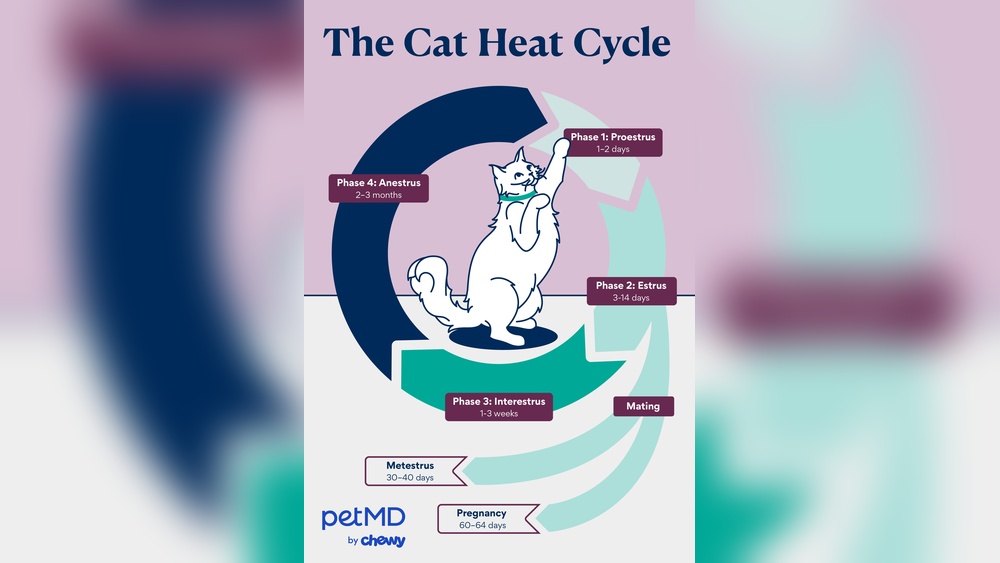
Cats usually go into heat every two to three weeks. Each heat cycle lasts about four to seven days. This happens more often in spring and summer months. Unspayed cats can have many heat cycles each year. Knowing this helps you plan how to care for her.

Credit: www.cats.org.uk
Caring For Cats Post-surgery
Caring for cats after surgery is very important to help them heal well. Cats need quiet and safe places to rest after their operation. Keeping them calm stops them from hurting themselves or opening the wounds.
Watch your cat closely for any signs of trouble. Small changes can show if your cat feels pain or discomfort. Help your pet feel safe and loved during recovery.
Recovery Process
Keep your cat in a warm, quiet room. Limit their movement to stop injury. Use a soft bed to make resting easy. Check the surgery site daily for swelling or redness. Clean the area as your vet tells you. Avoid letting your cat lick or bite the wound. Use a cone collar if needed. Follow all instructions from your vet carefully.
Pain Management
Give pain medicine exactly as the vet says. Never give human medicines to cats. Watch for signs of pain like hiding or not eating. If pain seems bad, call your vet right away. Gentle petting and calm voices help your cat feel better. Keep the home calm and quiet to reduce stress.
Follow-up Care
Take your cat to all vet check-ups after surgery. The vet will check healing and remove stitches if needed. Ask the vet any questions you have about care. Keep your cat’s vaccinations and health checks up to date. Follow any diet or activity advice from the vet. Good follow-up care helps your cat stay healthy long-term.
Common Myths About Cat Breeding
Many cat owners hold wrong ideas about cat breeding. These myths can stop them from making the best choices. Clearing up these false beliefs helps protect your cat’s health and control the cat population. Understanding the truth is key to preventing unwanted litters.
Misconceptions About Spaying
Some believe spaying harms a cat’s health. This is not true. Spaying prevents many health problems like infections and cancers. Others think spaying changes a cat’s personality. In reality, spaying keeps cats calm and less stressed. It also stops noisy heat cycles that bother owners.
Fertility Myths
Many think cats must have one litter before spaying. This is false. Spaying before the first heat greatly reduces health risks. Some say female cats can get pregnant at any age. While cats can breed young, early spaying stops early pregnancies. Male cats can father many litters, but neutering ends this.
Behavioral Myths
People often think unspayed cats behave better. Actually, intact cats roam more and mark territory. They may fight with other cats and make loud noises. Spayed cats are less likely to run away or show aggression. Neutering helps cats live safer, calmer lives indoors.
When To Consult A Veterinarian
Knowing when to see a veterinarian is key to preventing your cat from breeding. Vets offer advice and care to keep your cat healthy and safe. They help you understand the best steps to stop unwanted litters.
Health Concerns
Visit a vet if your cat shows signs of illness. Swelling, bleeding, or pain around the reproductive area need prompt checks. Some health problems can affect breeding and overall well-being. Early treatment protects your cat from serious issues.
Breeding Questions
Ask a vet about spaying options and timing. Vets explain the benefits of spaying to stop breeding. They help you decide the best age for the procedure. This advice keeps your cat safe and avoids unwanted kittens.
Emergency Situations
Contact a vet immediately if your cat is in distress. Signs like heavy bleeding or difficulty breathing require urgent care. Emergency help can save your cat’s life during breeding complications. Always have a vet’s contact ready for such moments.
:strip_icc()/the-cat-mating-game-552391_v4-dabfffab635f4c0bad958505417544f3.png)
Credit: www.thesprucepets.com
Frequently Asked Questions
How Can I Prevent My Cat From Breeding Naturally?
Spaying your female cat is the most effective way to prevent breeding. It stops heat cycles and pregnancy. For males, neutering reduces mating behavior and prevents reproduction. Both procedures also improve health and reduce unwanted litters.
When Is The Best Age To Spay Or Neuter Cats?
Cats can be spayed or neutered as early as 8 weeks old. However, most vets recommend doing it between 4 to 6 months. Early surgery helps prevent unwanted pregnancies and reduces behavioral issues linked to mating instincts.
Are There Non-surgical Methods To Prevent Cat Breeding?
Non-surgical options like hormonal injections exist but are less common. They may have side effects and don’t guarantee full prevention. Spaying and neutering remain the safest, most reliable methods to prevent breeding in cats.
Can Indoor Cats Still Breed If Not Spayed Or Neutered?
Yes, indoor cats can breed if they encounter intact cats through windows or doors. Pheromones can attract males nearby. Spaying or neutering indoor cats is essential to avoid accidental pregnancies.
Conclusion
Preventing a cat from breeding helps control pet overpopulation. Spaying or neutering is the safest and most effective method. Keep your cat indoors to avoid unwanted encounters. Regular vet visits ensure your cat stays healthy and safe. Taking these steps protects your pet and community.
Small actions can make a big difference. Caring for your cat means thinking ahead and acting wisely.